
Florida
Florida Slip and Fall Laws: Proving Premises Liability in the Sunshine State
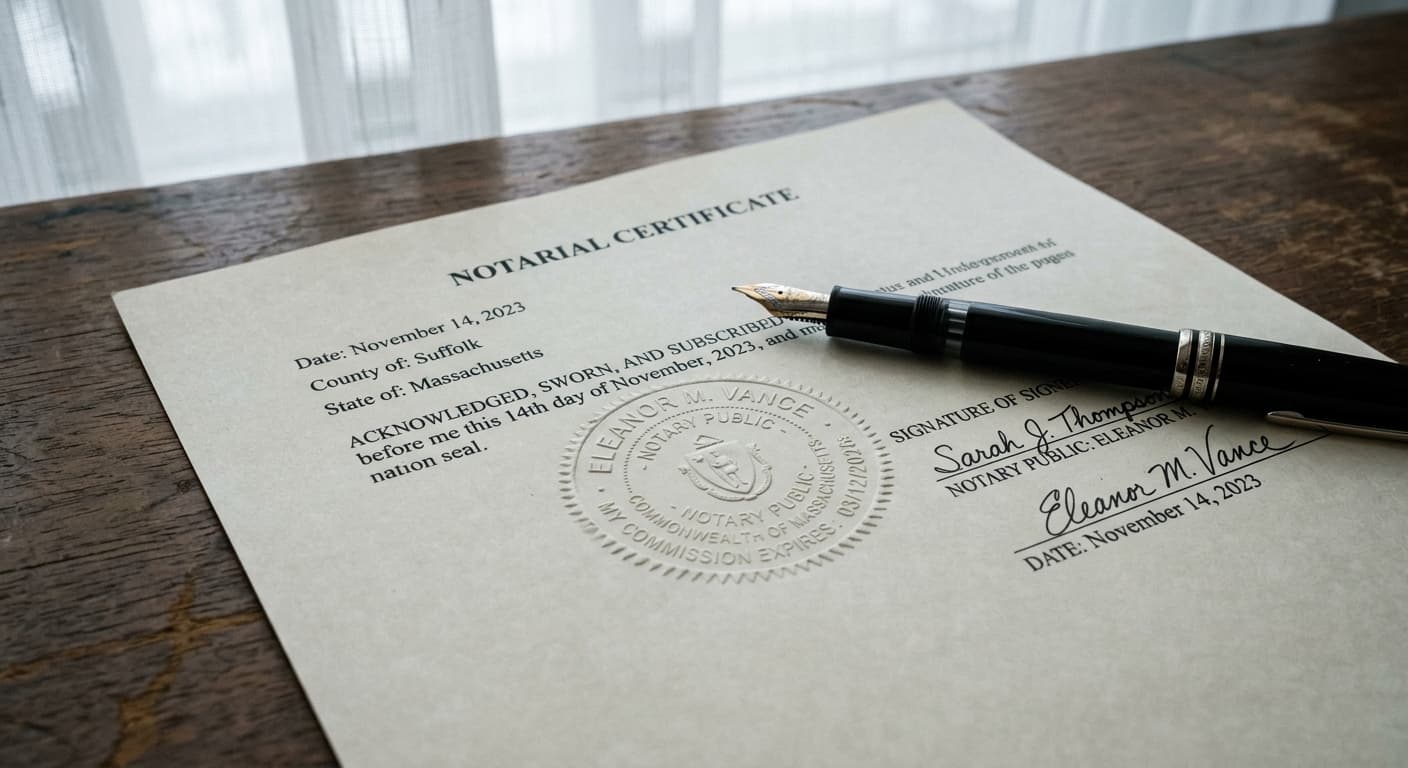
To win a slip and fall claim in Florida, you must prove that the property owner was negligent, that they had actual or constructive notice of the hazard, and that their failure to fix it caused your injury. Florida follows a modified comparative negligence rule with a 51% bar.
Proving a slip and fall claim in Florida
Every slip and fall case in Florida is a premises liability claim built on negligence. To recover, you must establish four elements: the owner owed you a duty of care, the premises contained a dangerous condition, the owner had notice of that condition and failed to remedy it, and the failure caused your injuries.
Florida law draws a sharp distinction based on your status on the property. Invitees (customers, shoppers, visitors invited for business purposes) receive the highest duty: the owner must use reasonable care to maintain the premises and to warn of known dangers. Licensees and trespassers receive lesser protection. Most retail slip-and-fall claims involve invitees.
For business slip-and-falls specifically, Fla. Stat. § 768.0755 controls when the fall results from a "transitory foreign substance" (any liquid, debris, or other item that does not belong on the floor). Under that statute you must prove the business had actual knowledge of the dangerous condition or constructive knowledge because: (1) the condition existed long enough that it should have been discovered in the exercise of ordinary care, or (2) the condition occurred with such regularity that it was foreseeable. Evidence like footprints through spilled liquid, track marks, a dry halo around a wet spot, or a store's own maintenance logs can establish constructive notice.
The open-and-obvious doctrine in Florida
Florida does NOT treat an open-and-obvious hazard as a complete bar to recovery. The doctrine matters, but its reach is deliberately limited.
An open-and-obvious condition discharges the owner's duty to warn you about it. If a large, brightly lit wet-floor sign is visible at the top of a staircase, the owner may not have needed to warn further. However, that same obviousness does not discharge the separate, independent duty to maintain the premises in a reasonably safe condition.
The Florida Fourth District Court of Appeal made this explicit in De Cruz-Haymer v. Festival Food Mkt., Inc., 117 So. 3d 885, 888 (Fla. 4th DCA 2013): "the landowner's duty to maintain the premises in a reasonably safe condition is not discharged merely because the danger is open and obvious." Instead, the obviousness of the hazard is channeled into the comparative-fault analysis under Fla. Stat. ch. 768; it reduces your recovery rather than eliminating it entirely. Florida is firmly a comparative-fault, not a no-duty/bar, jurisdiction on this point.
Ice, snow, and natural accumulation in Florida
Florida is a sunbelt state and has never adopted the "natural accumulation rule" recognized in northern states. That rule, where it exists, generally insulates property owners from liability for ice and snow that accumulates naturally without human intervention. It does not apply in Florida.
Instead, Florida courts apply the ordinary reasonable-care standard to all hazardous floor conditions, including moisture and debris tracked indoors or accumulated through natural processes. If rainwater pools near an entrance and a store fails to mop it or post a warning, the analysis runs through the standard § 768.0755 constructive-notice framework: how long was the water there, were there visible signs of its presence, and should a reasonably attentive employee have discovered and fixed it?
This means Florida slip-and-fall claims involving wet floors, including water near entrances on a rainy day, are fully viable. The key is still notice: you need evidence that the condition existed long enough, or recurred with enough regularity, that the owner should have addressed it.
How fault is shared: Florida's negligence rule
Florida moved from pure comparative negligence to modified comparative negligence with a 51% bar on March 24, 2023, when HB 837 amended Fla. Stat. § 768.81(6). The new rule states: "any party found to be greater than 50 percent at fault for his or her own harm may not recover any damages."

In practical terms, this works as follows. If a jury finds that you were 30% responsible for your fall (perhaps because you were texting while walking) and the store was 70% responsible, you recover 70% of your total damages. If the jury instead finds you were 51% responsible, you recover nothing.
Injuries that occurred before March 24, 2023 are still governed by Florida's former pure comparative negligence system, under which you could recover a proportionate share of damages no matter how high your fault percentage.
One important carve-out: the 51% bar does NOT apply to medical-negligence claims under Chapter 766, which remain under pure comparative negligence.
Deadlines: statute of limitations and government claims
The deadline to file a personal injury lawsuit in Florida is 2 years from the date of the accident, under Fla. Stat. § 95.11(5)(a) as amended by HB 837 effective March 24, 2023. If your injury happened before that date, the old 4-year limitations period applies instead. Missing the deadline almost certainly means your case is dismissed.
For more detail on how Florida's SOL works across all case types, see the Florida statute of limitations page.
Falls on government property require an extra step before you can file suit. Florida's Tort Claims Act (Fla. Stat. § 768.28(6)(a)) requires you to present a written notice of claim to the responsible agency within 3 years after the claim accrues (1,095 days). For wrongful-death claims, the notice window is only 2 years. If the claim is against a state agency (rather than a municipality or county), you must also serve notice on the Department of Financial Services.
You may not file suit until the agency denies your claim in writing. If the agency takes no action within 6 months, that silence is treated as a denial and you may proceed. Florida is an outlier here: many states require notice in 60, 90, or 180 days; Florida's 3-year window is comparatively generous.
Finally, sovereign immunity caps limit government payouts to $200,000 per person and $300,000 per incident unless the Florida Legislature passes a special "claim bill" authorizing a larger award.
What a Florida slip and fall claim is worth
A Florida slip and fall settlement or verdict can include economic damages (medical bills, future treatment, lost wages, diminished earning capacity) and non-economic damages (pain and suffering, loss of enjoyment of life, and permanent impairment). Florida does not cap non-economic damages in ordinary personal injury cases.

Your ultimate recovery is reduced by your own fault percentage under the modified comparative negligence rule. If your total damages are $100,000 but you were 25% at fault, you receive $75,000. Above 50% fault, you receive nothing.
Cases involving permanent injuries, fractures, traumatic brain injuries, or prolonged surgeries tend to carry higher values. Cases where the owner had no notice of the hazard, where the fall caused only minor injuries, or where comparative fault is significant produce lower outcomes.
Use the Florida slip and fall settlement calculator to model your damages before speaking with an attorney. Return to the Slip and Fall Laws hub for comparisons across all 50 states.
This article is general legal information, not legal advice. Premises liability law varies by state and changes, and case values depend on the specific facts. For advice about a specific fall, consult a licensed attorney in Florida.
More Florida Laws
Frequently Asked Questions
How do I prove a slip and fall in Florida?
You must prove four things: the owner owed you a duty of care (you were an invitee or licensee), the premises had a dangerous condition, the owner had actual or constructive knowledge of it and failed to fix it, and that failure caused your injury. For business falls involving a spill or debris, Fla. Stat. § 768.0755 requires you to show the store knew about the hazard or that it existed long enough that a reasonable inspection would have found it.
Is Florida an open-and-obvious state?
No, not in the way some states use that doctrine. In Florida, an open-and-obvious condition excuses only the owner's duty to warn you about it, not the separate duty to maintain reasonably safe premises. The leading case is De Cruz-Haymer v. Festival Food Mkt., Inc. (Fla. 4th DCA 2013). The obviousness of the hazard is weighed in the comparative-fault calculation instead of barring your claim outright.
Can I sue for falling on ice or water in Florida?
Yes. Florida has no natural-accumulation rule. The ordinary reasonable-care duty applies to all floor hazards, including water near store entrances on rainy days. You still need to show the business had actual or constructive notice of the wet condition under Fla. Stat. § 768.0755, but there is no categorical immunity for naturally occurring moisture.
How long do I have to file a slip and fall lawsuit in Florida?
Two years from the date of the accident, under Fla. Stat. § 95.11(5)(a) as amended by HB 837 in 2023. If your fall happened before March 24, 2023, the old 4-year period applies. Falls on government property also require a written notice of claim within 3 years before any lawsuit can be filed.
Can I recover if I was partly at fault for my fall?
Yes, if you were 50% or less at fault. Under Florida's modified comparative negligence rule (Fla. Stat. § 768.81, effective 2023), your damages are reduced by your fault percentage. If you are found more than 50% at fault, you recover nothing. For falls before March 24, 2023, Florida's old pure-comparative rule allowed recovery at any fault level.
How much is a Florida slip and fall claim worth?
Value depends on your injuries, medical costs, lost income, and your share of fault. Florida does not cap non-economic damages in standard premises-liability cases. Your recovery is reduced by your fault percentage under the 51% comparative-negligence rule. Use the Florida slip and fall settlement calculator to model an estimate, then consult an attorney for a case-specific evaluation.
What happens if I fell at a government building or public sidewalk in Florida?
You must serve a written notice of claim on the responsible government agency within 3 years of the accident under the Florida Tort Claims Act (Fla. Stat. § 768.28). You cannot file suit until the agency denies the claim or 6 months pass without a final decision. Even if you win, sovereign immunity caps recovery at $200,000 per person and $300,000 per incident, unless the Legislature passes a special claim bill.
Injured in Florida? Get a free case review from a personal-injury attorney
If someone else's negligence caused your injury, you may be owed compensation for medical bills, lost wages, and pain and suffering. Get a free, no-obligation review from a Florida personal-injury attorney. Most work on contingency, so there is no upfront cost.
Sources and References
- Fla. Stat. § 768.0755 (Premises liability for transitory foreign substances in a business establishment)(flsenate.gov).gov
- Fla. Stat. § 768.28 (Florida Tort Claims Act, notice of claim, government liability)(flsenate.gov).gov
- Fla. Stat. § 768.81 (Modified comparative negligence, 51% bar, eff. 2023)(flsenate.gov).gov
- Fla. Stat. § 95.11(5)(a) (2-year personal injury statute of limitations, eff. 2023)(flsenate.gov).gov
- De Cruz-Haymer v. Festival Food Mkt., Inc., 117 So. 3d 885 (Fla. 4th DCA 2013)(flsenate.gov)