
Are Autopsy Reports Public in Indiana? (2026)
Indiana autopsy reports are restricted investigative records. Only next of kin and insurers with a claim can get the full report. Learn how to request one and the fee.
5 min read
88 articles · page 1 of 2
Indiana autopsy reports are restricted investigative records. Only next of kin and insurers with a claim can get the full report. Learn how to request one and the fee.

Indiana bankruptcy: opted out of federal exemptions, the $22,750 homestead under IC 34-55-10-2 (indexed every six years), and current means-test income figures.

Indiana abolished common law marriage after Jan 1, 1958 under IC 31-11-8-5. Pre-1958 CLMs remain valid. Indiana recognizes valid common law marriages from other states.

Complete guide to life sentences in Indiana: parole eligibility, LWOP rules, notable cases, recent legislative changes, and sentencing statutes. Updated March 2026.

The cause of death on an Indiana death certificate is restricted to family and those with a legal interest. See how to find it and the 75-year rule.

Get an Indiana death certificate from the Department of Health for $8 (first copy) plus $4 per additional copy. See who qualifies, ID rules, and how to order.

An INCDPA compliance checklist: IC 24-15 thresholds, privacy notice, opt-in sensitive data, 45-day requests, assessments, and the permanent 30-day cure before Jan. 1, 2026.

Indiana's INCDPA (IC 24-15-3-1) gives residents access, correction, deletion, portability, and opt-out rights starting Jan. 1, 2026, with a 45-day response window.

Indiana adult adoptees register for records at 18 and request identifying information at 21, unless a birth parent has filed a blocking Contact Preference Form.

Indiana's SB 17 age-verification law survived a First Amendment challenge, but a new AG enforcement suit against Pornhub's parent company is ongoing.

Guide to Indiana AI laws, regulation, and legislation covering deepfakes, employment AI, healthcare AI, and more.

Learn how Indiana consent laws apply to AI meeting recorders. One-party consent rules, penalties, and compliance.

Indiana is an at-will state. Learn the narrow public-policy exception (Frampton), why handbooks don't create implied contracts (Orr), and RTW rules.

Learn Indiana audio recording laws under IC 35-33.5-5. One-party consent lets you record conversations you participate in. Penalties, exceptions, and legal limits explained.

Indiana background check laws: Ban the Box, lookback periods, Clean Slate, employer and housing checks.

Indiana's ICDPA classifies biometric data as sensitive, requiring opt-in consent for fingerprints, voiceprints, and iris scans. Learn consent rules, penalties, and exemptions.

Indiana is an at-fault state with a 51% comparative-fault bar, 25/50/25 minimum insurance, and a 2-year injury filing deadline. Learn your rights after a crash.

Learn what Indiana Code actually requires for car seats by age, plus NHTSA rear-facing and booster guidance and penalties for violations.

Indiana custody law has no presumption favoring either parent. Learn the 9 best-interests factors, joint custody rules, the 30-day relocation notice requirement (with exceptions), and how to modify an order.

Indiana uses the Income Shares Model for child support. Learn how the 2024 guidelines work, how to modify an order, and enforcement rules under IC 31-16.

Indiana searches court records through the statewide MyCase portal. Learn what it covers, what's excluded, and how sealing and expungement work.

Learn Indiana dashcam laws. Legal to use with mounting restrictions. Audio follows one-party consent. Windshield obstruction rules and using footage as evidence explained.

Indiana requires data breach notification within 45 days. Learn who must be notified, what personal information triggers the law, penalties up to $150,000, and the biometric data gap.

Learn about Indiana data privacy laws including the ICDPA consumer rights, business obligations, enforcement penalties, and data breach notification requirements.

Indiana is a closed-record state for death certificates. Family and those with legal interest can order a copy for $8; records open to the public after 75 years.

Indiana caps wage garnishment at 25% (or less for good cause). DFI-verified exemption figures, the correct garnishment statute cite, and debt deadlines.
Indiana outlaws deepfake intimate images (IC 35-45-4-8, HEA 1047, eff. July 1, 2024), requires disclaimers on AI election ads (IC 3-9-8-5), and protects voice under IC 32-36-1.

Indiana defamation laws explained: a 2-year statute of limitations (Ind. Code 34-11-2-4), the 34-7-7 anti-SLAPP law, per se categories, and how to sue.

Indiana divorce requires irretrievable breakdown, 6-month state residency, 3-month county residency, and a mandatory 60-day waiting period. No separation required.

Learn Indiana dog bite laws, liability rules under IC 15-20-1, criminal penalties, comparative fault, and victim rights. Updated for 2026.

Indiana Code 35-33-5-9 requires police to get a warrant before drone surveillance of private property. See the voyeurism law, hunting ban, and shoot-down rules.
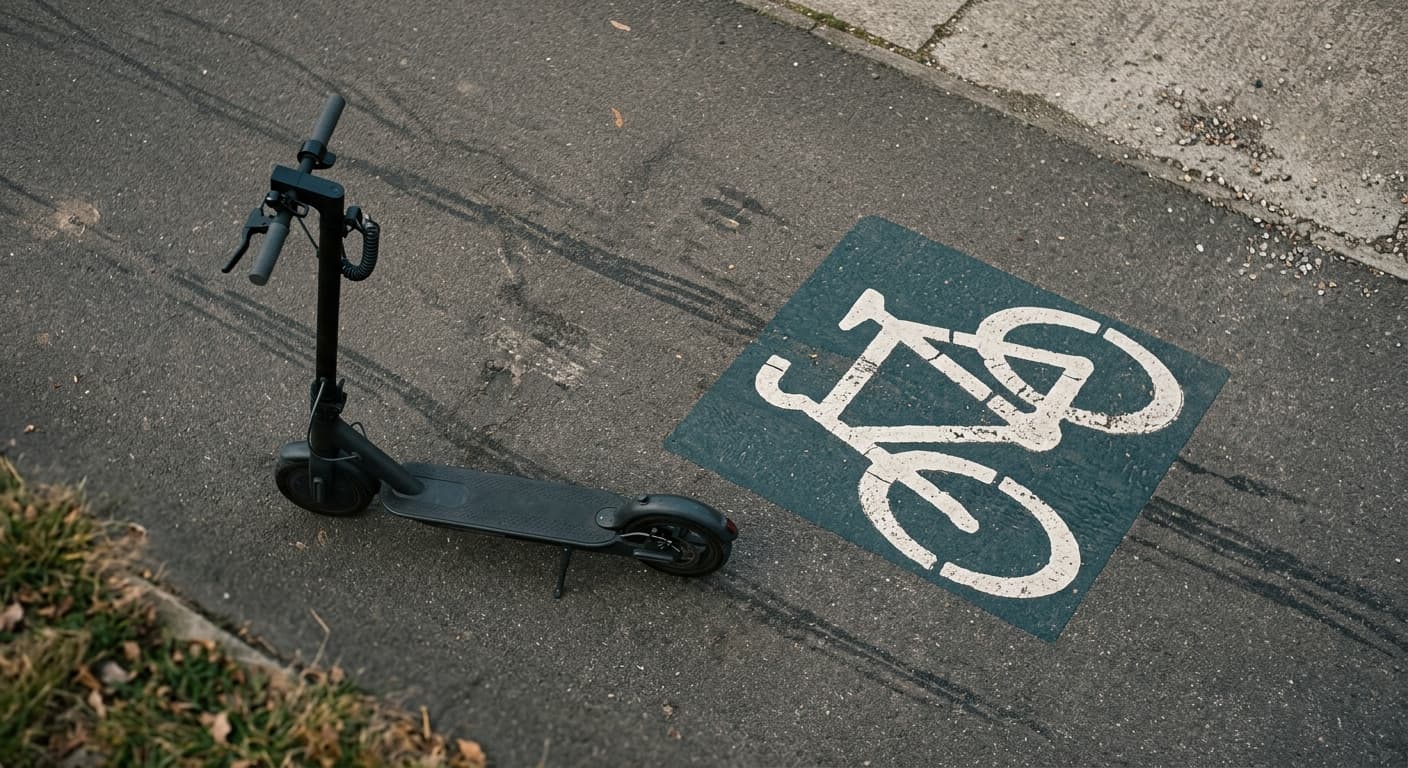
Indiana treats e-scooters like bicycles under IC 9-21-11-13.6, with no statewide age or helmet law. The device is capped at 20 mph and banned from interstate highways.

Indiana has no general emancipation petition. Learn how minors become emancipated in Indiana through CHINS proceedings (IC 31-34-20-6), marriage (IC 31-11-1-7), or military service, and how IC 31-16-6-6 sets child support to end at age 19.

Indiana employee monitoring laws explained: no state notice statute, one-party consent recording, the ban on mandatory employee microchipping, and GPS tracking rules.

Indiana's Second Chance Law (IC 35-38-9) lets you expunge arrests, misdemeanors, and felonies. Learn waiting periods, eligibility tiers, the one-petition rule, and permanent exclusions.

Indiana final paycheck law: no acceleration on discharge or quit, but 2x liquidated damages for bad-faith nonpayment. Deduction rules and how to file a claim.

Indiana's Millie's Law makes secret GPS tracking a crime. Penalties under IC 35-46-8.5-1, the family exception, AirTag rules, and what victims can do.

Indiana grandparent visitation applies the fit-parent presumption at a special weight standard. Standing triggers and the adoption survival rule.

Learn Indiana hit and run laws under IC 9-26-1-1.1: penalties from misdemeanor to Level 3 felony, driver duties, insurance options, and reporting deadlines.

Indiana criminalizes identity deception under IC 35-43-5-3.5. See how to report it to the Attorney General, plus the federal freeze and fraud alert rights.

Indiana security deposit rules, 45-day return deadline, notice to enter, habitability rights, and rent control preemption explained for 2026.

Learn Indiana landlord-tenant recording laws. Tenants can record conversations with landlords under one-party consent. Security camera rules for rentals explained.

Learn Indiana laws on recording in public places. First Amendment protections, public meeting recording rights, restrictions on filming, and practical guidelines explained.
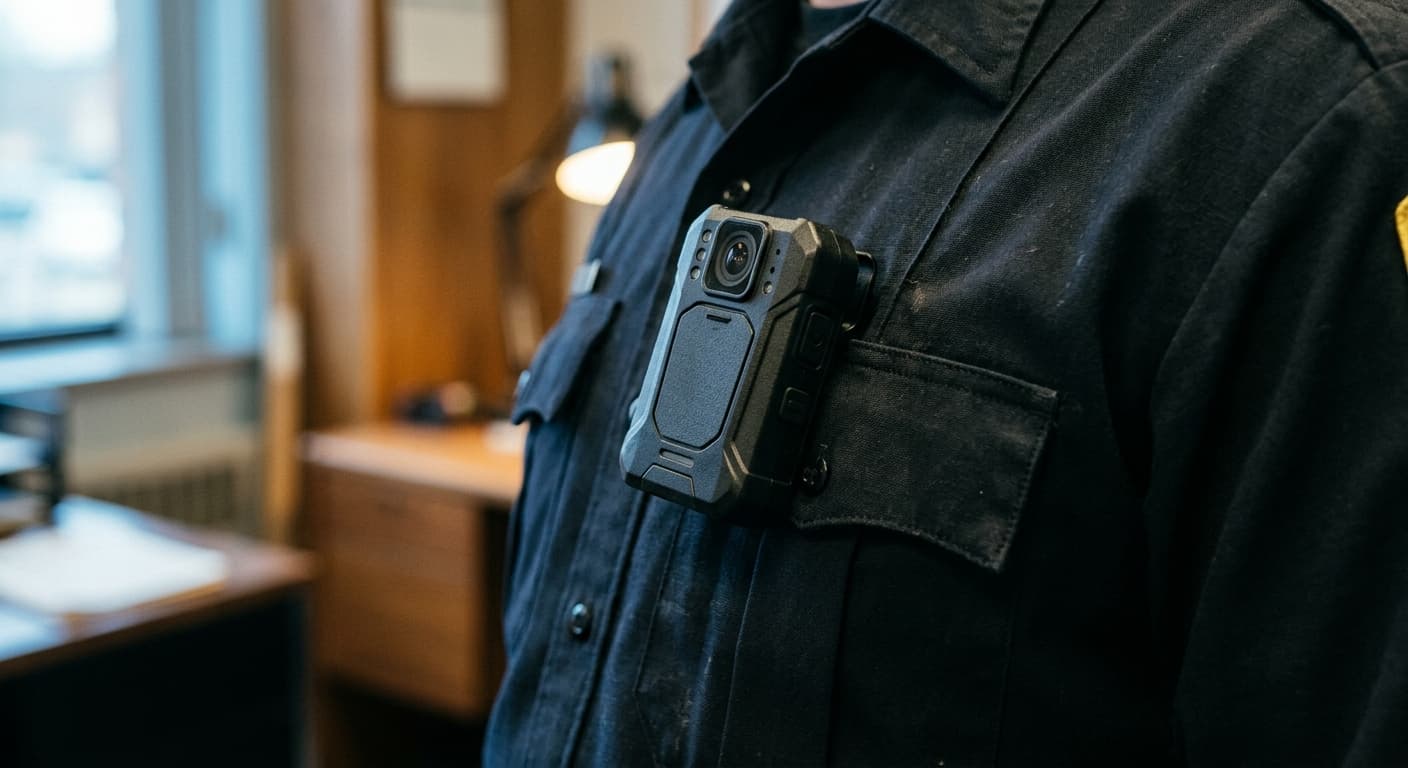
Learn your rights to record police in Indiana. First Amendment protections, the 25-foot buffer law ruled unconstitutional in 2025, and practical tips for filming officers.
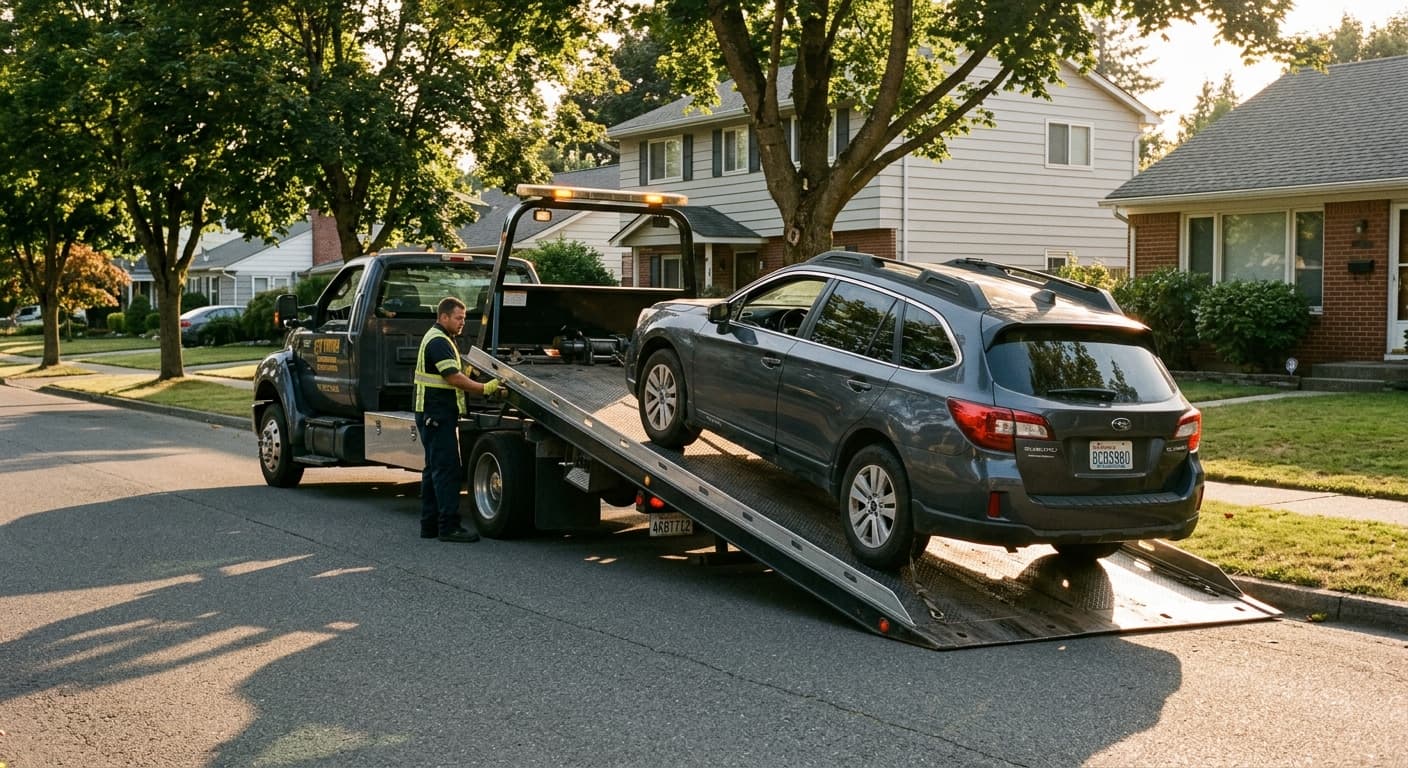
Indiana's lemon law covers new vehicles under 10,000 lbs. Qualify after 4 repair attempts or 30 business days out of service within 18 months or 18,000 miles.

Indiana's state vital records office issues certified marriage records for 1958 through 2012 at $8.00 per date searched. County clerks hold everything else.

Learn Indiana medical recording laws. Patients can record appointments under one-party consent. HIPAA interactions, telehealth rules, and provider policies explained.

Indiana medical records retention laws: how long hospitals and doctors keep your records, HIPAA rules, and patient rights.

How to change your name in Indiana: the court petition, the combined publication and criminal-history notice requirements, and offender restrictions.

Indiana has no nursing home camera law. A 2021 bill, SB 378, would have created one but never got a hearing. See what governs a resident's camera today.

Indiana OWI (DUI) laws: the 0.08% BAC limit, first-offense penalties under IC 9-30-5, license suspension, ignition interlock, and the 7-year look-back.

Learn Indiana phone call recording laws under IC 35-33.5-5. Record calls you participate in without telling others. Interstate rules, business recording, and penalties.
Indiana sets 190/280-day bodycam retention and a distinctive preservation-request rule under Ind. Code 5-14-3-5.2/5.3. How to request or preserve footage.

Buy an Indiana crash report through BuyCrash for about $12, request an incident report under IC 5-14-3, and see Indiana's twice-inspection bodycam right.
Indiana pornography law: obscenity rules, the age-verification law's private lawsuit remedy, the Pornhub enforcement suit, and CSAM penalties.

Indiana POA laws are governed by IC 30-5 (not the UPOAA). A financial POA must be signed before a notary or two witnesses and is durable by default under IC 30-5-10-3. Healthcare decisions require a separate advance directive under IC 16-36-7.

Indiana probate explained: Circuit and Superior Court process, $100,000 small estate affidavit, and who inherits under Indiana's intestate succession law.

Indiana property records run through 92 County Recorders and the private Doxpop aggregator. Learn how to find who owns a property in Indiana for free.

Indiana APRA explained: no numeric deadline, an advisory-only Public Access Counselor, body camera access under IC 5-14-3-5.2, fees, exemptions, and appeals.

Indiana is a one-party consent state under IC 35-33.5-5-5. Learn the consent rule, Level 5 felony penalties, civil damages, hidden-camera laws, and police recording rights.