
Are Autopsy Reports Public in South Carolina? (2026)
South Carolina autopsy reports are not public records. They are restricted to legal next of kin. Learn who can request a coroner or autopsy report, the fee, and how.
5 min read
86 articles · page 1 of 2
South Carolina autopsy reports are not public records. They are restricted to legal next of kin. Learn who can request a coroner or autopsy report, the fee, and how.

South Carolina opted out of federal exemptions. The inflation-indexed homestead is about $80,125, the vehicle exemption is about $8,000, and see the means test income.

South Carolina abolished new common law marriages on July 24, 2019, in Stone v. Thompson. Pre-2019 CLMs remain valid but require clear and convincing proof. Learn the rules.

Complete guide to life sentences in South Carolina: parole eligibility, LWOP rules, notable cases, recent legislative changes, and sentencing statutes. Updated March 2026.

Learn how to find someone's cause of death in South Carolina, where it is recorded, whether it is public, and who can request the death certificate.
Get a South Carolina death certificate from the SC DPH Office of Vital Records: $12 first copy, $3 per extra. See who is eligible and how to order.
South Carolina medical malpractice in 2026: a 3-year deadline, 6-year repose, an inflation-indexed noneconomic cap, plus a Notice of Intent and affidavit.

South Carolina requires a biological parent's affirmative consent, or proof of death, to release an adult adoptee's original birth certificate. Forms and fees.

South Carolina's Child Online Safety Act requires age verification for adult content, enforced by the Attorney General only. Requirements, dates, and penalties.

Guide to South Carolina AI laws, regulation, and legislation covering deepfakes, employment AI, healthcare AI, and more.

Learn how South Carolina consent laws apply to AI meeting recorders. One-party consent rules, penalties, and compliance.

South Carolina still allows permanent periodic alimony under S.C. Code 20-3-130. Learn the five types, the adultery bar, the 90-day cohabitation rule, and the 13 factors courts use.

Is South Carolina an at-will state? Yes. Learn the public-policy and implied-contract exceptions, right-to-work status, and federal protections that still apply.

South Carolina audio recording laws allow one-party consent under S.C. Code 17-30-30. Learn the rules for recording conversations, penalties for violations, and key exceptions.

South Carolina background check laws: Ban the Box, lookback periods, Clean Slate, employer and housing checks.
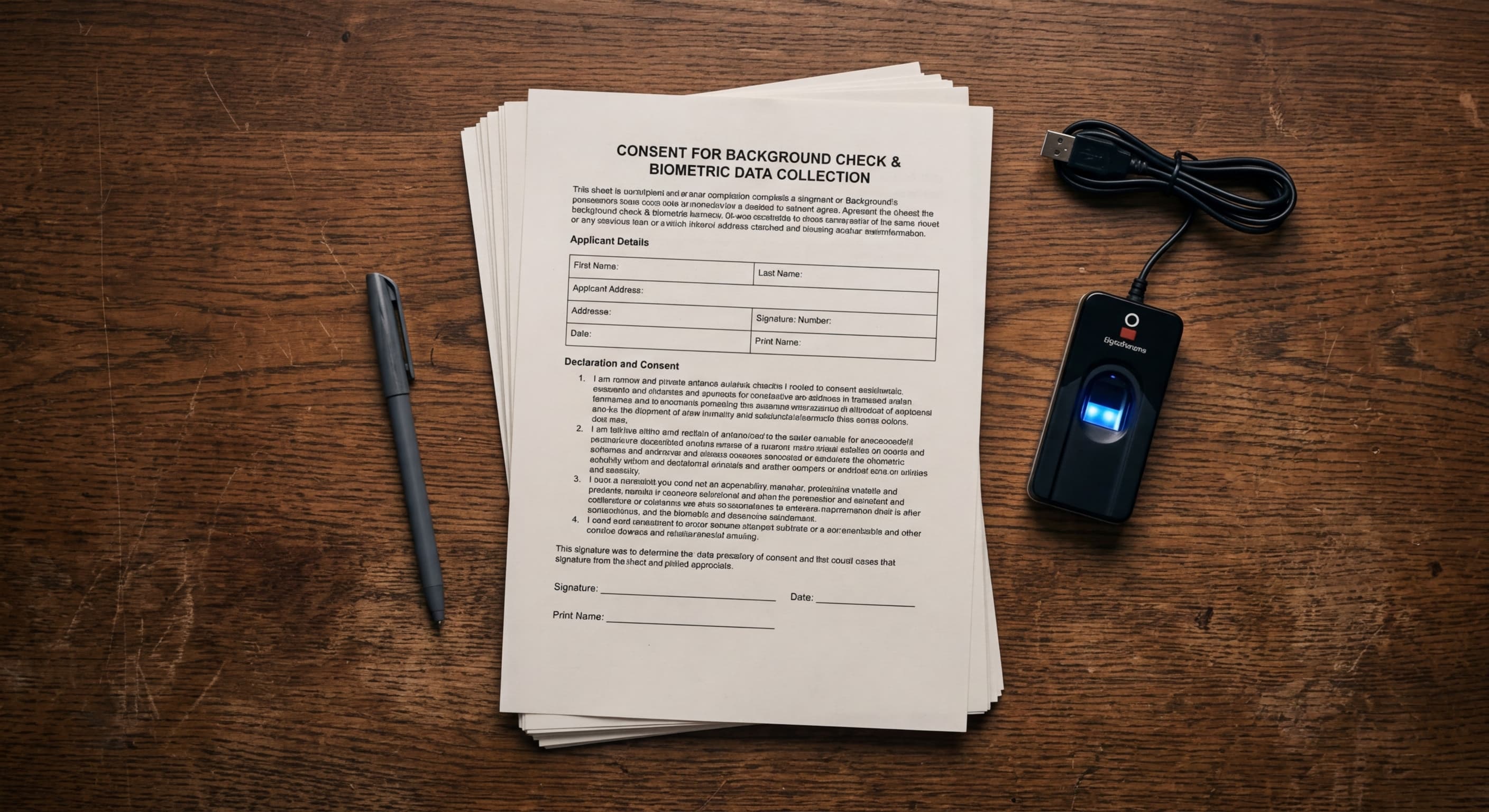
South Carolina has no standalone biometric privacy law. Learn about breach notification under SC Code 39-1-90, the Insurance Data Security Act, and pending legislation.

South Carolina is an at-fault state with modified comparative negligence (51% bar), 25/50/25 minimum insurance, mandatory UM coverage, and a 3-year injury SOL.

Learn about South Carolina's car seat laws: age and weight requirements, rear-facing rules, booster seat guidelines, and penalties for violations.

South Carolina custody uses 17 statutory best-interests factors under S.C. Code 63-15-240. No joint-custody presumption. Learn the rules, relocation factor, and modification standard.

South Carolina child support uses the Income Shares Model. 2024 guidelines raised amounts 25%, expanded income cap to $40k/mo. Learn calculation, modification, and enforcement rules.

How to search South Carolina court records by county on the Public Index, the new home-address redaction rule, and how expungement works.

Dashcams are legal in South Carolina. Learn the mounting rules, the one-party consent law for in-vehicle audio, and how dashcam footage can be used as evidence.
South Carolina requires data breach notification without unreasonable delay under S.C. Code 39-1-90. Learn about the private right of action, $1,000 per-resident fines, and CRA reporting at 1,000+.

South Carolina data privacy laws explained. Covers the breach notification statute (S.C. Code 39-1-90), Insurance Data Security Act, FIFITPA, and federal protections.

South Carolina is a closed-record state: only immediate family or a legal representative can buy a certified death certificate until records open to the public after 50 years.

South Carolina bars consumer wage garnishment, but SCDOR still levies 25% of gross pay for taxes and public debts. SOL, revival, and repo cure rights.

South Carolina enacted H 3058 in May 2025, criminalizing nonconsensual intimate deepfakes (NCII) under S.C. Code ss. 16-15-330 to 16-15-332. Learn the penalties, civil remedies, and gaps in SC deepfake law.

South Carolina defamation laws: a 2-year deadline to sue under S.C. Code 15-3-550, no anti-SLAPP statute, per se categories, damages, and how to file.

South Carolina divorce laws: the only no-fault route is 1 year of separation in separate residences. Learn residency rules, fault grounds, equitable distribution, and filing steps.

Learn South Carolina dog bite laws under S.C. Code 47-3-110, including strict liability rules, damages, defenses, and the 3-year filing deadline.

South Carolina's Drone Regulation and Public Safety Act, signed May 2026 and effective January 1, 2027, sets a 1,500-foot prison buffer with new felonies.

South Carolina DUI laws under 56-5-2930: the 0.08% BAC limit, first-offense fines and jail, the all-offender interlock rule, refusal penalties, and look-back.
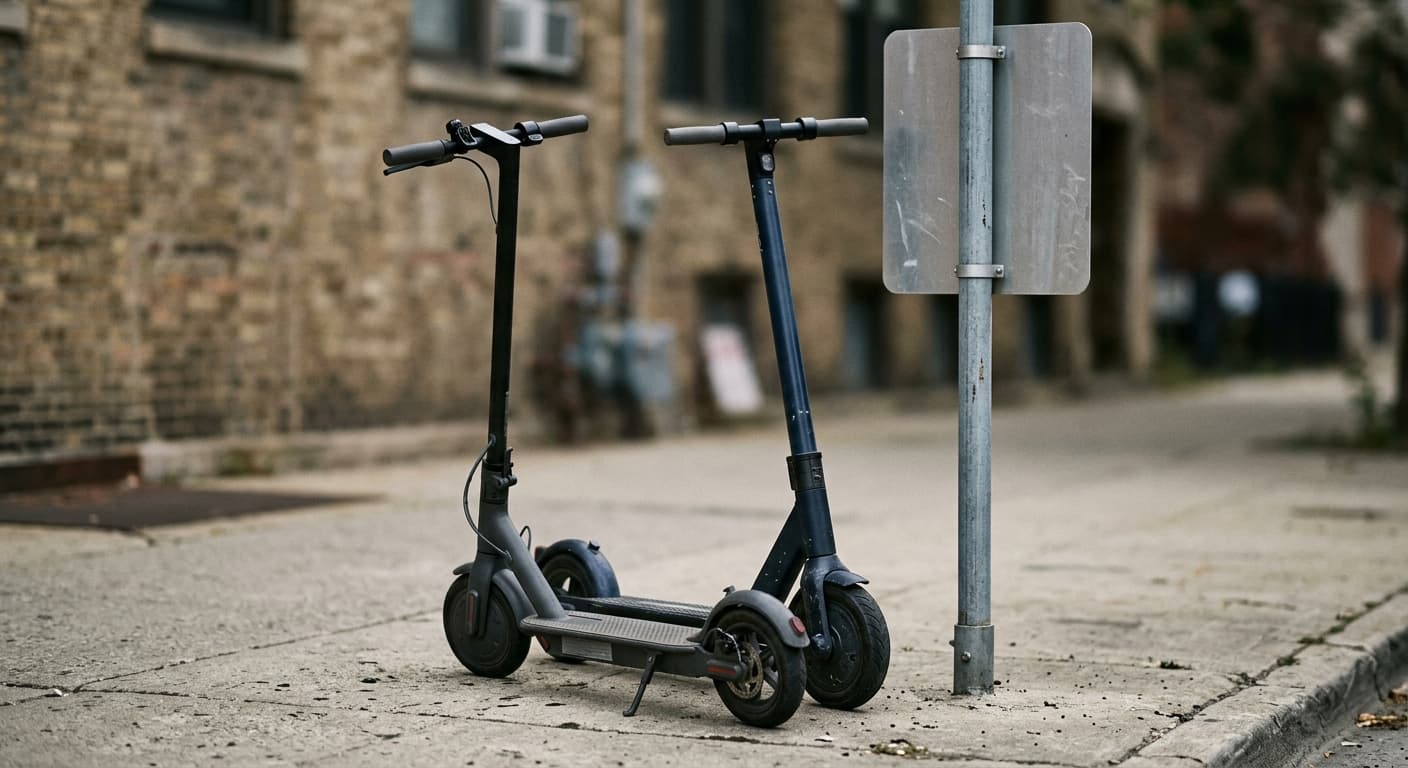
South Carolina's EPAMD statute requires self-balancing devices, so a standard kick e-scooter is not covered by state law. Riding an EPAMD on a freeway is a misdemeanor punishable by fine or jail.

South Carolina has no general emancipation statute. Learn how SC minors become emancipated through marriage, military service, or a Family Court order, and what rights apply under South Carolina law.

South Carolina employee monitoring laws explained: why there is no social media password law, one-party consent recording, and GPS tracking under the stalking law.

South Carolina expungement under S.C. Code § 17-22-910 covers first-offense misdemeanors, PTI completions, conditional discharge, and certain drug convictions. Learn waiting periods, fees, and how to apply.

South Carolina requires final wages within 48 hours of separation or the next payday, capped at 30 days, with treble damages for willful violations.

South Carolina FOIA explained: the 10 or 20 business day determination, the 30 or 35 day production clock, fee caps, and why body camera footage is excluded.

South Carolina has no GPS tracker statute. See how the harassment law (S.C. Code 16-3-1700) treats car trackers, the PI exemption, and the penalties.

South Carolina grandparent visitation law under Section 63-3-530(33): the Camburn v. Smith standard, the de facto custodian track, and the honest odds.

Learn South Carolina hit and run laws, penalties from misdemeanor to 25-year felony, driver duties, insurance claims, and how to protect your rights.

South Carolina requires police to take an ID theft report under Section 37-20-130. Victims can recover treble damages or $3,000 per incident.

South Carolina has no security deposit cap and requires return within 30 days. Learn entry notice rules, limited repair-and-deduct rights, and more.

South Carolina landlord-tenant recording laws allow tenants to record conversations with landlords under one-party consent. Learn the rules for surveillance, hidden cameras, and rental disputes.

South Carolina allows recording in public spaces under the First Amendment with no permit required. Learn the rules for filming in public, photography rights, and when restrictions apply.
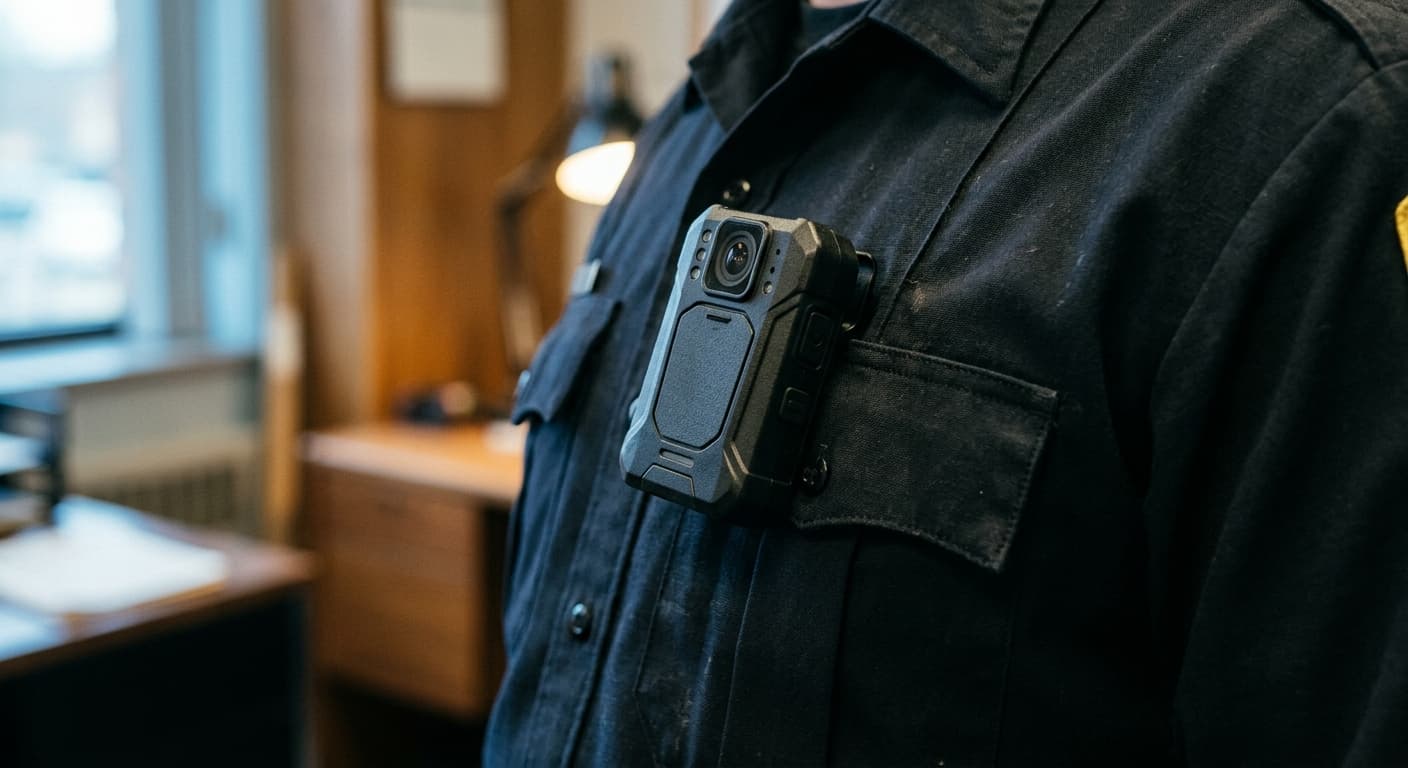
You can legally record police officers in South Carolina in public spaces. Learn your First Amendment rights, body camera laws, and what to do if police tell you to stop recording.

South Carolina lemon law covers new vehicles with 3 repair attempts or 30 days out of service in 12 months/12,000 miles. Learn remedies, the usage deduction formula, and how to file.

South Carolina holds marriage records for 1950-2023 and divorce reports for 1962-2023. Learn who can order, the $12 fee, and where the decree actually lives.

Learn South Carolina medical recording laws. Patients can record doctor visits under one-party consent (§ 17-30-30). Covers HIPAA, telehealth, facility policies, and evidence use.

South Carolina medical records retention laws: how long hospitals and doctors keep your records, HIPAA rules, and patient rights.
South Carolina motorcycle accident law: the 3-year deadline to sue, the 51% fault bar, the under-21 helmet law, the helmet defense rule, and lane splitting.

South Carolina name changes go through Family Court and require SLED and DSS background screenings. Here is the current process, fee, and exemptions.
South Carolina has no nursing home camera statute. Three different bills, H.4646, H.4524, and H.3634, are pending with different mechanisms. Current law and one-party consent.

South Carolina bans open beer/wine and opened liquor in vehicles under two statutes, Section 61-4-110 and Section 61-6-4020(A). Rules, exemptions, penalty.

South Carolina allows recording phone calls with one-party consent under S.C. Code 17-30-30. Learn the rules for personal calls, business calls, interstate calls, and VoIP recordings.

South Carolina was first to mandate statewide bodycams in 2015, but S.C. Code 23-1-240 exempts footage from FOIA. See the Walter Scott case that drove the law.

South Carolina's collision report is Form TR-310, not FR-10. Here is how to request it for $10, get an incident report, and the state's body camera law.

South Carolina allows adult porn privately. AV law lets minors sue over access. Last state to pass a revenge porn law; CSAM penalties up to 20 years.

South Carolina adopted the UPOAA effective Jan 1, 2017 (S.C. Code 62-8-101 to 62-8-403). Financial POAs are durable by default; execution requires 2 witnesses + notary acknowledgment; agents must record the POA with the register of deeds before acting during the principal's incapacity. Health care POA is separate under 62-5-501 et seq.

South Carolina probate runs through county Probate Courts under a UPC-based code. Learn intestate succession, the $45,000 small estate threshold, and taxes.