
Are Autopsy Reports Public in Vermont? (2026)
Vermont autopsy reports are not public records. They are confidential under HIPAA and released only to the legal next of kin. Here is how to request one.
5 min read
86 articles · page 1 of 2
Vermont autopsy reports are not public records. They are confidential under HIPAA and released only to the legal next of kin. Here is how to request one.

Vermont lets filers choose state or federal exemptions. The state homestead protects up to $125,000 of equity, the vehicle exemption is $2,500, plus the means test.

Vermont does not recognize common law marriage formation. A valid Vermont marriage requires a license and solemnization under Title 15 V.S.A. Vermont does recognize a valid common law marriage formed in another state.
Vermont has no enacted adult-content age-verification law. H.301 targets social media, not adult sites. Vermont's Age-Appropriate Design Code explained.

Complete guide to life sentences in Vermont: parole eligibility, LWOP rules, notable cases, recent legislative changes, and sentencing statutes. Updated March 2026.

Learn how to find someone's cause of death in Vermont, whether it is public, who can access it, and how to request the death certificate or autopsy report.
To get a Vermont death certificate, order a certified copy for $10 ($12 online) from a Vermont town or city clerk or the state ordering service. Eligible family and legal reps qualify.
Vermont medical malpractice: a 3-year deadline (2 from discovery), a 7-year repose, a required certificate of merit, and no statutory cap on damages.
Vermont motorcycle accident law in 2026: the three-year deadline to sue, the modified comparative-negligence rule, the universal helmet law, and lane splitting.
Vermont gives truck-crash victims 3 years to sue. Learn the 51% comparative-fault bar, at-fault rules, FMCSA regulations, and who can be held liable.

Vermont has released the original birth certificate to adult adoptees on request since July 2023, with no birth-parent veto over the certificate itself.

Guide to Vermont AI laws, regulation, and legislation covering deepfakes, employment AI, healthcare AI, and more.

Vermont follows federal one-party consent for AI meeting recorders. One of few states without its own wiretap statute.

Vermont is an at-will state with public-policy and implied-contract exceptions. Learn what protects you from wrongful termination and whether Vermont is right-to-work.

Learn Vermont audio recording laws. No state wiretapping statute -- federal one-party consent applies. Key court cases, penalties, and interstate call rules explained.

Vermont background check laws: Ban the Box, lookback periods, Clean Slate, employer and housing checks.

Vermont's comprehensive biometric privacy bill H.121 was vetoed in 2024. Learn about current protections under breach notification and data broker laws.

Vermont is an at-fault state with modified comparative fault (51% bar). Learn the 3-year SOL, 25/50/10 insurance minimums, mandatory UM/UIM, and how claims work.
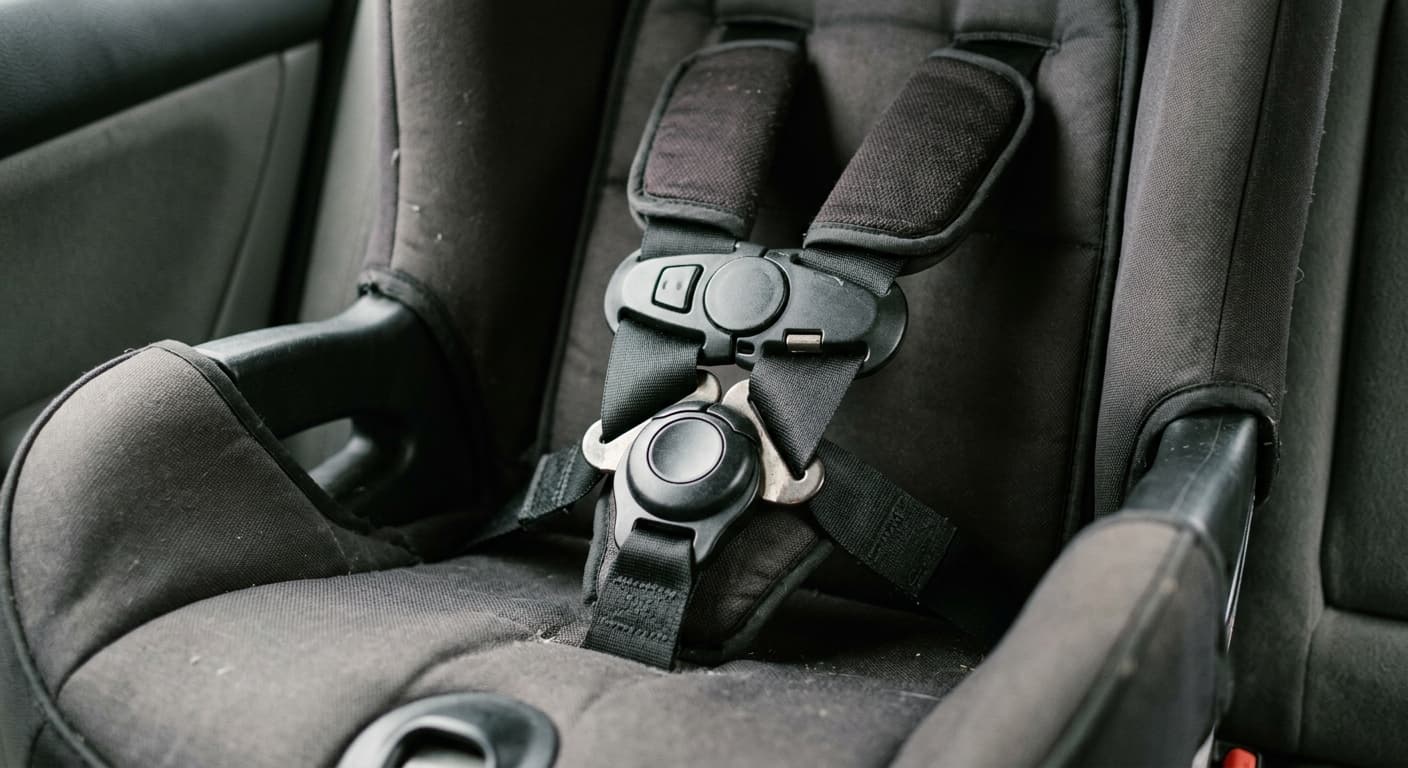
Vermont requires rear-facing seats to age 2 and boosters to age 8, per 23 V.S.A. 1258. See 2026 penalties, the tobacco vs. cannabis rule, and citations.

Vermont uses 'parental rights and responsibilities' instead of custody. Learn the 9 best-interests factors, the no-joint-presumption rule, and how courts decide.

Vermont uses the Income Shares Model under 15 V.S.A. 654. Learn how support is calculated, modified, and enforced, plus 2026 figures.

Vermont's Public Portal offers free case lookups from the US and Canada. Learn coverage, certified copy fees, and Vermont's 2025 sealing law overhaul.
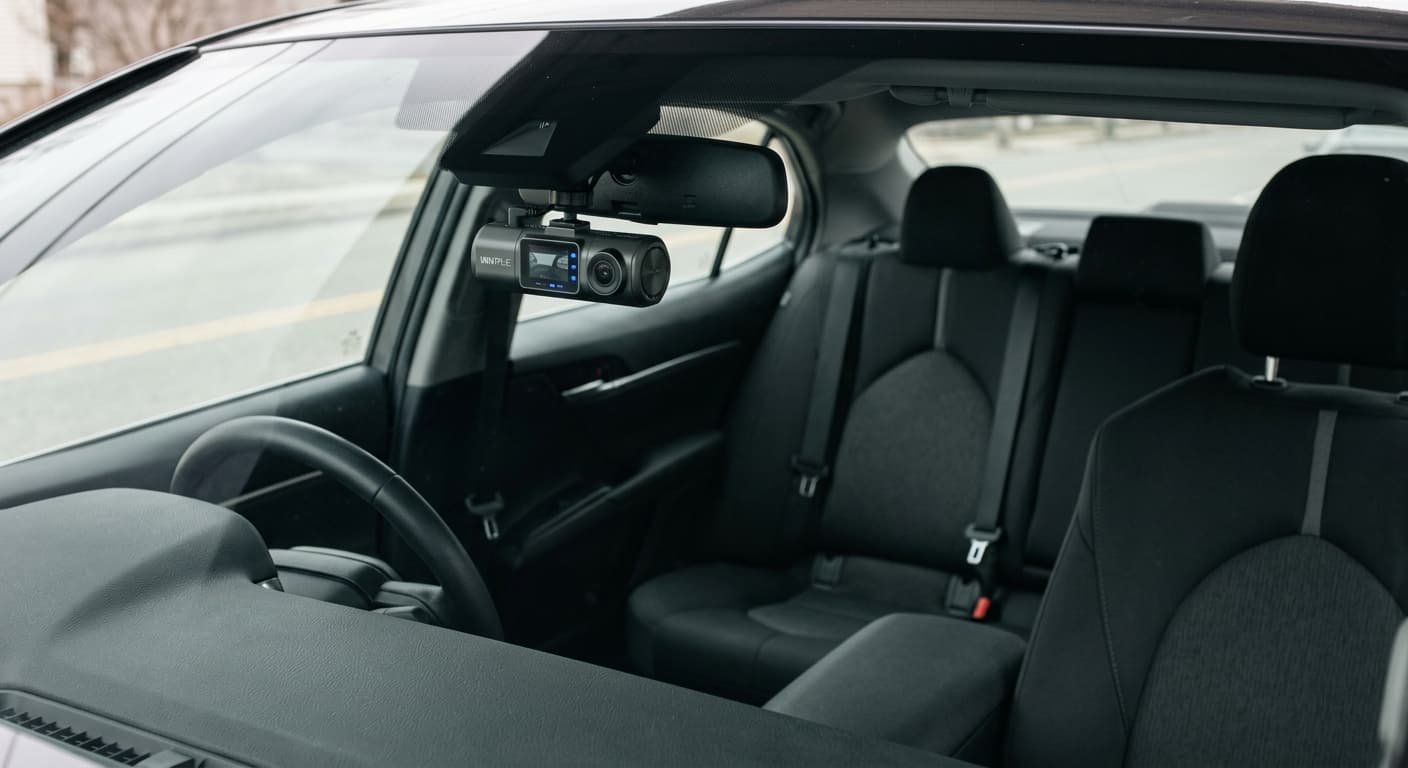
Learn Vermont dashcam laws. Dashcams are legal with proper mounting. Audio rules, evidence use, and commercial fleet regulations explained.

Vermont requires data breach notification within 45 days plus a 14-day preliminary AG notice. Learn who must comply, protected data types, penalties, and reporting rules.
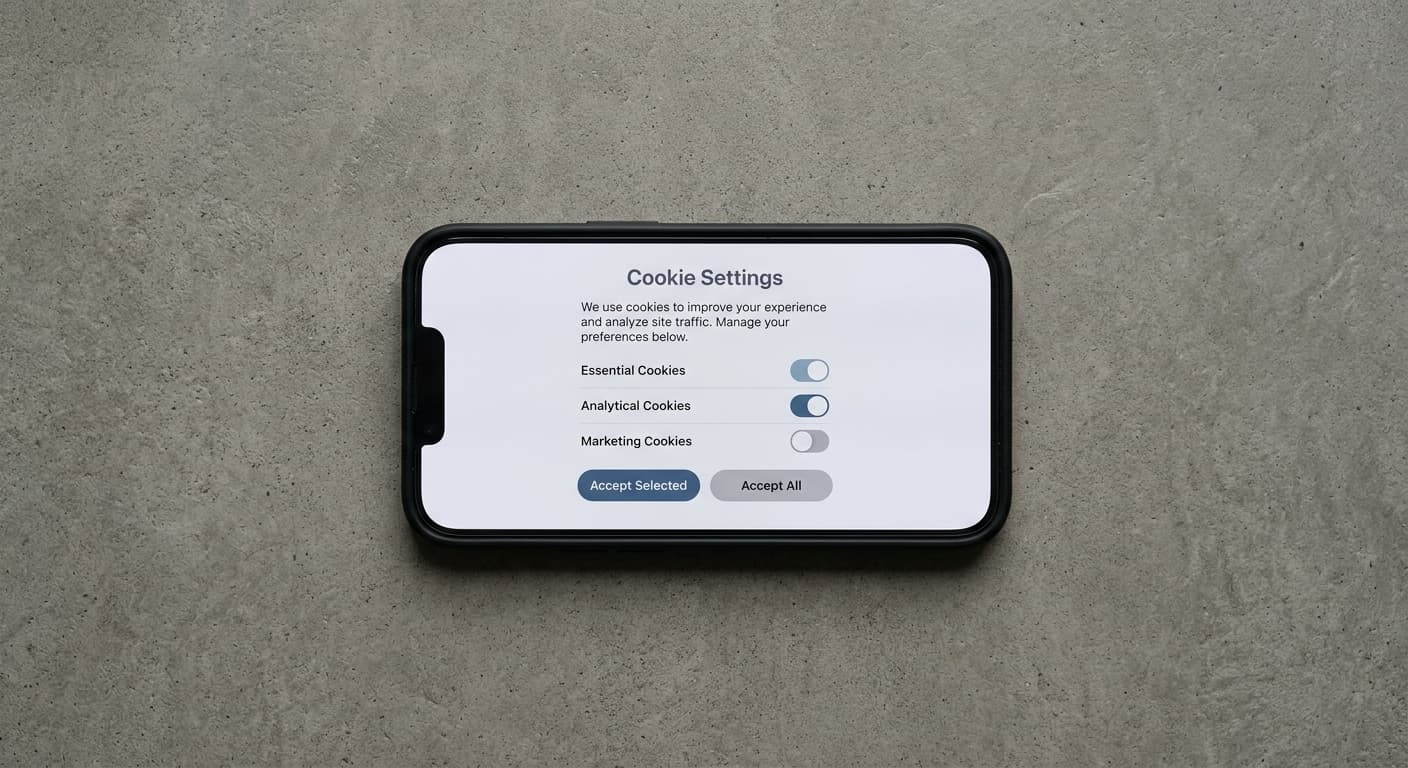
Vermont data privacy laws explained: first-in-the-nation data broker registry, 45-day breach notification rules, student privacy protections, and consumer rights.

Vermont is an open-record state for death records. Anyone can get a noncertified copy, while certified copies are limited to family and other eligible parties. Fees and steps here.

Vermont protects 85% of earnings on consumer debt. What is real, and why the medical-debt garnishment ban you may have read about is not law.

Vermont outlaws sexual deepfakes under 13 V.S.A. s. 2606 (Act 161, 2024) and requires AI election-media disclosure under Act 75 (2026). Penalties up to 5 years. AI-CSAM gap: federal law applies.

Vermont defamation laws: a 3-year deadline (12 V.S.A. 512), the 12 V.S.A. 1041 anti-SLAPP special motion to strike, per se categories, and how to sue.

Vermont divorce requires 6 months living apart (no-fault) and 6 months residency to file, with 1-year residency required before the final hearing. Learn grounds, property division, and how to file.

Learn Vermont dog bite laws: the one-bite rule, how to prove liability, the 3-year statute of limitations, and the Section 3546 complaint process.

Vermont bars drones below 100 feet over private land without consent and requires a police warrant for drone investigations under 20 V.S.A. sections 4622, 4626.
Vermont DUI laws: the 0.08% BAC limit, first-offense penalties under 23 V.S.A. 1201 and 1210, the 90-day civil suspension, interlock, and 20-year look-back.

Vermont regulates 'self-balancing' EPAMDs under 23 V.S.A. section 1141a and treats riders as pedestrians. A standard stand-up e-scooter may not fit that definition at all.

Vermont minors aged 16 or older may petition the Probate Division of the Superior Court for emancipation under 12 V.S.A. ch. 217. Learn the age, residency, education, and financial requirements, plus the effects of a court order.

Vermont employee monitoring laws: the social media password ban under 21 V.S.A. section 495l, GPS tracking, video surveillance, and the federal ECPA baseline.

Vermont allows sealing of qualifying misdemeanors after 3 years and felonies after 7 years under 13 V.S.A. § 7602. Dismissals and acquittals seal automatically within 60 days. Learn who qualifies and how to petition.

Vermont requires final wages within 72 hours of a firing. See the deadline, the double-damages penalty, and why the 'PTO payout since 2023' claim is false.

Vermont has no standalone GPS tracker law, but its stalking statute covers tracking by any device. See 13 V.S.A. 1062-1063 penalties and who can track legally.

Vermont's grandparent visitation statute has no fit-parent presumption and has not visibly changed since 1984. Here is what that unresolved gap means for you.
Learn Vermont hit and run laws under 23 V.S.A. Section 1128, including penalties for leaving the scene, reporting requirements, and insurance options.

Vermont identity theft under 13 V.S.A. 2030 is capped at 3 years for a first offense. Learn the penalty structure, freeze rights, and breach notice rules.

Vermont has no deposit cap; landlords must return deposits within 14 days. Learn entry notice rules, month-to-month termination, repair-and-deduct, and more.

Learn Vermont landlord-tenant recording laws. Tenant recording rights, camera rules, entry notice, and security deposit evidence guide.

Learn Vermont public recording laws. No restrictions on public filming. Open Meeting Law protections and First Amendment rights explained.
Learn your rights to record police in Vermont. First Amendment and First Circuit protections, body camera rules, and civil rights remedies explained.
Vermont's lemon law covers vehicles under 12,000 lbs with 3 repair attempts or 30 days out of service. Learn how to file a free arbitration claim and get a refund.

Vermont marriage and divorce certificates are not gated the way birth and death records are. Order from a town clerk, the Health Department, or VSARA for $10.

Learn Vermont medical recording laws. Patients can record doctor visits under federal one-party consent. HIPAA, ER privacy ruling, and evidence guide.

Vermont medical records retention laws: how long hospitals and doctors keep your records, HIPAA rules, and patient rights.

How to legally change your name in Vermont: the Probate Division instrument process under 15 V.S.A. 811, and the mandatory Sex Offender Registry check.
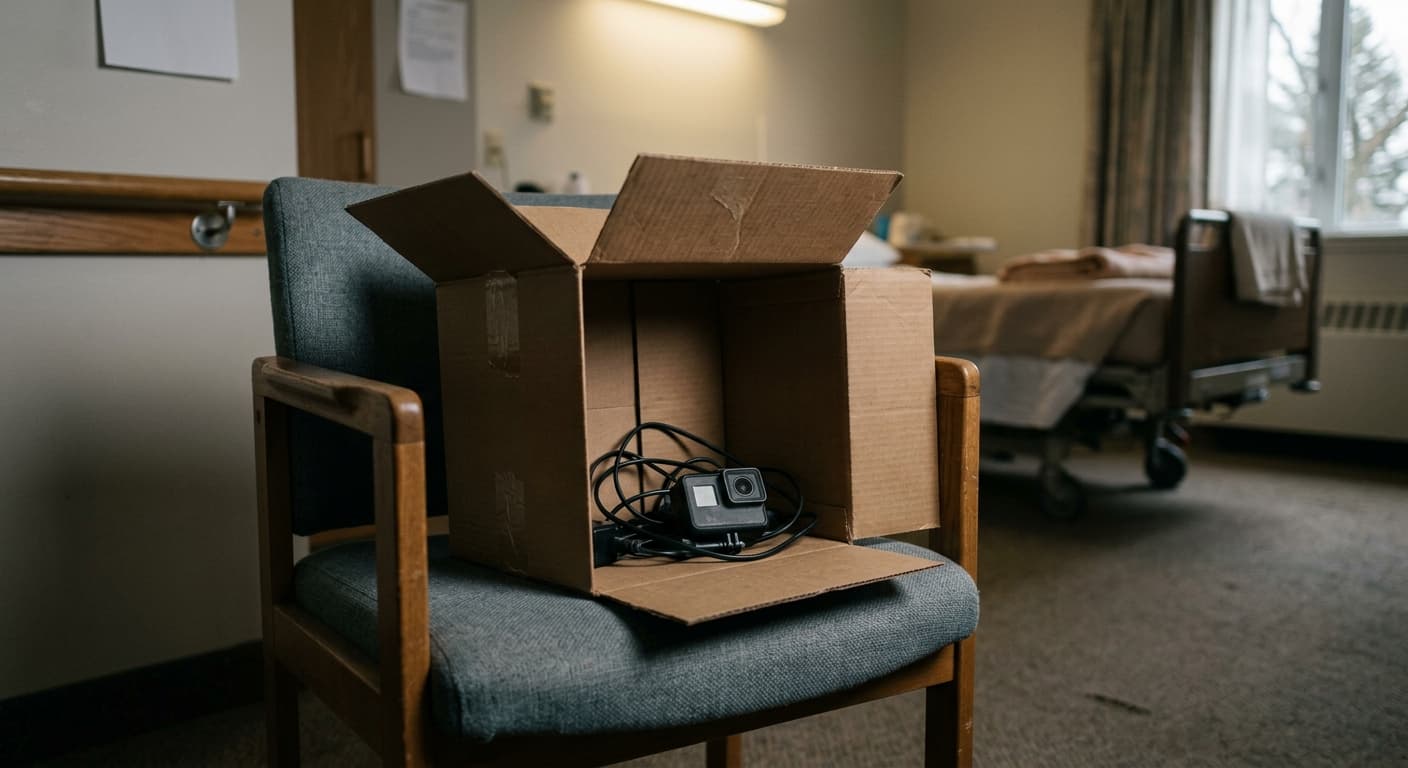
Vermont has no nursing home camera law and no general wiretap statute at all. See how federal law, the voyeurism statute, and facility policy apply instead.

Vermont bans operator and passenger drinking plus open containers under 23 V.S.A. 1134 and 1134a. See the for-hire/motor-home exemption and civil penalties.

Learn Vermont phone call recording laws. Federal one-party consent applies. Interstate rules for Massachusetts and New Hampshire. Penalties and evidence guide.
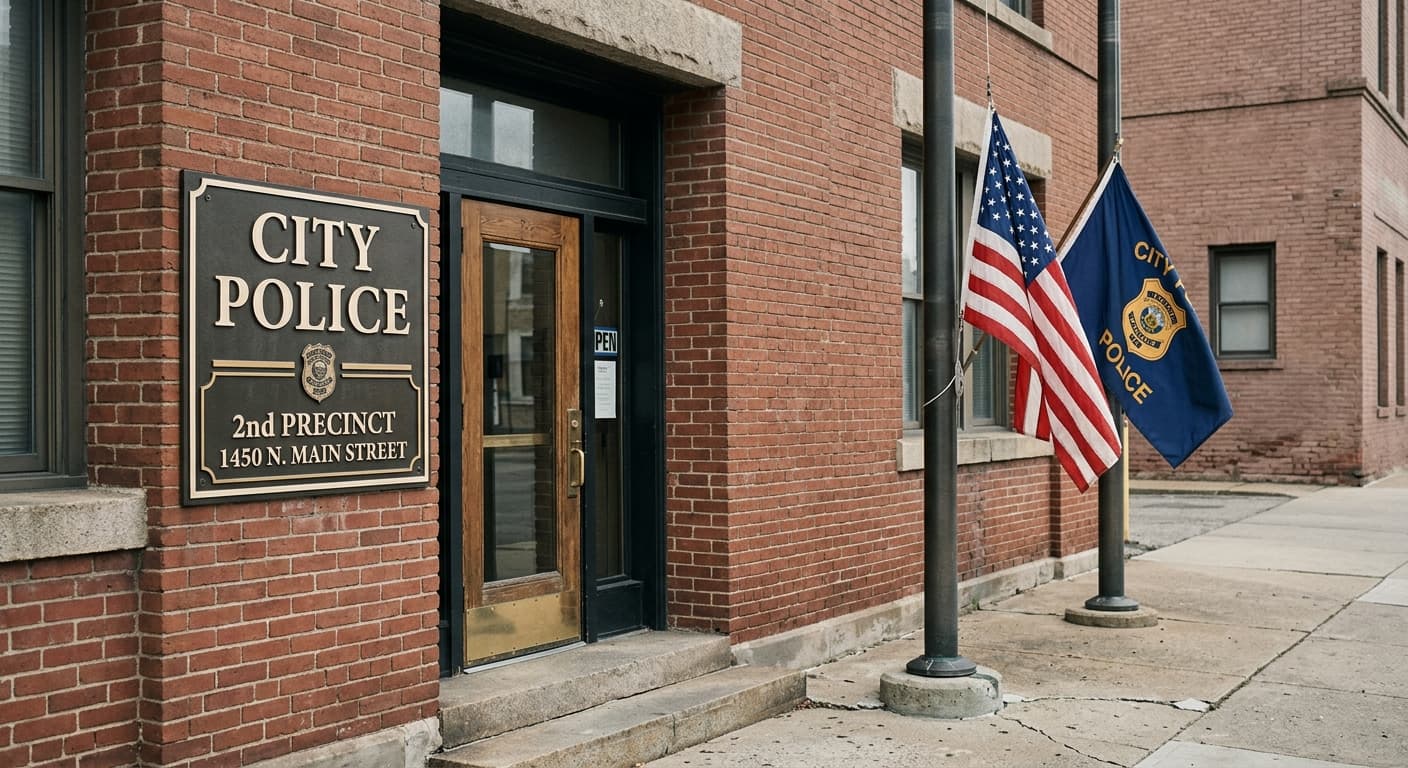
Vermont requires only State Police Field Force troopers to wear body cameras under 20 V.S.A. 1819, with no mandate for local departments.

How to request a Vermont crash report from state police or DMV, what fees apply, and why access runs through the general public records exemption.

Vermont has no general adult obscenity law or porn-site age check. See what's actually regulated: CSAM, minor-directed dissemination, and revenge porn.

Vermont power of attorney laws explained: 14 V.S.A. ch. 127 (UPOAA, eff. July 1, 2023) makes POAs durable by default, execution requires notary acknowledgment, 12 hot powers need express grants, and healthcare decisions require a separate Advance Directive under 18 V.S.A. ch. 231.

Vermont probate explained: Probate Division process, the $45,000 small estate threshold, intestate succession shares, and Vermont's own estate tax rules.

Vermont property records aren't filed by county. Learn which of the state's 247 town and city clerks to search for deeds, owners, and certified copies.