
Vermont
Vermont Laws on Recording Police
Independently fact-checked against primary sources (last audited August 15, 2026). · Reviewed by the RecordingLaw editorial team. · Law checked current as of August 15, 2026. · 3 primary sources cited on this page. How we verify our legal content
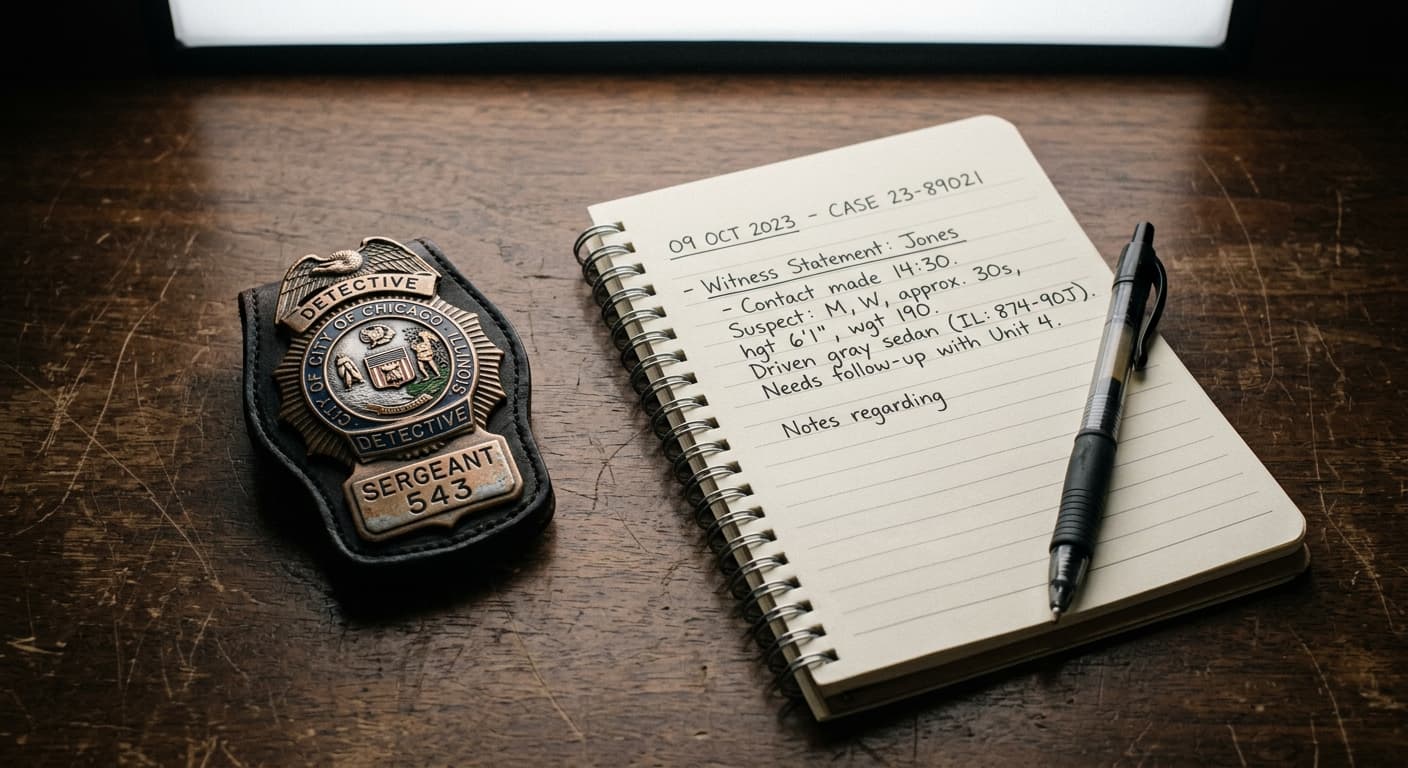
In Vermont, the First Amendment protects recording on-duty police officers in public spaces. Vermont sits in the Second Circuit, which has not issued a binding civilian ruling on this right. Federal one-party consent under 18 U.S.C. 2511 allows you to audio record your own police interactions.
Vermont residents have the right to record police performing their duties in public. The First Amendment provides the constitutional foundation. Federal one-party consent (18 U.S.C. 2511) allows you to audio record your own interactions with officers.
This guide covers your constitutional right to record, traffic stops, body cameras, and what to do if your rights are violated.
Constitutional Right to Record
The First Amendment protects recording police in public. Officers who seize devices or arrest people for recording face liability under 42 U.S.C. 1983.
Vermont is in the Second Circuit, not the First Circuit. The Second Circuit has not issued a published civilian ruling clearly establishing a First Amendment right to record on-duty police in public. Reyes v. City of New York (2d Cir. June 18, 2025) was a procedural certification to the New York Court of Appeals -- not a constitutional holding.
First Circuit decisions -- including Glik v. Cunniffe, 655 F.3d 78 (1st Cir. 2011), and Project Veritas Action Fund v. Rollins, 982 F.3d 813 (1st Cir. 2020) -- are persuasive sister-circuit authority only. They are not binding in Vermont federal courts.
When You Can Record
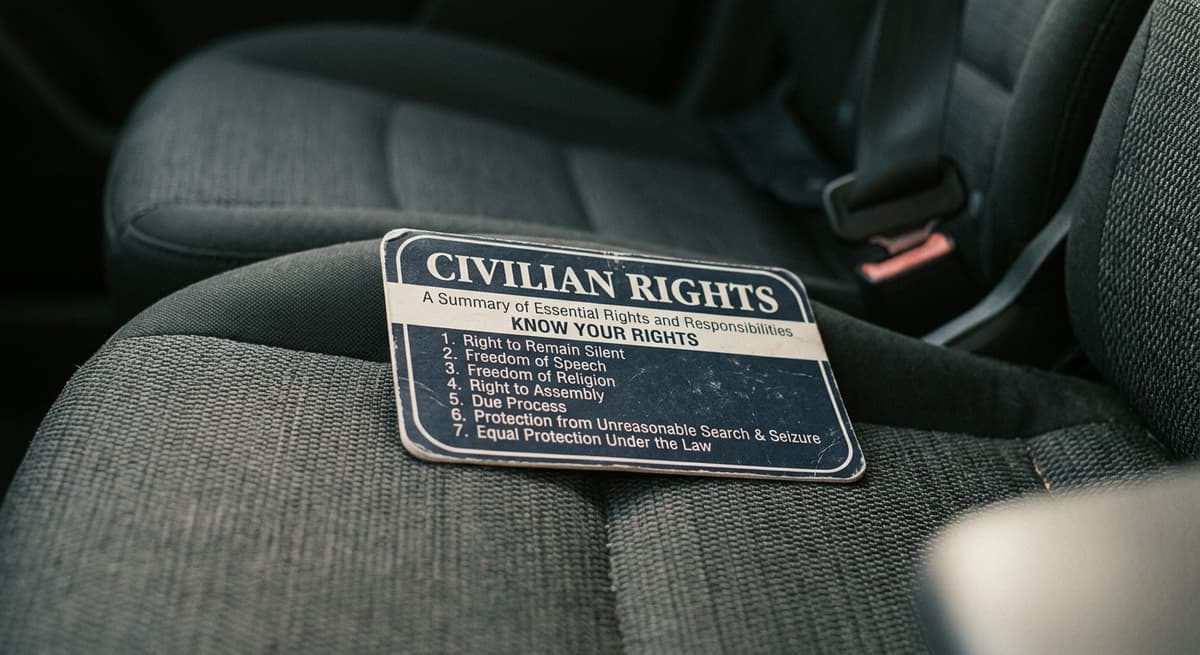
Traffic stops, arrests, police checkpoints, protests, government building interactions, and any public encounter. Maintain safe distance, do not interfere, do not trespass.
Body Camera Footage
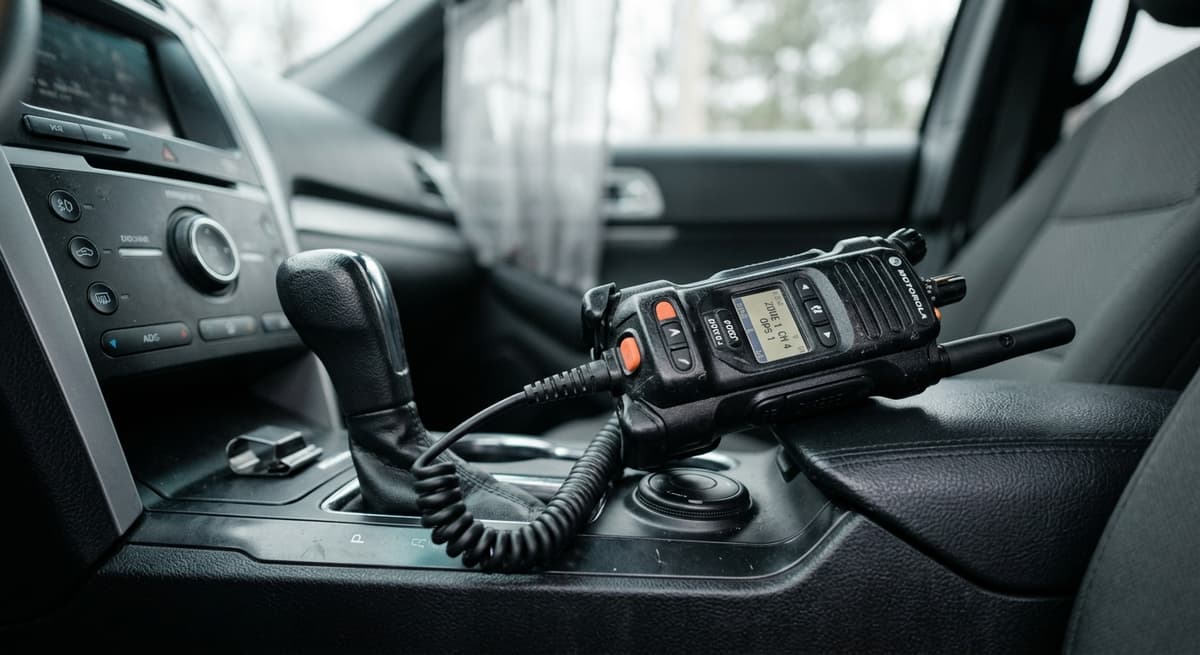
Vermont's body-worn camera framework operates under two statutes. 20 V.S.A. 1819 requires the Vermont State Police Field Force to equip officers with body cameras (effective October 2, 2020). 20 V.S.A. 2369 established a statewide policy through the Vermont Criminal Justice Council, effective January 1, 2022. Municipal departments follow the VCJC policy framework.
Access to footage runs through Vermont's Public Records Act (1 V.S.A. 315-320), with exemptions for ongoing investigations.
Open Meeting Law
Vermont's Open Meeting Law (1 V.S.A. 310-314) protects recording of public government meetings. Act 133 (2024) and Act 51 (2025) updated recording requirements.
What to Do If Rights Violated
- Remain calm, do not resist
- State your First Amendment right
- Document officer details
- Contact the ACLU of Vermont
- Consult an attorney about 42 U.S.C. 1983 claims
More Vermont Recording Laws
Audio Recording | Video Recording | Voyeurism & Hidden Cameras | Workplace Recording | Recording Police | Phone Call Recording | Security Cameras | Recording in Public | Landlord-Tenant | Dashcam Laws | Schools | Medical Recording
Back to Vermont Recording Laws
More Vermont Recording Topics
More Vermont Laws
Frequently Asked Questions
Can I record police officers in Vermont?
Yes. The First Amendment protects recording on-duty officers in public. Federal one-party consent also allows audio recording of your interactions with police.
Does Glik v. Cunniffe apply in Vermont?
No. Glik was decided by the First Circuit, which does not cover Vermont. Vermont is in the Second Circuit. Glik is persuasive authority but is not binding in Vermont federal courts.
Can police take my phone for recording them?
No. Under Riley v. California (2014), police need a warrant to search phones. State you do not consent and contact an attorney.
Can I record a traffic stop in Vermont?
Yes. Use a phone, dashcam, or any device. Keep hands visible and do not interfere with the stop.
Do Vermont police wear body cameras?
Vermont State Police are required to use body cameras under 20 V.S.A. 1819. A statewide policy covering all law enforcement agencies took effect January 1, 2022 under 20 V.S.A. 2369. Access to footage runs through the Public Records Act.
What if police order me to stop recording?
State your First Amendment right calmly. Do not resist. Document the interaction and contact an attorney about a 42 U.S.C. 1983 claim.
Updates
Fixed the KeyTakeaways line that wrongly said Riley v. California bars officers from confiscating a phone without a warrant (Riley actually requires a warrant to search a phone's contents, not to seize the device), and corrected two misrouted body-camera statute links (20 V.S.A. 1819 and 2369) that pointed to the wrong chapters.
Independently fact-checked against the cited primary sources; governing law re-checked for recent changes
Governing law re-checked for recent changes
Reviewed and approved by an editor
The Law Behind This Article
This article rests on the statutory provisions below, held in our own legal record and retrieved from the official source. Tap a section to read the operative text.
Vermont Statutes Annotated, Title 20: Internal Security and Public Safety, Chapter 111: General Provisions
§ 1819Equipment of officers with video recording devicesIn forcecited in 4 of our articles
The Department shall ensure that all members assigned to the Vermont State Police Field Force Division who routinely engage with members of the public related to the enforcement of laws are equipped with a body camera or other video recording device on his or her person. (Added 2019, No. 154 (Adj. Sess.), § E.209.1, eff. Oct. 2, 2020.)
Official text (excerpt) · last checked 2026-08-31 · Read the full text in our law library · Verify at legislature.vermont.gov
Also relied on in: Vermont Police Body Camera Laws: Mandate & Access, Vermont Recording Laws (2026): No Wiretap Statute, One-Party Default, Vermont Police Report: How to Get a Crash Report, Incident Report, or Body Camera Video
Vermont Statutes Annotated, Title 20: Internal Security and Public Safety, Chapter 151: Vermont Criminal Justice Council, Subchapter: GENERAL PROVISIONS
§ 2369Statewide policy; required use of body camera policyIn forcecited in 3 of our articles
(a)(1) On and after January 1, 2022, each law enforcement agency that authorizes its law enforcement officers to use body cameras shall adopt, follow, and enforce a model body camera policy established by the Council, and each law enforcement officer who uses a body camera shall comply with the provisions of that policy. (2) Until the date set forth in subdivision (1) of this subsection, each law enforcement agency that authorizes its law enforcement officers to use body cameras shall adopt, follow, and enforce the Model Body Worn Camera (BWC) Policy established by the Law Enforcement Advisory Board pursuant to 2016 Acts and Resolves No. 163, and each law enforcement officer who uses a body camera shall comply with the provisions of that policy. (b) The Council shall incorporate the provisions of this section into training it provides. (Added 2019, No. 166 (Adj. Sess.), § 13, eff. Oct. 1, 2020.)
Official text (excerpt) · last checked 2026-08-01 · Read the full text in our law library · Verify at legislature.vermont.gov
United States Code Title 18
§ 2511Interception and disclosure of wire, oral, or electronic communications prohibitedIn forcecited in 422 of our articles
Except as otherwise specifically provided in this chapter any person who— intentionally intercepts, endeavors to intercept, or procures any other person to intercept or endeavor to intercept, any wire, oral, or electronic communication; intentionally uses, endeavors to use, or procures any other person to use or endeavor to use any electronic, mechanical, or other device to intercept any oral communication when— such device is affixed to, or otherwise transmits a signal through, a wire, cable, or other like connection used in wire communication; or such device transmits communications by radio, or interferes with the transmission of such communication; or such person knows, or has reason to know, that such device or any component thereof has been sent through the mail or transported in interstate or foreign commerce; or such use or endeavor to use (A) takes place on the premises of any business or other commercial establishment the operations of which affect interstate or foreign commerce; or (B) obtains or is for the purpose of obtaining information relating to the operations of any business or other commercial establishment the operations of which affect interstate or foreign…
Official text (excerpt) · last checked 2026-09-17 · Read the full text in our law library · Verify at uscode.house.gov
Cited in 2,045 court opinions in our collectionLatest citing opinion in our collection: 2026
In the courts (editorial summary, independently checked):Griggs-Ryan v. Smith (1990) applied the Section 2511(2)(d) prior-consent exception, treating a tenant repeatedly told that all incoming calls were taped as having impliedly consented. United States v. United States District Court (1972) read the then-current Section 2511(3) as conferring no presidential surveillance power.
Opinions citing this section in our collection:
- Mitchell v. Forsyth (Supreme Court of the United States 1985, 472 U.S. 511)✓The Attorney General authorized a warrantless 1970 national security wiretap that caught the plaintiff's calls; the Court held the since-repealed Section 2511(3) disclaimer left the tap lawful under Title III, and that Mitchell had qualified immunity.
- United States v. United States District Court for the Eastern District of Michigan (Supreme Court of the United States 1972, 407 U.S. 297)✓The Attorney General approved warrantless wiretaps on members of a domestic group accused of bombing a CIA office; the Court read Section 2511(3) as a congressional disclaimer conferring no surveillance power, then held the Fourth Amendment required prior judicial approval.
- Forsyth v. Barr (Court of Appeals for the Fifth Circuit 1994, 19 F.3d 1527)✓Dallas police used, in an internal affairs probe of an officer, calls private parties allegedly intercepted illegally; assuming that was unlawful, the Fifth Circuit held Section 2517(1) and (2) allowed the disclosure and use, defeating the Section 2511(1)(c) and (d) claims.
Identified automatically from the court opinions citing this section — not a ranking of which case controls.
Also relied on in: Connecticut Recording Laws (2026): Hybrid Consent Rules Explained, Oregon Recording Laws (2026): Hybrid One-Party and All-Party Rules, US Recording Laws by State (2026): All 50 States Explained
United States Code Title 42
§ 1983Civil action for deprivation of rightsIn forcecited in 50 of our articles
Every person who, under color of any statute, ordinance, regulation, custom, or usage, of any State or Territory or the District of Columbia, subjects, or causes to be subjected, any citizen of the United States or other person within the jurisdiction thereof to the deprivation of any rights, privileges, or immunities secured by the Constitution and laws, shall be liable to the party injured in an action at law, suit in equity, or other proper proceeding for redress, except that in any action brought against a judicial officer for an act or omission taken in such officer’s judicial capacity, injunctive relief shall not be granted unless a declaratory decree was violated or declaratory relief was unavailable. For the purposes of this section, any Act of Congress applicable exclusively to the District of Columbia shall be considered to be a statute of the District of Columbia.
Official text (excerpt) · last checked 2026-09-16 · Read the full text in our law library · Verify at uscode.house.gov
Cited in 282,365 court opinions in our collectionLatest citing opinion in our collection: 2026
Opinions citing this section in our collection:
- Ashcroft v. Iqbal (Supreme Court of the United States 2009, 556 U.S. 662)“…its brought against state officials under Rev. Stat. §1979, 42 U. S. C. §1983.” Hartman, 547 U. S., at 254, n. 2. Cf.…”
- Celotex Corp. v. Catrett, Administratrix of the Estate of Catrett (Supreme Court of the United States 1986, 477 U.S. 317)“…policeman as she left. Petitioner brought an action under 42 U. S. C. § 1983 claiming that the refusal of service a…”
- Monell v. New York City Dept. of Social Servs. (Supreme Court of the United States 1978, 436 U.S. 658)“…decided less than two decades ago. Focusing new light on 42 U. S. C. § 1983 , that decision widened access to the f…”
Identified automatically from the court opinions citing this section — not a ranking of which case controls.
Also relied on in: Alabama Laws on Recording Police: Your Rights and Limits, Idaho Laws on Recording Police: Your Rights and Limitations (2026), South Dakota Laws on Recording Police
Search our full record of US law — 2.1 million sections, every state + federal →
Sources and References
- 18 U.S.C. 2511 -- Federal Wiretap Act(law.cornell.edu)
- 42 U.S.C. 1983 -- Civil Rights Action(law.cornell.edu)
- 20 V.S.A. 1819 -- State Police Body Camera Equipping(legislature.vermont.gov).gov
- 20 V.S.A. 2369 -- Statewide Body Camera Policy (VCJC)(legislature.vermont.gov).gov
- Vermont Open Meeting Law (1 V.S.A. 310-314)(legislature.vermont.gov).gov