
Vermont
Leyes sobre Grabar a la Policía en Vermont
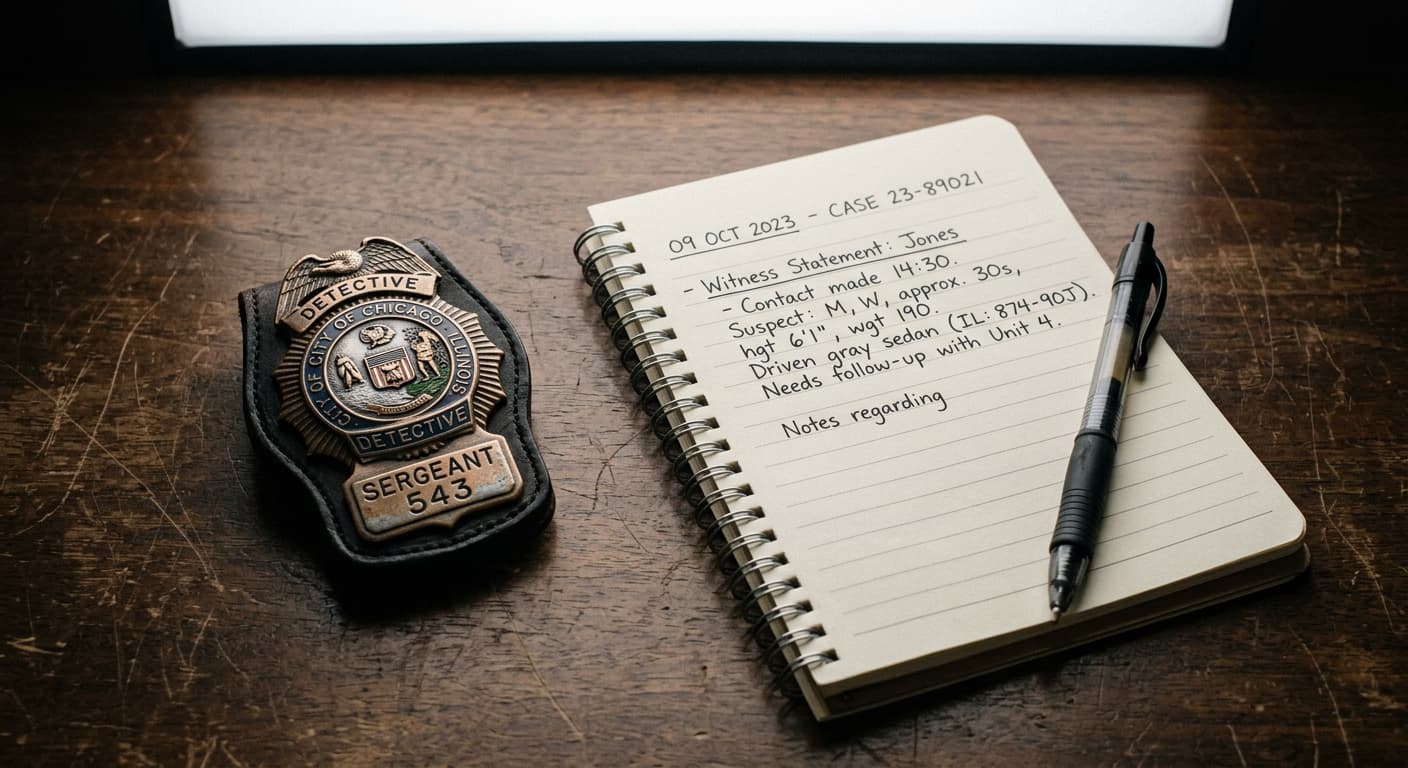
En Vermont, la Primera Enmienda protege la grabación de agentes de policía en servicio en espacios públicos. Vermont está en el Segundo Circuito, que reconoció ese derecho en Massimino v. Benoit (17 de agosto de 2026). El consentimiento de una sola parte federal bajo 18 U.S.C. 2511 le permite grabar en audio sus propias interacciones con la policía.
Los residentes de Vermont tienen el derecho de grabar a la policía mientras cumple sus deberes en público. La Primera Enmienda proporciona el fundamento constitucional. El consentimiento de una sola parte federal (18 U.S.C. 2511) le permite grabar en audio sus propias interacciones con los agentes.
Esta guía cubre su derecho constitucional a grabar, las paradas de tránsito, las cámaras corporales y que hacer si se violan sus derechos.
Derecho constitucional a grabar
La Primera Enmienda protege la grabación de la policía en público. Los agentes que de forma ilícita confiscan dispositivos o arrestan a personas por grabar pueden ser demandados bajo 42 U.S.C. 1983, pero pueden invocar la inmunidad calificada.

Vermont está en el Segundo Circuito, no en el Primer Circuito. En agosto de 2026, el Segundo Circuito, que abarca Connecticut, Nueva York y Vermont, se unió a los demás circuitos y sostuvo que la Primera Enmienda protege la grabación de la actividad policial en público, incluida la grabación del exterior de una estación de policía desde una acera pública (Massimino v. Benoit, No. 25-1104 (2do Cir. 17 de agosto de 2026)). Los agentes de ese caso aun así recibieron inmunidad calificada porque el derecho no estaba claramente establecido cuando ocurrió el arresto de 2018. Antes de eso, Reyes v. City of New York (2do Cir. 18 de junio de 2025) había certificado preguntas a la Corte de Apelaciones de Nueva York sin decidir la cuestión constitucional.
Ocho tribunales federales de apelaciones (los Circuitos Primero, Segundo, Tercero, Quinto, Séptimo, Noveno, Décimo y Undécimo) han sostenido ahora que la Primera Enmienda protege la grabación de agentes de policía que cumplen su trabajo en público, sujeto a límites razonables de tiempo, lugar y manera, y el Cuarto Circuito ha sostenido que transmitir en vivo una parada de tránsito policial es expresión protegida. La Corte Suprema no se ha pronunciado sobre la cuestión, y los Circuitos Sexto, Octavo y del Distrito de Columbia no han reconocido el derecho. Reconocer el derecho no equivale a que esté «claramente establecido» para una demanda por daños: los Circuitos Segundo, Tercero, Cuarto y Quinto lo reconocieron y, aun así, concedieron inmunidad calificada a los agentes por conductas anteriores.
Las decisiones del Primer Circuito (incluidas Glik v. Cunniffe, 655 F.3d 78 (1er Cir. 2011), y Project Veritas Action Fund v. Rollins, 982 F.3d 813 (1er Cir. 2020)) son autoridad persuasiva de un circuito hermano únicamente. No son vinculantes en los tribunales federales de Vermont.
Cuándo puede grabar
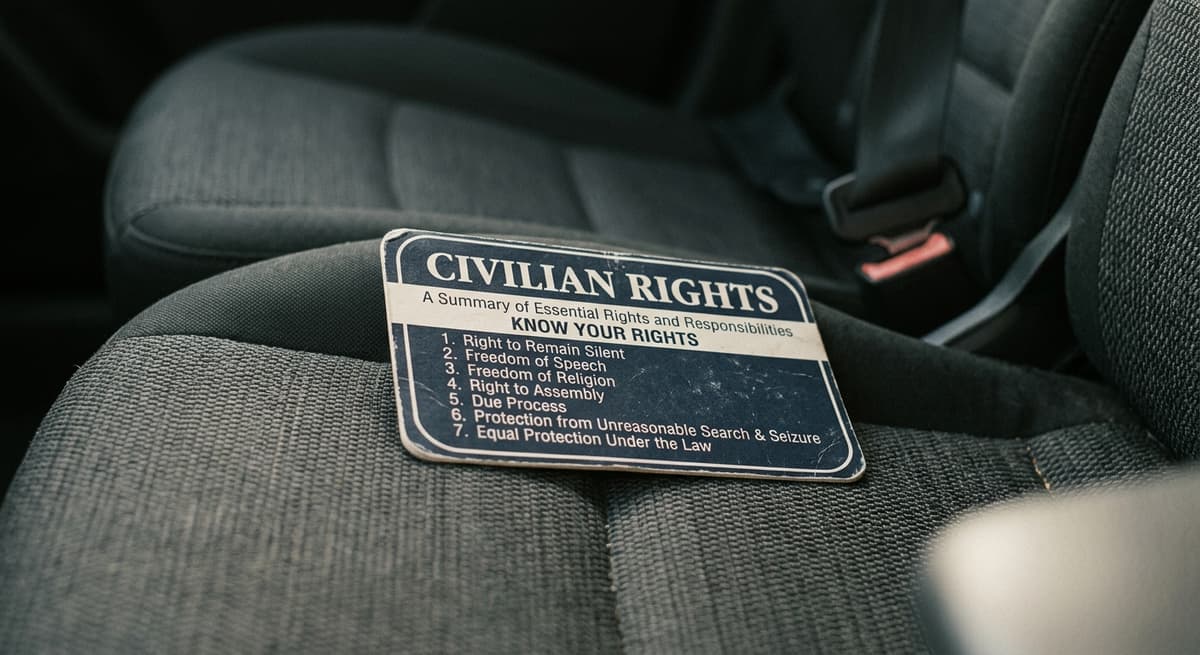
Paradas de tránsito, arrestos, puntos de control policial, protestas, edificios gubernamentales filmados desde aceras públicas y cualquier encuentro público. Mantenga una distancia segura, no interfiera, no invada propiedad ajena.
Imágenes de cámaras corporales
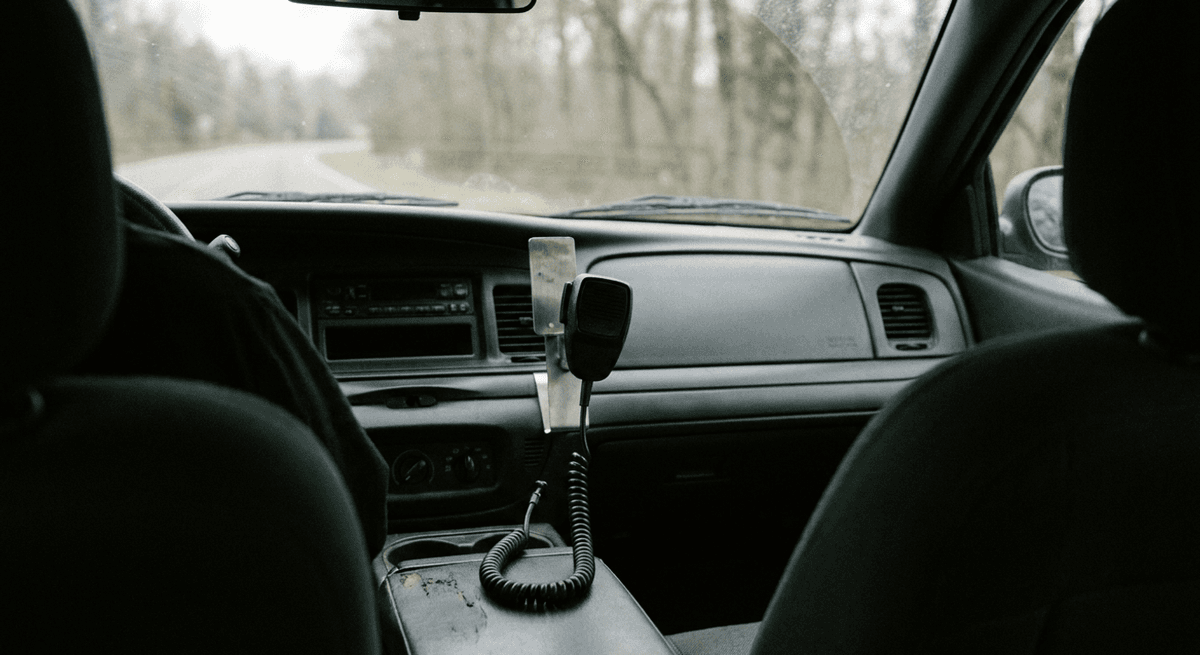
El marco de cámaras corporales de Vermont opera bajo dos leyes. 20 V.S.A. 1819 exige que los miembros de la División de Fuerza de Campo de la Policía Estatal de Vermont que tratan habitualmente con el público al hacer cumplir las leyes estén equipados con cámaras corporales (vigente desde el 2 de octubre de 2020). 20 V.S.A. 2369 exige que toda agencia del orden que autorice a sus agentes a usar cámaras corporales adopte, siga y haga cumplir la política modelo de cámaras corporales del Vermont Criminal Justice Council, a partir del 1 de enero de 2022. Los demás departamentos no están obligados a usar cámaras corporales.
El acceso a las imágenes se rige por la Ley de Registros Públicos de Vermont (1 V.S.A. 315-320), con exenciones para registros de investigaciones penales cuya divulgación pudiera, entre otras cosas, interferir con la aplicación de la ley, invadir la privacidad personal o poner en peligro a alguien (1 V.S.A. 317(c)(5)).
Ley de Reuniones Abiertas
La Ley de Reuniones Abiertas de Vermont (1 V.S.A. 310-314) exige que la mayoría de los órganos públicos estatales y municipales graben sus propias reuniones y publiquen las grabaciones durante al menos 30 días (1 V.S.A. 312, según la Ley 133 de 2024 y la Ley 51 de 2025). La ley no aborda por separado si el público puede grabar, aunque las reuniones abiertas no conllevan una expectativa de privacidad.
Qué hacer si se violan sus derechos
- Mantenga la calma, no se resista
- Declare su derecho de la Primera Enmienda
- Documente los datos del agente
- Comuníquese con la ACLU de Vermont
- Consulte a un abogado sobre reclamos bajo 42 U.S.C. 1983
Más leyes de grabación de Vermont
Grabación de Audio | Grabación de Video | Voyerismo y Cámaras Ocultas | Grabación en el Lugar de Trabajo | Grabación a la Policía | Grabación de Llamadas Telefónicas | Cámaras de Seguridad | Grabación en Público | Arrendador e Inquilino | Leyes de Cámaras de Tablero | Escuelas | Grabación Médica
Volver a Leyes de Grabación de Vermont
Más leyes de Vermont
- Leyes de Grabación de Reuniones con IA en Vermont
- Leyes de Pensión Alimenticia en Vermont
- Leyes de Empleo a Voluntad en Vermont
- Leyes de Accidentes de Auto en Vermont
- Leyes de Asientos Infantiles en Vermont
- Leyes de Custodia de Menores en Vermont
- Leyes de Manutención Infantil en Vermont
- Leyes de Matrimonio de Hecho en Vermont
- Leyes de Privacidad de Datos en Vermont
- Leyes de Deepfake en Vermont
- Leyes de Divorcio en Vermont
- Leyes de Mordeduras de Perro en Vermont
- Leyes de Emancipación en Vermont
- Leyes de Eliminación de Antecedentes en Vermont
- Leyes de Fuga tras Accidente en Vermont
- Leyes de Arrendador e Inquilino en Vermont
Más temas de grabación de Vermont
- Leyes de Grabación de Vermont
- Grabación de Audio en Vermont
- Grabación de Video en Vermont
- Grabación Médica en Vermont
- Grabación en Escuelas en Vermont
- Grabación en el Lugar de Trabajo en Vermont
- Grabación de Llamadas Telefónicas en Vermont
- Grabación con Cámaras de Seguridad en Vermont
- Grabación y Voyerismo en Vermont
- Grabación entre Arrendador e Inquilino en Vermont
- Grabación con Cámara de Tablero en Vermont
- Grabación en Público en Vermont
- Leyes de Privacidad Biométrica en Vermont
- Leyes de Cámaras de Vigilancia
Preguntas frecuentes
¿Puedo grabar a los agentes de policía en Vermont?
Sí. La Primera Enmienda protege la grabación de agentes en servicio en público, y el Segundo Circuito, que abarca Vermont, reconoció ese derecho en Massimino v. Benoit (17 de agosto de 2026). El consentimiento de una sola parte federal también permite grabar en audio sus interacciones con la policía.
¿Aplica Glik v. Cunniffe en Vermont?
No. Glik fue decidido por el Primer Circuito, que no cubre Vermont. Vermont está en el Segundo Circuito. Glik es autoridad persuasiva pero no es vinculante en los tribunales federales de Vermont. El Segundo Circuito llegó a una conclusión similar en Massimino v. Benoit (agosto de 2026), que sí es vinculante allí.
¿Puede la policía tomar mi teléfono por grabarla?
Bajo Riley v. California (2014), la policía generalmente necesita una orden judicial para registrar el contenido de su teléfono, aunque puede retener el teléfono mientras la obtiene. Riley no aborda las órdenes de eliminar una grabación. No se resista físicamente, declare que no consiente un registro y comuníquese con un abogado.
¿Puedo grabar una parada de tránsito en Vermont?
Sí. Use un teléfono, una cámara de tablero o cualquier dispositivo. Mantenga las manos a la vista y no interfiera con la parada.
¿Usan cámaras corporales los policías de Vermont?
Los miembros de la Fuerza de Campo de la Policía Estatal de Vermont que tratan habitualmente con el público deben estar equipados con cámaras corporales bajo 20 V.S.A. 1819. Las demás agencias no están obligadas a usar cámaras corporales, pero desde el 1 de enero de 2022 toda agencia que las use debe seguir la política modelo del Vermont Criminal Justice Council bajo 20 V.S.A. 2369. El acceso a las imágenes se rige por la Ley de Registros Públicos.
¿Qué pasa si la policía me ordena dejar de grabar?
Declare su derecho de la Primera Enmienda con calma. No se resista. Documente la interacción y comuníquese con un abogado sobre un reclamo bajo 42 U.S.C. 1983. Los agentes pueden invocar la inmunidad calificada como defensa.
Actualizaciones
We narrowed the description of the State Police body-camera mandate to Field Force members who deal with the public, the public-records exemption for police investigation records, and the government-building recording example.
Updated the page for the Second Circuit's August 2026 Massimino v. Benoit ruling recognizing a First Amendment right to record police in public, and corrected the descriptions of Riley v. California (a warrant is needed to search a phone, not to hold it), qualified immunity, the body-camera policy statute and the Open Meeting Law.
Fixed the KeyTakeaways line that wrongly said Riley v. California bars officers from confiscating a phone without a warrant (Riley actually requires a warrant to search a phone's contents, not to seize the device), and corrected two misrouted body-camera statute links (20 V.S.A. 1819 and 2369) that pointed to the wrong chapters.
La ley detrás de este artículo
Este artículo se apoya en las disposiciones legales a continuación, conservadas en nuestro propio registro jurídico y obtenidas de la fuente oficial. Toque una sección para leer el texto vigente.
Vermont Statutes Annotated, Title 20: Internal Security and Public Safety, Chapter 111: General Provisions
§ 1819Equipment of officers with video recording devicesVigentecitada en 4 de nuestros artículos
The Department shall ensure that all members assigned to the Vermont State Police Field Force Division who routinely engage with members of the public related to the enforcement of laws are equipped with a body camera or other video recording device on his or her person. (Added 2019, No. 154 (Adj. Sess.), § E.209.1, eff. Oct. 2, 2020.)
Texto oficial (extracto) · verificado el 2026-08-31 · Lea el texto completo en nuestra biblioteca legal · Verifique en legislature.vermont.gov
Vermont Statutes Annotated, Title 20: Internal Security and Public Safety, Chapter 151: Vermont Criminal Justice Council, Subchapter: GENERAL PROVISIONS
§ 2369Statewide policy; required use of body camera policyVigentecitada en 3 de nuestros artículos
(a)(1) On and after January 1, 2022, each law enforcement agency that authorizes its law enforcement officers to use body cameras shall adopt, follow, and enforce a model body camera policy established by the Council, and each law enforcement officer who uses a body camera shall comply with the provisions of that policy. (2) Until the date set forth in subdivision (1) of this subsection, each law enforcement agency that authorizes its law enforcement officers to use body cameras shall adopt, follow, and enforce the Model Body Worn Camera (BWC) Policy established by the Law Enforcement Advisory Board pursuant to 2016 Acts and Resolves No. 163, and each law enforcement officer who uses a body camera shall comply with the provisions of that policy. (b) The Council shall incorporate the provisions of this section into training it provides. (Added 2019, No. 166 (Adj. Sess.), § 13, eff. Oct. 1, 2020.)
Texto oficial (extracto) · verificado el 2026-08-01 · Lea el texto completo en nuestra biblioteca legal · Verifique en legislature.vermont.gov
United States Code Title 18
§ 2511Interception and disclosure of wire, oral, or electronic communications prohibitedVigentecitada en 441 de nuestros artículos
Except as otherwise specifically provided in this chapter any person who— intentionally intercepts, endeavors to intercept, or procures any other person to intercept or endeavor to intercept, any wire, oral, or electronic communication; intentionally uses, endeavors to use, or procures any other person to use or endeavor to use any electronic, mechanical, or other device to intercept any oral communication when— such device is affixed to, or otherwise transmits a signal through, a wire, cable, or other like connection used in wire communication; or such device transmits communications by radio, or interferes with the transmission of such communication; or such person knows, or has reason to know, that such device or any component thereof has been sent through the mail or transported in interstate or foreign commerce; or such use or endeavor to use (A) takes place on the premises of any business or other commercial establishment the operations of which affect interstate or foreign commerce; or (B) obtains or is for the purpose of obtaining information relating to the operations of any business or other commercial establishment the operations of which affect interstate or foreign…
Texto oficial (extracto) · verificado el 2026-09-17 · Lea el texto completo en nuestra biblioteca legal · Verifique en uscode.house.gov
Citada en 2,045 resoluciones judiciales de nuestra colecciónResolución más reciente que la cita en nuestra colección: 2026
En los tribunales (resumen editorial, verificado de forma independiente):Griggs-Ryan v. Smith (1990) aplicó la excepción de consentimiento previo de la Sección 2511(2)(d) y consideró que un inquilino advertido repetidamente de que se grababan todas las llamadas entrantes había consentido de forma implícita. United States v. United States District Court (1972) leyó la entonces vigente Sección 2511(3) como una norma que no confería al presidente poder de vigilancia.
Resoluciones que citan esta sección en nuestra colección:
- Mitchell v. Forsyth (Supreme Court of the United States 1985, 472 U.S. 511)✓El Procurador General autorizó en 1970 una escucha telefónica sin orden judicial por seguridad nacional que captó las llamadas del demandante; la Corte sostuvo que la exención ya derogada de la Sección 2511(3) dejaba la escucha lícita bajo el Título III y reconoció inmunidad calificada a Mitchell.
- United States v. United States District Court for the Eastern District of Michigan (Supreme Court of the United States 1972, 407 U.S. 297)✓El Procurador General aprobó escuchas sin orden judicial a miembros de un grupo estadounidense acusado de dinamitar una oficina de la CIA; la Corte interpretó la Sección 2511(3) como una renuncia del Congreso que no confiere poder de vigilancia y sostuvo que la Cuarta Enmienda exigía aprobación judicial previa.
- Forsyth v. Barr (Court of Appeals for the Fifth Circuit 1994, 19 F.3d 1527)✓La policía de Dallas usó, en una investigación de asuntos internos sobre una agente, llamadas que unos particulares habrían interceptado ilegalmente; suponiendo que fuera ilícito, el Quinto Circuito sostuvo que la Sección 2517(1) y (2) permitía esa divulgación y ese uso, derrotando los reclamos bajo la Sección 2511(1)(c) y (d).
Identificado automáticamente a partir de las opiniones judiciales que citan esta sección; no es un ranking de qué caso prevalece.
También citada en: Leyes de Luisiana sobre Grabación con Lentes Inteligentes (2026), Leyes de Michigan sobre Grabación con Lentes Inteligentes (2026), Leyes de Grabación de Luisiana (2026): Reglas de Consentimiento de Una Sola Parte
United States Code Title 42
§ 1983Civil action for deprivation of rightsVigentecitada en 52 de nuestros artículos
Every person who, under color of any statute, ordinance, regulation, custom, or usage, of any State or Territory or the District of Columbia, subjects, or causes to be subjected, any citizen of the United States or other person within the jurisdiction thereof to the deprivation of any rights, privileges, or immunities secured by the Constitution and laws, shall be liable to the party injured in an action at law, suit in equity, or other proper proceeding for redress, except that in any action brought against a judicial officer for an act or omission taken in such officer’s judicial capacity, injunctive relief shall not be granted unless a declaratory decree was violated or declaratory relief was unavailable. For the purposes of this section, any Act of Congress applicable exclusively to the District of Columbia shall be considered to be a statute of the District of Columbia.
Texto oficial (extracto) · verificado el 2026-09-16 · Lea el texto completo en nuestra biblioteca legal · Verifique en uscode.house.gov
Citada en 282,365 resoluciones judiciales de nuestra colecciónResolución más reciente que la cita en nuestra colección: 2026
Resoluciones que citan esta sección en nuestra colección:
- Ashcroft v. Iqbal (Supreme Court of the United States 2009, 556 U.S. 662)“…its brought against state officials under Rev. Stat. §1979, 42 U. S. C. §1983.” Hartman, 547 U. S., at 254, n. 2. Cf.…”
- Celotex Corp. v. Catrett, Administratrix of the Estate of Catrett (Supreme Court of the United States 1986, 477 U.S. 317)“…policeman as she left. Petitioner brought an action under 42 U. S. C. § 1983 claiming that the refusal of service a…”
- Monell v. New York City Dept. of Social Servs. (Supreme Court of the United States 1978, 436 U.S. 658)“…decided less than two decades ago. Focusing new light on 42 U. S. C. § 1983 , that decision widened access to the f…”
Identificado automáticamente a partir de las opiniones judiciales que citan esta sección; no es un ranking de qué caso prevalece.
Fuentes y referencias
- 18 U.S.C. 2511 -- Ley Federal de Escuchas Telefónicas(law.cornell.edu)
- 42 U.S.C. 1983 -- Acción de Derechos Civiles(law.cornell.edu)
- 20 V.S.A. 1819 -- Equipamiento de Cámaras Corporales de la Policía Estatal(legislature.vermont.gov).gov
- 20 V.S.A. 2369 -- Política Modelo de Cámaras Corporales para Agencias que Usan Cámaras Corporales (VCJC)(legislature.vermont.gov).gov
- Ley de Reuniones Abiertas de Vermont (1 V.S.A. 310-314)(legislature.vermont.gov).gov
- Massimino v. Benoit, No. 25-1104 (2do Cir. 17 de agosto de 2026)(ww3.ca2.uscourts.gov).gov