
Vermont
How to Find a Cause of Death in Vermont (2026)
Independently fact-checked against primary sources (last audited June 14, 2026). · 5 primary sources cited on this page. How we verify our legal content
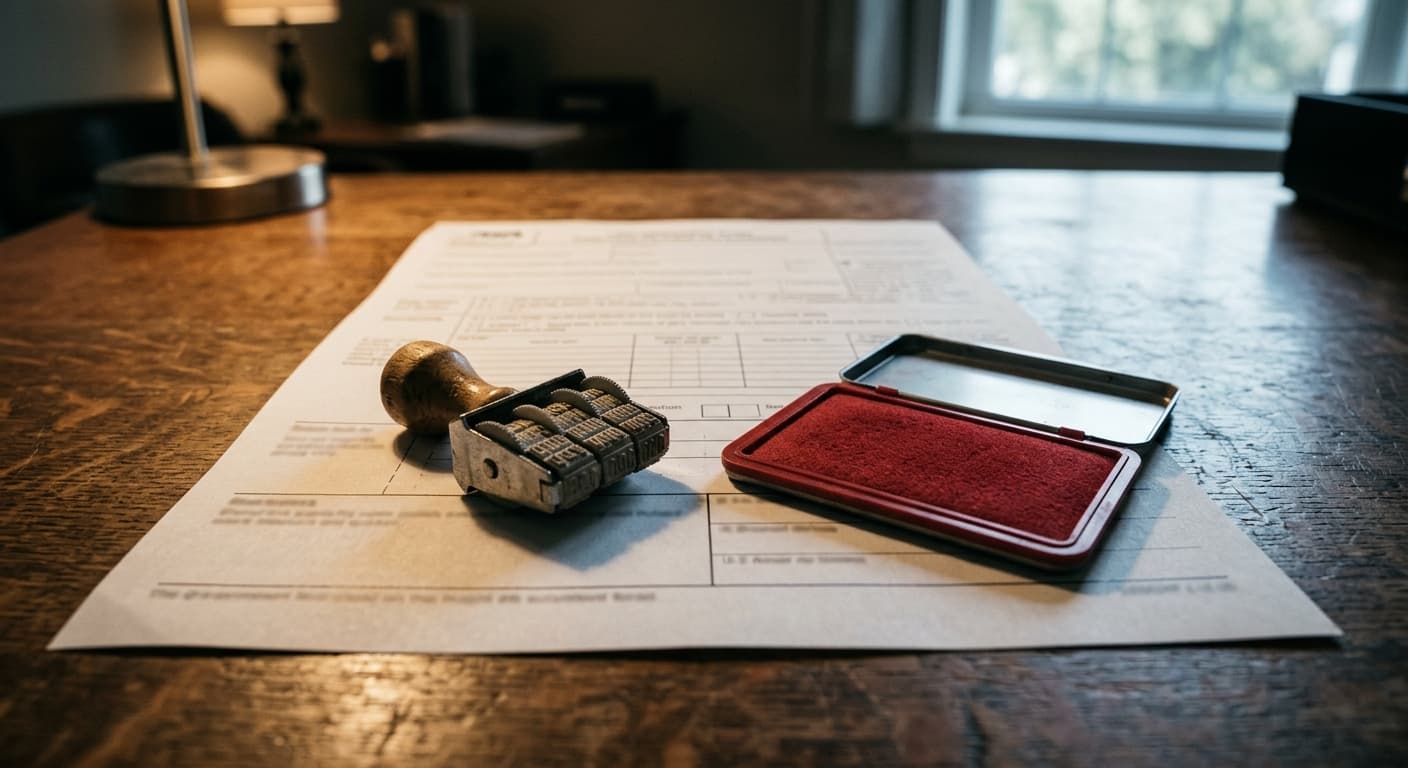
Vermont records a cause of death on the death certificate, certified by a physician, physician assistant, or advanced practice nurse. Because Vermont is an open-record state, anyone may obtain a noncertified copy that shows the cause of death. You can also find it in an obituary or, for next of kin, an autopsy report.
How Do You Find Someone's Cause of Death in Vermont?
You find someone's cause of death in Vermont by obtaining a copy of their death certificate, which records the certified medical cause. Because Vermont is an open-record state, anyone may request a noncertified copy that displays this information.
The fastest and most direct route is to order a noncertified copy from a Vermont town or city clerk that acts as an issuing agent, or through the state Vital Records Office. This copy is free and is available to the general public.
Other common routes include reading the published obituary or newspaper notice, which often summarizes the cause in plain language. For deaths investigated by the medical examiner, the legal next-of-kin or the personal representative can request the autopsy report.
For older or historical deaths, you can search the state vital records index and request the record once it is on file. Each of these routes is explained in more detail below.
Is the Cause of Death Public in Vermont?
Yes. The cause of death is part of the public death record in Vermont because the state treats vital records as open. Under Title 18, Chapter 101 of the Vermont Statutes, there is no general restriction on public access to death records.

This is unusual. Many states seal the cause of death or limit the full certificate to family members for a set number of years. Vermont does not impose that kind of confidentiality window on the death record itself.
The practical distinction is between two kinds of copies. A noncertified (informational) copy is printed on plain paper with a watermark, shows the cause of death, and is available to anyone.
A certified copy is printed on security paper with a raised seal and is accepted for legal purposes such as settling an estate or claiming benefits. Certified copies are limited to eligible parties, but the cause-of-death information itself is the same on both versions.
For a broader overview of how states treat this information, see Are Cause of Death Records Public?.
Where the Cause of Death Is Recorded
The cause of death is recorded in two main places: the death certificate and, when an investigation occurs, the medical examiner's autopsy report. These are separate documents with different access rules.
On the death certificate
The death certificate is the primary source. A physician, physician assistant, naturopathic physician, or advanced practice registered nurse completes and certifies the cause-of-death section, listing the immediate cause and any underlying conditions.
This is the document you will use for almost every purpose, from genealogy to insurance. Both the noncertified and certified versions display the certified cause of death.
In the medical examiner's autopsy report
When the Office of the Chief Medical Examiner investigates a death, it may perform an autopsy. The resulting report contains detailed findings, toxicology results, and the examiner's determination of cause and manner of death.
Autopsy reports are far more detailed than the certificate, but they are confidential. They are released with the written consent of the legal next-of-kin or the personal representative and, in cases tied to a criminal investigation, are controlled by the State's Attorney.
How to Request Records That Show the Cause of Death
You request records that show the cause of death through the Vermont Department of Health Vital Records Office, a town or city clerk, or, for autopsy reports, the Office of the Chief Medical Examiner. The right office depends on which document you need.

Order a death certificate
For the death certificate, the fastest and cheapest option is to visit a Vermont town or city clerk in person. A noncertified copy is free; a certified copy costs $10. Most town and city clerks act as issuing agents, but a clerk may opt out by filing written notice with the State Registrar (18 V.S.A. § 5000(d)), so call ahead if you are unsure.
You can also order a certified copy online at secure.vermont.gov/VSARA/vitalrecords for $10 plus a $2 processing fee, with delivery by standard mail in about 5 to 7 business days. Mail-in applications are accepted as well. Certified copies require valid identification and are limited to eligible parties such as family members, legal representatives, and the funeral home.
Request an autopsy report
For an autopsy report, the legal next-of-kin or the personal representative must submit a Statement of Next of Kin form to the Office of the Chief Medical Examiner. The Office publishes an order of next-of-kin priority that begins with the parents or legal guardians if the decedent was an unemancipated minor, then the spouse by marriage or civil union, then the children.
These reports can take weeks to several months to finalize because of laboratory and toxicology testing. Families are often advised to review the technical findings with a physician.
Finding the Cause of Death for Older or Historical Deaths
For older or historical Vermont deaths, you find the cause of death through the state vital records index and the Vermont State Archives and Records Administration (VSARA). Vermont's open-record approach makes these records broadly accessible.

VSARA maintains a searchable index of births and deaths registered from 1909 to the present, updated regularly. You can use the index to confirm a record exists, then order a copy that shows the cause of death.
The Vermont Department of Health Vital Records Office holds records from 1909 forward, while earlier records are held by the State Archives. Town and city clerks may also hold local copies of older vital events.
For genealogical research, the cause of death recorded on a historical certificate is the most reliable primary source. Newspaper obituaries from the period can supplement it with context.
| Question | Vermont |
|---|---|
| Is the cause of death public? | Yes. Vermont is an open-record state (18 V.S.A. Ch. 101). |
| Who can access it? | Anyone may get a noncertified copy; certified copies are limited to eligible parties. |
| Where is it recorded? | The death certificate (certified by a medical provider) and any medical examiner autopsy report. |
| Main source | Vermont Department of Health Vital Records Office and town or city clerks. |
Disclaimer: This page provides general information, not legal advice. Access rules, fees, and forms can change. Confirm the current requirements with the Vermont Department of Health Vital Records Office, your town or city clerk, or the Office of the Chief Medical Examiner before you rely on them.
Sources
This page draws on the Vermont Department of Health, the Vermont Office of the Chief Medical Examiner, the Vermont Secretary of State (VSARA), and the Vermont Statutes.
Up: Vermont Death Records | Hub: Death Records by State
Frequently Asked Questions
How do I find someone's cause of death in Vermont?
Order a copy of the death certificate, which records the certified cause of death. Because Vermont is an open-record state, anyone may obtain a free noncertified copy from a town or city clerk or the state Vital Records Office. Obituaries and, for next of kin, autopsy reports are additional sources.
Is the cause of death public record in Vermont?
Yes. Vermont treats vital records as open under Title 18, Chapter 101 of its statutes, so the cause of death on the death certificate is part of the public record. Anyone may obtain a noncertified copy that displays it, although certified copies are limited to eligible parties.
How can I find out how a relative died in Vermont?
Start with the death certificate, which lists the certified cause of death, and the published obituary. If the Office of the Chief Medical Examiner investigated the death, the legal next-of-kin or the personal representative can request the more detailed autopsy report by submitting a Statement of Next of Kin form.
Does the death certificate show the cause of death in Vermont?
Yes. A physician, physician assistant, naturopathic physician, or advanced practice registered nurse certifies the cause-of-death section of the Vermont death certificate. Both noncertified and certified copies display this information.
How do I get a cause of death for an old death?
Search the Vermont vital records index, which covers deaths registered from 1909 to the present, then order a copy of the record. Records from 1909 forward are held by the Vermont Department of Health, and earlier records are held by the Vermont State Archives.
Can anyone find out a cause of death in Vermont?
Yes, for the death certificate. Vermont's open-record law lets anyone obtain a noncertified copy showing the cause of death. The medical examiner's autopsy report is the exception: it is confidential and is released only with the written consent of the legal next-of-kin or the personal representative.
Updates
Clarified that a Vermont town clerk may opt out of issuing vital record copies, and that medical examiner reports are released with the written consent of the legal next of kin or the personal representative.
Independently fact-checked against the cited primary sources
The Law Behind This Article
This article rests on the statutory provisions below, held in our own legal record and retrieved from the official source. Tap a section to read the operative text.
Vermont Statutes Annotated, Title 18: Health, Chapter 101: Vital Records Generally
§ 5016Birth and death certificates; copies; inspectionIn forcecited in 3 of our articles
(a) Access and issuance generally. (1) Except as provided in subdivisions (2) and (3) of this subsection: (A) only the State Registrar and issuing agents may issue certified copies of birth and death certificates registered before July 1, 2019, and such certificates shall only be issued from the Statewide Registration System; and (B) only the State Registrar and issuing agents may issue certified or noncertified copies of birth and death certificates registered on or after July 1, 2019, and such certificates shall only be issued from the Statewide Registration System. (2) Copies of birth and death certificates registered prior to January 1, 1909 shall not be issued from the Statewide Registration System. Any town clerk may issue a certified copy of a pre-1909 birth or death certificate, provided he or she fulfills the requirements of subsection (b) of this section and such additional requirements as the State Registrar may prescribe as necessary to track antifraud paper used to produce such copies.
Official text (excerpt) · last checked 2026-09-04 · Read the full text in our law library · Verify at legislature.vermont.gov
Also relied on in: Vermont Death Records: Are They Public + How to Get Them, How to Get a Vermont Death Certificate (2026)
Search our full record of US law — 2.1 million sections, every state + federal →
Sources and References
- Order Vital Records - Vermont Department of Health(healthvermont.gov).gov
- Office of the Chief Medical Examiner: Records and Reports - Vermont Department of Health(healthvermont.gov).gov
- Death Investigation Systems - Vermont Department of Health(healthvermont.gov).gov
- The Vermont Statutes Online, Title 18, Chapter 101(legislature.vermont.gov).gov
- Vital Records - Vermont State Archives and Records Administration(sos.vermont.gov).gov
- 18 V.S.A. § 5000 - Statewide Registration System; town clerks as issuing agents(legislature.vermont.gov)