
Alabama
Alabama School Recording Laws: Rules for Students, Parents, and Teachers
Independently fact-checked against primary sources (last audited August 15, 2026). · Reviewed by the RecordingLaw editorial team. · Law checked current as of August 9, 2026. · 7 primary sources cited on this page. How we verify our legal content

Under Ala. Code 13A-11-30, Alabama is a one-party consent state, so students and parents who participate in a school conversation may record it without notifying others. FERPA protects student education records but does not broadly prohibit recording, and individual school districts may impose their own campus recording policies.
Recording in Alabama schools is governed by a combination of state eavesdropping laws, federal student privacy protections, and individual school district policies. Alabama's one-party consent rule under Ala. Code 13A-11-30 allows students, parents, and teachers to record conversations they participate in. However, school administrators have broad authority to regulate conduct on campus, and many Alabama school districts have adopted policies that restrict recording.
This guide covers Alabama school recording laws in 2026, including student and parent rights, teacher recording rules, IEP meeting recording, surveillance cameras in schools, and how FERPA affects recording in educational settings.
Alabama Law and Recording in Schools
One-Party Consent Applies
Alabama's one-party consent law does not contain a specific exception for schools. Under Ala. Code 13A-11-30, any person who is a participant in a conversation can legally record it without informing other participants. This applies in school settings just as it does everywhere else in the state.
However, the right to record under state law does not override a school's authority to regulate student conduct and maintain order on campus. Schools can impose consequences for recording that violates district policy, even when the recording is technically legal under Alabama's eavesdropping statutes.
School District Recording Policies
Many Alabama school districts have adopted specific policies regarding recording on campus. Common provisions include:
- Prohibiting students from using electronic devices during class time
- Restricting audio and video recording without permission from a teacher or administrator
- Banning recording in certain sensitive areas (counselor's offices, administrative meetings)
- Requiring written consent before recording other students
- Restricting the sharing or distribution of recordings made on campus
These policies are enforceable through school disciplinary procedures. A student who violates a no-recording policy may face consequences ranging from confiscation of the device to suspension, depending on the severity of the violation and the district's code of conduct.
Student Recording Rights
Can Students Record Teachers and Classmates?
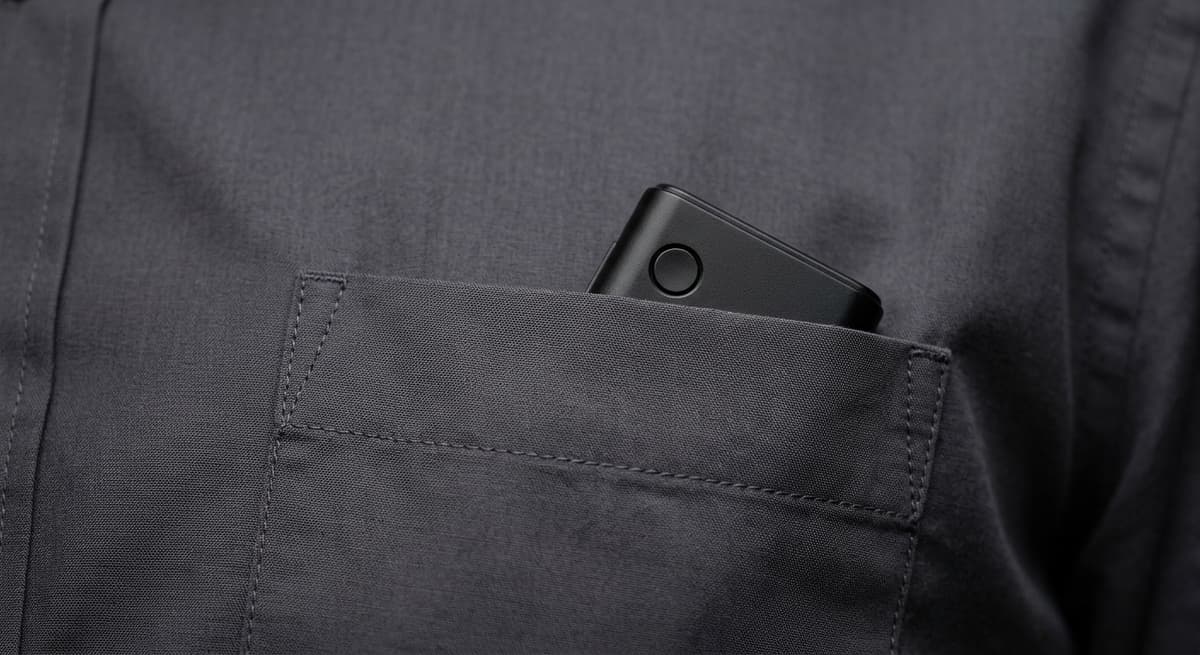
Under Alabama's one-party consent law, a student who is participating in a classroom discussion or a conversation with a teacher can legally record that interaction. However:
- During instructional time: Most school districts restrict electronic device use during class, which effectively prohibits recording during lessons
- Outside of class: Students have more freedom to record conversations they participate in during lunch, passing periods, and before or after school
- With consent of a teacher: Some teachers allow students to record lectures for study purposes
Recording Bullying and Harassment
Students who experience bullying or harassment may use recordings to document the behavior. Under one-party consent, a student can record a conversation where they are being bullied as long as they are a participant. This recording can serve as evidence when reporting to school administrators or law enforcement.
Alabama's anti-bullying law (Ala. Code 16-28B-4) requires all public school districts to adopt policies that prohibit bullying, harassment, violence, and threats of violence. A recording documenting bullying can support a complaint under these policies.
Recording for Students With Disabilities
Students with disabilities may have additional considerations related to recording. Some students may need to record lectures as a reasonable accommodation under Section 504 of the Rehabilitation Act or the Individuals with Disabilities Education Act (IDEA). If recording is identified as a necessary accommodation in a student's IEP or 504 plan, the school must allow it regardless of general no-recording policies.
Parent Recording Rights
Recording Conversations With School Staff
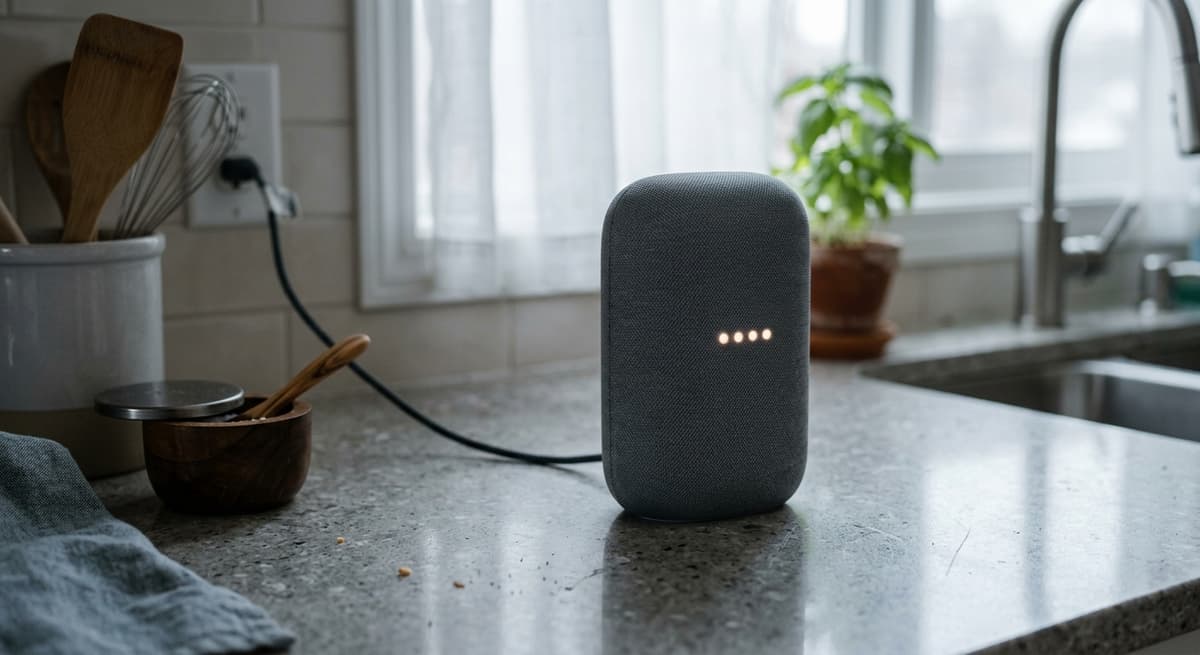
Alabama parents can record their conversations with teachers, administrators, counselors, and other school staff under one-party consent. This includes:
- Parent-teacher conferences where the parent is present
- Meetings with the principal about disciplinary issues
- Phone calls with school staff about academic or behavioral concerns
- Enrollment and registration discussions
- Conversations about special education services
Parents do not need to inform school staff that they are recording.
Recording IEP Meetings
One of the most common questions parents ask is whether they can record Individualized Education Program (IEP) meetings. The answer in Alabama is yes.
The U.S. Department of Education has stated that there is no federal law that prohibits parents from recording IEP meetings. Alabama's one-party consent law supports this right, as the parent is a participant in the meeting.
Key points about recording IEP meetings in Alabama:
- Schools cannot require parents to agree not to record as a condition of participating in the IEP meeting
- Schools may have their own recording policies, and some districts ask that parents provide advance notice of their intent to record
- If the school objects to recording, the parent still has the legal right to record under Alabama's one-party consent law
- Both parents and schools can record the meeting, as each is a participant
- The recording becomes a personal record, not part of the student's education record under FERPA
Recording School Board Meetings
Alabama's Open Meetings Act (Ala. Code 36-25A-1 et seq.) requires school board meetings to be open to the public. Parents and community members can generally record these public meetings, including audio and video.
Teacher Recording Rights

Can Teachers Record Students?
Teachers who participate in classroom conversations and interactions can record them under one-party consent. However, teachers should:
- Follow their district's recording policy, which may require administrative approval before recording students
- Consider FERPA implications if the recording captures student education information
- Be aware of parental concerns about their children being recorded at school
- Avoid recording in areas where students expect privacy, such as restrooms or changing areas
Recording for Professional Protection
Teachers sometimes record interactions to protect themselves against false allegations. Under one-party consent, a teacher can record:
- Conversations with students about disciplinary matters
- Meetings with parents
- Interactions with administrators about employment issues
- Conversations with colleagues about work-related concerns
Recording for Instructional Purposes
Teachers who record their own lessons for professional development or to share with absent students are generally on solid legal ground. The teacher is a participant in the classroom discussion and consents to the recording. Some districts require notification or consent from parents before recording students, particularly for recordings that will be shared or posted online.
FERPA and Recording in Schools
What FERPA Protects
The Family Educational Rights and Privacy Act (FERPA) protects student education records, which include records that are directly related to a student and maintained by the school or an agent of the school. FERPA requires schools to get written consent from parents (or eligible students over 18) before disclosing education records.
What FERPA Does Not Do
FERPA does not broadly prohibit recording in schools. Specifically:
- FERPA does not prevent parents from recording their own IEP meetings
- FERPA does not prevent students from recording conversations they participate in
- FERPA does not make it illegal to photograph or film in school common areas
- FERPA does not override Alabama's one-party consent law
However, recordings that capture sensitive student information (grades, disciplinary records, special education status of other students) may create FERPA concerns if shared publicly. Parents and students should be careful about distributing recordings that contain other students' private educational information.
School Security Cameras
Surveillance Camera Use in Alabama Schools
Alabama public schools commonly use security cameras throughout their campuses. These cameras are typically placed in:
- Hallways and corridors
- Entrances and exits
- Parking lots and bus loading areas
- Cafeterias and common areas
- Gymnasiums and auditoriums
- Stairwells and outdoor gathering areas
Where School Cameras Should Not Be Placed
Ala. Code 13A-11-32 (criminal surveillance) applies only when someone is trespassing in a private place, and a school district installing cameras on its own campus generally is not trespassing. Even so, schools should avoid placing security cameras in areas where students and staff have a reasonable expectation of privacy:
- Restrooms and bathrooms
- Locker rooms and changing areas
- Showers
- Private counseling rooms (during counseling sessions)
- Nursing or health rooms where students undress for examination
A hidden camera installed in any of these areas for the purpose of sexual gratification would violate the more serious offense of aggravated criminal surveillance under Ala. Code 13A-11-32.1, regardless of who owns the property.
Audio Recording by School Cameras
If school security cameras record audio, they must comply with Alabama's one-party consent law. In common areas where conversations are not private, audio recording is less restricted. However, audio recording of student and staff conversations in areas where they might discuss private matters raises both legal and ethical concerns.
Penalties for Illegal Recording in Schools
Recording in a school that violates Alabama law carries the same penalties as recording in any other setting:
| Offense | Statute | Classification | Maximum Penalty |
|---|---|---|---|
| Criminal eavesdropping | 13A-11-31 | Class A misdemeanor | 1 year in jail, $6,000 fine |
| Criminal surveillance | 13A-11-32 | Class B misdemeanor | 6 months in jail, $3,000 fine |
| Aggravated criminal surveillance | 13A-11-32.1 | Class C felony | 10 years in prison, $15,000 fine |
| Installing eavesdropping device | 13A-11-33 | Class C felony | 10 years in prison, $15,000 fine |
In addition to criminal penalties, students may face school disciplinary consequences for recording that violates school policy, even when the recording does not violate state law.
Alabama Recording Laws by Topic
Phone Call Recording | Audio Recording | Video Recording | Workplace Recording | Recording Police | Security Cameras | Recording in Public | Landlord-Tenant | Dashcam Laws | Schools | Medical Recording | Voyeurism Laws
Back to Alabama Recording Laws
More Alabama Recording Topics
More Alabama Laws
- Alabama AI Meeting Recording Laws
- Alabama Dashcam Laws
- Alabama Data Privacy Laws
- Alabama Deepfake Laws
- Alabama Employee Monitoring Laws
- Alabama GPS Tracking Laws
- Alabama Police Bodycam Laws
- Alabama Smart Glasses Recording Laws
Frequently Asked Questions
Can a student record a teacher in Alabama?
Under Alabama's one-party consent law (Ala. Code 13A-11-30), a student participating in a classroom conversation can legally record it. However, most school districts have policies restricting electronic device use and recording during school hours. Violating these policies can result in school disciplinary action.
Can parents record IEP meetings in Alabama?
Yes. Parents can record IEP meetings under Alabama's one-party consent law because they are participants in the meeting. The U.S. Department of Education has confirmed that no federal law prohibits parents from recording IEP meetings. Schools cannot require parents to agree not to record as a condition of attending.
Can schools have security cameras in Alabama?
Yes. Alabama schools can install security cameras in hallways, entrances, parking lots, cafeterias, and other common areas. Schools should avoid placing cameras in restrooms, locker rooms, or other areas where students have a reasonable expectation of privacy. A hidden camera installed in those areas for sexual gratification would violate Ala. Code 13A-11-32.1 (aggravated criminal surveillance), which does not require trespass.
Does FERPA prevent recording in Alabama schools?
No. FERPA protects student education records from unauthorized disclosure, but it does not broadly prohibit recording in schools. Parents can record their own meetings with school staff, and students can record conversations they participate in. However, recordings containing other students' private educational information should not be shared publicly.
Can a teacher record students in the classroom in Alabama?
Under one-party consent, a teacher who participates in classroom discussions can record them. However, teachers should follow their district's recording policy, which may require administrative approval. Teachers should also consider FERPA implications if the recording captures student education information.
Updates
Corrected a mischaracterized case citation about civil remedies for illegal recording, replaced two dead federal/state agency links with current sources, and added the eavesdropping-device penalty row that the page's own changelog said had been added but was missing from the table.
Independently fact-checked against the cited primary sources
Governing law re-checked for recent changes
Corrected an overstated claim that Ala. Code 13A-11-32 flatly bars school security cameras in restrooms/locker rooms: that statute requires trespassing in a private place, which a school does not do on its own campus. The applicable statute for a hidden camera installed for sexual gratification is the aggravated criminal surveillance offense, Ala. Code 13A-11-32.1.
Governing law re-checked for recent changes
Propagated hub refresh to schools spoke. Replaced Justia commercial-codifier links with alison.legislature.state.al.us. Added 13A-11-33 (Class C felony for installing eavesdropping device) to penalty overview. Added civil cause of action note: Title 13A Chapter 11 Article 2 has no standalone statutory civil remedy; school/parent plaintiffs may have a federal civil claim under ECPA's civil remedy provision, 18 U.S.C. 2520, and Alabama common-law invasion of privacy may apply depending on the facts. Confirmed FERPA does not broadly prohibit all recording by parents or participants attending meetings.
Reviewed and approved by an editor
The Law Behind This Article
This article rests on the statutory provisions below, held in our own legal record and retrieved from the official source. Tap a section to read the operative text.
Code of Alabama 1975, Title 13A: Criminal Code.
§ 13A-11-31Criminal Eavesdropping.In forcecited in 18 of our articles
(a) A person commits the crime of criminal eavesdropping if he intentionally uses any device to eavesdrop, whether or not he is present at the time. (b) Criminal eavesdropping is a Class A misdemeanor.
Official text (excerpt) · last checked 2026-09-23 · Read the full text in our law library · Verify at alison.legislature.state.al.us
Cited in 4 court opinions in our collectionLatest citing opinion in our collection: 2007
Opinions citing this section in our collection:
- Stinson v. Larson (Court of Civil Appeals of Alabama 2004, 893 So. 2d 462)“…rding of the minor child's telephone conversations violated Ala. Code 1975, § 13A-11-31 (a), which prohibits the use of any dev…”
- Lawson v. Shelby County Sheriff's Office (Court of Civil Appeals of Alabama 2007, 961 So. 2d 158)“…office but also state law prohibiting eavesdropping, see Ala.Code 1975, § 13A-11-31, 1 Chief Deputy Samaniego recommended…”
- Glazner v. Glazner (Court of Appeals for the Eleventh Circuit 2003, 347 F.3d 1212)“…ade wiretapping of the sort in which James engaged a crime. Ala.Code § 13A-11-31 (1994); O.C.G.A. § 16-11-62 (1999); Fl…”
Identified automatically from the court opinions citing this section — not a ranking of which case controls.
Also relied on in: Alabama Phone Call Recording Laws: What You Need to Know, Alabama Audio Recording Laws: Consent Rules and Penalties, Alabama Smart Glasses Recording Laws
§ 13A-11-30Definitions.In forcecited in 22 of our articles
The following definitions apply to this article: (1) EAVESDROP. To overhear, record, amplify or transmit any part of the private communication of others without the consent of at least one of the persons engaged in the communication, except as otherwise provided by law. (2) PRIVATE PLACE. A place where one may reasonably expect to be safe from casual or hostile intrusion or surveillance, but such term does not include a place to which the public or a substantial group of the public has access. (3) SURVEILLANCE. Secret observation of the activities of another person for the purpose of spying upon and invading the privacy of the person observed.
Official text (excerpt) · last checked 2026-07-29 · Read the full text in our law library · Verify at alison.legislature.state.al.us
Cited in 5 court opinions in our collectionLatest citing opinion in our collection: 2024
Opinions citing this section in our collection:
- Stinson v. Larson (Court of Civil Appeals of Alabama 2004, 893 So. 2d 462)“…ons Privacy Act of 1986, 18 U.S.C. §§ 2510 et seq., and Ala. Code 1975, §§ 13A-11-30 and 13A-11-31 (a). We note that the f…”
- Ages Group, LP v. Raytheon Aircraft Co., Inc. (District Court, M.D. Alabama 1998, 22 F. Supp. 2d 1310)“…f at least one of the persons engaged in the communication. Ala. Code § 13A-11-30 (1994). Alabama Code § 13A-11-32, prohi…”
- Bartnicki v. Vopper (Supreme Court of the United States 2001, 532 U.S. 514)“…[1] See 18 U. S. C. § 2511 (1) (1994 ed. and Supp. V); Ala. Code § 13A-11-30 et seq. (1994); Alaska Stat. Ann. §…”
Identified automatically from the court opinions citing this section — not a ranking of which case controls.
Also relied on in: One-Party Consent States: Complete 2026 Guide, Alabama Dashcam Laws: Legality, Mounting Rules, and Evidence Use, Alabama Landlord-Tenant Recording Laws: Rights for Renters and Property Owners
§ 13A-11-32Criminal Surveillance.In forcecited in 14 of our articles
(a) A person commits the crime of criminal surveillance if he intentionally engages in surveillance while trespassing in a private place. (b) Criminal surveillance is a Class B misdemeanor.
Official text (excerpt) · last checked 2026-08-31 · Read the full text in our law library · Verify at alison.legislature.state.al.us
Cited in 2 court opinions in our collectionLatest citing opinion in our collection: 2026
Opinions citing this section in our collection:
- Ages Group, LP v. Raytheon Aircraft Co., Inc. (District Court, M.D. Alabama 1998, 22 F. Supp. 2d 1310)“…rvation from a public street” does not violate the statute. Ala.Code § 13A-11-32, Commentary. However, AGES argues that…”
- United States v. Watkins (Court of Appeals for the Tenth Circuit 2026)“…ohibit the conduct in this case are noted in bold. Ala. Code § 13A-11-32;1 Ala. Code § 13A-11-32.1;2 Ariz. Rev.…”
Identified automatically from the court opinions citing this section — not a ranking of which case controls.
Also relied on in: Alabama Recording Laws (2026): One-Party Consent Rules, Alabama Voyeurism Laws: Hidden Cameras, Penalties, and Victim Rights, Alabama Workplace Recording Laws: Employee and Employer Rights
§ 13A-11-32.1Aggravated Criminal Surveillance.In forcecited in 13 of our articles
(a) A person commits the crime of aggravated criminal surveillance if he or she intentionally engages in surveillance of an individual in any place where the individual being observed has a reasonable expectation of privacy, without the prior express or implied consent of the individual being observed, for the purpose of sexual gratification. (b) Aggravated criminal surveillance is a Class C felony. (c) The statute of limitations begins at the time of discovery of the surveillance.
Official text (excerpt) · last checked 2026-07-29 · Read the full text in our law library · Verify at alison.legislature.state.al.us
Cited in 1 court opinions in our collectionLatest citing opinion in our collection: 2026
Opinions citing this section in our collection:
- United States v. Watkins (Court of Appeals for the Tenth Circuit 2026)“…is case are noted in bold. Ala. Code § 13A-11-32;1 Ala. Code § 13A-11-32.1;2 Ariz. Rev. Stat. Ann. § 13- 1424;2 Ar…”
Identified automatically from the court opinions citing this section — not a ranking of which case controls.
Also relied on in: Alabama Security Camera Laws: Rules for Homes and Businesses, Alabama Video Recording Laws: What Is Legal and What Is Not, Alabama Ring Doorbell Laws: What You Need to Know in 2026
Code of Alabama 1975, Title 36: Public Officers and Employees.
§ 36-25A-1Purpose; Open Meetings Requirement; Short Title.In forcecited in 2 of our articles
(a) It is the policy of this state that the deliberative process of governmental bodies shall be open to the public during meetings as defined in Section 36-25A-2(6). Except for executive sessions permitted in Section 36-25A-7(a) or as otherwise expressly provided by other federal or state laws or statutes, all meetings of a governmental body shall be open to the public and no meetings of a governmental body may be held without providing notice pursuant to the requirements of Section 36-25A-3. No executive sessions are required by this chapter to be held under any circumstances. Serial meetings or electronic communications shall not be utilized to circumvent any of the provisions of this chapter. (b) This chapter shall be known and may be cited as the “Alabama Open Meetings Act.”
Official text (excerpt) · last checked 2026-07-29 · Read the full text in our law library · Verify at alison.legislature.state.al.us
Cited in 10 court opinions in our collectionLatest citing opinion in our collection: 2024
Opinions citing this section in our collection:
- Wilson v. City Council of the City of Saraland, 1091509 (Ala. 4-15-2011) (Supreme Court of Alabama 2011, 72 So. 3d 1190)“…olated various provisions of the Alabama Open Meetings Act, Ala.Code 1975, § 36-25A-1 et seq. Wilson requested r…”
- Pizzato v. Alabama Educational Television Commission (Supreme Court of Alabama 2013, 151 So. 3d 283)“…30 , 119 L.Ed.2d 351 (1992), on the Open Meetings Act, Ala.Code 1975, § 36-25A-1 et seq., would effectively neuter the A…”
- Health Care Authority for Baptist Health v. Davis (Supreme Court of Alabama 2013, 158 So. 3d 397)“…subject to the provisions of the Alabama Open Meetings Act, Ala.Code 1975, § 36-25A-1 et seq. See Ala.Code 1975, § 22-21-316(…”
Identified automatically from the court opinions citing this section — not a ranking of which case controls.
Also relied on in: Alabama Laws on Recording in Public: What You Can and Cannot Film
Search our full record of US law — 2.1 million sections, every state + federal →
Sources and References
- Alabama Code of Alabama(alison.legislature.state.al.us).gov
- Ala. Code 13A-11-30 - Definitions(law.justia.com)
- FERPA - U.S. Department of Education(www2.ed.gov).gov
- IDEA(sites.ed.gov).gov
- Section 504 of the Rehabilitation Act - U.S. Department of Education(ed.gov).gov
- Ala. Code 36-25A-1 - Open Meetings Act (Code of Alabama)(alison.legislature.state.al.us).gov
- Ala. Code 13A-11-30 - Definitions (Offenses Against Privacy)(alison.legislature.state.al.us).gov
- Ala. Code 13A-11-32 - Criminal Surveillance(alison.legislature.state.al.us).gov