
California
Leyes de Atropello y Fuga en California: Penas y Que Hacer
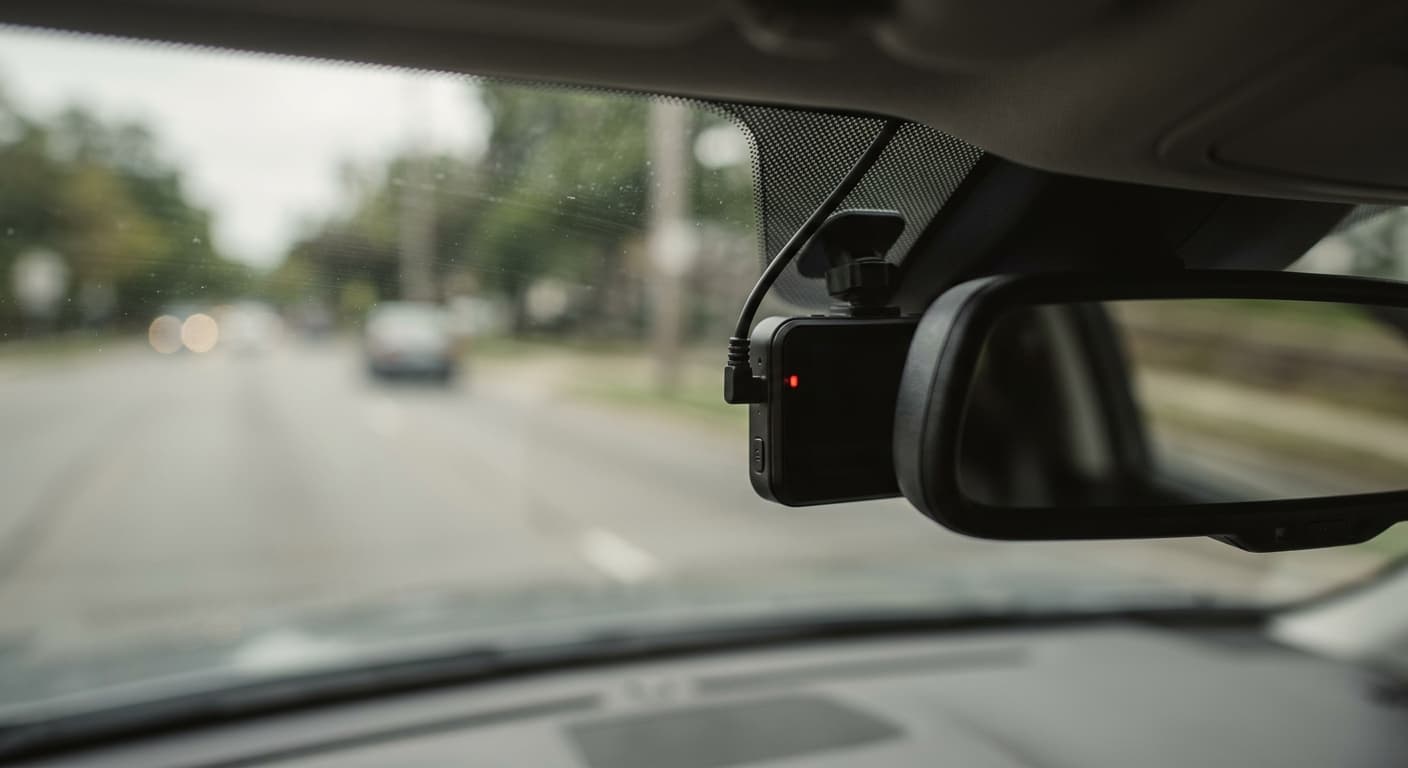
California clasifica el atropello y fuga como delito menor bajo el Cal. Veh. Code 20002 cuando solo hay daños materiales, sancionado con hasta 6 meses de cárcel y una multa de $1,000. Cuando un accidente causa lesión o muerte, el Cal. Veh. Code 20001 eleva la infracción a un "wobbler", con hasta 4 años de prisión estatal.
¿Herido en un atropello y fuga? Si el conductor que lo choco huyó o no tenía seguro, su propia cobertura de motorista sin seguro o con seguro insuficiente (UM/UIM) puede pagar su reclamo por lesiones. Calcule cuanto podría valer con nuestra Calculadora Gratuita de Indemnización por Accidente de Auto en California.
Leyes de Atropello y Fuga en California (Guía 2026)
Resumen Rápido: Leyes de Atropello y Fuga en California
- Solo daños materiales: delito menor, hasta 6 meses de cárcel, multa de hasta $1,000
- Lesión involucrada: infracción wobbler (delito menor o delito grave), hasta 4 años de prisión
- Muerte o lesión grave: delito grave, mínimo de 90 días, hasta 4 años de prisión, multa de $1,000 a $10,000
- DUI con atropello y fuga: 5 años adicionales consecutivos si la víctima muere
- Plazo de prescripción: 2 años para reclamos civiles

Estadísticas de Atropello y Fuga en California
Los choques por atropello y fuga han alcanzado niveles de crisis en California, particularmente en las grandes ciudades. Las cifras pintan un panorama preocupante:
- 50% de los accidentes de tránsito en Los Angeles son atropellos y fugas, comparado con el 11% a nivel nacional
- Solo entre el 8% y el 12% de los conductores que se dan a la fuga en LA son detenidos alguna vez
- 4 de cada 5 casos graves de atropello y fuga como delito grave quedan sin resolver
- 3,807 muertes por tránsito ocurrieron en California en 2024
- 7,148 peatones murieron atropellados por conductores a nivel nacional en 2024
Estas estadísticas subrayan por que la ley de California impone penas severas a los conductores que huyen del lugar de un accidente.
Código Vehicular 20001: El Atropello y Fuga como Delito Grave Explicado
El término "atropello y fuga como delito grave" es algo engañoso. California clasifica el atropello y fuga con lesión como un delito "wobbler", lo que significa que los fiscales pueden acusarlo como delito menor o delito grave según las circunstancias.
Para obtener una condena bajo el Código Vehicular 20001, los fiscales deben probar cuatro elementos más allá de toda duda razonable:
- Usted conducía un vehículo involucrado en un accidente
- El accidente causó lesión o muerte a otra persona
- Usted sabía, o razonablemente debería haber sabido, que estaba en un accidente que hirió a alguien
- Usted deliberadamente no se detuvo, no presto asistencia, ni intercambio información
El deber de detenerse aplica sin importar quien causó el accidente. Aunque el otro conductor haya tenido toda la culpa, usted igual debe detenerse y cumplir con sus obligaciones legales.
Sus Deberes Legales en el Lugar de los Hechos
Las Secciones 20003 y 20004 del Código Vehicular de California describen sus obligaciones específicas tras cualquier accidente:
- Detenerse de inmediato en el lugar de los hechos o lo más cerca posible con seguridad
- Proporcionar su nombre, dirección y registro del vehículo a la otra parte
- Mostrar su licencia de conducir si se lo solicitan (u otra identificación válida si no tiene licencia)
- Prestar asistencia razonable a cualquier persona herida
- Notificar a la policía o a la Patrulla de Caminos de California si el accidente involucra muerte o lesión
Para accidentes con solo daños materiales, usted puede mover su vehículo para evitar bloquear el tráfico. Para accidentes con lesión o muerte, no mueva su vehículo a menos que la policía o el personal de emergencia se lo indique.
Que Sucede Cuando Usted Abandona el Lugar de los Hechos
Si usted abandona el lugar de un accidente sin cumplir con sus deberes legales, las consecuencias dependen de la gravedad del accidente.
Solo daños materiales (Código Vehicular 20002): abandonar el lugar de los hechos es un delito menor. Si no puede localizar al dueño del vehículo, debe dejar una nota escrita en un lugar visible de la propiedad dañada. La nota debe incluir su nombre, dirección y una breve descripción de lo ocurrido. También debe reportar el accidente a la policía local o a la CHP sin demora innecesaria.
La Sección 20002 del Código Vehicular establece:
"Dejar en un lugar visible del vehículo u otra propiedad dañada un aviso escrito que indique el nombre y la dirección del conductor y del dueño del vehículo involucrado, junto con una declaración de las circunstancias, y notificar sin demora innecesaria al departamento de policía de la ciudad donde ocurrió la colisión o, si la colisión ocurrió en territorio no incorporado, a la oficina local del Departamento de la Patrulla de Caminos de California."
¿Cuándo el Atropello y Fuga se Convierte en Delito Grave?
Un atropello y fuga se convierte en un posible delito grave cuando el accidente causa lesión o muerte. Los fiscales consideran varios factores al decidir si presentar cargos de delito grave:
- La gravedad de las lesiones sufridas por la víctima
- Si el accidente resultó en lesión permanente o muerte
- Su historial penal
- Evidencia de intoxicación o conducción temeraria
- Si usted intento regresar o contactar a las autoridades
Actos Intencionales y Cargos Adicionales
Si el atropello y fuga resultó de ira al volante o conducta intencional, los fiscales pueden presentar cargos adicionales, incluyendo homicidio vehicular y asalto con arma mortal. Si usted estaba intoxicado y causó una muerte, puede enfrentar cargos de homicidio culposo vehicular agravado bajo el Código Penal 191.5, que conlleva hasta 10 años de prisión.
Nota: los fiscales pueden acusarlo de múltiples infracciones derivadas del mismo incidente.
Penas por Atropello y Fuga en California
California impone penas diferentes según la naturaleza del accidente y el daño resultante.
Solo Daños Materiales (Código Vehicular 20002)
- Hasta 6 meses en la cárcel del condado
- Multa de hasta $1,000
- Restitución por daños materiales
- 2 puntos en su registro de conducción
- Posible libertad condicional en lugar de cárcel
Lesión Involucrada (Código Vehicular 20001)
Como delito menor:
- Hasta 1 año en la cárcel del condado
- Multa entre $1,000 y $10,000
Como delito grave:
- 2, 3 o 4 años en prisión estatal
- Multa entre $1,000 y $10,000
Muerte o Lesión Grave Permanente
- Mínimo de 90 días en la cárcel del condado, hasta 4 años en prisión estatal
- Multa entre $1,000 y $10,000
- El tribunal puede reducir la pena mínima en interés de la justicia
Atropello y Fuga Estando Intoxicado
Darse a la fuga tras causar un accidente fatal estando intoxicado conlleva algunas de las penas más severas de la ley de California.
Bajo la Sección 20001(c) del Código Vehicular, si usted se da a la fuga tras cometer homicidio culposo vehicular agravado estando intoxicado (Código Penal 191.5), enfrenta 5 años adicionales en prisión estatal. Esta sentencia corre de manera consecutiva a cualquier otra pena, lo que significa que se suma a la sentencia base.
Este aumento solo aplica si los fiscales lo acusan específicamente en la denuncia y lo prueban en el juicio, o si usted lo admite.
Casos Notables de Atropello y Fuga en California
Varios casos de alto perfil ilustran como los tribunales de California manejan las infracciones de atropello y fuga:
Rebecca Gayheart (2001): la actriz atropello y mató a Jorge Cruz Jr., de 9 años, en Los Angeles, después de que el niño corriera hacia la calle. Gayheart se declaro sin oponerse a los cargos (no contest) de homicidio vehicular sin negligencia grave. Recibió 3 años de libertad condicional, una multa de $2,800, 750 horas de servicio comunitario y una suspensión de licencia de un año.
Lindsay Lohan (2007): la actriz fue arrestada en Beverly Hills por DUI, posesión de cocaina y atropello y fuga como delito menor tras un accidente de auto. El caso resultó en rehabilitación ordenada por el tribunal.
Caitlyn Jenner (2015): la estrella de televisión de realidad estuvo involucrada en una colisión de múltiples vehículos en Pacific Coast Highway que mató a Kim Howe. Los fiscales se abstuvieron de presentar cargos penales, citando evidencia insuficiente para probar negligencia penal. El caso se resolvió en un tribunal civil.
Estos casos demuestran que el estatus de celebridad no exime a nadie de las leyes de atropello y fuga, aunque los resultados varían según los hechos específicos y la evidencia disponible.
Como Investiga la Policía los Casos de Atropello y Fuga
A pesar de las bajas tasas de resolución, la policía emplea múltiples técnicas de investigación para identificar a los conductores que se dan a la fuga:
- Cámaras de tráfico y vigilancia: las cámaras de semáforos en rojo, las grabaciones de seguridad de negocios y las cámaras de tráfico de la ciudad a menudo captan placas o descripciones de vehículos
- Análisis de transferencia de pintura: los técnicos forenses pueden hacer coincidir fragmentos de pintura dejados en el lugar con marcas y modelos específicos de vehículos
- Declaraciones de testigos: los transeuntes pueden proporcionar números de placa parciales, descripciones del vehículo o rasgos del conductor
- Lectores automatizados de placas (ALPR): las bases de datos policiales rastrean vehículos por toda la ciudad y pueden identificar autos cerca de los lugares de accidentes
- Reportes de redes sociales: la policía cada vez confia más en reportes de la comunidad enviados a través de redes sociales y líneas de reporte anónimo
- Coincidencia de daños del vehículo: los talleres de carrocería pueden reportar reparaciones sospechosas, y la policía puede hacer coincidir los patrones de daño con los lugares de los accidentes
Que Hacer Si Usted Es la Víctima
Si un conductor que se da a la fuga lo choca a usted o a su vehículo, tome estas medidas para protegerse y mejorar las posibilidades de encontrar al responsable:
- Pongase a salvo y llame al 911 si alguien resulta herido
- Documente todo: tome fotografías de la escena, sus lesiones, daños al vehículo, marcas de frenado y escombros
- Anote lo que recuerde: color, marca y modelo del vehículo, placa parcial, descripción del conductor, dirección de viaje
- Hable con testigos: obtenga información de contacto de cualquiera que haya visto el accidente
- Busque cámaras: anote cualquier negocio, cámara de tráfico o cámara de timbre cercana que pudiera tener grabaciones
- Presente un reporte policial de inmediato, aunque el daño parezca menor
- Contacte a su compañía de seguros: su cobertura de motorista sin seguro puede aplicar
- Busque atención médica: algunas lesiones no se manifiestan hasta horas o días después
Opciones de Seguro para Víctimas de Atropello y Fuga
Si no se puede encontrar al conductor culpable, usted aún puede tener opciones:
- Cobertura de motorista sin seguro: esta cobertura paga por sus lesiones y daños al vehículo cuando el conductor culpable no tiene seguro o no puede ser identificado
- Cobertura de colisión: cubre daños a su vehículo sin importar la culpa
- Cobertura de pagos médicos (MedPay): paga gastos médicos sin importar la culpa
Revise su póliza o contacte a su agente de seguros para entender su cobertura.
Como se Determina la Culpa en California
California sigue la regla de "negligencia comparativa pura". Esto significa que aunque usted haya tenido parte de la culpa de un accidente, puede recuperar daños de la otra parte. Sin embargo, su recuperación se reduce según su porcentaje de culpa.
Por ejemplo, si usted sufrió $100,000 en daños pero tuvo 30% de culpa, podría recuperar $70,000.
Debido a que la determinación de culpa afecta significativamente sus resultados legales y financieros, nunca admita culpa en el lugar de un accidente. Deje que las aseguradoras y los abogados determinen la responsabilidad según la evidencia.
Plazo de Prescripción
California impone límites de tiempo para emprender acciones legales tras un atropello y fuga:
- Reclamos por lesiones personales: 2 años desde la fecha del accidente
- Reclamos por daños materiales: 3 años desde la fecha del accidente
- Reclamos de menores: el plazo comienza cuando el menor cumple 18 años, y luego aplican los límites de tiempo estándar
Para más detalles, vea nuestra guía de Plazo de Prescripción en California.
Defensas Legales para Cargos de Atropello y Fuga
Si lo acusan de atropello y fuga en California, pueden aplicar varias defensas a su caso:
No Ocurrió Lesión ni Daño Material
Usted solo puede ser condenado bajo el Código Vehicular 20001 si el accidente causó lesión o muerte. Si los fiscales no pueden probar que ocurrió algún daño, el cargo de delito grave no puede sostenerse. Usted aún puede enfrentar cargos de delito menor bajo el Código Vehicular 20002 si ocurrieron daños materiales.
Era Inseguro Detenerse
En ciertas situaciones, detenerse en el lugar de los hechos puede representar un peligro real. Razones válidas para irse podrían incluir:
- El otro conductor o los transeuntes lo amenazaron con violencia
- Usted estaba en una zona peligrosa y temió por su seguridad
- No existía un lugar seguro para orillarse
- Usted trasladaba a alguien al hospital en una emergencia
Si usted se fue por razones de seguridad, contacte a la policía lo antes posible para reportar el accidente. Un abogado puede ayudarlo a presentar esta defensa de forma efectiva.
Usted No Era el Conductor
La policía a veces identifica a la persona equivocada basándose únicamente en el registro del vehículo. Si otra persona conducía su auto al momento del accidente, usted no es culpable de atropello y fuga. Las coartadas, el testimonio de testigos y otra evidencia pueden establecer que usted no estaba al volante.
Usted No Sabía Que Ocurrió un Accidente
Las colisiones menores pueden ocurrir sin que el conductor se de cuenta, especialmente en vehículos grandes o en condiciones de tráfico ruidosas. Si usted genuinamente no sabía que estaba involucrado en un accidente, no tuvo la intención requerida para una condena.
¿Se Puede Resolver un Caso de Atropello y Fuga?
Bajo el Código Penal de California 1378, los fiscales pueden desestimar los cargos de atropello y fuga si usted satisface a la víctima y esta se presenta en el tribunal para reconocer que recibió satisfacción por sus lesiones.
Esta opción es más viable cuando:
- Las lesiones fueron menores
- Usted ha aceptado responsabilidad
- Usted ha compensado a la víctima por todos los gastos
- La víctima acepta la resolución
La decisión de desestimar sigue siendo del tribunal, pero la satisfacción de la víctima es un factor importante.
¿Debería Entregarse Usted Mismo?
Si usted abandono el lugar de un accidente y luego se dio cuenta de que debería haberse quedado, generalmente es recomendable entregarse. La entrega voluntaria demuestra buena fe y puede influir en que los fiscales reduzcan los cargos o en que los jueces impongan sentencias más leves.
Antes de entregarse, consulte con un abogado de defensa penal. Un abogado puede ayudarlo a entender sus opciones, comunicarse con los fiscales y presentar su caso de la manera más favorable.
¿Es el atropello y fuga un delito grave en California?
Depende de las circunstancias. El atropello y fuga que solo causa daños materiales siempre es un delito menor. El atropello y fuga que causa lesión es un "wobbler" que los fiscales pueden acusar como delito menor o delito grave. La gravedad de las lesiones, su historial penal y otros factores influyen en la decisión de los cargos.
¿Cuánto tiempo tiene la policía para acusarme de atropello y fuga?
Para el atropello y fuga como delito menor, los fiscales generalmente tienen 1 año para presentar cargos. Para el atropello y fuga como delito grave, tienen 3 años. Estos plazos pueden variar según las circunstancias específicas.
¿Qué pasa si no sabía que golpeé a alguien?
La falta de conocimiento es una defensa válida. Si usted genuinamente no se dio cuenta de que ocurrió un accidente, no tuvo la intención requerida para una condena. Sin embargo, debe probar que esto fue razonable dadas las circunstancias.
¿Puedo ser acusado si regreso al lugar después?
Si, pero regresar al lugar de los hechos o entregarse voluntariamente puede ayudar a su caso. Los fiscales y jueces a menudo ven la entrega voluntaria favorablemente al determinar cargos y sentencias.
¿El seguro cubre los daños por atropello y fuga a mi auto?
Si usted es la víctima, su cobertura de motorista sin seguro o de colisión puede aplicar. Si usted causó el atropello y fuga y huyó, su póliza de seguro puede limitar o negar la cobertura para reclamos derivados de conducta delictiva.
¿Cuál es la diferencia entre atropello y fuga y abandonar el lugar de los hechos?
Estos términos a menudo se usan indistintamente. "Abandonar el lugar de un accidente" es la descripción formal de la infracción. "Atropello y fuga" es el término común usado en el lenguaje cotidiano y en los medios.
Referencias Legales
- Código Vehicular de California 20001: atropello y fuga como delito grave (lesión o muerte)
- Código Vehicular de California 20002: atropello y fuga como delito menor (daños materiales)
- Código Vehicular de California 20003: deberes en el lugar del accidente
- Código Vehicular de California 20004: deber de reportar accidentes fatales
- Código Penal de California 1378: desestimación tras satisfacción de la víctima
- Código Penal de California 191.5: homicidio culposo vehicular agravado estando intoxicado
Otras Leyes de California
- Leyes de Denunciantes de California
- Leyes de Asientos de Auto para Niños de California
- Ley del Limón de California
- Leyes de Grabación de California (Guía 2026)
- Leyes de Sexting de California
- Plazo de Prescripción en California
- Leyes sobre Mordeduras de Perro de California
- Leyes de Manutención Infantil de California
Más Leyes de California
- Leyes de Grabación de Reuniones con IA de California
- Leyes de Pensión Alimenticia de California
- Leyes de Empleo a Voluntad de California
- Leyes de Accidentes de Auto de California
- Leyes de Asientos de Auto para Niños de California
- Leyes de Custodia de Menores de California
- Leyes de Manutención Infantil de California
- Leyes de Matrimonio de Hecho de California
- Leyes de Privacidad de Datos de California
- Leyes sobre Deepfakes de California
- Leyes de Divorcio de California
- Leyes sobre Mordeduras de Perro de California
- Leyes de Emancipación de California
- Leyes de Eliminación de Antecedentes de California
- Leyes de Propietario-Inquilino de California
- Leyes del Limón de California
Preguntas frecuentes
¿Cuándo el Atropello y Fuga se Convierte en Delito Grave?
Un atropello y fuga se convierte en un posible delito grave cuando el accidente causa lesión o muerte. Los fiscales consideran varios factores al decidir si presentar cargos de delito grave. Si el atropello y fuga resultó de ira al volante o conducta intencional, los fiscales pueden presentar cargos adicionales, incluyendo homicidio vehicular y asalto con arma mortal.
¿Se Puede Resolver un Caso de Atropello y Fuga?
Bajo el Código Penal de California 1378, los fiscales pueden desestimar los cargos de atropello y fuga si usted satisface a la víctima y esta se presenta en el tribunal para reconocer que recibió satisfacción por sus lesiones. Esta opción es más viable en ciertas circunstancias. La decisión de desestimar sigue siendo del tribunal, pero la satisfacción de la víctima es un factor importante.
¿Debería Entregarse Usted Mismo?
Si usted abandono el lugar de un accidente y luego se dio cuenta de que debería haberse quedado, generalmente es recomendable entregarse. La entrega voluntaria demuestra buena fe y puede influir en que los fiscales reduzcan los cargos o en que los jueces impongan sentencias más leves. Antes de entregarse, consulte con un abogado de defensa penal. Un abogado puede ayudarlo a entender sus opciones, comunicarse con los fiscales y presentar su caso de la manera más favorable.
¿Lesionado en California? Obtenga una revisión gratuita del caso con un abogado de lesiones personales
Si la negligencia de otra persona causó su lesión, podría tener derecho a compensación por gastos médicos, salarios perdidos y dolor y sufrimiento. Obtenga una revisión gratuita y sin compromiso de un abogado de lesiones personales en California. La mayoría trabaja por honorarios contingentes, así que no hay costo inicial.
La ley detrás de este artículo
Este artículo se apoya en 2 disposiciones legales conservadas en nuestro propio registro jurídico, cada una obtenida de la fuente oficial. Toque una sección para leer el texto vigente.
California Vehicle Code
§ 20001Vigente
(a) The driver of a vehicle involved in an accident resulting in injury to a person, other than himself or herself, or in the death of a person shall immediately stop the vehicle at the scene of the accident and shall fulfill the requirements of Sections 20003 and 20004. (b) (1) Except as provided in paragraph (2), a person who violates subdivision (a) shall be punished by imprisonment in the state prison, or in a county jail for not more than one year, or by a fine of not less than one thousand dollars ($1,000) nor more than ten thousand dollars ($10,000), or by both that imprisonment and fine. (2) If the accident described in subdivision (a) results in death or permanent, serious injury, a person who violates subdivision (a) shall be punished by imprisonment in the state prison for two, three, or four years, or in a county jail for not less than 90 days nor more than one year, or by a fine of not less than one thousand dollars ($1,000) nor more than ten thousand dollars ($10,000), or by both that imprisonment and fine.
Texto oficial (extracto) · al 2026-07-28 · Lea la sección completa en leginfo.legislature.ca.gov
Citada en 453 opiniones judicialesAplicada por un tribunal por última vez: 2026
Casos destacados: Corenbaum v. Lampkin (California Court of Appeal 2013, 215 Cal. App. 4th 1308) · People v. Scheer (California Court of Appeal 1998, 80 Cal. Rptr. 2d 676) · People v. Martinez (California Supreme Court 2017, 218 Cal. Rptr. 3d 140)
Identificado automáticamente a partir de las opiniones judiciales que citan esta sección; no es un ranking de qué caso prevalece.
§ 20002Vigente
(a) The driver of any vehicle involved in an accident resulting only in damage to any property, including vehicles, shall immediately stop the vehicle at the nearest location that will not impede traffic or otherwise jeopardize the safety of other motorists. Moving the vehicle in accordance with this subdivision does not affect the question of fault. The driver shall also immediately do either of the following: (1) Locate and notify the owner or person in charge of that property of the name and address of the driver and owner of the vehicle involved and, upon locating the driver of any other vehicle involved or the owner or person in charge of any damaged property, upon being requested, present his or her driver’s license, and vehicle registration, to the other driver, property owner, or person in charge of that property. The information presented shall include the current residence address of the driver and of the registered owner. If the registered owner of an involved vehicle is present at the scene, he or she shall also, upon request, present his or her driver’s license information, if available, or other valid identification to the other involved parties.
Texto oficial (extracto) · al 2026-07-28 · Lea la sección completa en leginfo.legislature.ca.gov
Citada en 326 opiniones judicialesAplicada por un tribunal por última vez: 2026
Casos destacados: People v. Carbajal (California Supreme Court 1995, 10 Cal. 4th 1114) · People v. Michael B. (California Supreme Court 1980, 28 Cal. 3d 548) · People v. Jimenez (California Court of Appeal 1992, 11 Cal. App. 4th 1611)
Identificado automáticamente a partir de las opiniones judiciales que citan esta sección; no es un ranking de qué caso prevalece.
Fuentes y referencias
- Fuente oficial: Cal. Veh. Code § 20001: duty on accident causing injury or death(leginfo.legislature.ca.gov).gov
- Fuente oficial: Cal. Veh. Code § 20002: duty on accident causing property damage(leginfo.legislature.ca.gov).gov