
California
Leyes de grabación de California (2026): reglas de consentimiento de todas las partes
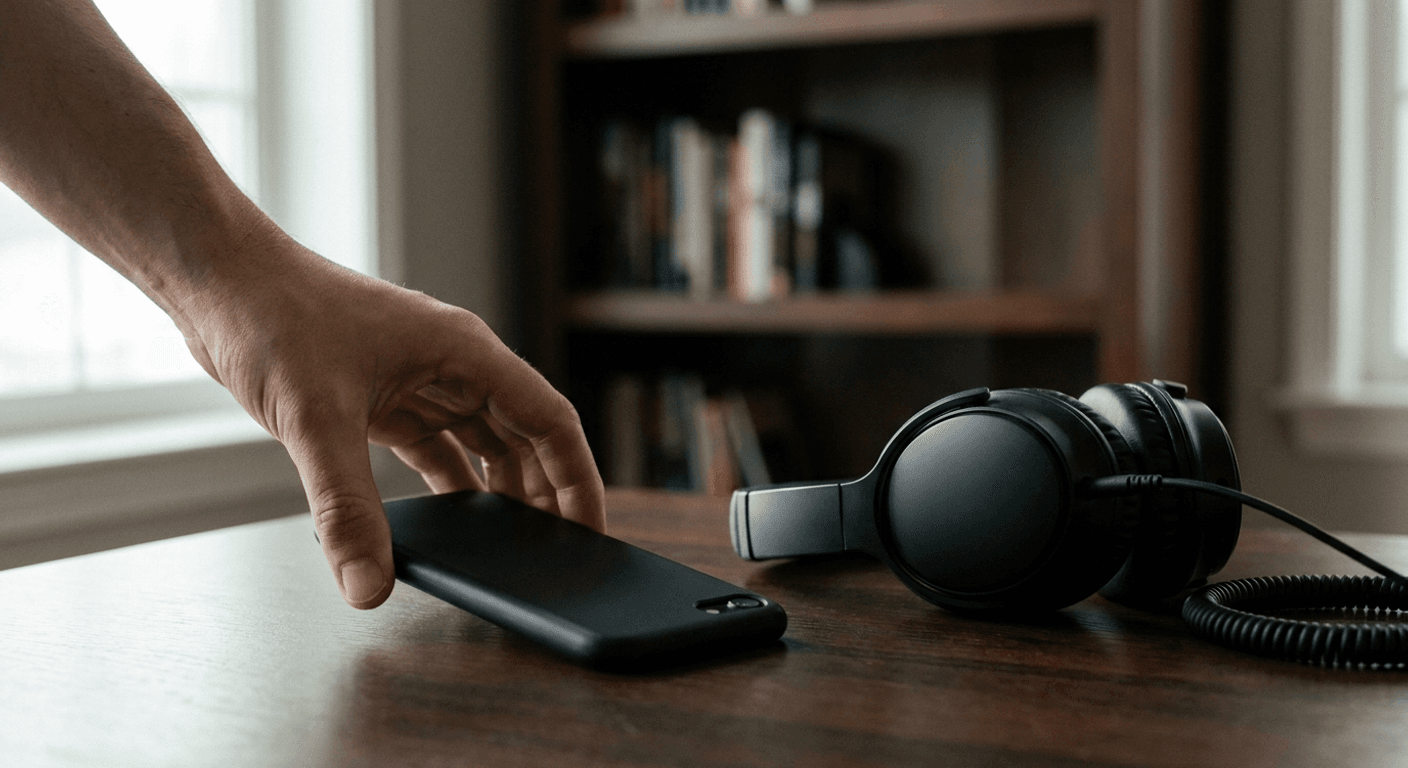
California es un estado de consentimiento de todas las partes. Según el California Penal Code § 632, cada participante en una conversación privada debe dar su consentimiento antes de que alguien la grabe. Grabar sin ese consentimiento es, a la vez, un delito, que conlleva multas y posible tiempo en prisión, y un ilícito civil que puede costarle a quien graba $5,000 por infracción, sin necesidad de probar un daño económico.
Panorama general de la ley de grabación de California
| Pregunta | Respuesta |
|---|---|
| Regla de consentimiento | De todas las partes (cada participante debe dar su consentimiento) |
| Estatuto principal | Cal. Penal Code § 632 |
| Cuándo grabar es ilegal | Grabar una comunicación confidencial sin el consentimiento de todas las partes |
| Sanción penal | Hasta $2,500 de multa (primera infracción) o $10,000 (reincidencia), además de hasta 1 año en la cárcel del condado (delito menor) o 16 meses, 2 o 3 años en una prisión estatal (delito grave) |
| Sanción civil | $5,000 por infracción o 3 veces los daños reales según el PC 637.2 |
| Cámaras ocultas | Prohibidas en áreas privadas según el PC 647(j); delito menor |
| Grabar a la policía | Legal según el PC 148(g) y la Primera Enmienda, siempre que usted no interfiera |
Para un análisis más profundo, consulte el índice de leyes de grabación de California en detalle más abajo.
Grabar conversaciones en persona en California
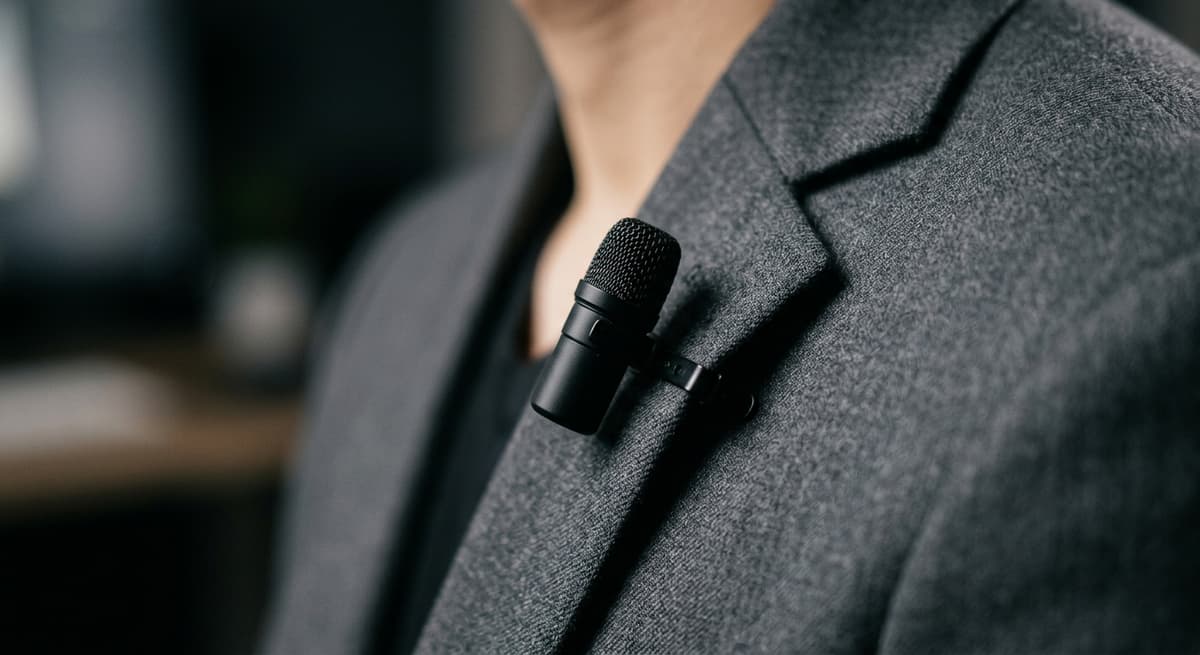
La regla de consentimiento de todas las partes de California significa que cada persona en una conversación privada debe aceptar la grabación antes de que comience. No basta con que usted, quien graba, haya dado su consentimiento; la regla cubre a todos los demás participantes.
El estatuto que rige la materia, el Penal Code § 632, se aplica a cualquier "comunicación confidencial", definida como aquella que se lleva a cabo en circunstancias que razonablemente indican que alguna de las partes desea que se límite a los presentes. Una conversación en voz baja en una oficina privada, una sala de conferencias cerrada, o un automóvil estacionado con las ventanas subidas califican. Una discusión a gritos en un estacionamiento o un discurso en una manifestación pública no califican, porque no existe una expectativa razonable de privacidad.
Deben estar presentes cuatro elementos para que exista una infracción: (1) grabación intencional, (2) un dispositivo electrónico, (3) una expectativa razonable de confidencialidad, y (4) al menos una parte que no haya dado su consentimiento. Si falta alguno, no hay infracción del PC 632; la misma conversación puede ser confidencial en un entorno y pública en otro.
El PC 632 forma parte de la Invasión of Privacy Act (CIPA) de California (Penal Code §§ 630-638.55), que también cubre la interceptación de comunicaciones (PC 631), las llamadas celulares (PC 632.7), los remedios civiles (PC 637.2) y el voyerismo (PC 647(j)).
Grabar llamadas telefónicas en California
El requisito de consentimiento de todas las partes de California se aplica a todo tipo de llamada telefónica: fija, celular, VoIP e inalámbrica. A diferencia de los estados de consentimiento de una sola parte, usted no puede grabar una llamada en la que participa a menos que todos los demás den su consentimiento primero.
El Penal Code § 632.7 (última modificación Stats. 2022, Ch. 27, SB 1272, vigente desde el 1 de enero de 2023) cubre las comunicaciones entre teléfonos celulares, teléfonos inalámbricos y líneas fijas en cualquier combinación. La Corte Suprema de California confirmó en Smith v. LoanMe, Inc., 11 Cal. 5th 183 (2021), que el PC 632.7 se aplica a una de las partes que graba la llamada, no solo a quienes interceptan desde afuera.
Para las llamadas entre estados, Kearney v. Salomon Smith Barney, Inc., 39 Cal. 4th 95 (2006), determinó que la Sección 632 se aplica cuando una comunicación confidencial ocurre en parte en California y en parte en otro estado. La Corte Suprema de California concluyó que, en general, la ley de California rige la práctica habitual de una empresa de grabar llamadas con sus clientes en California, incluso cuando la empresa graba desde un estado de consentimiento de una sola parte como Georgia, aunque aplicó la ley de Georgia a las grabaciones pasadas de la empresa, lo que permitió medidas cautelares para el futuro pero no daños. La Corte señaló que una empresa puede cumplir informando al cliente o al consumidor, al inicio de la llamada, que esta está siendo grabada.
Las empresas que graban llamadas de servicio al cliente deben reproducir primero un aviso claro; el mensaje estándar "Esta llamada puede ser grabada para fines de control de calidad" satisface el requisito cuando quien llama continúa en la línea, pero comenzar a grabar antes del aviso no lo satisface.
Para las reglas específicas sobre llamadas telefónicas, consulte la página de Leyes de grabación de llamadas telefónicas de California.
Cámaras ocultas, timbres inteligentes y cámaras para niñeras

Las cámaras de seguridad en su propia propiedad son generalmente lícitas cuando apuntan a áreas sin una expectativa razonable de privacidad, como un porche delantero, una entrada de vehículos o un patio trasero visible desde la calle. Se cruza la línea cuando una cámara capta un espacio donde alguien tiene una expectativa genuina de privacidad.
El Penal Code § 647(j) convierte en delito menor el uso de una cámara oculta para grabar a alguien en un baño, vestidor, probador u otra área privada, y también cubre grabar debajo o a través de la ropa sin consentimiento, así como la captura con drones en espacios privados. Una primera infracción conlleva hasta seis meses en la cárcel del condado y, según la sanción penal menor predeterminada del Penal Code § 19, una multa de hasta $1,000; las infracciones repetidas y los casos con una víctima menor de edad conllevan hasta un año en la cárcel del condado y una multa de hasta $2,000.
California también cuenta con el Civil Code § 1708.8, específico para los paparazzi, que prohíbe invadir una propiedad para capturar imágenes de personas en una actividad personal o familiar, incluido el uso de lentes telefoto a distancia. Las sanciones civiles van de $5,000 a $50,000 por incidente.
Una salvedad sobre el audio: una cámara para niñeras o un timbre con cámara que graba audio de conversaciones dentro de su hogar está sujeto al PC 632. Si capta comunicaciones orales confidenciales entre personas que no dieron su consentimiento, usted podría enfrentar responsabilidad según la regla de todas las partes, no solo según el estatuto de voyerismo.
Sanciones por grabación ilegal en California
California combina el castigo penal con un sólido esquema de daños civiles, y una sola grabación ilegal puede exponer a quien graba a ambos a la vez.
| Infracción | Multa máxima | Cárcel/prisión máxima |
|---|---|---|
| PC 632, primera infracción (interceptación) | $2,500 | 1 año en cárcel del condado (delito menor) o 16 meses, 2 o 3 años en prisión estatal (delito grave) |
| PC 632, reincidencia | $10,000 | 1 año en cárcel del condado (delito menor) o 16 meses, 2 o 3 años en prisión estatal (delito grave) |
| PC 631, interceptación de líneas (delito ambiguo: menor o grave) | $2,500 (primera); $10,000 (reincidencia) | 1 año (delito menor) o de 16 meses a 3 años (delito grave) |
| PC 632.7, teléfono celular/inalámbrico | $2,500 ($10,000 reincidencia) | Hasta 1 año (delito menor) o 16 meses, 2 o 3 años (delito grave) |
| PC 637, divulgar comunicaciones interceptadas | $5,000 | Hasta 1 año (delito menor) o 16 meses, 2 o 3 años (delito grave) |
| PC 647(j), voyerismo de video, primera infracción | $1,000 | 6 meses en cárcel del condado |
| PC 647(j), voyerismo de video, reincidencia o víctima menor de edad | Hasta $2,000 | Hasta 1 año en cárcel del condado |
En el ámbito civil, el Penal Code § 637.2 permite a las víctimas recuperar $5,000 por infracción o tres veces los daños reales, lo que sea mayor, sin necesidad de probar un daño para el mínimo de $5,000, además de medidas cautelares. El plazo de prescripción es de tres años desde la infracción según el California Code of Civil Procedure § 338(a).
Las grabaciones hechas en infracción de las leyes de interceptación y espionaje de California generalmente son inadmisibles en cualquier procedimiento judicial, administrativo o legislativo, una regla más estricta que la de muchos estados que admiten las grabaciones ilegales como prueba aun cuando sancionan a quien las hizo.
Grabar a la policía en California
California cuenta con un derecho estatutario claro para grabar a las fuerzas del orden. El Penal Code § 148(g), añadido por la SB 411 en 2015, establece que fotografiar o hacer una grabación de audio o video de un oficial de policía en un lugar público, o desde cualquier lugar donde usted tenga derecho a estar, no constituye por sí mismo obstrucción o interferencia, ni genera sospecha razonable para detenerlo ni causa probable para arrestarlo.
Esto complementa la protección de la Primera Enmienda reconocida por los tribunales federales. Los límites prácticos: usted no debe interferir físicamente, ingresar a un área restringida, ni desobedecer órdenes legales que no prohíban en sí mismas la grabación. Los oficiales no pueden exigirle que borre las grabaciones sin una orden judicial, y aunque en algunas circunstancias pueden confiscar legalmente su dispositivo (por ejemplo, como parte de un arresto legal o para evitar la destrucción de evidencia), Riley v. California exige una orden judicial antes de que puedan examinar su contenido.
Debido a que California es un estado de consentimiento de todas las partes, el PC 632 también se aplica al audio de un oficial en muchas situaciones, por lo que grabar una conversación privada que un oficial razonablemente esperaba que fuera confidencial podría plantear dudas sobre el consentimiento. Grabar a oficiales en entornos claramente públicos, como una parada de tráfico o un arresto visible para los transeúntes, no involucra ninguna comunicación confidencial y queda claramente cubierto por el PC 148(g).
Para el análisis completo, consulte la página de Leyes sobre grabar a la policía en California.
Temas especiales en California
Grabación en el lugar de trabajo: Stericycle y el memorando GC 25-07 de la NLRB

En el lugar de trabajo, el PC 632 y la ley laboral federal operan en paralelo. En Stericycle, Inc. and Teamsters Local 628, 372 NLRB No. 113 (2 de agosto de 2023), la NLRB determinó que las políticas de no grabación, en su redacción, neutrales, son presuntamente ilegales según la NLRA si tienden a desalentar los derechos de la Sección 7, salvo que el empleador demuestre una justificación comercial legítima y sustancial; las prohibiciones generales son vulnerables, mientras que las políticas específicamente dirigidas a proteger secretos comerciales tienen mejor resultado. El Memorando GC 25-07 de la NLRB (25 de junio de 2025), una guía de acusación de Nivel 2 y no una decisión vinculante de la Junta, instruyó a las oficinas regionales a tratar la grabación encubierta durante sesiones de negociación colectiva como una infracción de negociación de mala fe por sí misma según la NLRA §§ 8(a)(5) y 8(b)(3).
Para el análisis completo de los derechos del empleado y las políticas del empleador, consulte la página de Leyes de grabación en el lugar de trabajo de California.
Panorama federal adicional: la ECPA y la regla de la FCC sobre voces de IA
La Electronic Communications Privacy Act (ECPA) federal, 18 U.S.C. §§ 2510-2523, establece un mínimo de consentimiento de una sola parte, pero el estándar más estricto de todas las partes de California rige la actividad dentro de California o conectada con ella. La Orden 24-17 de la FCC (adoptada el 8 de febrero de 2024) declaró que las tecnologías de voz generadas por IA son "voz artificial o pregrabada" según la TCPA, lo que exige el consentimiento expreso previo, por lo que quienes llaman desde California usando ese tipo de herramientas deben cumplir tanto con la TCPA como con el PC 632/632.7. La regla de consentimiento uno a uno de la Orden 24-24 de la FCC fue anulada por el Undécimo Circuito en Insurance Marketing Coalition Ltd. v. FCC, 127 F.4th 303 (11th Cir. 2025) (24 de enero de 2025); la FCC restableció la versión anterior del 47 CFR § 64.1200(f)(9) mediante la DA 25-621.
HIPAA y FERPA
En entornos de atención médica, los requisitos de la HIPAA (45 CFR § 164.502) para grabaciones que constituyen información de salud protegida se suman al mandato de todas las partes del PC 632, y no lo reemplazan. La FERPA (20 U.S.C. § 1232g; 34 CFR Part 99) rige las grabaciones escolares que califican como registros educativos, por lo que una escuela que graba a un estudiante bajo las reglas de consentimiento de California aun así no puede divulgar esa grabación sin una autorización conforme a la FERPA. Cumplir con un marco no satisface el otro.
Para el análisis de grabación en el ámbito de la salud, consulte la página de Leyes sobre grabar a médicos y citas médicas en California. Para el análisis de grabación escolar, consulte la página de Leyes de grabación escolar de California.
Panorama de las excepciones
Excepciones clave al PC 632: (1) ausencia de una expectativa razonable de privacidad (espacios públicos, reuniones gubernamentales abiertas según la Brown Act, Gov. Code § 54953.5); (2) las fuerzas del orden según la cláusula de derechos adquiridos del PC 633; (3) víctimas que graban evidencia de extorsión, secuestro, soborno, tráfico de personas, violencia doméstica, llamadas de acoso o delitos graves violentos según el PC 633.5; y (4) una disposición limitada para una víctima de violencia doméstica que está solicitando una orden de restricción: según el PC 633.6(b), esa víctima puede grabar una comunicación confidencial que le haga el agresor si razonablemente cree que puede contener evidencia pertinente a esa orden de restricción, y únicamente con el propósito exclusivo de presentar esa evidencia ante el tribunal. Esto no constituye un derecho general de las víctimas de violencia doméstica a grabar a un agresor.
Novedades legales recientes
- 1 de enero de 2023: se modificó el PC 632.7 (Stats. 2022, Ch. 27, SB 1272) para cubrir más combinaciones de dispositivos celulares/inalámbricos.
- 2 de agosto de 2023: la NLRB emite Stericycle, Inc., 372 NLRB No. 113, que hace presuntamente ilegales las políticas generales de no grabación en el lugar de trabajo.
- 8 de febrero de 2024: la Orden 24-17 de la FCC declara que las llamadas con voz generada por IA están sujetas al consentimiento expreso previo de la TCPA.
- 24 de enero de 2025: el Undécimo Circuito anula la Regla de Consentimiento Uno a Uno de la Orden 24-24 de la FCC; la FCC restablece la regla anterior mediante la DA 25-621 (mandato del 30 de abril de 2025).
- 25 de junio de 2025: el Memorando GC 25-07 de la NLRB instruye a las oficinas regionales a tratar las grabaciones encubiertas de negociación colectiva como negociación de mala fe por sí misma.
- 30 de septiembre de 2026: la SB 1130, que habría agregado el PC § 632.8 y las Secciones 22949.85 a 22949.88 del Business and Professions Code para los dispositivos de grabación portátiles, fue vetada por el Gobernador. La Asamblea la había aprobado 57 a 14 y el Senado concurrió 29 a 10, ambas votaciones por debajo de los dos tercios necesarios para anular un veto; la consideración del veto sigue pendiente en el Senado. Nada de ese proyecto se convirtió en ley, por lo que California no tiene ningún estatuto específico para dispositivos de grabación portátiles, y grabar con gafas inteligentes u otro dispositivo portátil se rige por las reglas generales que explica esta página. Vea nuestro informe sobre el veto de la SB 1130.
- Pendiente, 2026: la SB 690 (excepción de la CCPA para la CIPA) sigue sin resolverse. No es ley al mes de junio de 2026.
Leyes de grabación de California en detalle
Cada una de las siguientes páginas cubre un escenario distinto de grabación en California. Vaya directamente al tema que se aplique a su situación.
Por tipo de grabación
- Leyes de grabación de audio de California
- Leyes de grabación de llamadas telefónicas de California
- Leyes de grabación de video de California
- Leyes de voyerismo y cámaras ocultas de California
- Leyes de cámaras de tablero (dashcam) de California
Por lugar o relación
- Leyes sobre grabar en público en California
- Leyes sobre grabar a la policía en California
- Leyes de grabación en el lugar de trabajo de California
- Leyes de grabación y vigilancia entre arrendador e inquilino de California
- Leyes de cámaras de seguridad y vigilancia de California
- Leyes sobre grabar a médicos y citas médicas en California
- Leyes de grabación escolar de California
Más leyes de California
- Leyes de grabación de reuniones con IA de California
- Leyes de empleo a voluntad de California
- Leyes de privacidad de datos de California
- Leyes de arrendador e inquilino de California
- Leyes de grabación en el lugar de trabajo de California
Este artículo es información legal general, no asesoría legal. Las leyes de grabación cambian y se aplican de manera distinta a cada situación. Para recibir asesoría sobre su situación, consulte a un abogado con licencia en California.
Más leyes de California
- Leyes de grabación de reuniones con IA de California
- Leyes de pensión alimenticia conyugal de California
- Leyes de empleo a voluntad de California
- Leyes de accidentes de auto de California
- Leyes de asientos de auto para niños de California
- Leyes de custodia de menores de California
- Leyes de manutención infantil de California
- Leyes de matrimonio de hecho de California
- Leyes de privacidad de datos de California
- Leyes sobre deepfakes de California
- Leyes de divorcio de California
- Leyes sobre mordeduras de perro de California
- Leyes de emancipación de California
- Leyes de eliminación de antecedentes penales de California
- Leyes de fuga del lugar del accidente de California
- Leyes de arrendador e inquilino de California
Preguntas frecuentes
¿California es un estado de consentimiento de una sola parte o de todas las partes para grabar?
California es un estado de consentimiento de todas las partes: cada participante en una conversación privada debe dar su consentimiento antes de que alguien la grabe. El estatuto que rige la materia es el Penal Code § 632, y grabar sin el consentimiento de todas las partes es a la vez un delito y un ilícito civil según el PC 637.2.
¿Puedo grabar una llamada telefónica en California?
Solo si cada persona en la llamada da su consentimiento primero. Tanto el PC 632 (comunicaciones confidenciales) como el PC 632.7 (llamadas celulares e inalámbricas) exigen el consentimiento de todas las partes. La Corte Suprema de California confirmó en Smith v. LoanMe (2021) que el PC 632.7 se aplica incluso cuando usted es un participante, no solo cuando intercepta desde afuera.
¿Es un delito grabar a alguien sin permiso en California?
Sí, si la conversación es confidencial y al menos una de las partes no dio su consentimiento. Una primera infracción según el PC 632 conlleva hasta $2,500 de multa y hasta un año en la cárcel del condado (delito menor) o de 16 meses, 2 o 3 años en una prisión estatal (delito grave); los reincidentes enfrentan la misma exposición a cárcel o prisión, con multas de hasta $10,000.
¿Por qué puedo demandar si alguien me grabó ilegalmente en California?
Según el Penal Code § 637.2, usted puede recuperar $5,000 por infracción o tres veces sus daños reales, lo que sea mayor, sin necesidad de probar un daño económico para el mínimo de $5,000. También están disponibles las medidas cautelares para detener infracciones continuas.
¿Son legales los timbres Ring y las cámaras para niñeras en California?
Las cámaras de solo video que apuntan a su propia propiedad y a áreas visibles desde la vía pública son generalmente lícitas. Pero si la cámara graba audio de conversaciones privadas dentro del hogar sin el consentimiento de todas las partes, se aplica el PC 632, y las cámaras en baños, vestidores u otros espacios privados infringen el PC 647(j) sin importar el audio.
¿Puedo grabar a mi jefe o una reunión de recursos humanos en California?
No sin el consentimiento de todos los presentes. Incluso para documentar una mala conducta, grabar en secreto una conversación en el trabajo puede exponerlo a responsabilidad penal y civil según el PC 632. La excepción de documentación de delitos del PC 633.5 puede aplicarse si usted cree razonablemente que está grabando evidencia de un delito específico enumerado, pero consulte primero a un abogado.
¿Puedo grabar a la policía en California?
Sí. El Penal Code § 148(g) y la Primera Enmienda le otorgan el derecho a fotografiar o grabar a la policía en el desempeño de funciones públicas. Grabar no constituye obstrucción por sí mismo, y los oficiales no pueden exigirle que borre las grabaciones sin una orden judicial; aunque en algunas circunstancias pueden confiscar legalmente su dispositivo, Riley v. California exige una orden judicial antes de que puedan examinar su contenido; usted solo debe evitar interferir físicamente.
¿La ley de grabación de California se aplica a llamadas desde otros estados?
Puede aplicarse. En Kearney v. Salomon Smith Barney (2006), la Corte Suprema de California determinó que el Penal Code § 632 se aplica cuando una comunicación confidencial ocurre en parte en California y en parte en otro estado, y que la ley de California generalmente rige la práctica habitual de una empresa de grabar llamadas con sus clientes en California, incluso cuando la empresa graba desde un estado de consentimiento de una sola parte como Georgia. La Corte aplicó la ley de Georgia a las grabaciones pasadas de la empresa, por lo que solo estaban disponibles medidas cautelares para el futuro, no daños. La Corte señaló que una empresa que informa a su cliente o consumidor, al inicio de la llamada, que la llamada está siendo grabada, no infringe el estatuto.
Actualizaciones
Se corrigió la descripción de Kearney v. Salomon Smith Barney a la conclusión más limitada que realmente alcanzó la Corte Suprema de California, incluida su restricción sobre los daños por grabaciones pasadas.
Se aclaró que la excepción del Código Penal 633.6(b) aplica únicamente a una víctima de violencia doméstica que solicita una orden de restricción, y solo para grabaciones presentadas como evidencia ante el tribunal.
Página reestructurada según la especificación de reescritura de grabación: introducción optimizada para AEO, tabla de panorama general, nuevos anclajes de sección, subsecciones federales/HIPAA/FERPA condensadas, lista de Novedades Legales Recientes, y una sección de preguntas frecuentes con 8 preguntas. Se actualizaron la imagen principal y las imágenes internas. Todos los datos fundamentales (consentimiento de todas las partes del PC 632, sanciones de $2,500/$10,000, daños de $5,000/3x del PC 637.2, voyerismo del PC 647(j), grabación policial del PC 148(g)) se reverificaron contra fuentes primarias en junio de 2026. No se requirieron correcciones factuales.
Se reescribieron el título y la meta descripción para AEO con cifras específicas de sanciones. Se corrigió la SB 690 para incluir únicamente hechos confirmados (estancada en un comité de la Asamblea el 2 de julio de 2025). Se ampliaron las secciones de Excepciones (violencia doméstica del PC 633.6(b), delitos enumerados del PC 633.5, regla de ausencia de expectativa de privacidad) y de Lugar de Trabajo (Stericycle, 372 NLRB No. 113; Memorando GC 25-07). Se añadió el panorama de la ley federal (ECPA, FCC 24-17, FCC 24-24 anulada por el 11.º Circuito y restablecida mediante la DA 25-621), HIPAA/FERPA, legislación pendiente (SB 1130, SB 690), y un índice de temas que enlaza las 12 páginas subordinadas de California.
La ley detrás de este artículo
Este artículo se apoya en las disposiciones legales a continuación, conservadas en nuestro propio registro jurídico y obtenidas de la fuente oficial. Toque una sección para leer el texto vigente.
California Penal Code
§ 632Vigentecitada en 55 de nuestros artículos
(a) A person who, intentionally and without the consent of all parties to a confidential communication, uses an electronic amplifying or recording device to eavesdrop upon or record the confidential communication, whether the communication is carried on among the parties in the presence of one another or by means of a telegraph, telephone, or other device, except a radio, shall be punished by a fine not exceeding two thousand five hundred dollars ($2,500) per violation, or imprisonment in a county jail not exceeding one year, or in the state prison, or by both that fine and imprisonment. If the person has previously been convicted of a violation of this section or Section 631, 632.5, 632.6, 632.7, or 636, the person shall be punished by a fine not exceeding ten thousand dollars ($10,000) per violation, by imprisonment in a county jail not exceeding one year, or in the state prison, or by both that fine and imprisonment.
Texto oficial (extracto) · verificado el 2026-09-23 · Lea el texto completo en nuestra biblioteca legal · Verifique en leginfo.legislature.ca.gov
Citada en 267 resoluciones judiciales de nuestra colecciónResolución más reciente que la cita en nuestra colección: 2026
En los tribunales (resumen editorial, verificado de forma independiente):Kimmel v. Goland (1990) sostuvo que el privilegio de litigio del artículo 47(2) no impide una demanda de daños bajo la Sección 632 por grabar conversaciones confidenciales sin consentimiento. Lieberman v. KCOP Television, Inc. (2003) sostuvo que la violación se comete al hacer la grabación secreta, se divulgue o no.
Resoluciones que citan esta sección en nuestra colección:
- Rubin v. Green (California Supreme Court 1993, 4 Cal. 4th 1187)“…f telephone conversations with defendants, an offense under Penal Code section 632. We noted that defendants alleged that…”
- Kimmel v. Goland (California Supreme Court 1990, 51 Cal. 3d 202)✓Dueños de casas móviles grabaron en secreto llamadas con la administración del parque en anticipación de demandar; el tribunal sostuvo que el privilegio litigioso de la sección 47(2) no impedía la contrademanda por daños bajo la sección 632 del Código Penal, porque la lesión provino de la grabación, no de una publicación.
- Shulman v. Group W Productions, Inc. (California Supreme Court 1998, 74 Cal. Rptr. 2d 843)✓Un productor de televisión colocó un micrófono inalámbrico a la enfermera de vuelo que atendía a una víctima de un accidente. No había demanda bajo la sección 632 ante el tribunal, pero este llamó a la sección 632 y al agravio de intromisión leyes de aplicación general y dijo que la prensa no puede escuchar en violación de esa sección.
Identificado automáticamente a partir de las opiniones judiciales que citan esta sección; no es un ranking de qué caso prevalece.
§ 632.7Vigentecitada en 6 de nuestros artículos
(a) Every person who, without the consent of all of the parties to a communication, intercepts or receives and intentionally records, or assists in the interception or reception and intentional recordation of, a communication transmitted between two cellular radio telephones, a cellular radio telephone and a landline telephone, two cordless telephones, a cordless telephone and a landline telephone, or a cordless telephone and a cellular radio telephone, shall be punished by a fine not exceeding two thousand five hundred dollars ($2,500), or by imprisonment in a county jail not exceeding one year, or in the state prison, or by both that fine and imprisonment. If the person has been convicted previously of a violation of this section or of Section 631, 632, 632.5, 632.6, or 636, the person shall be punished by a fine not exceeding ten thousand dollars ($10,000), by imprisonment in a county jail not exceeding one year, or in the state prison, or by both that fine and imprisonment.
Texto oficial (extracto) · verificado el 2026-07-28 · Lea el texto completo en nuestra biblioteca legal · Verifique en leginfo.legislature.ca.gov
Citada en 67 resoluciones judiciales de nuestra colecciónResolución más reciente que la cita en nuestra colección: 2026
Resoluciones que citan esta sección en nuestra colección:
- Smith v. LoanMe, Inc. (California Supreme Court 2021, 276 Cal. Rptr. 3d 746)“…Opinion of the Court by Cantil-Sakauye, C. J. Under Penal Code section 632.7, subdivision (a) (hereinafter section 6…”
- People v. Chavez (California Court of Appeal 1996, 44 Cal. App. 4th 1144)“…Smith (5th Cir. 1992) 978 F.2d 171, 178 ; Pen. Code, § 632.7, subd. (c)(2).) The CI sought au…”
- Gruber v. Yelp Inc. (California Court of Appeal 2020)“…al courts have refused to dismiss or summarily adjudicate a Penal Code section 632.7 claim based merely on the fact that the…”
Identificado automáticamente a partir de las opiniones judiciales que citan esta sección; no es un ranking de qué caso prevalece.
§ 631Vigentecitada en 13 de nuestros artículos
(a) Any person who, by means of any machine, instrument, or contrivance, or in any other manner, intentionally taps, or makes any unauthorized connection, whether physically, electrically, acoustically, inductively, or otherwise, with any telegraph or telephone wire, line, cable, or instrument, including the wire, line, cable, or instrument of any internal telephonic communication system, or who willfully and without the consent of all parties to the communication, or in any unauthorized manner, reads, or attempts to read, or to learn the contents or meaning of any message, report, or communication while the same is in transit or passing over any wire, line, or cable, or is being sent from, or received at any place within this state; or who uses, or attempts to use, in any manner, or for any purpose, or to communicate in any way, any information so obtained, or who aids, agrees with, employs, or conspires with any person or persons to unlawfully do, or permit, or cause to be done any of the acts or things mentioned above in this section, is punishable by a fine not exceeding two thousand five hundred dollars ($2,500), or by imprisonment in the county jail not exceeding one year,…
Texto oficial (extracto) · verificado el 2026-09-16 · Lea el texto completo en nuestra biblioteca legal · Verifique en leginfo.legislature.ca.gov
Citada en 202 resoluciones judiciales de nuestra colecciónResolución más reciente que la cita en nuestra colección: 2026
Resoluciones que citan esta sección en nuestra colección:
- Ribas v. Clark (California Supreme Court 1985, 38 Cal. 3d 355)“…iminal statutes prohibiting various forms of eavesdropping (Pen. Code, §§ 631, subd. (a), and 637), as well as for in…”
- Warden v. Kahn (California Court of Appeal 1979, 99 Cal. App. 3d 805)“…not to be found elsewhere among the states of the nation. Penal Code section 631 provides: "Any person who, by means of…”
- Rogers v. Ulrich (California Court of Appeal 1975, 52 Cal. App. 3d 894)“…nowledge the incident amounted to wiretapping as defined by Penal Code section 631; a statutory penalty in the amount of $…”
Identificado automáticamente a partir de las opiniones judiciales que citan esta sección; no es un ranking de qué caso prevalece.
§ 637.2Vigentecitada en 24 de nuestros artículos
(a) Any person who has been injured by a violation of this chapter may bring an action against the person who committed the violation for the greater of the following amounts: (1) Five thousand dollars ($5,000) per violation. (2) Three times the amount of actual damages, if any, sustained by the plaintiff. (b) Any person may, in accordance with Chapter 3 (commencing with Section 525) of Title 7 of Part 2 of the Code of Civil Procedure, bring an action to enjoin and restrain any violation of this chapter, and may in the same action seek damages as provided by subdivision (a). (c) It is not a necessary prerequisite to an action pursuant to this section that the plaintiff has suffered, or be threatened with, actual damages. (d) This section shall not be construed to affect Title 4 (commencing with Section 3425.1) of Part 1 of Division 4 of the Civil Code.
Texto oficial (extracto) · verificado el 2026-07-28 · Lea el texto completo en nuestra biblioteca legal · Verifique en leginfo.legislature.ca.gov
Citada en 103 resoluciones judiciales de nuestra colecciónResolución más reciente que la cita en nuestra colección: 2026
En los tribunales (resumen editorial, verificado de forma independiente):Ribas v. Clark (1985) sostuvo que la indemnización de la sección 637.2 nace en el momento mismo de la violación de la Privacy Act, por lo que el privilegio judicial del Civil Code section 47 no la impide, aunque fracasan los daños derivados solo de un testimonio privilegiado. Kimmel v. Goland (1990) aplicó ese razonamiento a grabaciones hechas en previsión de un litigio.
Resoluciones que citan esta sección en nuestra colección:
- Rubin v. Green (California Supreme Court 1993, 4 Cal. 4th 1187)“…asion of privacy and related torts as well as damages under Penal Code section 637.2, granting persons injured by eavesdropp…”
- Ribas v. Clark (California Supreme Court 1985, 38 Cal. 3d 355)✓Una esposa pidió a un tercero que escuchara por un teléfono supletorio mientras llamaba a su esposo, y esa persona luego testificó sobre la llamada; el tribunal sostuvo que el privilegio judicial impedía los daños del testimonio, pero no la indemnización legal fija de la Sección 637.2, que se genera al momento de la violación.
- Kimmel v. Goland (California Supreme Court 1990, 51 Cal. 3d 202)✓Residentes de un parque de casas móviles grabaron en secreto llamadas con la administración para reunir pruebas para una demanda planeada; el tribunal sostuvo que el privilegio judicial no impedía el reclamo bajo la Sección 637.2, porque el daño provino de la grabación misma y no de una publicación.
Identificado automáticamente a partir de las opiniones judiciales que citan esta sección; no es un ranking de qué caso prevalece.
§ 647Vigentecitada en 19 de nuestros artículos
Except as provided in paragraph (5) of subdivision (b) and in subdivisions (k) and (l), a person who commits any of the following acts is guilty of disorderly conduct, a misdemeanor: (a) An individual who solicits anyone to engage in or who engages in lewd or dissolute conduct in a public place or in a place open to the public or exposed to public view. (b) (1) An individual who solicits, or who agrees to engage in, or who engages in, an act of prostitution with the intent to receive compensation, money, or anything of value from another person. An individual agrees to engage in an act of prostitution when, with specific intent to so engage, the individual manifests an acceptance of an offer or solicitation by another person to so engage, regardless of whether the offer or solicitation was made by a person who also possessed the specific intent to engage in an act of prostitution. (2) An individual who solicits, or who agrees to engage in, or who engages in, an act of prostitution with another person who is 18 years of age or older in exchange for the individual providing compensation, money, or anything of value to the other person.
Texto oficial (extracto) · verificado el 2026-08-31 · Lea el texto completo en nuestra biblioteca legal · Verifique en leginfo.legislature.ca.gov
Citada en 593 resoluciones judiciales de nuestra colecciónResolución más reciente que la cita en nuestra colección: 2026
En los tribunales (resumen editorial, verificado de forma independiente):In re Giannini (1968) anuló las condenas bajo el Código Penal 647(a) porque la fiscalía no presentó prueba de los estándares comunitarios, y equiparó "lewd or dissolute" con lo obsceno solo para juzgar un baile presuntamente obsceno presentado ante un público.
Resoluciones que citan esta sección en nuestra colección:
- Morrison v. State Board of Education (California Supreme Court 1969, 1 Cal. 3d 214)“…public beach and the teacher was arrested for violation of Penal Code section 647, subdivision (a), and convicted, on his…”
- People v. Laiwa (California Supreme Court 1983, 34 Cal. 3d 711)“…to arrest him for being under the influence of a narcotic. (Pen. Code, § 647, subd. (f).) [1] He moved, however, to…”
- In Re Cregler (California Supreme Court 1961, 56 Cal. 2d 308)✓Un hombre con una condena previa por robo fue arrestado por estar de pie en una estación de autobuses de San Francisco bajo la versión de vagancia de la section 647 anterior a 1961. La corte rechazó su planteamiento de vaguedad, interpretó que merodear exige permanecer para cometer un delito y negó el hábeas corpus.
Identificado automáticamente a partir de las opiniones judiciales que citan esta sección; no es un ranking de qué caso prevalece.
§ 633Vigentecitada en 3 de nuestros artículos
(a) Nothing in Section 631, 632, 632.5, 632.6, or 632.7 prohibits the Attorney General, any district attorney, or any assistant, deputy, or investigator of the Attorney General or any district attorney, any officer of the California Highway Patrol, any peace officer of the Office of Internal Affairs of the Department of Corrections and Rehabilitation, any chief of police, assistant chief of police, or police officer of a city or city and county, any sheriff, undersheriff, or deputy sheriff regularly employed and paid in that capacity by a county, police officer of the County of Los Angeles, or any person acting pursuant to the direction of one of these law enforcement officers acting within the scope of his or her authority, from overhearing or recording any communication that they could lawfully overhear or record prior to January 1, 1968. (b) Nothing in Section 631, 632, 632.5, 632.6, or 632.7 renders inadmissible any evidence obtained by the above-named persons by means of overhearing or recording any communication that they could lawfully overhear or record prior to January 1, 1968.
Texto oficial (extracto) · verificado el 2026-07-28 · Lea el texto completo en nuestra biblioteca legal · Verifique en leginfo.legislature.ca.gov
Citada en 21 resoluciones judiciales de nuestra colecciónResolución más reciente que la cita en nuestra colección: 2015
Resoluciones que citan esta sección en nuestra colección:
- People v. Ayers (California Court of Appeal 1975, 51 Cal. App. 3d 370)“…nder police direction and supervision would be admissible. (Pen. Code, § 633.) 1 They argue, however, t…”
- People v. Chavez (California Court of Appeal 1996, 44 Cal. App. 4th 1144)“…fully subject to the law enforcement exception codified in Penal Code section 633. Consequently, we reverse the order gra…”
- Untitled California Attorney General Opinion (California Attorney General Reports 1996)“…Does the designation "district attorney" as used in Penal Code section 633 with respect to the overhearing or reco…”
Identificado automáticamente a partir de las opiniones judiciales que citan esta sección; no es un ranking de qué caso prevalece.
§ 633.5Vigentecitada en 9 de nuestros artículos
Sections 631, 632, 632.5, 632.6, and 632.7 do not prohibit one party to a confidential communication from recording the communication for the purpose of obtaining evidence reasonably believed to relate to the commission by another party to the communication of the crime of extortion, kidnapping, bribery, any felony involving violence against the person, including, but not limited to, human trafficking, as defined in Section 236.1, or a violation of Section 653m, or domestic violence as defined in Section 13700. Sections 631, 632, 632.5, 632.6, and 632.7 do not render any evidence so obtained inadmissible in a prosecution for extortion, kidnapping, bribery, any felony involving violence against the person, including, but not limited to, human trafficking, as defined in Section 236.1, a violation of Section 653m, or domestic violence as defined in Section 13700, or any crime in connection therewith.
Texto oficial (extracto) · verificado el 2026-07-28 · Lea el texto completo en nuestra biblioteca legal · Verifique en leginfo.legislature.ca.gov
Citada en 21 resoluciones judiciales de nuestra colecciónResolución más reciente que la cita en nuestra colección: 2026
Resoluciones que citan esta sección en nuestra colección:
- People v. Baker (California Court of Appeal 1978, 88 Cal. App. 3d 115)“…ction 632. 3 . Appellant has overlooked Penal Code section 633.5, 4 which is dispositive of…”
- Malinowski v. Martin (California Court of Appeal 2024)“…se permitted under statutory exceptions to the Privacy Act (Pen. Code, §§ 633.5 and 633.6). In the published port…”
- Geragos v. Abelyan (California Court of Appeal 2023)“…matter pleaded.”].) The Geragos Parties next contend Penal Code section 633.5 exempts Kazarian’s recording from exclu…”
Identificado automáticamente a partir de las opiniones judiciales que citan esta sección; no es un ranking de qué caso prevalece.
§ 633.6Vigente
(a) Notwithstanding the provisions of this chapter, and in accordance with federal law, upon the request of a victim of domestic violence who is seeking a domestic violence restraining order, a judge issuing the order may include a provision in the order that permits the victim to record any prohibited communication made to him or her by the perpetrator. (b) Notwithstanding the provisions of this chapter, and in accordance with federal law, a victim of domestic violence who is seeking a domestic violence restraining order from a court, and who reasonably believes that a confidential communication made to him or her by the perpetrator may contain evidence germane to that restraining order, may record that communication for the exclusive purpose and use of providing that evidence to the court. (c) The Judicial Council shall amend its domestic violence prevention application and order forms to incorporate the provisions of this section.
Texto oficial (extracto) · verificado el 2026-07-28 · Lea el texto completo en nuestra biblioteca legal · Verifique en leginfo.legislature.ca.gov
Citada en 3 resoluciones judiciales de nuestra colecciónResolución más reciente que la cita en nuestra colección: 2026
Resoluciones que citan esta sección en nuestra colección:
- Malinowski v. Martin (California Court of Appeal 2024)“…heir provisions. We first address subdivision (a) of Penal Code section 633.6, which provides that a judge issuing a…”
- Andrea M. v. Paul M. CA2/3 (California Court of Appeal 2026)“…632, subds. (a) & (d).) One such exception is set forth in Penal Code section 633.6, subdivision (b), which provides that “…”
- Breja v. Breja CA1/5 (California Court of Appeal 2023)“…confidential communication may contain relevant evidence. (Pen. Code, § 633.6, subd. (b).) Under those circumstances,…”
Identificado automáticamente a partir de las opiniones judiciales que citan esta sección; no es un ranking de qué caso prevalece.
§ 148Vigentecitada en 3 de nuestros artículos
(a) (1) Every person who willfully resists, delays, or obstructs any public officer, peace officer, or an emergency medical technician, as defined in Division 2.5 (commencing with Section 1797) of the Health and Safety Code, in the discharge or attempt to discharge any duty of his or her office or employment, when no other punishment is prescribed, shall be punished by a fine not exceeding one thousand dollars ($1,000), or by imprisonment in a county jail not to exceed one year, or by both that fine and imprisonment. (2) Except as provided by subdivision (d) of Section 653t, every person who knowingly and maliciously interrupts, disrupts, impedes, or otherwise interferes with the transmission of a communication over a public safety radio frequency shall be punished by a fine not exceeding one thousand dollars ($1,000), imprisonment in a county jail not exceeding one year, or by both that fine and imprisonment.
Texto oficial (extracto) · verificado el 2026-07-28 · Lea el texto completo en nuestra biblioteca legal · Verifique en leginfo.legislature.ca.gov
Citada en 1,008 resoluciones judiciales de nuestra colecciónResolución más reciente que la cita en nuestra colección: 2026
En los tribunales (resumen editorial, verificado de forma independiente):Los tribunales de California han definido la Sec. 148(a)(1): People v. Smith (2013) sostuvo que es delito menor incluido en resistir a un funcionario ejecutivo bajo la sección 69 según fue acusado. Cornell v. City & Cnty. of S.F. (2017) sostuvo que un cargo bajo 148(a) requiere que el oficial actúe dentro de su deber legal, por lo que una detención ilegal elimina la causa probable de arresto.
Resoluciones que citan esta sección en nuestra colección:
- People v. Kelly (California Supreme Court 2006, 51 Cal. Rptr. 3d 98)“…or count of resisting, delaying, or obstructing an officer (Pen.Code, § 148, subd. (a)(1)). The trial court imposed…”
- People v. Smith (California Supreme Court 2013, 57 Cal. 4th 232)✓Un recluso golpeó a un ayudante del alguacil y lanzó a otro un recipiente con orina y heces, y fue condenado bajo la sección 69; el tribunal sostuvo que la sección 148(a)(1) era un delito menor necesariamente incluido en la sección 69 tal como se acusó, pero que no correspondía instruir al jurado sobre ella.
- City of Santa Cruz v. Municipal Court (California Supreme Court 1989, 49 Cal. 3d 74)✓Un hombre acusado bajo la sección 148 tras un arresto con uso de fuerza pidió las quejas previas por fuerza excesiva contra los agentes; en ese proceso el tribunal sostuvo que la declaración de su abogada, hecha por información y creencia, mostraba pertinencia bajo la sección 1043 del Código de Evidencia, sin interpretar la sección 148.
Identificado automáticamente a partir de las opiniones judiciales que citan esta sección; no es un ranking de qué caso prevalece.
California Civil Code
§ 1708.8Vigentecitada en 9 de nuestros artículos
(a) A person is liable for physical invasion of privacy when the person knowingly enters onto the land or into the airspace above the land of another person without permission or otherwise commits a trespass in order to capture any type of visual image, sound recording, or other physical impression of the plaintiff engaging in a private, personal, or familial activity and the invasion occurs in a manner that is offensive to a reasonable person. (b) A person is liable for constructive invasion of privacy when the person attempts to capture, in a manner that is offensive to a reasonable person, any type of visual image, sound recording, or other physical impression of the plaintiff engaging in a private, personal, or familial activity, through the use of any device, regardless of whether there is a physical trespass, if this image, sound recording, or other physical impression could not have been achieved without a trespass unless the device was used. (c) An assault or false imprisonment committed with the intent to capture any type of visual image, sound recording, or other physical impression of the plaintiff is subject to subdivisions (d), (e), and (h).
Texto oficial (extracto) · verificado el 2026-08-31 · Lea el texto completo en nuestra biblioteca legal · Verifique en leginfo.legislature.ca.gov
Citada en 17 resoluciones judiciales de nuestra colecciónResolución más reciente que la cita en nuestra colección: 2026
En los tribunales (resumen editorial, verificado de forma independiente):Richardson-Tunnell v. Schools Insurance Program for Employees (2007) sostuvo que la Section 1708.8 no crea una excepción a la inmunidad del Government Code 821.6 para la vigilancia investigativa de una entidad pública. En Simmons v. Bauer Media Group USA, LLC (2020) un reclamo bajo 1708.8(b) por un rastreador oculto superó una moción anti-SLAPP; el tribunal no analizó sus elementos.
Resoluciones que citan esta sección en nuestra colección:
- Hernandez v. Hillsides, Inc. (California Supreme Court 2009, 47 Cal. 4th 272)“…provisions is on the “intent to capture” a “visual image” (Civ. Code, § 1708.8, subd. (a)), or on the “attempt” to do…”
- Richardson-Tunnell v. Schools Insurance Program for Employees (California Court of Appeal 2007, 69 Cal. Rptr. 3d 176)✓Investigadores de compensación laboral grabaron en video a una maestra lesionada en su boda y su luna de miel; la corte sostuvo que Civil Code section 1708.8 no crea una excepción a la inmunidad investigativa de Government Code section 821.6, por lo que su demanda contra las entidades públicas fracasó.
- Raef v. Appellate Division of the Superior Court (California Court of Appeal 2015, 240 Cal. App. 4th 1112)“…Erwin Chemerinsky explained in relation to another statute (Civ. Code, § 1708.8, which, too, forms part of what is popu…”
Identificado automáticamente a partir de las opiniones judiciales que citan esta sección; no es un ranking de qué caso prevalece.
California Government Code
§ 54953.5Vigentecitada en 2 de nuestros artículos
(a) Any person attending an open and public meeting of a legislative body of a local agency shall have the right to record the proceedings in the absence of a reasonable finding by the legislative body of the local agency that the recording cannot continue without noise, illumination, or obstruction of view that constitutes, or would constitute, a persistent disruption of the proceedings. (b) Any recording of an open and public meeting made for whatever purpose by or at the direction of the local agency shall be subject to inspection pursuant to the California Public Records Act (Division 10 (commencing with Section 7920.000) of Title 1), but, notwithstanding Section 34090, may be erased or destroyed 30 days after the recording. Any inspection of an audio or video recording shall be provided without charge on equipment made available by the local agency.
Texto oficial (extracto) · verificado el 2026-07-28 · Lea el texto completo en nuestra biblioteca legal · Verifique en leginfo.legislature.ca.gov
Citada en 1 resoluciones judiciales de nuestra colecciónResolución más reciente que la cita en nuestra colección: 1993
Resoluciones que citan esta sección en nuestra colección:
- Choice-In-Education League v. Los Angeles Unified School District (California Court of Appeal 1993, 17 Cal. App. 4th 415)“…Government Code.” (See also Gov. Code, § 54953, subd. (a).) Government Code section 54953.5 provides that “[a]ny person attending a…”
Identificado automáticamente a partir de las opiniones judiciales que citan esta sección; no es un ranking de qué caso prevalece.
United States Code Title 18
§ 2511Interception and disclosure of wire, oral, or electronic communications prohibitedVigentecitada en 441 de nuestros artículos
Except as otherwise specifically provided in this chapter any person who— intentionally intercepts, endeavors to intercept, or procures any other person to intercept or endeavor to intercept, any wire, oral, or electronic communication; intentionally uses, endeavors to use, or procures any other person to use or endeavor to use any electronic, mechanical, or other device to intercept any oral communication when— such device is affixed to, or otherwise transmits a signal through, a wire, cable, or other like connection used in wire communication; or such device transmits communications by radio, or interferes with the transmission of such communication; or such person knows, or has reason to know, that such device or any component thereof has been sent through the mail or transported in interstate or foreign commerce; or such use or endeavor to use (A) takes place on the premises of any business or other commercial establishment the operations of which affect interstate or foreign commerce; or (B) obtains or is for the purpose of obtaining information relating to the operations of any business or other commercial establishment the operations of which affect interstate or foreign…
Texto oficial (extracto) · verificado el 2026-09-17 · Lea el texto completo en nuestra biblioteca legal · Verifique en uscode.house.gov
Citada en 2,045 resoluciones judiciales de nuestra colecciónResolución más reciente que la cita en nuestra colección: 2026
En los tribunales (resumen editorial, verificado de forma independiente):Griggs-Ryan v. Smith (1990) aplicó la excepción de consentimiento previo de la Sección 2511(2)(d) y consideró que un inquilino advertido repetidamente de que se grababan todas las llamadas entrantes había consentido de forma implícita. United States v. United States District Court (1972) leyó la entonces vigente Sección 2511(3) como una norma que no confería al presidente poder de vigilancia.
Resoluciones que citan esta sección en nuestra colección:
- Mitchell v. Forsyth (Supreme Court of the United States 1985, 472 U.S. 511)✓El Procurador General autorizó en 1970 una escucha telefónica sin orden judicial por seguridad nacional que captó las llamadas del demandante; la Corte sostuvo que la exención ya derogada de la Sección 2511(3) dejaba la escucha lícita bajo el Título III y reconoció inmunidad calificada a Mitchell.
- United States v. United States District Court for the Eastern District of Michigan (Supreme Court of the United States 1972, 407 U.S. 297)✓El Procurador General aprobó escuchas sin orden judicial a miembros de un grupo estadounidense acusado de dinamitar una oficina de la CIA; la Corte interpretó la Sección 2511(3) como una renuncia del Congreso que no confiere poder de vigilancia y sostuvo que la Cuarta Enmienda exigía aprobación judicial previa.
- Forsyth v. Barr (Court of Appeals for the Fifth Circuit 1994, 19 F.3d 1527)✓La policía de Dallas usó, en una investigación de asuntos internos sobre una agente, llamadas que unos particulares habrían interceptado ilegalmente; suponiendo que fuera ilícito, el Quinto Circuito sostuvo que la Sección 2517(1) y (2) permitía esa divulgación y ese uso, derrotando los reclamos bajo la Sección 2511(1)(c) y (d).
Identificado automáticamente a partir de las opiniones judiciales que citan esta sección; no es un ranking de qué caso prevalece.
También citada en: Leyes de Grabación de Luisiana (2026): Reglas de Consentimiento de Una Sola Parte, Leyes sobre Cámaras de Vigilancia por Estado (Guía 2026), Leyes de grabación de llamadas telefónicas en Luisiana: lo que debe saber
Code of Federal Regulations Title 45
§ 164.502Uses and disclosures of protected health information: General rules.Vigentecitada en 16 de nuestros artículos
(a) Standard. A covered entity or business associate may not use or disclose protected health information, except as permitted or required by this subpart or by subpart C of part 160 of this subchapter. (1) Covered entities: Permitted uses and disclosures. A covered entity is permitted to use or disclose protected health information as follows: (i) To the individual; (ii) For treatment, payment, or health care operations, as permitted by and in compliance with § 164.506; (iii) Incident to a use or disclosure otherwise permitted or required by this subpart, provided that the covered entity has complied with the applicable requirements of §§ 164.502(b), 164.514(d), and 164.530(c) with respect to such otherwise permitted or required use or disclosure; (iv) Except for uses and disclosures prohibited under § 164.502(a)(5)(i), pursuant to and in compliance with a valid authorization under § 164.508; (v) Pursuant to an agreement under, or as otherwise permitted by, § 164.510; and (vi) As permitted by and in compliance with any of the following: (A) This section. (B) Section 164.512 and, where applicable, § 164.509. (C) Section 164.514(e), (f), or (g).
Texto oficial (extracto) · verificado el 2026-09-16 · Lea el texto completo en nuestra biblioteca legal · Verifique en ecfr.gov
Citada en 290 resoluciones judiciales de nuestra colecciónResolución más reciente que la cita en nuestra colección: 2026
En los tribunales (resumen editorial, verificado de forma independiente):La Sección 164.502 fija la prohibición general de la Regla de Privacidad sobre usar o divulgar información médica protegida. Opis Management Resources, LLC (2013) sostuvo que desplazó una ley de Florida que obligaba a entregar los expedientes de un residente fallecido al cónyuge u otro representante designado; Disability Rights Texas v. Hollis (2024) aplicó su excepción exigida por ley.
Resoluciones que citan esta sección en nuestra colección:
- Northwestern Memorial Hospital v. John Ashcroft, Attorney General of the United States (Court of Appeals for the Seventh Circuit 2004, 362 F.3d 923)“…sub-part or by subpart C of part 160 of this subchapter.” 45 C.F.R. § 164.502 (a). Before looking to the various exce…”
- Opis Management Resources, LLC v. Secretary, Florida Agency for Health Care Administration (Court of Appeals for the Eleventh Circuit 2013, 713 F.3d 1291)✓Hogares de ancianos se negaron a entregar los expedientes de residentes fallecidos a cónyuges que no eran representantes personales bajo 45 CFR 164.502(g); el Undécimo Circuito sostuvo que la ley de Florida que exigía esas divulgaciones generales estaba desplazada por HIPAA.
- United States ex rel. Baltazar v. Warden (District Court, N.D. Illinois 2014, 302 F.R.D. 256)“…nduct was protected under HIPAA’s whistleblower exception, 45 C.F.R. § 164.502 (j)(l). 2 Regardless of whether Baltaz…”
Identificado automáticamente a partir de las opiniones judiciales que citan esta sección; no es un ranking de qué caso prevalece.
También citada en: Leyes de grabación de Michigan (2026): reglas de consentimiento y la excepción del participante
Code of Federal Regulations Title 47
§ 64.1200Delivery restrictions.Vigentecitada en 14 de nuestros artículos
(a) No person or entity may: (1) Except as provided in paragraph (a)(2) of this section, initiate any telephone call (other than a call made for emergency purposes or is made with the prior express consent of the called party) using an automatic telephone dialing system or an artificial or prerecorded voice; (i) To any emergency telephone line, including any 911 line and any emergency line of a hospital, medical physician or service office, health care facility, poison control center, or fire protection or law enforcement agency; (ii) To the telephone line of any guest room or patient room of a hospital, health care facility, elderly home, or similar establishment; or (iii) To any telephone number assigned to a paging service, cellular telephone service, specialized mobile radio service, or other radio common carrier service, or any service for which the called party is charged for the call.
Texto oficial (extracto) · verificado el 2026-07-28 · Lea el texto completo en nuestra biblioteca legal · Verifique en ecfr.gov
Citada en 840 resoluciones judiciales de nuestra colecciónResolución más reciente que la cita en nuestra colección: 2026
Resoluciones que citan esta sección en nuestra colección:
- Samuel Zean v. Fairview Health Services (Court of Appeals for the Eighth Circuit 2017, 858 F.3d 520)“…with . . . the prior express consent of the called party.” 47 C.F.R. § 64.1200(a)(2). Under the Hobbs Act, 28 U.S.C. §…”
- Krakauer v. Dish Network, L. L.C. (Court of Appeals for the Fourth Circuit 2019, 925 F.3d 643)“…ing regulations was the national Do-Not-Call registry. See 47 C.F.R. § 64.1200(c)(2). Within the federal government’s…”
- ACA Int'l v. Fed. Commc'ns Comm'n (Court of Appeals for the D.C. Circuit 2018, 885 F.3d 687)“…C. Compare 16 C.F.R. §§ 310.4(b)(1)(iii)(B), 310.4(c), with 47 C.F.R. § 64.1200(c). But the agencies’ initiatives also…”
Identificado automáticamente a partir de las opiniones judiciales que citan esta sección; no es un ranking de qué caso prevalece.
United States Code Title 20
§ 1232gFamily educational and privacy rightsVigentecitada en 29 de nuestros artículos
No funds shall be made available under any applicable program to any educational agency or institution which has a policy of denying, or which effectively prevents, the parents of students who are or have been in attendance at a school of such agency or at such institution, as the case may be, the right to inspect and review the education records of their children. If any material or document in the education record of a student includes information on more than one student, the parents of one of such students shall have the right to inspect and review only such part of such material or document as relates to such student or to be informed of the specific information contained in such part of such material. Each educational agency or institution shall establish appropriate procedures for the granting of a request by parents for access to the education records of their children within a reasonable period of time, but in no case more than forty-five days after the request has been made.
Texto oficial (extracto) · verificado el 2026-09-03 · Lea el texto completo en nuestra biblioteca legal · Verifique en uscode.house.gov
Citada en 981 resoluciones judiciales de nuestra colecciónResolución más reciente que la cita en nuestra colección: 2026
En los tribunales (resumen editorial, verificado de forma independiente):Los tribunales han sostenido que la Sección 1232g la hace cumplir el Secretario de Educación, no los particulares. Gonzaga University v. Doe (2002) sostuvo que las disposiciones de confidencialidad de FERPA no crean derechos personales exigibles bajo 42 U.S.C. 1983. Kate Frazier v. Fairhaven School Committee (2002) sostuvo que FERPA no confiere una causa de acción privada expresa ni implícita.
Resoluciones que citan esta sección en nuestra colección:
- Goss v. Lopez (Supreme Court of the United States 1975, 419 U.S. 565)“…ucation Amendments of 1974, Pub. L. 93-380, 88 Stat. 571, 20 U. S. C. § 1232g (1970 ed., Supp. IV), adding § 438 to t…”
- Gonzaga University v. Doe (Supreme Court of the United States 2002, 536 U.S. 273)✓Una funcionaria universitaria informó a la agencia estatal de licencias docentes sobre denuncias de mala conducta sexual contra un estudiante, quien perdió la declaración jurada requerida para enseñar; la Corte Suprema sostuvo que las disposiciones de no divulgación de FERPA no crean derechos personales exigibles bajo la sección 1983.
- Foster Children v. Jeb Bush, Kathleen Kearney, Chuck Bates, Robert Williams, Ester Tibbs (Court of Appeals for the Eleventh Circuit 2003, 329 F.3d 1255)“…Family Educational Rights and Privacy Act of 1974 (FERPA), 20 U.S.C. § 1232g. In FERPA Congress directed the Secreta…”
Identificado automáticamente a partir de las opiniones judiciales que citan esta sección; no es un ranking de qué caso prevalece.
United States Code Title 47
§ 227Restrictions on use of telephone equipmentVigentecitada en 39 de nuestros artículos
As used in this section— The term “automatic telephone dialing system” means equipment which has the capacity— to store or produce telephone numbers to be called, using a random or sequential number generator; and to dial such numbers. The term “established business relationship”, for purposes only of subsection (b)(1)(C)(i), shall have the meaning given the term in section 64.1200 of title 47, Code of Federal Regulations, as in effect on January 1, 2003, except that— such term shall include a relationship between a person or entity and a business subscriber subject to the same terms applicable under such section to a relationship between a person or entity and a residential subscriber; and an established business relationship shall be subject to any time limitation established pursuant to paragraph (2)(G)).1 So in original. Second closing parenthesis probably should not appear.
Texto oficial (extracto) · verificado el 2026-09-16 · Lea el texto completo en nuestra biblioteca legal · Verifique en uscode.house.gov
Citada en 3,209 resoluciones judiciales de nuestra colecciónResolución más reciente que la cita en nuestra colección: 2026
En los tribunales (resumen editorial, verificado de forma independiente):Facebook, Inc. v. Duguid (2021) sostuvo que, para calificar como sistema de marcación telefónica automática bajo la Sección 227(a)(1), el equipo debe tener la capacidad de usar un generador de números aleatorios o secuenciales para almacenar o producir los números que marca. Nicole Blow v. Bijora, Inc. (2017) aplicó la defensa de consentimiento expreso previo a mensajes promocionales.
Resoluciones que citan esta sección en nuestra colección:
- Campbell-Ewald Co. v. Gomez (Supreme Court of the United States 2016, 577 U.S. 153)✓Una agencia contratada por la Marina hizo que un subcontratista enviara un mensaje de reclutamiento a 100,000 teléfonos, incluido un hombre que nunca dio su consentimiento; la Corte Suprema sostuvo que un contratista no obtiene inmunidad soberana derivada frente a demandas bajo la TCPA cuando viola la ley y las órdenes de la Marina.
- Auto-Owners Insurance Company v. Stevens & Ricci Inc (Court of Appeals for the Third Circuit 2016, 835 F.3d 388)✓Un asegurado permitió que un anunciante enviara 18,879 faxes publicitarios no solicitados, con un fallo colectivo de $2 millones bajo la TCPA; el Tercer Circuito leyó la TCPA como protectora del aislamiento, no del secreto, por lo que no hubo «daño publicitario» cubierto y la aseguradora no debía pagar el fallo.
- Facebook, Inc. v. Duguid (Supreme Court of the United States 2021, 592 U.S. 395)✓Facebook envió alertas de inicio de sesión por texto a un hombre que no tenía cuenta y nunca le dio su número; la Corte Suprema sostuvo que un equipo es un marcador automático bajo 227(a)(1) solo si usa un generador de números aleatorios o secuenciales para almacenar o producir números, lo que excluye el sistema de Facebook.
Identificado automáticamente a partir de las opiniones judiciales que citan esta sección; no es un ranking de qué caso prevalece.
Fuentes y referencias
- SB 1130, Sesión Legislativa de California 2025-2026 (según enmienda del 22 de abril de 2026)(leginfo.legislature.ca.gov).gov
- SB 1130, Sesión Legislativa de California 2025-2026, propuesto Pen. Code § 632.8 (según enmienda del 22 de abril de 2026)(leginfo.legislature.ca.gov).gov
- SB 1130, Sesión Legislativa de California 2025-2026 (según enmienda del 22 de abril de 2026), que modifica Pen. Code §§ 633, 633.1, 633.5(leginfo.legislature.ca.gov).gov
- SB 690, Sesión Legislativa de California 2025-2026 (según enmienda del 29 de mayo de 2025)(leginfo.legislature.ca.gov).gov
- SB 690, Sesión Legislativa de California 2025-2026, propuesta enmienda a Pen. Code § 637.2 (según enmienda del 29 de mayo de 2025)(leginfo.legislature.ca.gov).gov
- Cal. Penal Code § 632 (última modificación Stats. 2016, Ch. 855, Sec. 1, vigente desde el 1 de enero de 2017)(leginfo.legislature.ca.gov).gov
- Cal. Penal Code § 632.7 (última modificación Stats. 2022, Ch. 27, Sec. 2 (SB 1272), vigente desde el 1 de enero de 2023)(leginfo.legislature.ca.gov).gov
- FCC, In the Matter of Implications of Artificial Intelligence Technologies on Protecting Consumers from Unwanted Robocalls and Robotexts, FCC 24-17 (emitida el 8 de febrero de 2024)(docs.fcc.gov).gov
- Insurance Marketing Coalition Ltd. v. FCC, 127 F.4th 303 (11th Cir. 2025); FCC 24-24 (Regla de Consentimiento Uno a Uno, 2023); FCC DA 25-621 (restablecimiento ministerial de la regla anterior, mandato emitido el 30 de abril de 2025); 47 CFR § 64.1200(f)(9)(docs.fcc.gov).gov
- Stericycle, Inc. and Teamsters Local 628, 372 NLRB No. 113 (2 de agosto de 2023)(nlrb.gov).gov
- NLRB, Consejero General Interino William B. Cowen, Memorando GC 25-07 (25 de junio de 2025)(nlrb.gov).gov
- 45 CFR § 164.502 (Regla de Privacidad de la HIPAA); HHS, resumen de la Regla de Privacidad de la HIPAA(ecfr.gov).gov
- FERPA, 20 U.S.C. § 1232g; 34 CFR Part 99; Departamento de Educación de EE. UU., Oficina de Política de Privacidad Estudiantil, preguntas frecuentes sobre fotos y videos bajo la FERPA(ecfr.gov).gov
- Cal. Penal Code § 631(leginfo.legislature.ca.gov).gov
- Cal. Penal Code § 633(leginfo.legislature.ca.gov).gov
- Cal. Penal Code § 633.5(leginfo.legislature.ca.gov).gov
- Cal. Penal Code § 633.6(leginfo.legislature.ca.gov).gov
- Cal. Penal Code § 637.2(leginfo.legislature.ca.gov).gov
- Cal. Penal Code § 647(leginfo.legislature.ca.gov).gov
- Cal. Penal Code § 148(leginfo.legislature.ca.gov).gov
- Cal. Gov't Code § 54953.5(leginfo.legislature.ca.gov).gov
- Cal. Civil Code § 1708.8(leginfo.legislature.ca.gov).gov
- Opinión de Smith v. LoanMe, Inc. (CourtListener)(courtlistener.com)
- Opinión de Kearney v. Salomon Smith Barney, Inc. (CourtListener)(courtlistener.com)
- Código Penal de California, Título 15, Parte 1, Capítulo 1.5 (Invasión de la privacidad)(leginfo.legislature.ca.gov).gov
- 18 U.S.C. § 2511 (Cornell Legal Information Institute)(law.cornell.edu)
- 47 U.S.C. § 227 (Cornell Legal Information Institute)(law.cornell.edu)
- SB 1130, Sesion Legislativa de California 2025-2026, historial del proyecto (vetada por el Gobernador el 30 de septiembre de 2026)(leginfo.legislature.ca.gov).gov