
California
Leyes de California sobre Cámaras de Seguridad y Vigilancia: Reglas para el Hogar y el Negocio (2026)
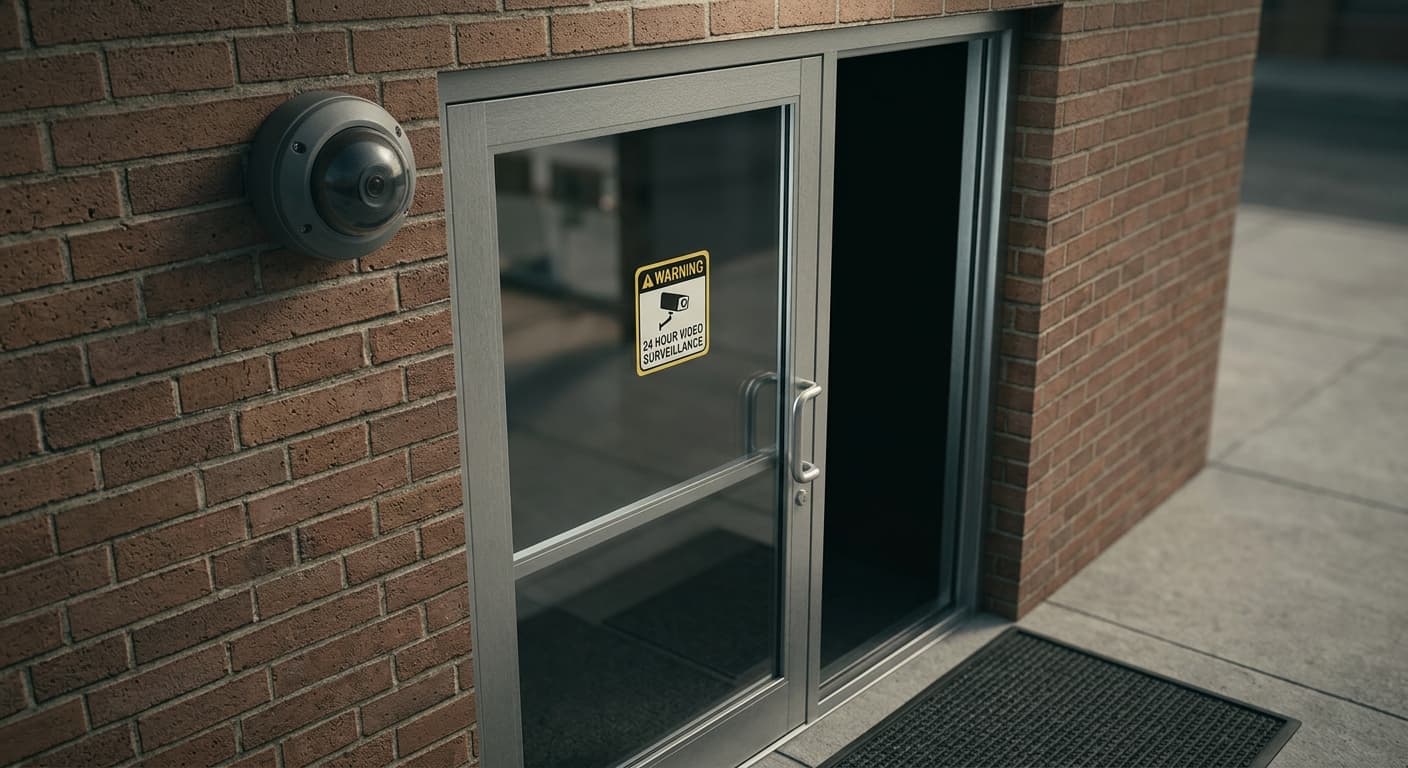
California permite las cámaras de seguridad en propiedad residencial y comercial para grabación solo de video en áreas visibles al público. Agregar audio a cualquier cámara activa el Penal Code 632, la ley de consentimiento de todas las partes del estado, y usar una cámara para ver el interior de espacios privados como dormitorios o baños con la intención de invadir la privacidad de una persona que se encuentra dentro viola el Penal Code 647(j).
Respuesta Rápida
California no tiene un solo estatuto que rija las cámaras de seguridad. En cambio, una combinación de leyes estatales controla dónde puede colocar cámaras, si puede grabar audio, y cómo debe manejarse el material grabado. La regla más importante que debe entender es que la grabación solo de video en áreas visibles al público generalmente es legal, pero agregar audio a cualquier cámara de seguridad activa de inmediato el Penal Code 632 de California, la estricta ley de escuchas de consentimiento de todas las partes del estado. Esta distinción entre video y audio es la fuente número uno de problemas legales para los propietarios de vivienda y negocios de California que usan cámaras de seguridad.
Esta guía cubre las reglas de colocación residencial, disputas entre vecinos, regulaciones de la HOA, vigilancia comercial y laboral, cámaras Ring, cámaras falsas, el acceso de la policía al material grabado, la privacidad de datos bajo la CCPA, y las reglas para complejos de apartamentos.
Leyes de Cámaras de Seguridad de California de un Vistazo
| Tema | Regla |
|---|---|
| Grabación de video en su propiedad | Legal en áreas visibles al público |
| Grabación de audio | Exige el consentimiento de todas las partes bajo el PC 632 |
| Cámaras apuntadas hacia vecinos | Legal si graba únicamente áreas visibles al público |
| Cámaras ocultas en áreas privadas | Ilegal bajo el PC 647(j) |
| Cámaras en el lugar de trabajo | Permitidas en áreas comunes, prohibidas en baños y vestidores |
| Requisito de señalización | No exigido legalmente pero muy recomendado |
| La CCPA se aplica al material grabado | Sí, el material es dato personal si identifica a las personas |
| Acceso de la policía | Exige una orden judicial, citación, o su consentimiento voluntario |
| Período de retención | Sin mínimo exigido por el estado; 30 a 90 días es la práctica estándar |
Reglas de Colocación de Cámaras de Seguridad Residenciales
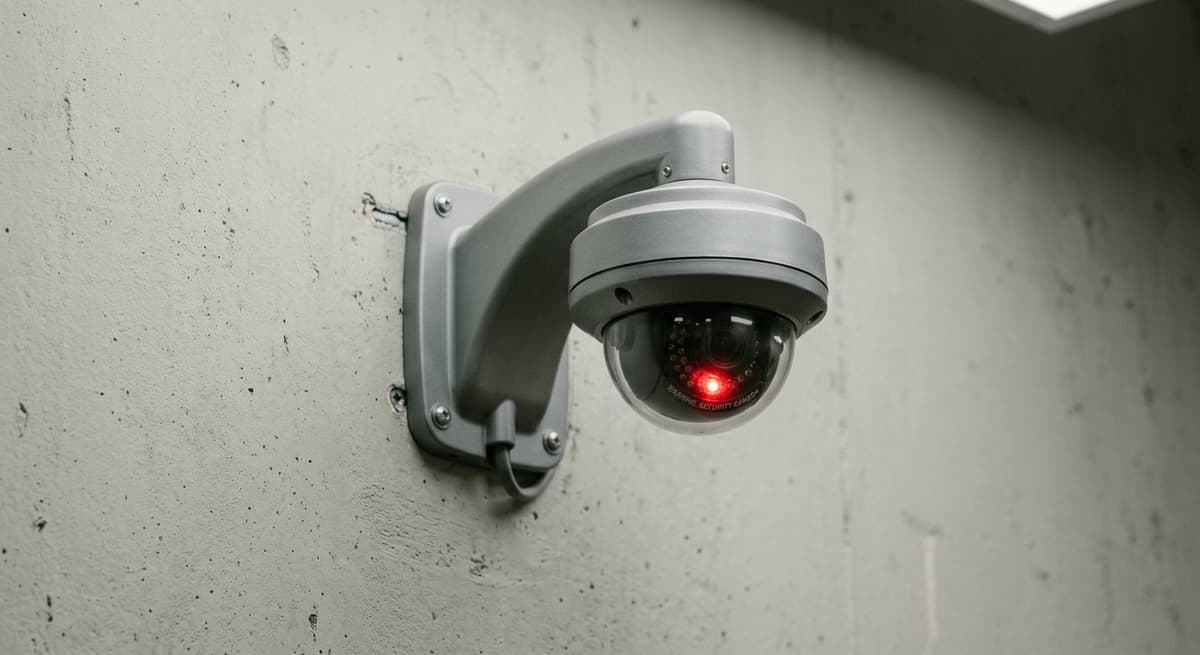
Dónde Puede Colocar Cámaras
Los propietarios de vivienda de California pueden instalar cámaras de seguridad en su propia propiedad para protegerse contra el delito, supervisar entregas, y vigilar sus hogares. Puede colocar cámaras en los siguientes lugares sin ninguna preocupación legal:
- Su porche delantero, entrada de auto, y garaje
- Patios laterales y traseros que sean de su propiedad
- Entradas, pasillos, y salas comunes dentro de su casa
- Apuntadas hacia su propia puerta principal, buzón, o vehículos
La regla general es que puede grabar cualquier cosa visible desde un punto de vista público. Si un transeúnte en la acera pudiera verlo, su cámara puede grabarlo.
Dónde No Puede Colocar Cámaras
La ley de California traza una línea firme en las áreas donde las personas tienen una expectativa razonable de privacidad. Bajo el Penal Code 647(j), es ilegal usar una cámara u otro dispositivo para ver el interior de un dormitorio, baño, vestidor, o cualquier otra área donde el ocupante tenga una expectativa razonable de privacidad, con la intención de invadir la privacidad de una persona que se encuentra dentro. Violar esta ley es un delito menor castigado con hasta seis meses de cárcel y una multa de hasta $1,000 para una primera infracción, o hasta un año de cárcel y $2,000 para reincidencias.
Nunca debería colocar cámaras:
- Dentro de baños
- Apuntadas hacia las ventanas del dormitorio o baño de un vecino
- En dormitorios de huéspedes donde los visitantes esperan privacidad
- Apuntadas directamente hacia el patio trasero cercado de un vecino
El Problema de la Grabación de Audio
Aquí es donde la mayoría de los propietarios de vivienda se meten en problemas. Muchas cámaras de seguridad populares de Ring, Nest, Arlo, y Wyze vienen con micrófonos integrados activados por defecto. En el momento en que su cámara graba audio, usted queda sujeto al Penal Code 632 de California, que hace ilegal grabar una comunicación confidencial sin el consentimiento de todas las partes.
Una primera infracción del PC 632 conlleva sanciones de hasta $2,500 en multas y hasta un año en la cárcel del condado o la prisión estatal. Los reincidentes enfrentan multas de hasta $10,000. Las víctimas también pueden presentar una demanda civil y recuperar $5,000 por infracción o el triple de sus daños reales, lo que sea mayor.
Una conversación en su porche delantero entre usted y un repartidor podría considerarse confidencial si ambas partes esperan razonablemente que sea privada. Para mantenerse seguro, debería desactivar la grabación de audio en las cámaras exteriores o colocar señalización clara indicando que se está grabando audio y video.
¿Puede su Vecino Apuntar una Cámara de Seguridad hacia su Propiedad?
Esta es una de las preguntas más comunes que hacen los propietarios de vivienda de California. La respuesta corta: depende de lo que capte la cámara.
Cuándo Es Legal
Su vecino puede apuntar legalmente una cámara de seguridad en dirección general hacia su propiedad si la cámara capta únicamente áreas visibles desde espacios públicos. Esto incluye su:
- Patio delantero, entrada de auto, y acera
- Paredes exteriores y techo
- Vehículos estacionados en su entrada de auto o en la calle
- Cualquier área visible desde la propiedad del vecino o la calle
Los tribunales de California han sostenido consistentemente que usted no tiene una expectativa razonable de privacidad en áreas que son claramente visibles al público. Si alguien parado en la acera pudiera ver la misma vista que la cámara, la grabación probablemente sea legal.
Cuándo Es Ilegal
La cámara de un vecino cruza la línea legal cuando se apunta para captar áreas donde usted tiene una expectativa razonable de privacidad. Esto incluye:
- El interior de su casa a través de ventanas, especialmente dormitorios y baños
- Un patio trasero cercado donde usted ha tomado medidas para crear privacidad
- Cualquier área donde la cámara use zoom u óptica mejorada para ver detalles que no son visibles a simple vista desde un punto de vista público
El Civil Code 1708.8 de California crea responsabilidad civil por invasión de la privacidad. Una persona que a sabiendas entra al terreno de otra o usa un dispositivo para captar imágenes de alguien realizando una actividad privada, de una manera ofensiva para una persona razonable, es responsable por hasta tres veces los daños reales. Los tribunales también pueden imponer multas civiles que van de $5,000 a $50,000.
Qué Hacer si la Cámara de un Vecino Invade su Privacidad
Si usted cree que la cámara de seguridad de un vecino está grabando áreas donde tiene una expectativa razonable de privacidad, tome estos pasos:
- Documente la posición de la cámara. Tome fotos que muestren la ubicación de la cámara y las áreas que parece cubrir.
- Hable con su vecino. Muchas disputas surgen de cámaras mal orientadas más que de mala intención. Una conversación cortés puede resolver el problema.
- Envíe una solicitud por escrito. Si hablar no funciona, envíe una carta escrita pidiendo al vecino que redirija la cámara.
- Contacte al código de cumplimiento local. Algunas ciudades y condados de California tienen ordenanzas locales que pueden ofrecer protecciones adicionales.
- Consulte a un abogado. Si la invasión continúa, puede tener motivos para una demanda civil bajo el Civil Code 1708.8 o una denuncia penal bajo el PC 647(j).
Reglas de las HOA sobre Cámaras de Seguridad en California

Las asociaciones de propietarios (HOA) agregan otra capa de regulación. Bajo el Civil Code 4765 de California, las HOA pueden exigir aprobación arquitectónica para modificaciones exteriores, y las cámaras de seguridad montadas en paredes exteriores o aleros pueden caer bajo este requisito.
Lo que las HOA Pueden Hacer
- Exigirle que presente una solicitud de revisión arquitectónica antes de instalar cámaras exteriores
- Establecer reglas sobre la colocación, tamaño, color, y visibilidad de las cámaras
- Regular hacia dónde apuntan las cámaras para proteger la privacidad de las unidades vecinas
- Instalar sus propias cámaras en áreas comunes como garajes de estacionamiento, vestíbulos, piscinas, y pasillos
Lo que las HOA No Pueden Hacer
- Prohibir las cámaras de seguridad por completo. Ningún estatuto de California garantiza expresamente el derecho a instalar cámaras de seguridad, y no tenemos conocimiento de una decisión de apelación publicada en California sobre prohibiciones de cámaras. Sin embargo, cuando una HOA exige aprobación arquitectónica, el Civil Code 4765 exige que su decisión se tome de buena fe y que no sea irrazonable, arbitraria ni caprichosa, lo que puede hacer difícil defender una negativa general.
- Grabar en áreas privadas. Las cámaras instaladas por la HOA en áreas comunes no deben apuntarse hacia unidades individuales, baños, u otros espacios privados.
- Grabar audio sin consentimiento. Las cámaras de la HOA con micrófonos están sujetas a los mismos requisitos de consentimiento de todas las partes del PC 632 que cualquier otro dispositivo de grabación.
Timbres Ring y las Reglas de las HOA
Los timbres con video como Ring, Nest Hello, y Arlo son un punto frecuente de conflicto en las HOA de California. Algunas asociaciones han intentado prohibir por completo los timbres con cámara. Sin embargo, un timbre con cámara se trata legalmente igual que cualquier otra cámara de seguridad residencial. Las HOA pueden regular el método de instalación (como prohibir perforar en las paredes de áreas comunes en un condominio), pero las prohibiciones absolutas sobre los timbres con video enfrentan desafíos legales. Si su HOA intenta prohibir su timbre Ring, consulte los CC&R (convenios, condiciones y restricciones) y considere si la restricción es razonable bajo la ley de California.
Vigilancia Comercial y Minorista en California
Los negocios de California pueden usar cámaras de seguridad para prevenir robos, supervisar la seguridad, y proteger a los empleados y clientes. Sin embargo, la vigilancia comercial está sujeta a regulaciones adicionales más allá de las reglas residenciales.
Dónde los Negocios Pueden Instalar Cámaras
- Pisos de venta, áreas minoristas, y exhibiciones de mercancía
- Entradas y salidas del edificio
- Estacionamientos y estructuras de estacionamiento
- Muelles de carga y áreas de almacenamiento
- Áreas de cajas registradoras y puntos de venta
- Áreas comunes de oficina, pasillos, y vestíbulos
Dónde los Negocios No Pueden Instalar Cámaras
California prohíbe estrictamente las cámaras en áreas donde los clientes o empleados tienen una expectativa razonable de privacidad:
- Baños
- Vestidores y probadores
- Vestidores con casilleros y áreas de ducha
- Cabinas de bronceado
- Salas de lactancia
Violar estas restricciones puede resultar en cargos penales bajo el PC 647(j) y responsabilidad civil significativa.
Señalización para Propiedades Comerciales
California no tiene una ley estatal general que exija a los negocios colocar letreros de "vigilancia por video en uso". Sin embargo, colocar señalización visible se recomienda firmemente como buena práctica por varias razones:
- Los letreros actúan como disuasivo del robo y el vandalismo
- La señalización ayuda a establecer que las personas que entran al lugar no tienen expectativa de privacidad en las áreas monitoreadas
- Los letreros demuestran cumplimiento de buena fe con las regulaciones de privacidad
- Algunas ordenanzas municipales y de condado pueden exigir señalización para negocios
Si sus cámaras graban audio, la señalización se vuelve más importante porque puede ayudar a establecer que las personas fueron notificadas y continuaron sus conversaciones voluntariamente, abordando potencialmente el requisito de consentimiento del PC 632.
Cámaras de Vigilancia en el Lugar de Trabajo en California
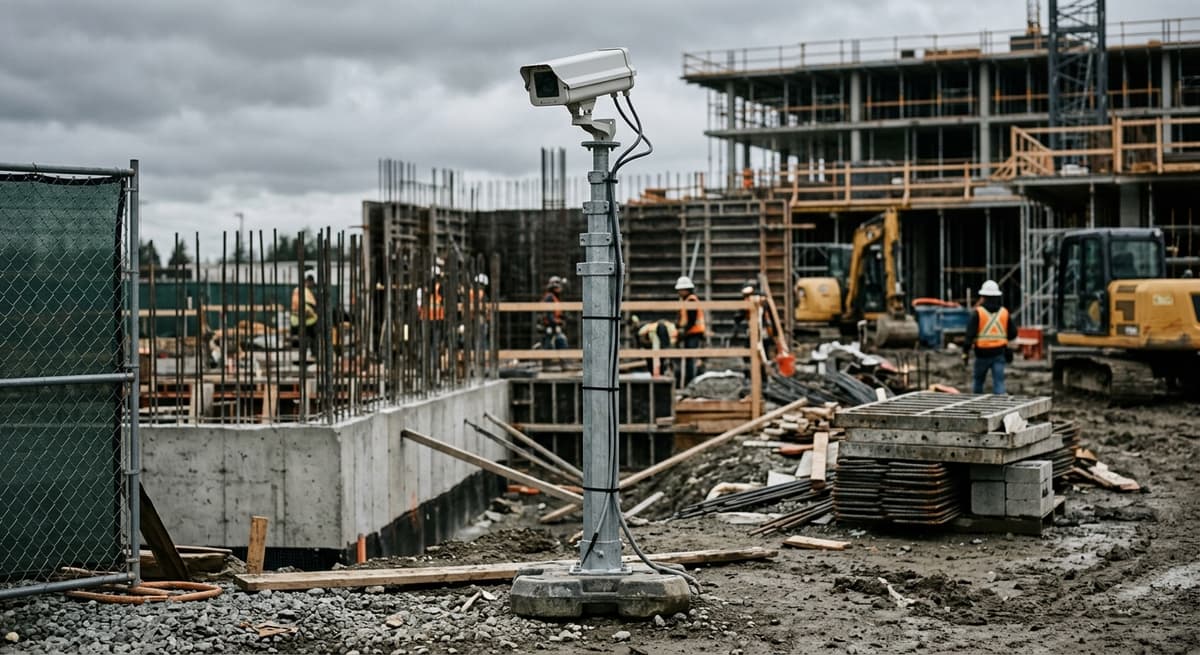
California tiene algunas de las protecciones de privacidad laboral más fuertes del país. La Constitución de California garantiza explícitamente un derecho a la privacidad en el Artículo I, Sección 1, y este derecho se extiende al lugar de trabajo.
Derechos del Empleador
Los empleadores pueden instalar cámaras de seguridad visibles en áreas comunes de trabajo siempre que tengan una razón de negocio legítima. Las razones aceptables incluyen:
- Prevenir el robo de inventario, equipo, o secretos comerciales
- Supervisar la seguridad y el cumplimiento en el lugar de trabajo
- Proteger a los empleados de violencia o acoso
- Documentar incidentes para fines de compensación laboral o responsabilidad
Áreas de Vigilancia Prohibidas
El Labor Code 435 de California hace ilegal que cualquier empleador grabe audio o video de un empleado en un baño, vestidor, o sala designada para cambiarse de ropa, a menos que esté autorizado por una orden judicial. Esta prohibición no tiene excepciones por motivos de seguridad.
Otras áreas donde las cámaras en el lugar de trabajo están prohibidas o fuertemente restringidas incluyen:
- Salas de descanso (los tribunales han determinado que los empleados pueden tener una expectativa razonable de privacidad)
- Salas de reunión sindical
- Áreas designadas para llamadas telefónicas personales
- Cualquier espacio privado donde los empleados tengan una expectativa razonable de privacidad
Grabación de Audio en el Lugar de Trabajo
Debido a que California es un estado de consentimiento de todas las partes bajo el PC 632, los empleadores no pueden grabar conversaciones laborales sin el conocimiento y consentimiento de todas las partes. Esto se aplica a:
- Conversaciones en persona entre empleados
- Llamadas telefónicas hechas por empleados
- Videollamadas de conferencia
- Cualquier comunicación verbal donde las partes esperen privacidad
Los empleadores que quieran usar cámaras con audio deberían dar aviso escrito claro en los manuales de los empleados y obtener el consentimiento explícito de los trabajadores.
Legislación Emergente
California ha estado expandiendo activamente las protecciones de vigilancia de los empleados. El Assembly Bill 1221 busca regular las herramientas de vigilancia en el lugar de trabajo, incluidos los sistemas de monitoreo impulsados por IA, extendiendo la cobertura a los trabajadores remotos y fuera del sitio sin importar su ubicación. El AB 1331 restringiría la vigilancia en baños y salas de descanso y otorgaría a los empleados el derecho de dejar dispositivos con capacidad de grabación fuera de su horario laboral. Ninguno de los dos proyectos de ley ha sido promulgado; los empleadores deberían monitorear ambos para conocer nuevos requisitos de cumplimiento.
Timbres Ring y Leyes sobre Timbres con Video
Los timbres Ring y las cámaras de timbre con video similares son legales en California, pero están sujetos a las mismas reglas que cualquier otra cámara de seguridad.
Reglas Clave para los Propietarios de Timbres Ring
- La grabación de video de su porche delantero, entrada de auto, y calle es legal
- La grabación de audio debe cumplir con el PC 632. Los timbres Ring tienen micrófonos activados por defecto. Considere desactivar el audio o colocar un letrero que diga "Grabación de Audio y Video en Progreso"
- El audio bidireccional a través de la aplicación Ring es legal porque ambas partes saben que la conversación está ocurriendo a través del dispositivo
- La grabación activada por movimiento es legal siempre que capte únicamente áreas visibles al público y no incluya audio de conversaciones confidenciales
- Compartir material grabado en redes sociales o aplicaciones de vecindario como Nextdoor es legal si capta actividad en áreas públicas, pero compartir material que muestre a alguien en un momento privado podría crear responsabilidad
Ring y el Acceso de la Policía
La política oficial de Ring exige que las fuerzas del orden obtengan una orden de registro válida u orden judicial antes de que la empresa divulgue el material de los usuarios. Ring terminó su herramienta de Solicitud de Asistencia (RFA) a principios de 2024, la cual permitía a la policía enviar solicitudes masivas de video directamente a los usuarios de Ring. En septiembre de 2025, Ring comenzó a implementar Community Requests, que permite a las agencias locales verificadas que usan Axon Evidence publicar solicitudes de video cercanas a un incidente en la app Neighbors; responder es voluntario.
La policía todavía puede:
- Pedirle voluntariamente que comparta material (usted tiene derecho a negarse)
- Obtener una orden judicial de un juez con base en causa probable
- Solicitar material en emergencias que involucren peligro inminente de muerte o lesión física grave
Nunca está obligado a entregar su material de Ring a la policía sin una orden judicial. La Cuarta Enmienda protege su derecho a rechazar registros sin orden judicial de su propiedad, incluidas las grabaciones digitales almacenadas en sus dispositivos o en la nube.
Cámaras de Seguridad Falsas (Señuelo)
California no tiene una ley específica que prohíba instalar cámaras de seguridad falsas o señuelo. Sin embargo, usar cámaras falsas crea una responsabilidad legal significativa.
El Riesgo de Responsabilidad
Si usted instala cámaras señuelo y alguien es agredido, robado, o dañado de otra manera en un área que creía que estaba bajo vigilancia, podría enfrentar responsabilidad civil por crear una falsa sensación de seguridad. Los tribunales han determinado que las cámaras falsas pueden llevar a las personas a tomar riesgos que de otra manera no tomarían, como caminar solas en un área mal iluminada que creen que está monitoreada.
Este riesgo es especialmente alto para:
- Dueños de complejos de apartamentos y administradores de propiedad
- HOA que instalan cámaras señuelo en áreas comunes
- Dueños de negocios que usan cámaras falsas en lugar de reales
- Arrendadores que aseguran que una propiedad tiene vigilancia de seguridad
Mejores Prácticas para Cámaras Señuelo
Si usted decide usar cámaras señuelo a pesar del riesgo de responsabilidad:
- Nunca represente que las cámaras son reales o funcionales
- No coloque letreros de "vigilancia en progreso" cerca de cámaras señuelo, ya que esto aumenta la falsa sensación de seguridad
- Divulgue a los inquilinos, empleados, o miembros de la HOA que las cámaras no son funcionales
- Considere la comparación de costos. Las cámaras de seguridad reales básicas ahora cuestan menos de $50, lo que hace difícil justificar el riesgo de responsabilidad de las cámaras señuelo
La CCPA y el Material de las Cámaras de Seguridad
El material de cámaras de seguridad que capta a personas identificables califica como información personal bajo la Ley de Privacidad del Consumidor de California (CCPA). Esto tiene implicaciones significativas para los negocios que operan cámaras de seguridad.
Derechos del Consumidor Bajo la CCPA
Si su negocio recopila material de cámaras de seguridad que identifica a consumidores de California, esas personas tienen el derecho de:
- Conocer qué información personal (incluido el material de video) su negocio ha recopilado sobre ellos
- Acceder al material de video en el que aparecen
- Solicitar la eliminación del material que contenga su imagen (con algunas excepciones por seguridad y cumplimiento legal)
- Optar por no participar en la venta o el intercambio de material que contenga su imagen
- No discriminación por ejercer cualquiera de estos derechos
Cuando un consumidor solicita acceso al material en el que aparece, los negocios deben cumplir. Sin embargo, cualquier tercero visible en el mismo material debe ser difuminado o editado antes de compartirlo.
Sanciones por Infracciones de la CCPA
La CCPA impone sanciones de hasta $7,500 por infracción intencional. Para negocios con sistemas extensos de cámaras de seguridad que captan a cientos o miles de personas, la responsabilidad potencial es considerable.
Pasos Prácticos de Cumplimiento
- Incluya el material de cámaras de seguridad en las divulgaciones de su política de privacidad de la CCPA
- Establezca una política clara de retención y eliminación de datos para el material grabado
- Capacite a los empleados sobre cómo manejar las solicitudes de los consumidores para acceder al material
- Implemente procedimientos para editar a terceros al cumplir con las solicitudes de acceso
- Documente su propósito de negocio legítimo para recopilar el material
Cámaras de Seguridad en Complejos de Apartamentos
Las cámaras de seguridad en complejos de apartamentos implican un equilibrio entre el interés del arrendador en la seguridad de la propiedad y los derechos de privacidad de los inquilinos.
Reglas de Colocación de Cámaras del Arrendador
Los arrendadores pueden instalar cámaras en:
- Entradas y salidas del edificio
- Pasillos y escaleras
- Estacionamientos y garajes
- Salas de lavandería y áreas de correo
- Piscinas y áreas recreativas
Los arrendadores no pueden colocar cámaras:
- Dentro de las unidades individuales
- Apuntadas para captar el interior de las unidades cuando se abren las puertas
- Cerca de ventanas orientadas para ver dentro de espacios privados
- En cualquier ubicación que constituya vigilancia de las actividades diarias de un inquilino específico
Derechos de los Inquilinos
Bajo el Civil Code 1940.2 de California, es ilegal que un arrendador use la fuerza, amenazas deliberadas, conducta amenazante u otras tácticas coercitivas enumeradas, incluida una violación significativa de las normas de aviso de entrada, con el propósito de presionar a un inquilino para que desaloje la propiedad. El estatuto en sí no crea un derecho para que los inquilinos instalen dispositivos de seguridad. Los inquilinos a menudo pueden instalar cámaras removibles en la entrada de su propia unidad cuando el contrato de arrendamiento lo permite, pero deberían:
- Revisar el contrato de arrendamiento en busca de restricciones sobre modificaciones (perforar agujeros, instalar soportes)
- Asegurarse de que las cámaras no apunten hacia las puertas o ventanas de otros inquilinos
- Desactivar la grabación de audio para cumplir con el PC 632
- Retirar las cámaras y reparar cualquier daño al mudarse
Audio en las Áreas Comunes
Los arrendadores nunca deberían activar la grabación de audio en las cámaras de las áreas comunes de un apartamento. Las conversaciones entre inquilinos en pasillos, vestíbulos, y áreas de estacionamiento pueden considerarse confidenciales bajo el PC 632, y grabarlas sin el consentimiento de todas las partes es ilegal.
Retención del Material de las Cámaras de Seguridad
California no tiene una ley estatal general que exija cuánto tiempo deben conservar los propietarios de vivienda o negocios el material de las cámaras de seguridad. Sin embargo, hay pautas prácticas y algunos requisitos específicos que considerar.
Mejores Prácticas Generales
- Cámaras residenciales: la mayoría de los sistemas de seguridad del hogar conservan el material de 7 a 30 días antes de sobrescribirlo, lo cual es suficiente para la mayoría de los propósitos
- Propiedades comerciales: la mejor práctica de la industria es una retención de 30 a 90 días
- Material relacionado con incidentes: si su cámara capta un delito, accidente, u otro incidente, preserve ese material de inmediato y almacénelo por separado de su ciclo de grabación regular
Requisitos Específicos
- Un proyecto de ley del período 2025-2026 conocido como la California Location Privacy Act (AB 1355) habría exigido la eliminación del material que contenga placas de matrícula o datos de reconocimiento facial dentro de 30 días para ciertos sistemas de cámaras que captan áreas públicas, pero fracasó en la Legislatura el 31 de enero de 2026 y nunca entró en vigor; actualmente no existe tal requisito de eliminación
- Si un consumidor hace una solicitud bajo la CCPA relacionada con el material grabado, usted debe conservar el material el tiempo suficiente para procesar la solicitud
- Si el material es relevante para un litigio pendiente o anticipado, usted tiene el deber legal de preservarlo sin importar su cronograma normal de retención
Sanciones por el Uso Ilegal de Cámaras de Seguridad en California
California impone sanciones tanto penales como civiles por infracciones relacionadas con cámaras de seguridad.
| Infracción | Estatuto | Sanción |
|---|---|---|
| Grabar comunicaciones confidenciales (audio) | PC 632 | Hasta $2,500 de multa y/o 1 año de cárcel (primera infracción); hasta $10,000 de multa (reincidencia) |
| Voyeurismo o cámara oculta en área privada | PC 647(j) | Hasta 6 meses de cárcel y $1,000 de multa (primera infracción); hasta 1 año y $2,000 (reincidencia) |
| Invasión de la privacidad (civil) | Civil Code 1708.8 | Tres veces los daños reales más multa civil de $5,000 a $50,000 |
| Grabación del empleador en baño o vestidor | Labor Code 435 | Sanciones penales más responsabilidad civil |
| Infracción de la CCPA (aplicación por AG/CPPA) | Civil Code 1798.155 | Hasta $7,500 por infracción intencional |
| Demanda civil por grabación de audio ilegal | PC 637.2 | $5,000 por infracción o el triple de los daños reales, lo que sea mayor |
Leyes de Grabación de California Relacionadas
- Leyes de Grabación de California (Guía Principal)
- Leyes de Grabación de Audio en California
- Leyes de Grabación de Video en California
- Leyes de Grabación en el Trabajo en California
- Leyes de Voyeurismo y Cámaras Ocultas en California
- Leyes de California sobre la Grabación de la Policía
- Leyes de Grabación y Vigilancia entre Arrendador e Inquilino en California
- Leyes de Cámaras de Tablero en California
- Leyes de Grabación de Llamadas Telefónicas en California
- Leyes de California sobre la Grabación en Público
- Leyes de Grabación en Escuelas de California
- Leyes de California sobre la Grabación de Médicos y Citas Médicas
Más Leyes de California
- Leyes de California sobre Grabación de Reuniones con IA
- Leyes de Pensión Alimenticia en California
- Leyes de Empleo a Voluntad en California
- Leyes de Accidentes Automovilísticos en California
- Leyes de Asientos de Auto para Niños en California
- Leyes de Custodia de Menores en California
- Leyes de Manutención Infantil en California
- Leyes de Matrimonio de Hecho en California
- Leyes de Privacidad de Datos en California
- Leyes de Deepfake en California
- Leyes de Divorcio en California
- Leyes sobre Mordeduras de Perro en California
- Leyes de Emancipación en California
- Leyes de Expungement en California
- Leyes de Fuga tras Accidente en California
- Leyes de Arrendador e Inquilino en California
Más Temas de Grabación de California
- Leyes de Grabación de California
- Grabación de Audio en California
- Grabación de Video en California
- Grabación Médica en California
- Grabación en Escuelas de California
- Grabación en el Trabajo en California
- Grabación de la Policía en California
- Grabación de Llamadas Telefónicas en California
- Grabación de Voyeurismo en California
- Grabación entre Arrendador e Inquilino en California
- Grabación con Cámaras de Tablero en California
- Grabación en Público en California
- Leyes de Privacidad Biométrica de California
- Leyes de Cámaras de Vigilancia
Vea También
- Leyes de Cámaras de Vigilancia de California cubre las reglas de cámaras para el hogar, la HOA, vecinos, el lugar de trabajo, y arrendadores en California.
Preguntas frecuentes
¿Es legal tener cámaras de seguridad en la casa en California?
Sí. Los propietarios de vivienda de California pueden instalar cámaras de seguridad en su propia propiedad. Las cámaras pueden grabar su patio delantero, entrada de auto, porche, y cualquier área visible desde un punto de vista público. Sin embargo, las cámaras no deben apuntarse hacia áreas donde otros tengan una expectativa razonable de privacidad, como las ventanas del dormitorio o baño de un vecino. Si sus cámaras graban audio, debe cumplir con el Penal Code 632, que exige el consentimiento de todas las partes de una comunicación confidencial.
¿Puede mi vecino apuntar legalmente una cámara de seguridad hacia mi casa en California?
Su vecino puede apuntar una cámara en dirección general hacia su propiedad si solo capta áreas visibles desde espacios públicos, como su patio delantero, entrada de auto, o paredes exteriores. La cámara se vuelve ilegal si se apunta para grabar áreas donde usted tiene una expectativa razonable de privacidad, como el interior de su casa a través de ventanas o un patio trasero cercado. Si la cámara de un vecino invade su privacidad, puede tener motivos para una demanda civil bajo el Civil Code 1708.8 de California.
¿Las cámaras de seguridad con audio violan la ley de California?
Las cámaras de seguridad que graban solo video generalmente son legales en California. Sin embargo, activar la grabación de audio activa el Penal Code 632, la ley de escuchas de consentimiento de todas las partes de California. Grabar una conversación confidencial sin el consentimiento de todas las partes es un delito castigado con multas de hasta $2,500 (primera infracción) o $10,000 (reincidencia) y hasta un año de cárcel. Muchas cámaras populares de Ring, Nest, y Arlo tienen micrófonos activados por defecto, por lo que los propietarios de vivienda deberían desactivar el audio o colocar señalización clara.
¿Puede mi HOA prohibir las cámaras de seguridad o los timbres Ring en California?
Una HOA puede regular cómo se instalan las cámaras de seguridad, incluido exigir revisión arquitectónica bajo el Civil Code 4765 para cámaras montadas en el exterior. Ningún estatuto de California garantiza expresamente el derecho a instalar cámaras, y no tenemos conocimiento de una decisión de apelación publicada en California sobre prohibiciones de cámaras. El Civil Code 4765 exige que las decisiones de revisión arquitectónica se tomen de buena fe y que no sean irrazonables, arbitrarias ni caprichosas, por lo que la HOA puede establecer reglas razonables sobre la colocación, apariencia, y dirección de las cámaras, pero una prohibición total puede ser difícil de defender. Revise sus CC&R y considere asesoría legal antes de impugnar una prohibición.
¿Puede la policía acceder al material de mi cámara de seguridad o timbre Ring sin una orden judicial en California?
La policía generalmente necesita una orden de registro válida u orden judicial para acceder al material de su cámara de seguridad. Usted no está obligado a entregar las grabaciones sin una orden judicial. La política oficial de Ring exige que las fuerzas del orden obtengan una orden judicial antes de que la empresa divulgue el material de los usuarios. Las únicas excepciones son cuando usted consiente voluntariamente compartir el material o en situaciones de emergencia que involucren peligro inminente de muerte o lesión física grave.
Actualizaciones
Se corrigió la descripción del Penal Code 647(j) para incluir su elemento de intención de invadir la privacidad, se arregló un enlace de estatuto cambiado, se eliminó la afirmación sin respaldo de que los tribunales de California prohíben las prohibiciones de cámaras por parte de las HOA, y se añadió el programa Community Requests de Ring de 2025.
Se corrigió la descripción del Civil Code 1940.2: prohíbe conductas coercitivas específicas del arrendador dirigidas a forzar la salida de un inquilino, y no otorga por sí mismo un derecho a instalar dispositivos de seguridad.
La ley detrás de este artículo
Este artículo se apoya en las disposiciones legales a continuación, conservadas en nuestro propio registro jurídico y obtenidas de la fuente oficial. Toque una sección para leer el texto vigente.
California Penal Code
§ 632Vigentecitada en 55 de nuestros artículos
(a) A person who, intentionally and without the consent of all parties to a confidential communication, uses an electronic amplifying or recording device to eavesdrop upon or record the confidential communication, whether the communication is carried on among the parties in the presence of one another or by means of a telegraph, telephone, or other device, except a radio, shall be punished by a fine not exceeding two thousand five hundred dollars ($2,500) per violation, or imprisonment in a county jail not exceeding one year, or in the state prison, or by both that fine and imprisonment. If the person has previously been convicted of a violation of this section or Section 631, 632.5, 632.6, 632.7, or 636, the person shall be punished by a fine not exceeding ten thousand dollars ($10,000) per violation, by imprisonment in a county jail not exceeding one year, or in the state prison, or by both that fine and imprisonment.
Texto oficial (extracto) · verificado el 2026-09-23 · Lea el texto completo en nuestra biblioteca legal · Verifique en leginfo.legislature.ca.gov
Citada en 267 resoluciones judiciales de nuestra colecciónResolución más reciente que la cita en nuestra colección: 2026
En los tribunales (resumen editorial, verificado de forma independiente):Kimmel v. Goland (1990) sostuvo que el privilegio de litigio del artículo 47(2) no impide una demanda de daños bajo la Sección 632 por grabar conversaciones confidenciales sin consentimiento. Lieberman v. KCOP Television, Inc. (2003) sostuvo que la violación se comete al hacer la grabación secreta, se divulgue o no.
Resoluciones que citan esta sección en nuestra colección:
- Rubin v. Green (California Supreme Court 1993, 4 Cal. 4th 1187)“…f telephone conversations with defendants, an offense under Penal Code section 632. We noted that defendants alleged that…”
- Kimmel v. Goland (California Supreme Court 1990, 51 Cal. 3d 202)✓Dueños de casas móviles grabaron en secreto llamadas con la administración del parque en anticipación de demandar; el tribunal sostuvo que el privilegio litigioso de la sección 47(2) no impedía la contrademanda por daños bajo la sección 632 del Código Penal, porque la lesión provino de la grabación, no de una publicación.
- Shulman v. Group W Productions, Inc. (California Supreme Court 1998, 74 Cal. Rptr. 2d 843)✓Un productor de televisión colocó un micrófono inalámbrico a la enfermera de vuelo que atendía a una víctima de un accidente. No había demanda bajo la sección 632 ante el tribunal, pero este llamó a la sección 632 y al agravio de intromisión leyes de aplicación general y dijo que la prensa no puede escuchar en violación de esa sección.
Identificado automáticamente a partir de las opiniones judiciales que citan esta sección; no es un ranking de qué caso prevalece.
También citada en: Grabaciones como prueba: reglas judiciales por estado, Leyes de grabación de reuniones con IA en Pensilvania: Consentimiento de todas las partes y penas de delito grave (2026)
§ 647Vigentecitada en 19 de nuestros artículos
Except as provided in paragraph (5) of subdivision (b) and in subdivisions (k) and (l), a person who commits any of the following acts is guilty of disorderly conduct, a misdemeanor: (a) An individual who solicits anyone to engage in or who engages in lewd or dissolute conduct in a public place or in a place open to the public or exposed to public view. (b) (1) An individual who solicits, or who agrees to engage in, or who engages in, an act of prostitution with the intent to receive compensation, money, or anything of value from another person. An individual agrees to engage in an act of prostitution when, with specific intent to so engage, the individual manifests an acceptance of an offer or solicitation by another person to so engage, regardless of whether the offer or solicitation was made by a person who also possessed the specific intent to engage in an act of prostitution. (2) An individual who solicits, or who agrees to engage in, or who engages in, an act of prostitution with another person who is 18 years of age or older in exchange for the individual providing compensation, money, or anything of value to the other person.
Texto oficial (extracto) · verificado el 2026-08-31 · Lea el texto completo en nuestra biblioteca legal · Verifique en leginfo.legislature.ca.gov
Citada en 593 resoluciones judiciales de nuestra colecciónResolución más reciente que la cita en nuestra colección: 2026
En los tribunales (resumen editorial, verificado de forma independiente):In re Giannini (1968) anuló las condenas bajo el Código Penal 647(a) porque la fiscalía no presentó prueba de los estándares comunitarios, y equiparó "lewd or dissolute" con lo obsceno solo para juzgar un baile presuntamente obsceno presentado ante un público.
Resoluciones que citan esta sección en nuestra colección:
- Morrison v. State Board of Education (California Supreme Court 1969, 1 Cal. 3d 214)“…public beach and the teacher was arrested for violation of Penal Code section 647, subdivision (a), and convicted, on his…”
- People v. Laiwa (California Supreme Court 1983, 34 Cal. 3d 711)“…to arrest him for being under the influence of a narcotic. (Pen. Code, § 647, subd. (f).) [1] He moved, however, to…”
- In Re Cregler (California Supreme Court 1961, 56 Cal. 2d 308)✓Un hombre con una condena previa por robo fue arrestado por estar de pie en una estación de autobuses de San Francisco bajo la versión de vagancia de la section 647 anterior a 1961. La corte rechazó su planteamiento de vaguedad, interpretó que merodear exige permanecer para cometer un delito y negó el hábeas corpus.
Identificado automáticamente a partir de las opiniones judiciales que citan esta sección; no es un ranking de qué caso prevalece.
California Civil Code
§ 1708.8Vigentecitada en 9 de nuestros artículos
(a) A person is liable for physical invasion of privacy when the person knowingly enters onto the land or into the airspace above the land of another person without permission or otherwise commits a trespass in order to capture any type of visual image, sound recording, or other physical impression of the plaintiff engaging in a private, personal, or familial activity and the invasion occurs in a manner that is offensive to a reasonable person. (b) A person is liable for constructive invasion of privacy when the person attempts to capture, in a manner that is offensive to a reasonable person, any type of visual image, sound recording, or other physical impression of the plaintiff engaging in a private, personal, or familial activity, through the use of any device, regardless of whether there is a physical trespass, if this image, sound recording, or other physical impression could not have been achieved without a trespass unless the device was used. (c) An assault or false imprisonment committed with the intent to capture any type of visual image, sound recording, or other physical impression of the plaintiff is subject to subdivisions (d), (e), and (h).
Texto oficial (extracto) · verificado el 2026-08-31 · Lea el texto completo en nuestra biblioteca legal · Verifique en leginfo.legislature.ca.gov
Citada en 17 resoluciones judiciales de nuestra colecciónResolución más reciente que la cita en nuestra colección: 2026
En los tribunales (resumen editorial, verificado de forma independiente):Richardson-Tunnell v. Schools Insurance Program for Employees (2007) sostuvo que la Section 1708.8 no crea una excepción a la inmunidad del Government Code 821.6 para la vigilancia investigativa de una entidad pública. En Simmons v. Bauer Media Group USA, LLC (2020) un reclamo bajo 1708.8(b) por un rastreador oculto superó una moción anti-SLAPP; el tribunal no analizó sus elementos.
Resoluciones que citan esta sección en nuestra colección:
- Hernandez v. Hillsides, Inc. (California Supreme Court 2009, 47 Cal. 4th 272)“…provisions is on the “intent to capture” a “visual image” (Civ. Code, § 1708.8, subd. (a)), or on the “attempt” to do…”
- Richardson-Tunnell v. Schools Insurance Program for Employees (California Court of Appeal 2007, 69 Cal. Rptr. 3d 176)✓Investigadores de compensación laboral grabaron en video a una maestra lesionada en su boda y su luna de miel; la corte sostuvo que Civil Code section 1708.8 no crea una excepción a la inmunidad investigativa de Government Code section 821.6, por lo que su demanda contra las entidades públicas fracasó.
- Raef v. Appellate Division of the Superior Court (California Court of Appeal 2015, 240 Cal. App. 4th 1112)“…Erwin Chemerinsky explained in relation to another statute (Civ. Code, § 1708.8, which, too, forms part of what is popu…”
Identificado automáticamente a partir de las opiniones judiciales que citan esta sección; no es un ranking de qué caso prevalece.
§ 1940.2Vigentecitada en 3 de nuestros artículos
(a) It is unlawful for a landlord to do any of the following for the purpose of influencing a tenant to vacate a dwelling: (1) Engage in conduct that violates subdivision (a) of Section 484 of the Penal Code. (2) Engage in conduct that violates Section 518 of the Penal Code. (3) Use, or threaten to use, force, willful threats, or menacing conduct constituting a course of conduct that interferes with the tenant’s quiet enjoyment of the premises in violation of Section 1927 that would create an apprehension of harm in a reasonable person. Nothing in this paragraph requires a tenant to be actually or constructively evicted in order to obtain relief. (4) Commit a significant and intentional violation of Section 1954. (5) Threaten to disclose information regarding or relating to the immigration or citizenship status of a tenant, occupant, or other person known to the landlord to be associated with a tenant or occupant. This paragraph does not require a tenant to be actually or constructively evicted in order to obtain relief.
Texto oficial (extracto) · verificado el 2026-07-28 · Lea el texto completo en nuestra biblioteca legal · Verifique en leginfo.legislature.ca.gov
Citada en 24 resoluciones judiciales de nuestra colecciónResolución más reciente que la cita en nuestra colección: 2026
Resoluciones que citan esta sección en nuestra colección:
- Larson v. City & County of San Francisco (California Court of Appeal 2011, 192 Cal. App. 4th 1263)“…ntiharassment” legislation, enacted in 2004 and codified as Civil Code section 1940.2, also makes such conduct actionable by…”
- Erlach v. Sierra Asset Servicing, LLC (California Court of Appeal 2014, 226 Cal. App. 4th 1281)“…17 In addition, Civil Code section 1940.2 makes it unlawful for a landlord to com…”
- Action Apartment Ass'n v. City of Santa Monica (California Supreme Court 2007, 41 Cal. 4th 1232)“…nt to vacate a dwelling includes a similar savings clause. (Civ. Code, § 1940.2, subd. (d).) However, we see nothing in…”
Identificado automáticamente a partir de las opiniones judiciales que citan esta sección; no es un ranking de qué caso prevalece.
§ 4765Vigente
(a) This section applies if the governing documents require association approval before a member may make a physical change to the member’s separate interest or to the common area. In reviewing and approving or disapproving a proposed change, the association shall satisfy the following requirements: (1) The association shall provide a fair, reasonable, and expeditious procedure for making its decision. The procedure shall be included in the association’s governing documents. The procedure shall provide for prompt deadlines. The procedure shall state the maximum time for response to an application or a request for reconsideration by the board. (2) A decision on a proposed change shall be made in good faith and may not be unreasonable, arbitrary, or capricious. (3) Notwithstanding a contrary provision of the governing documents, a decision on a proposed change may not violate any governing provision of law, including, but not limited to, the Fair Employment and Housing Act (Part 2.8 (commencing with Section 12900) of Division 3 of Title 2 of the Government Code), or a building code or other applicable law governing land use or public safety.
Texto oficial (extracto) · verificado el 2026-07-28 · Lea el texto completo en nuestra biblioteca legal · Verifique en leginfo.legislature.ca.gov
Citada en 3 resoluciones judiciales de nuestra colecciónResolución más reciente que la cita en nuestra colección: 2025
Resoluciones que citan esta sección en nuestra colección:
- Eng v. Opperman (California Court of Appeal 2025)“…adoption and enforcement.” Beyond all that, there is Civil Code section 4765, entitled…”
- Forbush v. Hamilton Cove Homeowners Assn. CA2/5 (California Court of Appeal 2025)“…e covenant of good faith and fair dealing, and violation of Civil Code section 4765, the Forbushes were clear that the reme…”
- Whitehawk Ranch at Hubbard Homeowner Assn. v. Bolin CA2/8 (California Court of Appeal 2016)“…nterest Development Act. (See former Civ. Code, § 1378, now Civ. Code, § 4765.)] . . . the rules should have been pub…”
Identificado automáticamente a partir de las opiniones judiciales que citan esta sección; no es un ranking de qué caso prevalece.
California Labor Code
§ 435Vigentecitada en 8 de nuestros artículos
(a) No employer may cause an audio or video recording to be made of an employee in a restroom, locker room, or room designated by an employer for changing clothes, unless authorized by court order. (b) No recording made in violation of this section may be used by an employer for any purpose. This section applies to a private or public employer, except the federal government. (c) A violation of this section constitutes an infraction.
Texto oficial (extracto) · verificado el 2026-07-28 · Lea el texto completo en nuestra biblioteca legal · Verifique en leginfo.legislature.ca.gov
Citada en 1 resoluciones judiciales de nuestra colecciónResolución más reciente que la cita en nuestra colección: 2006
Resoluciones que citan esta sección en nuestra colección:
- Trujillo v. City of Ontario (District Court, C.D. California 2006, 428 F. Supp. 2d 1094)“…See, e.g., Cal.Penal Code §§ 647(k), 653(n); Cal. Labor Code 435. While the laws concerning video survei…”
Identificado automáticamente a partir de las opiniones judiciales que citan esta sección; no es un ranking de qué caso prevalece.
También citada en: Leyes sobre Cámaras de Vigilancia por Estado (Guía 2026), Leyes de Cámaras en el Trabajo: Guía para Empleados
Fuentes y referencias
- California Penal Code 632 - Eavesdropping and Recording(leginfo.legislature.ca.gov).gov
- California Penal Code 647 - Disorderly Conduct and Invasión of Privacy(leginfo.legislature.ca.gov).gov
- California Civil Code 1708.8 - Invasión of Privacy(leginfo.legislature.ca.gov).gov
- California Labor Code 435 - Employer Recording Restrictions(leginfo.legislature.ca.gov).gov
- California Civil Code 4765 - HOA Architectural Review(leginfo.legislature.ca.gov).gov
- California Consumer Privacy Act (CCPA) - Office of the Attorney General(oag.ca.gov).gov
- California Civil Code 1940.2 - Landlord Retaliation(leginfo.legislature.ca.gov).gov
- California Invasión of Privacy Act - Full Chapter(leginfo.legislature.ca.gov).gov
- Ring: Ring lanza Community Requests (4 de sept. de 2025)(blog.ring.com)