
California
Leyes de California sobre la Grabación en Escuelas: Estudiantes, Maestros y Reglas del Campus (2026)
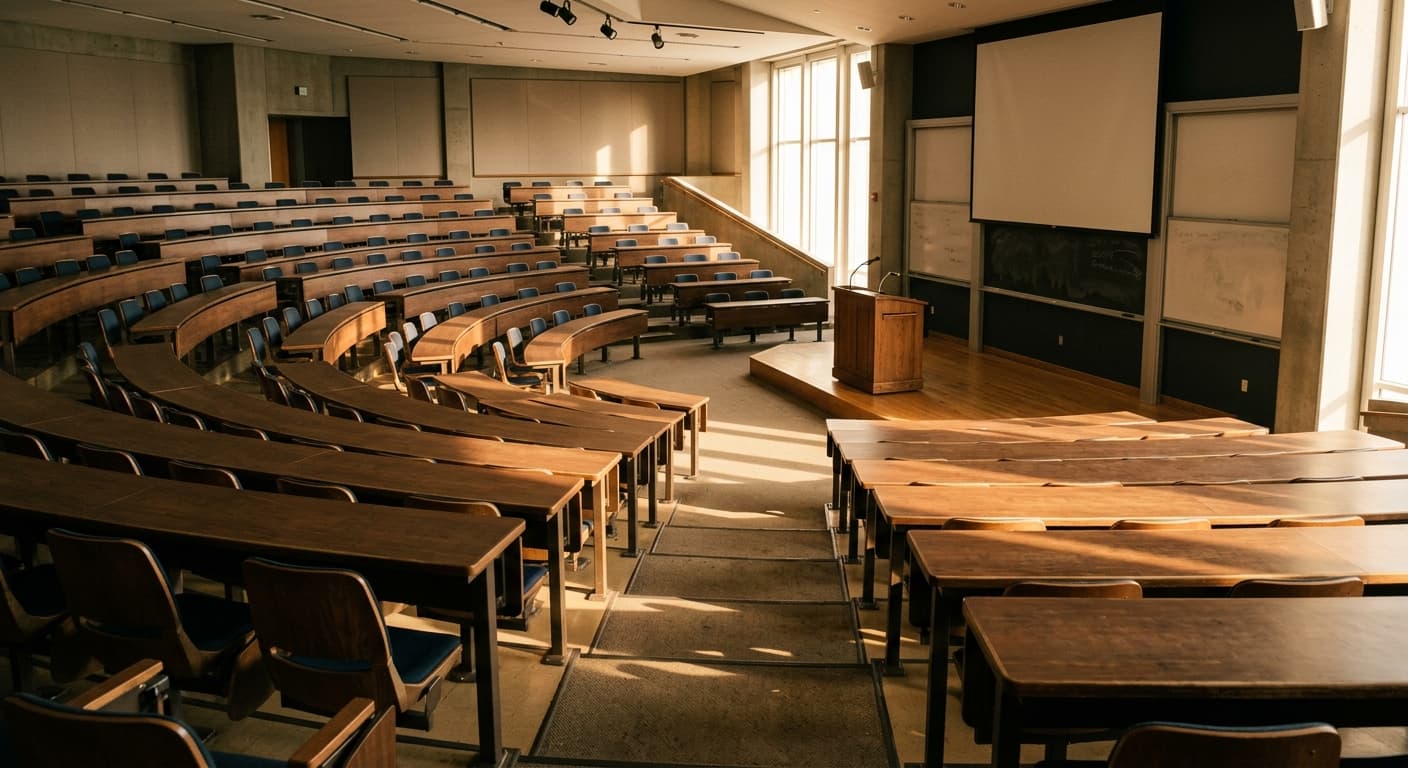
California trata la grabación en los terrenos escolares de forma diferente a la grabación en la mayoría de los demás entornos. Se aplican dos cuerpos legales separados: el estatuto general de escuchas de California que exige el consentimiento de todas las partes (Cal. Penal Code 632) y una disposición independiente del Education Code que aborda específicamente la grabación en las aulas. Ambas crean obligaciones para estudiantes, maestros, padres y administradores. Entender mal las reglas puede resultar en medidas disciplinarias escolares, cargos penales por delito menor, o ambos.
Education Code 51512: la Prohibición Central de Grabación en las Aulas de K-12
El estatuto principal que rige la grabación en las escuelas primarias y secundarias de California es la Sección 51512 del Education Code. Esta ley se dirige específicamente a los dispositivos electrónicos de grabación en el aula, y su texto es amplio.
La Legislatura determinó que el uso de cualquier dispositivo electrónico de escucha o grabación en cualquier aula sin el consentimiento previo del maestro y el director "interrumpe y perjudica el proceso de enseñanza y la disciplina". Con base en esa determinación, el estatuto prohíbe rotundamente dicho uso a menos que tanto el maestro como el director hayan dado su consentimiento, y que ese consentimiento se haya dado para promover un propósito educativo.
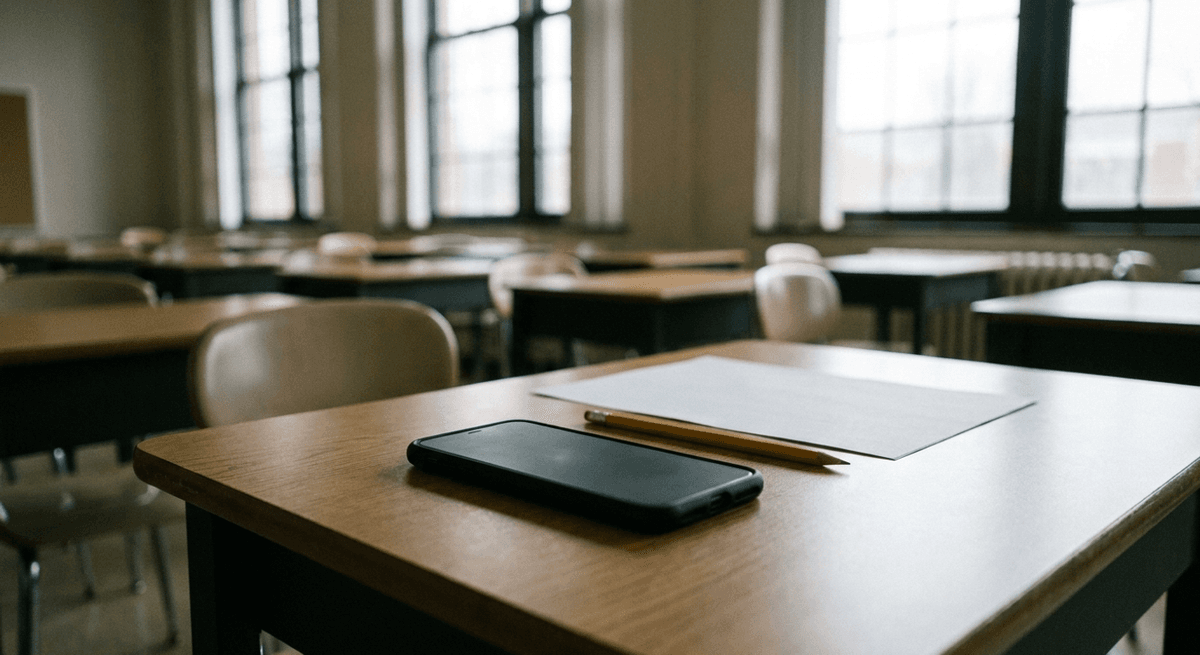
Esto significa que un estudiante no puede sacar un teléfono y presionar grabar durante la clase. Un padre no puede enviar a su hijo a la escuela con un dispositivo de grabación oculto. Un periodista no puede entrar a un aula y comenzar a filmar.
Quién Debe Dar su Consentimiento
La Sección 51512 exige dos niveles de aprobación antes de que pueda ocurrir cualquier grabación en un aula de K-12:
- El maestro de esa aula específica debe dar su consentimiento
- El director de la escuela debe dar su consentimiento
Ambos deben estar de acuerdo, y ambos deben determinar que la grabación sirve a un propósito educativo. La curiosidad general, la documentación personal, o el deseo de un padre de supervisar el desempeño de un maestro no califican.
Sanciones Bajo la Sección 51512
El estatuto distingue entre estudiantes y no estudiantes:
- Los estudiantes que violen la ley enfrentan "medidas disciplinarias apropiadas". Esto puede ir desde la confiscación del dispositivo hasta la suspensión, dependiendo de la política del distrito escolar.
- Los no estudiantes (padres, visitantes, periodistas, o cualquier otra persona) que violen la ley deliberadamente cometen un delito menor bajo la ley de California.
El estatuto también incluye una cláusula de salvaguarda: no afecta las facultades, derechos, u obligaciones creadas por otras leyes. Esto significa que el Penal Code 632 todavía puede aplicarse además del Education Code 51512 en algunas situaciones.
Penal Code 632: Cómo se Aplica en el Campus la Ley General de Escuchas
El estatuto general de escuchas de California, el Penal Code 632, tipifica como delito grabar o espiar una "comunicación confidencial" sin el consentimiento de todas las partes involucradas. Esto es independiente de la disposición del Education Code y se aplica en todas partes de California, incluidos los terrenos escolares.
La pregunta clave en un entorno escolar es si una comunicación en particular califica como "confidencial" bajo el estatuto. El Penal Code 632 define una comunicación confidencial como aquella "llevada a cabo en circunstancias que razonablemente indiquen que cualquier parte de la comunicación desea que se límite a las partes involucradas".
El estatuto excluye explícitamente las comunicaciones hechas en una "reunión pública" o en circunstancias en las que las partes puedan "esperar razonablemente que la comunicación sea escuchada o grabada".
Clases en el Aula frente a Conversaciones Privadas
Un maestro dando una clase a 30 estudiantes no está teniendo una conversación confidencial. El contenido se comparte abiertamente con una audiencia. Bajo la lógica del Penal Code 632, una clase en el aula puede no calificar como "comunicación confidencial" porque ni el maestro ni los estudiantes tienen una expectativa razonable de que lo dicho se límite a los presentes.
Dicho esto, el Education Code 51512 sigue prohibiendo grabar la clase sin consentimiento, sin importar si se aplica el Penal Code 632. El Education Code crea su propia prohibición independiente.
Las conversaciones privadas en los terrenos escolares son otro asunto. Una conversación privada entre un maestro y un estudiante en una oficina cerrada, una reunión privada entre un padre y un consejero, o una conversación entre dos estudiantes en un pasillo tranquilo podrían calificar como comunicaciones confidenciales. Grabar esos intercambios sin el consentimiento de todas las partes violaría el Penal Code 632.
Sanciones Bajo el Penal Code 632
El Penal Code 632 es un delito "wobbler", lo que significa que los fiscales pueden acusarlo como delito menor o como delito grave dependiendo de las circunstancias:
- Primera infracción (delito menor): multa de hasta $2,500 por infracción, encarcelamiento en la cárcel del condado hasta por un año, o ambos
- Reincidencia: multa de hasta $10,000 por infracción, encarcelamiento en la cárcel del condado hasta por un año o en la prisión estatal, o ambos
- Responsabilidad civil: las víctimas pueden demandar por daños de $5,000 por infracción o el triple de los daños reales, lo que sea mayor, bajo el Penal Code 637.2
¿Pueden los Estudiantes Grabar a sus Maestros?
La respuesta corta: no sin permiso. Bajo el Education Code 51512, un estudiante necesita el consentimiento tanto del maestro como del director antes de usar cualquier dispositivo electrónico de grabación en un aula de K-12.
Existen excepciones limitadas. Si el maestro y el director acuerdan que la grabación sirve a un propósito educativo, el estudiante puede grabar. Algunos maestros dan permiso general para que los estudiantes graben las clases con fines de toma de apuntes. Otros lo prohíben por completo. Las decisiones del maestro y del director son las que controlan.
Los estudiantes que graban sin permiso enfrentan consecuencias disciplinarias determinadas por su distrito escolar. Esto podría incluir detención, confiscación del dispositivo, suspensión, u otras medidas descritas en el código disciplinario de la escuela.
Si un estudiante graba una conversación privada y confidencial (no una clase) sin el consentimiento de la otra persona, el Penal Code 632 también podría aplicarse, exponiendo potencialmente al estudiante a responsabilidad penal.
¿Pueden los Maestros Grabar a los Estudiantes?
Los maestros tienen más autoridad en el aula que los estudiantes, pero no están exentos de las leyes de grabación. Las reglas difieren según el tipo de grabación involucrada.
Grabación de Audio por Maestros
Bajo el Education Code 51512, los maestros pueden usar dispositivos de grabación de audio para grabar su propia instrucción en el aula con fines de mejora profesional. Este es un propósito educativo aceptado.
Grabar las conversaciones privadas de los estudiantes, su comportamiento fuera de clase, o reuniones con estudiantes o padres sin consentimiento es un asunto diferente. Si la conversación califica como confidencial bajo el Penal Code 632, el maestro necesita el consentimiento de todas las partes.
Grabación de Video en las Aulas
La vigilancia por video en las aulas plantea preocupaciones adicionales. School & College Legal Services of California ha señalado que cualquier grabación dentro de un aula debe promover un propósito educativo y debe contar con el consentimiento previo tanto del administrador escolar como del maestro del aula.
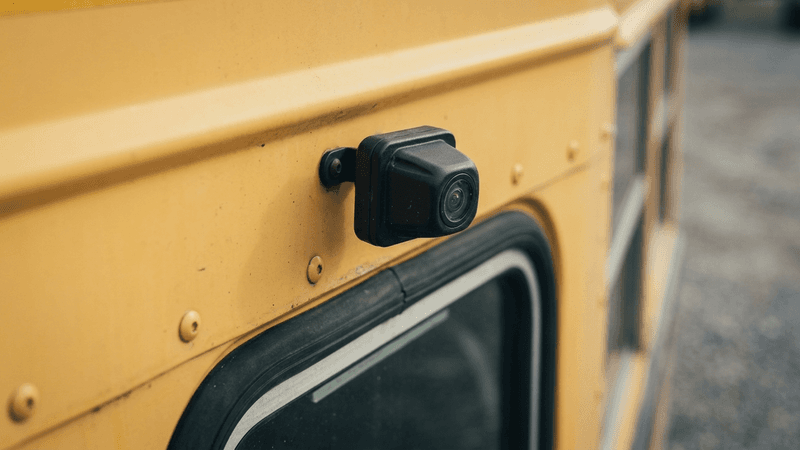
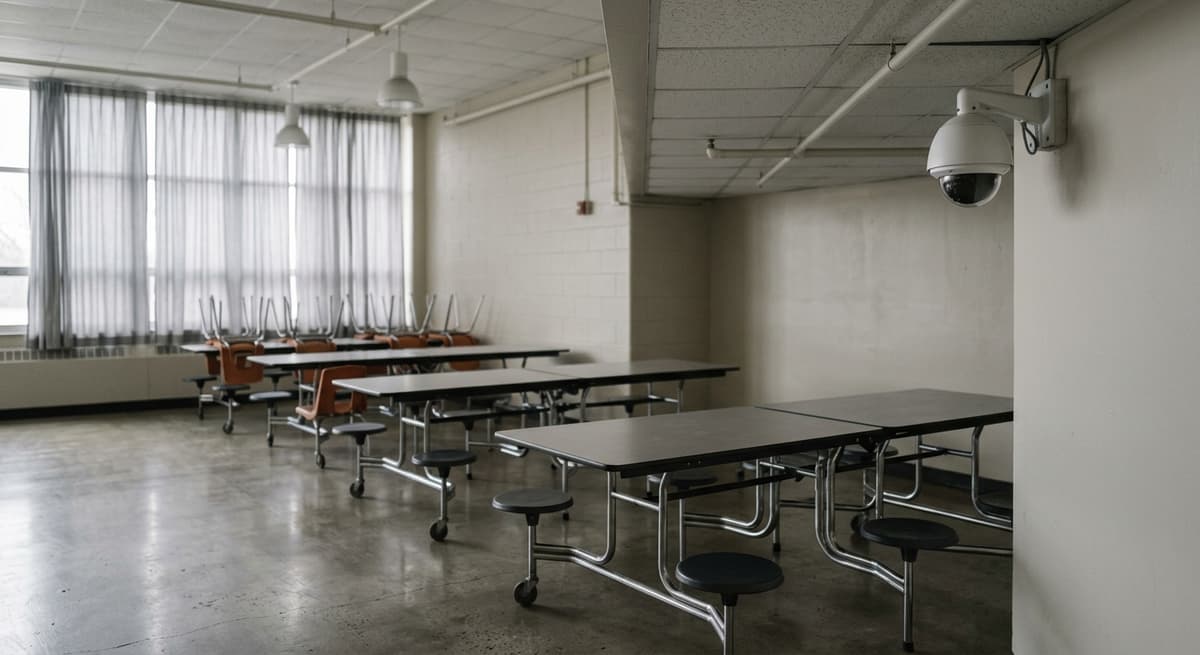
Los distritos escolares de California que operan sistemas de cámaras de vigilancia deben primero adoptar una política de la junta que rija la instalación y operación de esas cámaras. La mayoría de los distritos prohíben la captura de audio en cualquier sistema de vigilancia. Las cámaras de video generalmente están permitidas en áreas comunes (pasillos, cafeterías, estacionamientos, exteriores de edificios) pero están restringidas en áreas donde los estudiantes tienen una expectativa razonable de privacidad, como baños y vestidores.
Grabación como Adaptación por Discapacidad
Tanto el Education Code 51512 como el Education Code 78907 (la contraparte para los colegios comunitarios) contienen una excepción crítica: la prohibición de grabar no se aplica cuando la grabación es "necesaria para proporcionar ayudas auxiliares razonables y ajustes académicos a estudiantes con discapacidades".
Esta excepción implementa requisitos de la ley federal. Tanto la Sección 504 de la Rehabilitation Act como la Ley de Estadounidenses con Discapacidades (ADA) exigen que las escuelas que reciben fondos federales proporcionen adaptaciones razonables a los estudiantes con discapacidades.
Cómo Funciona el Proceso de Adaptación
Un estudiante con una discapacidad documentada (como una discapacidad de aprendizaje, TDAH, discapacidad visual, trastorno de procesamiento auditivo, o una limitación de movilidad que afecte la toma de apuntes) puede solicitar la grabación como adaptación a través de la oficina de servicios para discapacidades de la escuela o el coordinador de la Sección 504.
Una vez aprobada, la adaptación generalmente permite al estudiante grabar en audio las clases. El maestro no puede anular esta adaptación. Disability Rights California ha confirmado que un profesor o maestro no puede prohibir la grabación que ha sido aprobada como adaptación por discapacidad.
Los estudiantes que usan esta adaptación generalmente deben aceptar ciertas condiciones: las grabaciones son solo para estudio personal, no pueden compartirse con otros estudiantes ni publicarse en línea, y deben eliminarse al final del curso.
Adaptaciones de Grabación Relacionadas con el IEP
Para estudiantes de K-12 con Programas de Educación Individualizada (IEP), la grabación como adaptación en el aula puede incluirse directamente en el IEP. Una vez incluida en el IEP, el distrito escolar está legalmente obligado a implementarla bajo la Ley de Educación para Individuos con Discapacidades (IDEA).
Grabación de Reuniones de IEP en California
California tiene un estatuto específico que rige la grabación de reuniones de IEP, y otorga a los padres derechos sustanciales. El Education Code 56341.1(g) establece que tanto el padre (o tutor) como el distrito escolar tienen el derecho de grabar en audio las reuniones del equipo del IEP.
La Regla del Aviso de 24 Horas
El estatuto exige que la parte que tiene la intención de grabar notifique a los demás miembros del equipo de IEP con al menos 24 horas de anticipación a la reunión. Disability Rights California recomienda dar este aviso por escrito (como un correo electrónico) para que exista un registro documentado de cuándo se dio el aviso.
Grabación por el Padre frente a Grabación por el Distrito
Existe una asimetría importante en la ley:
- Si un padre quiere grabar y el distrito se opone, el padre puede grabar de todos modos. La objeción del distrito no anula el derecho del padre.
- Si el distrito quiere grabar y el padre se opone, la reunión no puede ser grabada por ninguna de las partes. El distrito debe respetar la objeción del padre.
Esto significa que el derecho de grabación de un padre es, en la práctica, más fuerte que el del distrito. Un padre que da aviso con 24 horas de anticipación puede grabar la reunión de IEP incluso en contra de la objeción de la escuela.
Qué Equipo se Permite
Los padres pueden usar cualquier dispositivo de grabación de audio, incluida una aplicación en un teléfono inteligente, tableta, o computadora portátil. El estatuto cubre únicamente la grabación de audio. La grabación de video de las reuniones de IEP no está abordada por el Education Code 56341.1, y el distrito puede negar una solicitud de video.
Protecciones de FERPA para las Grabaciones de IEP
Las grabaciones de audio hechas por un distrito escolar durante las reuniones de IEP pasan a formar parte del registro educativo del estudiante y están sujetas a la Ley de Derechos Educativos y Privacidad Familiar (FERPA) y a sus reglamentos de implementación en 34 C.F.R. Secciones 300.610 a 300.626. Esto significa que las grabaciones son confidenciales, los padres tienen derecho a acceder a ellas, y el distrito no puede divulgarlas sin consentimiento excepto bajo las excepciones limitadas de FERPA.
Padres que Graban a Maestros y Funcionarios Escolares
Fuera del contexto del IEP, los padres enfrentan las mismas restricciones legales que cualquier otra persona. La ley de consentimiento de todas las partes de California (Penal Code 632) se aplica a las conversaciones privadas entre padres y personal escolar. El Education Code 51512 se aplica si la grabación ocurre en un aula.
Un padre que graba en secreto una reunión con un maestro, director, o consejero sin el consentimiento de la otra parte arriesga responsabilidad penal si la conversación se considera confidencial. El enfoque más seguro es pedir permiso para grabar al inicio de cualquier reunión. Si la escuela se niega, el padre debe anotar la negativa por escrito.
Grabaciones de Aprendizaje a Distancia
El Senate Bill 820 (firmado el 18 de septiembre de 2020) aclaró que las restricciones existentes de grabación en el aula se extienden al aprendizaje a distancia. Bajo esta ley:
- Los distritos escolares pueden grabar sesiones sincrónicas y asincrónicas de aprendizaje a distancia y distribuir esas grabaciones con fines educativos
- Los padres, estudiantes, y otros terceros no pueden hacer ninguna grabación de audio, video, o digital de la instrucción de aprendizaje a distancia sincrónica en vivo sin el consentimiento del maestro y el director
Esto significa que incluso cuando la instrucción se imparte al hogar de un estudiante a través de una pantalla, se aplican los mismos requisitos de consentimiento.
Cámaras de Vigilancia Escolares en California
California no tiene un solo estatuto que regule de forma integral las cámaras de seguridad en las escuelas. En cambio, las reglas provienen de una combinación de principios constitucionales de privacidad, FERPA, el Education Code 51512, y las políticas individuales de las juntas escolares.
Dónde se Permiten las Cámaras
Las cámaras de seguridad generalmente están permitidas en áreas donde los estudiantes no tienen una expectativa razonable de privacidad:
- Pasillos y corredores
- Cafeterías y áreas de almuerzo
- Estacionamientos y terrenos exteriores
- Gimnasios (fuera de los horarios de cambio de ropa)
- Interiores de autobuses escolares
- Entradas y salidas de edificios
Dónde se Prohíben las Cámaras
Las cámaras están prohibidas en áreas donde los estudiantes tienen una expectativa razonable de privacidad:
- Baños
- Vestidores y áreas de cambio de ropa
Requisito de Política de la Junta
Antes de instalar cámaras de vigilancia, la junta directiva de un distrito escolar debe adoptar una política que rija la instalación, operación, y uso del sistema. El protocolo de cámaras del Louisa Union School District ofrece un ejemplo representativo de lo que estas políticas típicamente cubren: ubicación de las cámaras, requisitos de señalización, períodos de retención de datos, y restricciones de acceso.
Captura de Audio en los Sistemas de Vigilancia
La mayoría de los distritos escolares de California prohíben la grabación de audio en sus sistemas de vigilancia. La supervisión solo con video en áreas comunes es la práctica estándar. Agregar captura de audio a un sistema de cámaras en un aula involucraría el Education Code 51512 y potencialmente el Penal Code 632.
Grabación en Universidades y Colegios Comunitarios de California
Las reglas para la educación superior en California difieren de las de K-12, aunque la estructura es similar.
Education Code 78907 (Colegios Comunitarios)
El Education Code 78907 refleja la Sección 51512 para el sistema de colegios comunitarios. Prohíbe el uso de cualquier dispositivo electrónico de escucha o grabación en cualquier aula de un colegio comunitario sin el consentimiento previo del instructor, excepto cuando sea necesario para proporcionar ayudas auxiliares razonables y ajustes académicos a estudiantes con discapacidades.
- Los no estudiantes que violen la ley enfrentan cargos por delito menor
- Los estudiantes enfrentan medidas disciplinarias
- Los estudiantes con adaptaciones por discapacidad aprobadas están exentos
Los Sistemas UC y CSU
Los sistemas de la Universidad de California y la Universidad Estatal de California (CSU) establecen políticas de grabación a nivel institucional. En ambos sistemas, la regla general es que los instructores controlan si sus clases pueden grabarse. Muchos campus exigen que los estudiantes obtengan permiso explícito antes de grabar.
La política de la UC reconoce que las clases de un curso son propiedad intelectual del instructor. La oficina de derechos de autor de la Universidad de California ha declarado que los derechos de autor de las grabaciones de video o audio de las clases hechas por instructores pertenecen a los instructores. Los estudiantes que graban sin permiso pueden violar tanto la política del campus como los derechos de autor del instructor.
Prohibición de Lentes Inteligentes del College Board para el SAT (Marzo de 2026)
En un desarrollo relevante para las reglas de grabación en el campus, el College Board anunció en febrero de 2026 que prohibiría a los estudiantes usar lentes inteligentes durante el SAT, a partir de marzo de 2026. La prohibición extiende la prohibición existente de dispositivos electrónicos vestibles (como relojes inteligentes y audífonos) para incluir cualquier gafa conectada a internet, incluso si el armazón contiene lentes graduados.
Los supervisores del SAT ahora están capacitados para identificar los lentes inteligentes por sus marcos gruesos distintivos y la luz indicadora de la cámara que se activa durante el uso. Los estudiantes que necesitan lentes graduados deben llevar armazones no inteligentes. Esta política refleja la creciente preocupación sobre la grabación y las trampas asistidas por IA en entornos académicos.
Grabación de Reuniones de la Junta Escolar Bajo la Brown Act
Las reuniones de la junta escolar son procedimientos públicos, y la ley de California protege el derecho del público a grabarlas.
El Government Code 54953.5, parte de la Ralph M. Brown Act, establece que cualquier persona que asista a una reunión abierta y pública tiene el derecho de grabar el procedimiento con una grabadora de audio, grabadora de video, o cámara fotográfica. Este derecho existe a menos que el organismo legislativo determine razonablemente que la grabación "no puede continuar sin ruido, iluminación, u obstrucción de la vista que constituya, o pueda constituir, una interrupción persistente del procedimiento".
Qué Significa Esto en la Práctica
Los padres, periodistas, y miembros de la comunidad que asisten a una reunión de la junta escolar pueden grabar audio, video, o ambos sin pedir permiso. La junta no puede adoptar una regla general que prohíba la grabación. Solo puede restringir la grabación en casos específicos donde el equipo de grabación en sí sea genuinamente disruptivo.
Si la junta escolar decide hacer su propia grabación de la reunión, esa grabación se convierte en un registro público sujeto al Acta de Registros Públicos de California. Sin embargo, la junta puede borrar o destruir su grabación 30 días después de la reunión.
Cambios del SB 707 para 2026
El Senate Bill 707, vigente desde el 1 de enero de 2026, hizo varias actualizaciones a la Brown Act, incluidas reglas modernizadas de teleconferencia y nuevos requisitos para proporcionar a los miembros de la junta copias de la Brown Act. El derecho del público a grabar las reuniones no fue modificado por el SB 707 y permanece intacto.
Las escuelas chárter enfrentan requisitos adicionales: deben grabar y publicar en línea el audio o video de las reuniones de su junta.
FERPA y la Privacidad Estudiantil en las Grabaciones Escolares
La Ley de Derechos Educativos y Privacidad Familiar (FERPA) agrega una capa federal a las reglas de grabación escolar. FERPA protege la privacidad de los registros educativos de los estudiantes y se aplica a todas las escuelas que reciben fondos federales.
Cuándo las Grabaciones se Convierten en Registros Educativos
Una grabación de una sesión de clase se convierte en un registro educativo bajo FERPA si es "mantenida" por la escuela o por una parte que actúa en nombre de la escuela y si contiene información directamente relacionada con un estudiante. Según el Departamento de Educación de EE. UU., una foto o video es un registro educativo cuando está directamente relacionado con un estudiante y es mantenido por una agencia o institución educativa.
Las grabaciones de clase donde los estudiantes individuales son identificables (aparecen en cámara, se les llama por su nombre, discuten asuntos personales) pueden constituir registros educativos para cada estudiante que aparezca.
Requisitos de Compartir e Editar
Antes de que una escuela pueda divulgar una grabación que contenga imágenes o información sobre múltiples estudiantes, debe editar (redactar) toda la información identificable sobre los estudiantes distintos de aquel cuyo registro se está solicitando. El Departamento de Educación ha señalado que la misma grabación puede formar parte del registro educativo de varios estudiantes, pero la divulgación entre estudiantes exige consentimiento o una excepción válida de FERPA.
Las escuelas pueden designar las fotos o videos de estudiantes en eventos públicos (eventos deportivos, conciertos, obras de teatro) como información de directorio, pero esta designación debe seguir los procedimientos adecuados de aviso y exclusión bajo FERPA.
Resumen de Sanciones
| Infracción | Ley | Sanción |
|---|---|---|
| Grabar en un aula de K-12 sin consentimiento (no estudiante) | Education Code 51512 | Cargo penal por delito menor |
| Grabar en un aula de K-12 sin consentimiento (estudiante) | Education Code 51512 | Medida disciplinaria escolar |
| Grabar una comunicación confidencial sin consentimiento (primera infracción) | Penal Code 632 | Hasta $2,500 de multa, hasta 1 año en la cárcel del condado, o ambos |
| Grabar una comunicación confidencial sin consentimiento (reincidencia) | Penal Code 632 | Hasta $10,000 de multa, hasta 1 año en la cárcel del condado o prisión estatal, o ambos |
| Grabar en un aula de colegio comunitario sin consentimiento (no estudiante) | Education Code 78907 | Cargo penal por delito menor |
| Grabar en un aula de colegio comunitario sin consentimiento (estudiante) | Education Code 78907 | Medida disciplinaria escolar |
| Grabar el aprendizaje a distancia sin consentimiento | Education Code 51512 (modificado por SB 820) | Igual que la grabación en el aula |
| Responsabilidad civil por grabación ilegal | Penal Code 637.2 | $5,000 por infracción o 3x los daños reales |
Temas Relacionados sobre la Ley de Grabación de California
- Resumen de las Leyes de Grabación de California
- Leyes de Grabación de Audio en California
- Leyes de Grabación de Video en California
- Leyes de Grabación en el Trabajo en California
- Leyes de California sobre la Grabación de la Policía
- Leyes de Cámaras de Seguridad y Vigilancia en California
- Leyes de California sobre la Grabación en Público
- Leyes de Grabación de Llamadas Telefónicas en California
Este artículo ofrece información legal general sobre las leyes de grabación escolar de California. No constituye asesoramiento legal. Las leyes de grabación involucran interacciones entre estatutos estatales y federales que varían según las circunstancias específicas. Consulte a un abogado para obtener asesoramiento específico sobre su situación.
Más Leyes de California
- Leyes de California sobre Grabación de Reuniones con IA
- Leyes de Pensión Alimenticia en California
- Leyes de Empleo a Voluntad en California
- Leyes de Accidentes Automovilísticos en California
- Leyes de Asientos de Auto para Niños en California
- Leyes de Custodia de Menores en California
- Leyes de Manutención Infantil en California
- Leyes de Matrimonio de Hecho en California
- Leyes de Privacidad de Datos en California
- Leyes de Deepfake en California
- Leyes de Divorcio en California
- Leyes sobre Mordeduras de Perro en California
- Leyes de Emancipación en California
- Leyes de Expungement en California
- Leyes de Fuga tras Accidente en California
- Leyes de Arrendador e Inquilino en California
Más Temas de Grabación de California
- Leyes de Grabación de California
- Grabación de Audio en California
- Grabación de Video en California
- Grabación Médica en California
- Grabación en el Trabajo en California
- Grabación de la Policía en California
- Grabación de Llamadas Telefónicas en California
- Grabación con Cámaras de Seguridad en California
- Grabación de Voyeurismo en California
- Grabación entre Arrendador e Inquilino en California
- Grabación con Cámaras de Tablero en California
- Grabación en Público en California
- Leyes de Privacidad Biométrica de California
- Leyes de Cámaras de Vigilancia
Preguntas frecuentes
¿Puedo grabar a mi maestro en California?
No sin permiso. El Education Code 51512 de California prohíbe que los estudiantes usen cualquier dispositivo electrónico de grabación en un aula de K-12 sin el consentimiento previo tanto del maestro como del director de la escuela. La única excepción es para estudiantes con discapacidades que tienen una adaptación aprobada que les permite grabar. Violar esta ley puede resultar en medidas disciplinarias escolares.
¿Pueden los padres grabar las reuniones de IEP en California?
Sí. Bajo el Education Code 56341.1(g), los padres tienen el derecho de grabar en audio las reuniones de IEP. El padre debe notificar a los demás miembros del equipo del IEP con al menos 24 horas de anticipación a la reunión; el estatuto no exige que el aviso sea por escrito, aunque un aviso escrito (como un correo electrónico) crea un registro. Si el padre quiere grabar y el distrito se opone, el padre puede grabar de todos modos. Sin embargo, si el distrito quiere grabar y el padre se opone, no puede ocurrir ninguna grabación.
¿Se permiten cámaras de seguridad en las aulas de las escuelas de California?
La vigilancia por video en las aulas de las escuelas de California está fuertemente restringida. Cualquier cámara en un aula requiere el consentimiento tanto del maestro como del administrador escolar, y debe servir a un propósito educativo. La mayoría de los distritos escolares limitan las cámaras a áreas comunes como pasillos, cafeterías, y estacionamientos. La grabación de audio en los sistemas de vigilancia generalmente está prohibida.
¿Puede un estudiante con una discapacidad grabar las clases en California?
Sí. Tanto el Education Code 51512 (K-12) como el Education Code 78907 (colegios comunitarios) exentan la grabación que sea necesaria para proporcionar ayudas auxiliares razonables y ajustes académicos a estudiantes con discapacidades. Este derecho está respaldado por la Sección 504 de la Rehabilitation Act y la ADA. Los estudiantes deben pasar por la oficina de servicios para discapacidades de su escuela para que se apruebe la grabación como adaptación.
¿Puedo grabar una reunión de la junta escolar en California?
Sí. Bajo el Government Code 54953.5 (la Brown Act), cualquier persona que asista a una reunión abierta de la junta escolar tiene el derecho de grabar con audio, video, o cámaras fotográficas. La junta solo puede restringir la grabación si el equipo en sí está creando una interrupción persistente del procedimiento. Este derecho se aplica a todas las reuniones públicas de los organismos legislativos locales en California.
Actualizaciones
Se corrigió la regla de aviso para grabar reuniones de IEP: el Education Code 56341.1 exige aviso con al menos 24 horas de anticipación, pero no exige que sea por escrito.
La ley detrás de este artículo
Este artículo se apoya en las disposiciones legales a continuación, conservadas en nuestro propio registro jurídico y obtenidas de la fuente oficial. Toque una sección para leer el texto vigente.
California Education Code
§ 51512Vigente
The Legislature finds that the use by any person, including a pupil, of any electronic listening or recording device in any classroom of the elementary and secondary schools without the prior consent of the teacher and the principal of the school given to promote an educational purpose disrupts and impairs the teaching process and discipline in the elementary and secondary schools, and such use is prohibited. Any person, other than a pupil, who willfully violates this section shall be guilty of a misdemeanor. Any pupil violating this section shall be subject to appropriate disciplinary action. This section shall not be construed as affecting the powers, rights, and liabilities arising from the use of electronic listening or recording devices as provided for by any other provision of law.
Texto oficial (extracto) · verificado el 2026-07-28 · Lea el texto completo en nuestra biblioteca legal · Verifique en leginfo.legislature.ca.gov
Citada en 2 resoluciones judiciales de nuestra colecciónResolución más reciente que la cita en nuestra colección: 2011
Resoluciones que citan esta sección en nuestra colección:
- Evens v. Superior Court (California Court of Appeal 1999, 91 Cal. Rptr. 2d 497)“…itiously videotape-recorded her class. This action violated Education Code section 51512 (Section 51512) which specifically proh…”
- C.F. Ex Rel Farnan v. Capistrano Unified School District (Court of Appeals for the Ninth Circuit 2011, 654 F.3d 975)“…d at 1141 n.3. Corbett also suggests that Farnan violated California Education Code section 51512 by recording his lectures without writt…”
Identificado automáticamente a partir de las opiniones judiciales que citan esta sección; no es un ranking de qué caso prevalece.
§ 56341.1Vigente
(a) When developing each pupil’s individualized education program, the individualized education program team shall consider the following: (1) The strengths of the pupil. (2) The concerns of the parents or guardians for enhancing the education of the pupil. (3) The results of the initial assessment or most recent assessment of the pupil. (4) The academic, developmental, and functional needs of the child. (b) The individualized education program team shall do the following: (1) In the case of a pupil whose behavior impedes his or her learning or that of others, consider the use of positive behavioral interventions and supports, and other strategies, to address that behavior. (2) In the case of a pupil with limited English proficiency, consider the language needs of the pupil as those needs relate to the pupil’s individualized education program.
Texto oficial (extracto) · verificado el 2026-07-28 · Lea el texto completo en nuestra biblioteca legal · Verifique en leginfo.legislature.ca.gov
Citada en 4 resoluciones judiciales de nuestra colecciónResolución más reciente que la cita en nuestra colección: 2024
Resoluciones que citan esta sección en nuestra colección:
- M.C. Ex Rel. M.N. v. Antelope Valley Union High School District (Court of Appeals for the Ninth Circuit 2017, 858 F.3d 1189)“…equires that the IEP “include a statement to that effect.” Cal. Educ. Code § 56341.1(b)(5), (c). M.C.’s IEP initially indic…”
- M.C. v. Antelope Valley Union High (Court of Appeals for the Ninth Circuit 2017)“…requires that the IEP “include a statement to that effect.” Cal. Educ. Code § 56341.1(b)(5), (c). M.C.’s IEP initially indica…”
- Poway Unified School District v. Cheng Ex Rel. Cheng (District Court, S.D. California 2011, 821 F. Supp. 2d 1197)“…school” and she cites 20 U.S.C. § 1414 (d)(3)(B)(iv) and Cal. Educ. Code § 56341.1 (b)(4), which are basically identical.…”
Identificado automáticamente a partir de las opiniones judiciales que citan esta sección; no es un ranking de qué caso prevalece.
§ 78907Vigente
The use by any person, including a student, of any electronic listening or recording device in any classroom without the prior consent of the instructor is prohibited, except as necessary to provide reasonable auxiliary aids and academic adjustments to disabled students. Any person, other than a student, who willfully violates this section shall be guilty of a misdemeanor. Any student violating this section shall be subject to appropriate disciplinary action. This section shall not be construed as affecting the powers, rights, and liabilities arising from the use of electronic listening or recording devices as provided for by any other provision of law.
Texto oficial (extracto) · verificado el 2026-07-28 · Lea el texto completo en nuestra biblioteca legal · Verifique en leginfo.legislature.ca.gov
California Government Code
§ 54953.5Vigentecitada en 2 de nuestros artículos
(a) Any person attending an open and public meeting of a legislative body of a local agency shall have the right to record the proceedings in the absence of a reasonable finding by the legislative body of the local agency that the recording cannot continue without noise, illumination, or obstruction of view that constitutes, or would constitute, a persistent disruption of the proceedings. (b) Any recording of an open and public meeting made for whatever purpose by or at the direction of the local agency shall be subject to inspection pursuant to the California Public Records Act (Division 10 (commencing with Section 7920.000) of Title 1), but, notwithstanding Section 34090, may be erased or destroyed 30 days after the recording. Any inspection of an audio or video recording shall be provided without charge on equipment made available by the local agency.
Texto oficial (extracto) · verificado el 2026-07-28 · Lea el texto completo en nuestra biblioteca legal · Verifique en leginfo.legislature.ca.gov
Citada en 1 resoluciones judiciales de nuestra colecciónResolución más reciente que la cita en nuestra colección: 1993
Resoluciones que citan esta sección en nuestra colección:
- Choice-In-Education League v. Los Angeles Unified School District (California Court of Appeal 1993, 17 Cal. App. 4th 415)“…Government Code.” (See also Gov. Code, § 54953, subd. (a).) Government Code section 54953.5 provides that “[a]ny person attending a…”
Identificado automáticamente a partir de las opiniones judiciales que citan esta sección; no es un ranking de qué caso prevalece.
California Penal Code
§ 632Vigentecitada en 55 de nuestros artículos
(a) A person who, intentionally and without the consent of all parties to a confidential communication, uses an electronic amplifying or recording device to eavesdrop upon or record the confidential communication, whether the communication is carried on among the parties in the presence of one another or by means of a telegraph, telephone, or other device, except a radio, shall be punished by a fine not exceeding two thousand five hundred dollars ($2,500) per violation, or imprisonment in a county jail not exceeding one year, or in the state prison, or by both that fine and imprisonment. If the person has previously been convicted of a violation of this section or Section 631, 632.5, 632.6, 632.7, or 636, the person shall be punished by a fine not exceeding ten thousand dollars ($10,000) per violation, by imprisonment in a county jail not exceeding one year, or in the state prison, or by both that fine and imprisonment.
Texto oficial (extracto) · verificado el 2026-09-23 · Lea el texto completo en nuestra biblioteca legal · Verifique en leginfo.legislature.ca.gov
Citada en 267 resoluciones judiciales de nuestra colecciónResolución más reciente que la cita en nuestra colección: 2026
En los tribunales (resumen editorial, verificado de forma independiente):Kimmel v. Goland (1990) sostuvo que el privilegio de litigio del artículo 47(2) no impide una demanda de daños bajo la Sección 632 por grabar conversaciones confidenciales sin consentimiento. Lieberman v. KCOP Television, Inc. (2003) sostuvo que la violación se comete al hacer la grabación secreta, se divulgue o no.
Resoluciones que citan esta sección en nuestra colección:
- Rubin v. Green (California Supreme Court 1993, 4 Cal. 4th 1187)“…f telephone conversations with defendants, an offense under Penal Code section 632. We noted that defendants alleged that…”
- Kimmel v. Goland (California Supreme Court 1990, 51 Cal. 3d 202)✓Dueños de casas móviles grabaron en secreto llamadas con la administración del parque en anticipación de demandar; el tribunal sostuvo que el privilegio litigioso de la sección 47(2) no impedía la contrademanda por daños bajo la sección 632 del Código Penal, porque la lesión provino de la grabación, no de una publicación.
- Shulman v. Group W Productions, Inc. (California Supreme Court 1998, 74 Cal. Rptr. 2d 843)✓Un productor de televisión colocó un micrófono inalámbrico a la enfermera de vuelo que atendía a una víctima de un accidente. No había demanda bajo la sección 632 ante el tribunal, pero este llamó a la sección 632 y al agravio de intromisión leyes de aplicación general y dijo que la prensa no puede escuchar en violación de esa sección.
Identificado automáticamente a partir de las opiniones judiciales que citan esta sección; no es un ranking de qué caso prevalece.
También citada en: Grabaciones como prueba: reglas judiciales por estado, Leyes de grabación de reuniones con IA en Pensilvania: Consentimiento de todas las partes y penas de delito grave (2026)
§ 637.2Vigentecitada en 24 de nuestros artículos
(a) Any person who has been injured by a violation of this chapter may bring an action against the person who committed the violation for the greater of the following amounts: (1) Five thousand dollars ($5,000) per violation. (2) Three times the amount of actual damages, if any, sustained by the plaintiff. (b) Any person may, in accordance with Chapter 3 (commencing with Section 525) of Title 7 of Part 2 of the Code of Civil Procedure, bring an action to enjoin and restrain any violation of this chapter, and may in the same action seek damages as provided by subdivision (a). (c) It is not a necessary prerequisite to an action pursuant to this section that the plaintiff has suffered, or be threatened with, actual damages. (d) This section shall not be construed to affect Title 4 (commencing with Section 3425.1) of Part 1 of Division 4 of the Civil Code.
Texto oficial (extracto) · verificado el 2026-07-28 · Lea el texto completo en nuestra biblioteca legal · Verifique en leginfo.legislature.ca.gov
Citada en 103 resoluciones judiciales de nuestra colecciónResolución más reciente que la cita en nuestra colección: 2026
En los tribunales (resumen editorial, verificado de forma independiente):Ribas v. Clark (1985) sostuvo que la indemnización de la sección 637.2 nace en el momento mismo de la violación de la Privacy Act, por lo que el privilegio judicial del Civil Code section 47 no la impide, aunque fracasan los daños derivados solo de un testimonio privilegiado. Kimmel v. Goland (1990) aplicó ese razonamiento a grabaciones hechas en previsión de un litigio.
Resoluciones que citan esta sección en nuestra colección:
- Rubin v. Green (California Supreme Court 1993, 4 Cal. 4th 1187)“…asion of privacy and related torts as well as damages under Penal Code section 637.2, granting persons injured by eavesdropp…”
- Ribas v. Clark (California Supreme Court 1985, 38 Cal. 3d 355)✓Una esposa pidió a un tercero que escuchara por un teléfono supletorio mientras llamaba a su esposo, y esa persona luego testificó sobre la llamada; el tribunal sostuvo que el privilegio judicial impedía los daños del testimonio, pero no la indemnización legal fija de la Sección 637.2, que se genera al momento de la violación.
- Kimmel v. Goland (California Supreme Court 1990, 51 Cal. 3d 202)✓Residentes de un parque de casas móviles grabaron en secreto llamadas con la administración para reunir pruebas para una demanda planeada; el tribunal sostuvo que el privilegio judicial no impedía el reclamo bajo la Sección 637.2, porque el daño provino de la grabación misma y no de una publicación.
Identificado automáticamente a partir de las opiniones judiciales que citan esta sección; no es un ranking de qué caso prevalece.
Fuentes y referencias
- California Education Code Section 51512 (K-12 Classroom Recording Prohibition)(leginfo.legislature.ca.gov).gov
- California Penal Code Section 632 (Eavesdropping and Recording Law)(leginfo.legislature.ca.gov).gov
- California Education Code Section 56341.1 (IEP Meeting Recording Rights)(leginfo.legislature.ca.gov).gov
- California Education Code Section 78907 (Community College Classroom Recording)(leginfo.legislature.ca.gov).gov
- California Government Code Section 54953.5 (Brown Act Recording Rights)(leginfo.legislature.ca.gov).gov
- California Penal Code Section 637.2 (Civil Remedies for Illegal Recording)(leginfo.legislature.ca.gov).gov
- FERPA (Family Educational Rights and Privacy Act)(studentprivacy.ed.gov).gov
- U.S. Department of Education: Photos and Videos Under FERPA(studentprivacy.ed.gov).gov
- Section 504 of the Rehabilitation Act(ed.gov).gov
- Senate Bill 707 (2026 Brown Act Changes)(leginfo.legislature.ca.gov).gov
- College Board Prohibited Devices for SAT(satsuite.collegeboard.org)
- Disability Rights California: Recording IEP Meetings(serr.disabilityrightsca.org)
- UC Copyright Office: Recorded Presentations(copyright.universityofcalifornia.edu)