
California
Leyes de Voyeurismo y Cámaras Ocultas en California: Sanciones y Protecciones (2026)
Verificado de forma independiente contra fuentes primarias (última auditoría: 22 de agosto de 2026). · Revisado por el equipo editorial de RecordingLaw. · Ley verificada como vigente al 22 de agosto de 2026. · 9 fuentes primarias citadas en esta página. Cómo verificamos nuestro contenido legal
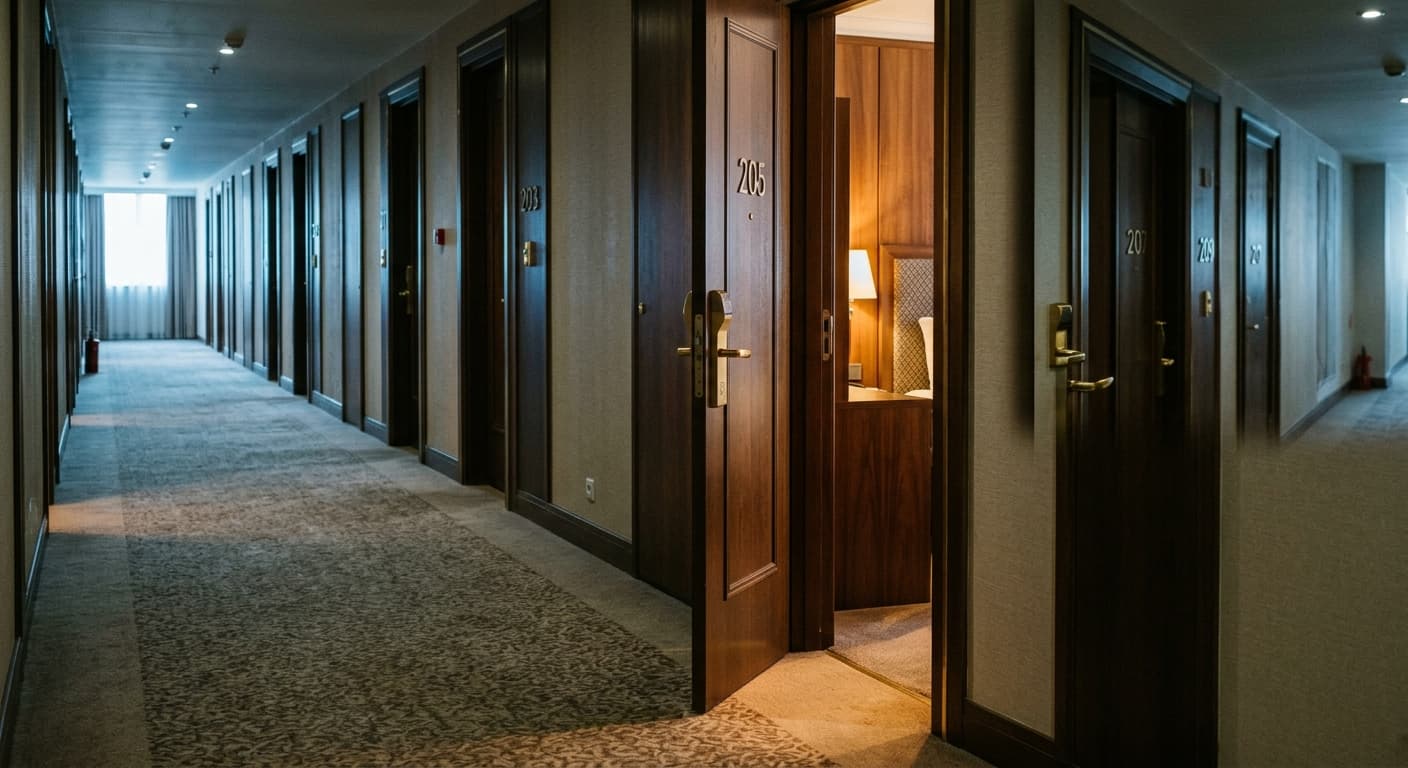
El Código Penal de California 647(j) convierte en delitos penales el voyeurismo, las cámaras ocultas en espacios privados, el upskirting y la distribución no consensuada de imágenes íntimas. Una primera condena es un delito menor (misdemeanor) que conlleva hasta seis meses de cárcel; las infracciones reincidentes o los delitos contra menores conllevan hasta un año de cárcel y, en algunos casos, cargos por delito grave (felony).
California cuenta con algunas de las protecciones de privacidad más sólidas del país en materia de voyeurismo, cámaras ocultas y distribución no autorizada de imágenes íntimas. El estatuto penal principal es el Código Penal 647(j), que forma parte de las leyes más amplias del estado sobre conducta desordenada. Esta guía cubre cada subsección de la ley, las sanciones por cada infracción, los recursos civiles disponibles para las víctimas y escenarios prácticos relacionados con cámaras para niñeras, propiedades de alquiler y vigilancia en el lugar de trabajo.
Para un resumen de las reglas de consentimiento de todas las partes de California para grabaciones de audio y [video, consulte nuestra Leyes de Grabación de California página principal.
Cómo Entender el Consentimiento de Todas las Partes Bajo el Código Penal de California 647(j)
El Código Penal 647(j) es la piedra angular de las leyes de California sobre voyeurismo y cámaras ocultas. En lugar de una única prohibición general, este estatuto contiene múltiples subsecciones distintas que abordan diferentes formas de invasión a la privacidad. Cada subsección aborda un tipo específico de conducta, desde el espionaje tradicional (peeping) hasta la vigilancia de alta tecnología y la distribución de imágenes íntimas en línea.
El estatuto se promulgó por primera vez en su forma moderna en 1999 y ha sido enmendado varias veces para mantenerse al ritmo de la tecnología. La incorporación de disposiciones que abordan drones, teléfonos inteligentes e imágenes alteradas digitalmente refleja el esfuerzo del poder legislativo por cerrar los vacíos legales que crean los nuevos dispositivos y programas.
Entender qué subsección aplica es importante porque los elementos que la fiscalía debe probar difieren para cada infracción. Una defensa que funciona contra una subsección puede no aplicarse a otra.
PC 647(j)(1): Espiar Áreas Privadas
La primera subsección del estatuto de voyeurismo se enfoca en el delito clásico del "mirón" (peeping tom). Según el PC 647(j)(1), es ilegal mirar a través de un agujero o abertura, o usar cualquier dispositivo para ver el interior de un espacio privado con la intención de invadir la privacidad de alguien.
Lo Que Prohíbe la Ley
El estatuto cubre la observación "por medio de cualquier instrumento, incluyendo, entre otros, un periscopio, telescopio, binoculares, cámara, cámara de cine, videocámara, teléfono móvil, dispositivo electrónico o sistema de aeronave no tripulada". Este lenguaje amplio significa que cualquier dispositivo usado para observar un área privada puede generar cargos.
Los lugares protegidos incluyen dormitorios, baños, vestidores, probadores, salas de cambio, cabinas de bronceado y "el interior de cualquier otra área en la que el ocupante tenga una expectativa razonable de privacidad".
Elementos Que Debe Probar la Fiscalía
Para obtener una condena bajo el PC 647(j)(1), la fiscalía debe establecer que el acusado:
- Miró a través de un agujero, abertura, o usó un dispositivo de observación
- Observó el interior de un dormitorio, baño, vestidor u otra área privada
- Lo hizo con la intención específica de invadir la privacidad de una persona en el interior
El elemento de intención es fundamental. Ver accidentalmente por la ventana de un vecino al pasar caminando no es un delito. La fiscalía debe demostrar que el acusado buscó deliberadamente invadir la privacidad de alguien.
Relación con el PC 647(i): Espiar Mientras Se Merodea
Un delito estrechamente relacionado es el PC 647(i), que se enfoca en alguien que, "mientras merodea, ronda o deambula en la propiedad privada de otra persona", espía por la puerta o ventana de un edificio habitado sin un motivo legítimo. Esta es la ley tradicional contra el mirón.
La diferencia clave es que el PC 647(i) requiere que el acusado esté en la propiedad privada de la víctima, mientras que el PC 647(j)(1) puede aplicarse sin importar dónde se encuentre el acusado, siempre que use un dispositivo para observar un espacio privado. Por ejemplo, una persona que use un dron para espiar por la ventana de un segundo piso podría ser acusada bajo el 647(j)(1) aunque nunca haya puesto un pie en la propiedad.
PC 647(j)(2): Upskirting y Grabación a Través de la Ropa

La subdivisión (j)(2) se enfoca en una forma específica e invasiva de abuso con cámaras ocultas conocida comúnmente como "upskirting" o "downblousing". Esta subsección convierte en delito el uso de una cámara oculta para grabar en secreto a otra persona por debajo o a través de su ropa.
Lenguaje del Estatuto
La ley prohíbe usar "una videocámara oculta, cámara de cine o cámara fotográfica de cualquier tipo, para grabar en video, filmar, fotografiar o registrar en secreto por medios electrónicos, a otra persona identificable por debajo o a través de la ropa que esa otra persona lleva puesta, con el propósito de ver el cuerpo, o la ropa interior, de esa otra persona".
Elementos Requeridos
Una condena requiere prueba de todo lo siguiente:
- Dispositivo oculto: la cámara o el dispositivo de grabación debe haber estado oculto de la vista de la víctima
- Grabación secreta: la víctima no sabía que estaba siendo grabada
- Debajo o a través de la ropa: la grabación capturó imágenes por debajo o a través de lo que la víctima llevaba puesto
- Intención sexual: el acusado actuó "con la intención de excitar, atraer o satisfacer la lujuria, las pasiones o los deseos sexuales" propios
- Invasión de la privacidad: el acusado también tenía la intención de invadir la privacidad de la víctima
- Expectativa razonable de privacidad: la víctima tenía la expectativa razonable de que nadie grabaría debajo de su ropa
Esta subsección es notable porque requiere prueba de motivación sexual. Una grabación hecha con otros fines (como verificar un dispositivo médico o por razones legítimas de seguridad) no cumpliría con este elemento, aunque podrían aplicarse otros cargos.
Dónde Ocurre Este Delito
Los delitos de upskirting ocurren comúnmente en lugares públicos concurridos como centros comerciales, transporte público, escaleras mecánicas y eventos deportivos. La víctima no necesita estar en un espacio tradicionalmente "privado" como un baño. El elemento de expectativa razonable de privacidad se refiere al área debajo de su ropa, no a su ubicación general.
PC 647(j)(3): Cámaras Ocultas en Habitaciones Privadas
Esta subsección es uno de los delitos de voyeurismo que se imputan con más frecuencia. Prohíbe colocar cámaras ocultas en dormitorios, baños, vestidores y otros espacios privados para grabar en secreto a personas que puedan estar desvestidas.
Lo Que Dice la Ley
Según el PC 647(j)(3)(A), es un delito usar "una videocámara oculta, cámara de cine o cámara fotográfica de cualquier tipo, para grabar en video, filmar, fotografiar o registrar en secreto por medios electrónicos, a otra persona identificable que pueda estar total o parcialmente desvestida" en cualquier espacio privado, con la intención de invadir la privacidad de esa persona.
Detalles Legales Clave
Dos disposiciones importantes en esta subsección eliminan defensas comunes:
La relación no es una defensa. El PC 647(j)(3)(B)(i) establece explícitamente que no es una defensa que "el acusado fuera conviviente, arrendador, inquilino, coinquilino, empleador, empleado, socio comercial o asociado de la víctima, o un agente de cualquiera de estos". Un arrendador que oculta una cámara en el baño de un inquilino es totalmente responsable. Un cónyuge que graba a su pareja sin consentimiento en el baño no está exento.
La víctima no necesita estar desvestida. El PC 647(j)(3)(B)(ii) aclara que no es una defensa que "la víctima no estuviera total o parcialmente desvestida". El delito se consuma cuando la cámara se coloca con la intención de grabar a alguien que pueda estar desvestido. La fiscalía no necesita probar que la víctima realmente estaba sin ropa en el momento de la grabación.
Escenarios Comunes
Esta subsección cubre situaciones como:
- Cámaras ocultas en baños, duchas o vestidores
- Cámaras espía en habitaciones de hotel o dormitorios de alquileres vacacionales
- Dispositivos de grabación en probadores de tiendas minoristas
- Cámaras secretas en cabinas de bronceado o salas de tratamiento de spa
- Cámaras en el lugar de trabajo instaladas en baños o áreas privadas de cambio
PC 647(j)(4): Distribución de Imágenes Íntimas (Pornografía de Venganza)
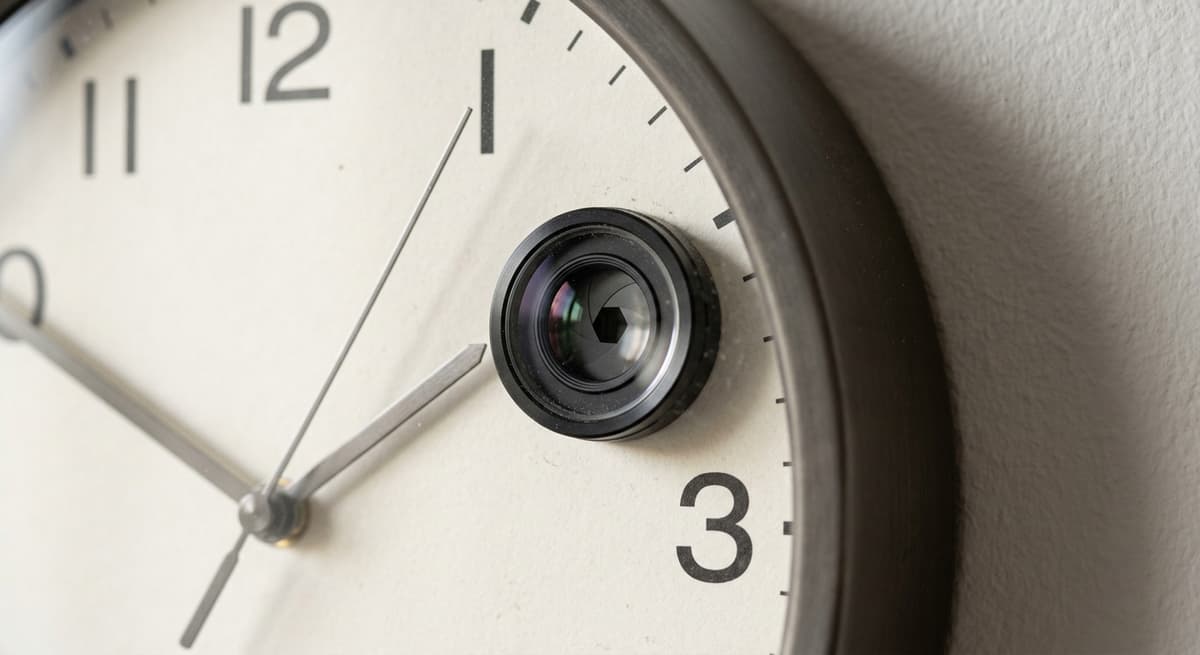
California fue uno de los primeros estados en aprobar una ley específica contra la distribución no consensuada de imágenes íntimas, conocida comúnmente como "pornografía de venganza". Esta disposición se agregó al PC 647(j) en 2013 y se ha ampliado varias veces desde entonces para abordar los deepfakes y las imágenes generadas por inteligencia artificial.
Elementos del Delito
Según el PC 647(j)(4)(A)(i), una persona comete un delito cuando distribuye intencionalmente la imagen de las partes íntimas del cuerpo de otra persona identificable, o imágenes de esa persona realizando actos sexuales, cuando se cumple todo lo siguiente:
- El acusado sabía o debía haber sabido que la distribución causaría a la persona representada un sufrimiento emocional grave
- La persona representada realmente sufrió un sufrimiento emocional grave
- Existía una de estas condiciones: había un acuerdo previo de que las imágenes permanecerían privadas, las imágenes se tomaron sin autorización, o las imágenes se obtuvieron mediante acceso no autorizado a los dispositivos o cuentas de la persona representada
Imágenes Generadas por IA y Deepfakes
El estatuto también aborda las imágenes íntimas sintéticas. Según el PC 647(j)(4)(A)(ii), es un delito crear y distribuir una "imagen fotorrealista, imagen digital, imagen electrónica, imagen informática, imagen generada por computadora u otra representación pictórica" de las partes íntimas del cuerpo o actos sexuales de otra persona, cuando la imagen está diseñada para parecer auténtica. Esta disposición garantiza que la pornografía deepfake generada por IA reciba el mismo trato que las imágenes reales.
Sin embargo, esta disposición sobre deepfakes no se aplica a menores de 18 años. La distribución de imágenes íntimas falsas que representan a menores está sujeta a los estatutos más severos sobre pornografía infantil, que conllevan sanciones por delito grave.
Excepciones a la Ley
El PC 647(j)(4)(D) establece cuatro excepciones limitadas en las que la distribución de imágenes íntimas no es delito:
- Denunciar actividad ilegal: compartir imágenes con las fuerzas del orden u otras autoridades como parte de la denuncia de un delito
- Órdenes judiciales: distribución exigida por una orden judicial legítima
- Procedimientos públicos legales: imágenes presentadas como evidencia en procedimientos legales
- Interés público: distribución de interés público, aunque esta excepción no aplica simplemente porque la persona representada sea una figura pública
Definiciones
El estatuto define términos clave:
- "Parte íntima del cuerpo" significa cualquier porción de los genitales, el ano y, en el caso de una mujer, cualquier porción de los senos por debajo de la parte superior de la areola, que esté descubierta o claramente visible a través de la ropa
- "Identificable" significa capaz de identificación o de ser reconocido, es decir, que la víctima o alguien que la conozca podría identificar a la persona en la imagen
- "Distribuir" incluye exhibir en público o dar posesión
Sanciones por Delitos de Voyeurismo
Las sanciones por los delitos de voyeurismo en California dependen de qué subsección se haya violado, si la víctima era menor de edad y si el acusado tiene condenas previas.
Sanciones por Primera Infracción (Delito Menor)
Para una primera infracción de cualquier párrafo del PC 647(j), el delito es un delito menor que conlleva:
- Hasta 6 meses en la cárcel del condado
- Una multa de hasta $1,000
- Libertad condicional informal (summary probation) de hasta 3 años
- Posible orden de restricción para la protección de la víctima
Sanciones Agravadas para Reincidentes
Según el PC 647(k)(1), una segunda infracción o infracciones posteriores de la subdivisión (j) se sancionan con:
- Hasta 1 año en la cárcel del condado
- Una multa de hasta $2,000
- O ambas cosas, cárcel y multa
Sanciones Agravadas Cuando la Víctima Es Menor de Edad
Según el PC 647(k)(2), si la víctima era menor de edad al momento del delito, incluso una primera infracción conlleva la sanción agravada de:
- Hasta 1 año en la cárcel del condado
- Una multa de hasta $2,000
- O ambas cosas
Cargos por Delito Grave para Reincidentes Contra Menores
El PC 647(k)(3) contiene la agravante más severa. Si la víctima de un delito de cámara oculta bajo el párrafo (3) de la subdivisión (j) era menor de edad, y el acusado tiene una condena previa por el mismo delito, el crimen puede ser imputado como delito grave sancionado con prisión conforme a la subdivisión (h) de la Sección 1170 del Código Penal. Esto significa una posible sentencia de prisión estatal de 16 meses, 2 años o 3 años.
Tabla Resumen de Sanciones
| Delito | Clasificación | Cárcel/Prisión Máx. | Multa Máx. |
|---|---|---|---|
| Primera infracción, PC 647(j) | Delito menor | 6 meses en cárcel del condado | $1,000 |
| Segunda infracción, PC 647(j) | Delito menor | 1 año en cárcel del condado | $2,000 |
| Primera infracción, víctima menor de 18 años | Delito menor | 1 año en cárcel del condado | $2,000 |
| Segunda infracción contra menor bajo PC 647(j)(3) | Delito grave (wobbler) | 16 meses a 3 años en prisión estatal | $2,000+ |
Registro de Delincuentes Sexuales
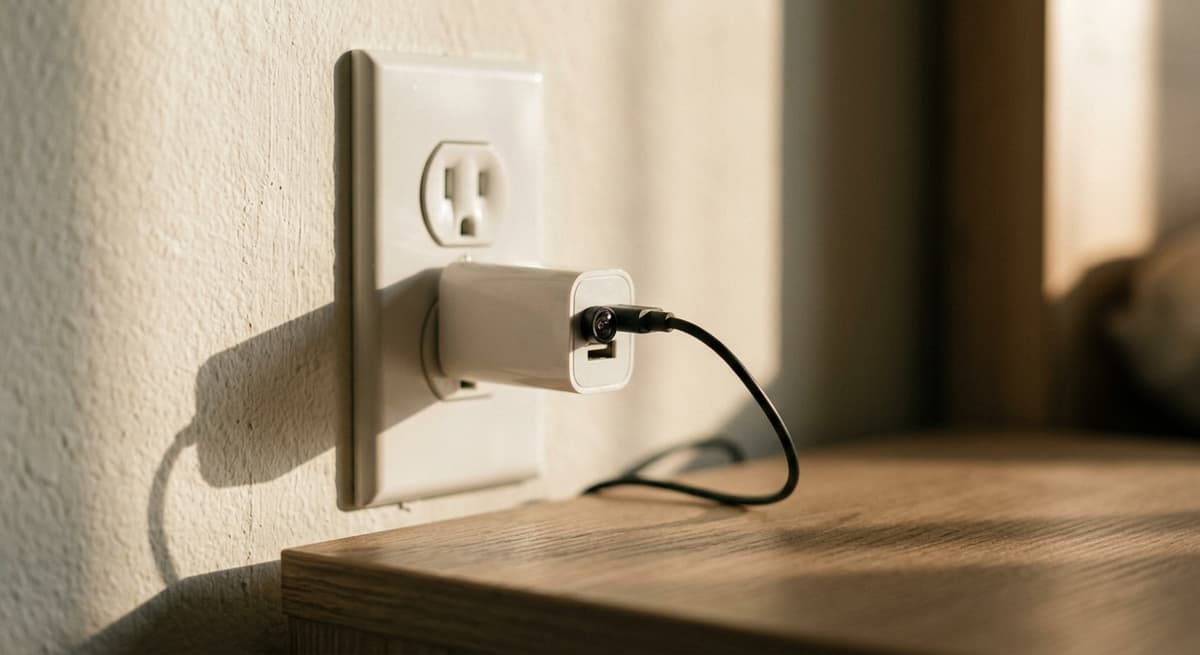
Una condena bajo el PC 647(j) no exige automáticamente el registro como delincuente sexual bajo el Código Penal 290. Sin embargo, el tribunal tiene la autoridad discrecional bajo el PC 290.006 de ordenar el registro si el juez determina que el delito se cometió como resultado de una compulsión sexual o con fines de gratificación sexual.
Cuándo Ordenan los Tribunales el Registro
Es más probable que los tribunales ordenen el registro discrecional como delincuente sexual cuando:
- El acusado cometió múltiples infracciones separadas motivadas por gratificación sexual
- La conducta mostró un patrón de comportamiento depredador
- El acusado mostró poco o ningún remordimiento
- Las víctimas eran menores de edad
- Las grabaciones fueron distribuidas o compartidas con otros
Si se ordena el registro, el acusado sería colocado en el registro de delincuentes sexuales de Nivel Uno (Tier One) por un mínimo de 10 años. No registrarse bajo el PC 290 es en sí mismo un delito separado que puede acusarse como delito menor o delito grave, y cada condena adicional extiende el período de registro en un año para un delito menor o tres años para un delito grave.
Recursos Civiles para las Víctimas
Más allá del proceso penal, la ley de California ofrece múltiples causas de acción civil para las víctimas de delitos de voyeurismo y cámaras ocultas.
Código Civil 1708.85: Distribución No Consensuada de Imágenes Íntimas
El Código Civil 1708.85 permite a las víctimas demandar a cualquiera que distribuya intencionalmente imágenes íntimas sin consentimiento. Las víctimas pueden recuperar:
- Daños generales por vergüenza, humillación y sufrimiento emocional
- Daños especiales por pérdida de ingresos, costos de terapia y otras pérdidas cuantificables
- Daños punitivos en casos de conducta maliciosa
- Honorarios de abogados y costos
- Medidas cautelares para obligar la eliminación de las imágenes
Código Civil 1708.8: Invasión de la Privacidad (Física y Constructiva)
El Código Civil 1708.8 establece una causa de acción civil por invasión física de la privacidad (entrar en la propiedad de otra persona para capturar imágenes) e invasión constructiva de la privacidad (usar tecnología para capturar imágenes que no podrían verse a simple vista). Las víctimas pueden recuperar:
- Hasta tres veces el monto de los daños generales y especiales
- Una multa civil de $5,000 a $50,000
- Daños punitivos
Reclamos de Responsabilidad Civil Extracontractual (Common Law)
Las víctimas también pueden presentar reclamos por:
- Intrusión en la privacidad: intrusión intencional en un asunto privado que sería sumamente ofensiva para una persona razonable
- Divulgación pública de hechos privados: publicar información privada que no es de interés público legítimo
- Infligir intencionalmente sufrimiento emocional: conducta extrema e indignante que causa un sufrimiento emocional severo
Cámaras para Niñeras y Vigilancia en el Hogar
La ley de California permite a los propietarios de vivienda usar cámaras de videovigilancia dentro de sus propios hogares, pero con limitaciones importantes. Entender estas reglas es esencial para los padres que usan cámaras para niñeras y para cualquiera que emplee trabajadores domésticos.
Qué Es Legal
Usted puede instalar legalmente una cámara para niñera en las áreas comunes de su hogar, como la sala, la cocina, el cuarto de juegos o el dormitorio del niño (cuando se usa para supervisar la conducta del cuidador). La grabación de solo video en estas áreas generalmente no viola la ley de California, siempre que no esté grabando en un espacio donde alguien tenga una expectativa razonable de privacidad.
Qué Es Ilegal
Las cámaras nunca deben colocarse en:
- Baños utilizados por el cuidador
- El dormitorio privado de una niñera que vive en la casa
- Cualquier habitación donde el cuidador se cambie de ropa
- Áreas de ducha o baño
Restricciones sobre la Grabación de Audio
California es un estado de consentimiento de todas las partes para la grabación de audio. Según el Código Penal 632, grabar una conversación confidencial sin el consentimiento de todas las partes es un delito separado. Una cámara para niñera que graba audio sin el conocimiento del cuidador viola esta ley, incluso si el componente de video es legal.
El enfoque más seguro es usar cámaras para niñeras de solo video en áreas comunes e informar por escrito al cuidador que se está utilizando videovigilancia. Muchos abogados laborales recomiendan incluir una cláusula de divulgación de vigilancia en el contrato de trabajo del cuidador.
Airbnb, Hoteles y Alquileres Vacacionales
El auge de los alquileres vacacionales de corto plazo ha creado nuevos desafíos de privacidad. Los huéspedes en propiedades de Airbnb, hoteles y otros alojamientos de alquiler tienen una expectativa razonable clara de privacidad en dormitorios y baños.
Marco Legal
Cualquier anfitrión que coloque una cámara oculta en el dormitorio, baño u otra área privada de un huésped viola el PC 647(j)(3). La disposición explícita del estatuto de que una relación arrendador-inquilino o similar no es una defensa se aplica directamente a este escenario.
Cambios en la Política de Airbnb
En marzo de 2024, Airbnb anunció una prohibición total de las cámaras de seguridad y dispositivos de grabación en interiores en todos los anuncios a nivel mundial. Anteriormente, los anfitriones podían revelar la presencia de cámaras en áreas comunes. El cambio de política se produjo tras numerosos reportes de incidentes con cámaras ocultas. Una investigación de CNN de 2024 reveló que Airbnb había recibido al menos 35,000 tickets de atención al cliente sobre dispositivos de vigilancia desde 2013.
Qué Hacer Si Encuentra una Cámara Oculta
Si descubre una cámara oculta en una propiedad de alquiler o habitación de hotel:
- No mueva el dispositivo si es posible, ya que es evidencia
- Documente la ubicación de la cámara con sus propias fotos
- Contacte a las fuerzas del orden locales para presentar un reporte policial
- Notifique a la plataforma (Airbnb, VRBO, la administración del hotel)
- Consulte a un abogado sobre los cargos penales y una posible demanda civil por daños
Reglas de Vigilancia en el Lugar de Trabajo
Los empleadores en California pueden usar videovigilancia en el lugar de trabajo con fines legítimos de seguridad, pero se aplican los mismos principios de privacidad. Las cámaras ocultas son ilegales en cualquier área donde los empleados tengan una expectativa razonable de privacidad.
Ubicaciones Prohibidas para Cámaras
Los empleadores nunca pueden instalar cámaras (ocultas o visibles) en:
- Baños
- Vestidores o áreas de cambio
- Oficinas privadas designadas para uso personal
- Salas de lactancia
- Salas de descanso utilizadas para cambiarse de ropa (en algunas circunstancias)
Ubicaciones Permitidas para Cámaras
Las cámaras de seguridad visibles generalmente son permisibles en:
- Pisos de venta minorista
- Almacenes y áreas de envío
- Estacionamientos y entradas de edificios
- Espacios de trabajo comunes y pasillos
Notificación a los Empleados
Aunque California no tiene un estatuto específico que exija a los empleadores notificar a los empleados sobre toda videovigilancia, las mejores prácticas y la orientación de la ley laboral de la División de Cumplimiento de Normas Laborales de California sugieren proporcionar dicha notificación. Los empleadores que realizan monitoreo secreto de audio a sus empleados violan el PC 632 sin importar la justificación comercial.
Ley Federal de Video Voyeurismo
Además de las leyes estatales de California, la Ley Federal de Prevención del Video Voyeurismo (18 U.S.C. 1801) convierte en delito capturar imágenes de las áreas privadas de una persona sin consentimiento cuando esa persona tiene una expectativa razonable de privacidad.
Cuándo Se Aplica la Ley Federal
El estatuto federal se aplica en la "jurisdicción marítima y territorial especial de los Estados Unidos", que incluye:
- Bases e instalaciones militares
- Parques nacionales y tierras federales
- Tribunales federales y edificios gubernamentales
- Aeropuertos y otras propiedades federales
- Instalaciones de Asuntos de Veteranos
Un delito de voyeurismo cometido en un parque nacional de California, por ejemplo, podría procesarse bajo la ley federal en lugar de la ley estatal. Las sanciones federales incluyen hasta un año de prisión y multas.
Ley TAKE IT DOWN (2025)
El 19 de mayo de 2025, el presidente Donald Trump promulgó la Ley TAKE IT DOWN. La ley crea un delito federal por la publicación no consensuada de representaciones visuales íntimas (NCII, por sus siglas en inglés), incluidas las imágenes íntimas deepfake generadas por IA, y exige a las plataformas cubiertas eliminar dicho contenido dentro de las 48 horas posteriores a una notificación válida; el plazo de un año para que las plataformas implementaran ese proceso de eliminación (19 de mayo de 2026) ya venció. Se aplica a nivel nacional y funciona junto con el recurso civil existente del Código Civil 1708.85 de California y la prohibición penal del Código Penal 647(j)(4). Para las víctimas en California, la ley federal agrega una vía de aplicación de órdenes de eliminación y sanciones penales para los infractores que son independientes de los recursos de la ley estatal.
Defensas Contra los Cargos de Voyeurismo
Varias defensas legales pueden aplicarse a los cargos bajo el PC 647(j), dependiendo de las circunstancias:
Falta de Intención
Muchas subsecciones del PC 647(j) requieren prueba de intención específica. Bajo el (j)(1), el acusado debe haber tenido la intención de invadir la privacidad. Bajo el (j)(2), el acusado debe haber tenido motivación sexual. Si la grabación fue accidental o se hizo con un propósito legítimo, este elemento podría no cumplirse.
Consentimiento
Si la persona grabada consintió la grabación, no se ha cometido ningún delito. El consentimiento debe ser otorgado por la persona cuya privacidad fue invadida, y debe cubrir el tipo de grabación que se realizó. El consentimiento para ser fotografiado vestido no es consentimiento para ser fotografiado desvestido.
Sin Expectativa Razonable de Privacidad
Una persona en un espacio verdaderamente público donde cualquiera puede verla generalmente no tiene una expectativa razonable de privacidad para efectos del PC 647(j)(1). Sin embargo, la expectativa de privacidad debajo de la ropa (relevante para el upskirting bajo el (j)(2)) existe sin importar la ubicación pública de la persona.
Impugnaciones Constitucionales
En algunos casos, los acusados han planteado defensas basadas en la Primera Enmienda, argumentando que grabar es un discurso protegido. Los tribunales de California generalmente han rechazado este argumento en casos de voyeurismo, sosteniendo que los intereses de privacidad de las víctimas superan cualquier reclamo de libertad de expresión cuando la grabación involucra imágenes íntimas capturadas sin consentimiento.
Leyes Relacionadas de Grabación y Privacidad de California
Los estatutos de voyeurismo de California funcionan junto con varias otras leyes de privacidad:
- PC 632: prohíbe grabar conversaciones confidenciales sin el consentimiento de todas las partes
- PC 631: interceptación telefónica y espionaje electrónico
- PC 653m: llamadas telefónicas y comunicaciones electrónicas de acoso
- Código Civil 1708.8: invasión civil de la privacidad, incluida la vigilancia con drones
- Código Civil 1708.85: acción civil por distribución no consensuada de imágenes íntimas
Más Leyes de Grabación de California
- Leyes de Grabación de California
- Leyes de Grabación de Audio de California
- Leyes de Grabación de Video de California
- Leyes de Grabación de Llamadas Telefónicas de California
- Leyes de California sobre Grabar a la Policía
- Leyes de California sobre Grabar en Público
- Leyes de Grabación en el Lugar de Trabajo de California
- Leyes de Grabación Escolar de California
- Leyes de Cámaras de Seguridad y Vigilancia de California
- Leyes de Dashcam de California
- Leyes de Grabación entre Arrendador e Inquilino de California
- Leyes de California sobre Grabar a Médicos
Más Temas de Grabación de California
- Leyes de Grabación de California
- Grabación de Audio de California
- Grabación de Video de California
- Grabación Médica de California
- Grabación Escolar de California
- Grabación en el Trabajo de California
- Grabación Policial de California
- Grabación de Llamadas Telefónicas de California
- Grabación con Cámaras de Seguridad de California
- Grabación entre Arrendador e Inquilino de California
- Grabación con Dashcam de California
- Grabación en Público de California
- Leyes de Privacidad Biométrica de California
- Leyes de Cámaras de Vigilancia
Preguntas frecuentes
¿Es legal colocar una cámara oculta en mi propia casa en California?
Puede usar cámaras de solo video en las áreas comunes de su propia casa (sala, cocina, pasillos) para seguridad o supervisión del cuidado infantil. Sin embargo, nunca debe colocar una cámara en un baño, en el dormitorio de un huésped, o en cualquier área donde otra persona tenga una expectativa razonable de privacidad. Si tiene un empleado que vive en la casa, como una niñera, sus habitaciones privadas están fuera de los límites. Grabar audio sin consentimiento viola el Código Penal de California 632, incluso en su propia casa.
¿Qué debo hacer si encuentro una cámara oculta en un Airbnb o habitación de hotel?
No toque ni mueva la cámara, ya que puede servir como evidencia. Tome fotos de su ubicación y de cualquier cableado o dispositivo de almacenamiento visible. Salga de la habitación y llame a las fuerzas del orden locales para presentar un reporte policial bajo el PC 647(j)(3). Notifique a Airbnb o a la administración del hotel por escrito. Consulte a un abogado de lesiones personales, ya que podría tener motivos para una demanda civil que podría incluir daños por sufrimiento emocional y daños punitivos bajo el Código Civil 1708.8.
¿Puedo ir a prisión por una condena de voyeurismo en California?
La mayoría de los delitos de voyeurismo bajo el PC 647(j) son delitos menores, que conllevan hasta 6 meses en la cárcel del condado para una primera infracción o hasta 1 año para una segunda infracción. Sin embargo, una segunda condena o condenas posteriores bajo el PC 647(j)(3) en las que la víctima era menor de edad pueden imputarse como delito grave, con una pena de 16 meses a 3 años en prisión estatal. El tribunal también puede ordenar el registro como delincuente sexual a su discreción si el delito tuvo motivación sexual.
¿La ley de California cubre las imágenes íntimas generadas por IA o deepfakes?
Sí. El PC 647(j)(4)(A)(ii) aborda específicamente las imágenes íntimas sintéticas, incluidos los deepfakes generados por IA. Crear y distribuir una imagen falsa fotorrealista de otra persona identificable que muestre sus partes íntimas del cuerpo o actos sexuales es un delito menor si causa un sufrimiento emocional grave. Para los deepfakes que representan a menores, se aplican en su lugar los estatutos más severos sobre pornografía infantil.
¿Puede mi empleador grabarme legalmente en el trabajo en California?
Los empleadores pueden usar cámaras de seguridad visibles en áreas de trabajo comunes como pisos de venta, almacenes y vestíbulos con fines comerciales legítimos. Las cámaras nunca son legales en baños, vestidores, áreas de cambio o salas de lactancia. La grabación secreta de audio de los empleados viola el Código Penal 632 sin importar la razón comercial. Las mejores prácticas exigen que los empleadores notifiquen a los trabajadores sobre cualquier videovigilancia en el lugar de trabajo.
Actualizaciones
Verificado de forma independiente contra las fuentes primarias citadas; ley aplicable revisada en busca de cambios recientes
Se corrigieron detalles sobre el registro de delincuentes sexuales, los recursos civiles y la definición estatutaria en la guía de voyeurismo para que coincidan con el texto vigente del Código Penal y el Código Civil de California.
Ley aplicable revisada en busca de cambios recientes
Revisado y aprobado por un editor
La ley detrás de este artículo
Este artículo se apoya en las disposiciones legales a continuación, conservadas en nuestro propio registro jurídico y obtenidas de la fuente oficial. Toque una sección para leer el texto vigente.
California Penal Code
§ 647Vigentecitada en 19 de nuestros artículos
Except as provided in paragraph (5) of subdivision (b) and in subdivisions (k) and (l), a person who commits any of the following acts is guilty of disorderly conduct, a misdemeanor: (a) An individual who solicits anyone to engage in or who engages in lewd or dissolute conduct in a public place or in a place open to the public or exposed to public view. (b) (1) An individual who solicits, or who agrees to engage in, or who engages in, an act of prostitution with the intent to receive compensation, money, or anything of value from another person. An individual agrees to engage in an act of prostitution when, with specific intent to so engage, the individual manifests an acceptance of an offer or solicitation by another person to so engage, regardless of whether the offer or solicitation was made by a person who also possessed the specific intent to engage in an act of prostitution. (2) An individual who solicits, or who agrees to engage in, or who engages in, an act of prostitution with another person who is 18 years of age or older in exchange for the individual providing compensation, money, or anything of value to the other person.
Texto oficial (extracto) · verificado el 2026-08-31 · Lea el texto completo en nuestra biblioteca legal · Verifique en leginfo.legislature.ca.gov
Citada en 593 resoluciones judiciales de nuestra colecciónResolución más reciente que la cita en nuestra colección: 2026
En los tribunales (resumen editorial, verificado de forma independiente):In re Giannini (1968) anuló las condenas bajo el Código Penal 647(a) porque la fiscalía no presentó prueba de los estándares comunitarios, y equiparó "lewd or dissolute" con lo obsceno solo para juzgar un baile presuntamente obsceno presentado ante un público.
Resoluciones que citan esta sección en nuestra colección:
- Morrison v. State Board of Education (California Supreme Court 1969, 1 Cal. 3d 214)“…public beach and the teacher was arrested for violation of Penal Code section 647, subdivision (a), and convicted, on his…”
- People v. Laiwa (California Supreme Court 1983, 34 Cal. 3d 711)“…to arrest him for being under the influence of a narcotic. (Pen. Code, § 647, subd. (f).) [1] He moved, however, to…”
- In Re Cregler (California Supreme Court 1961, 56 Cal. 2d 308)✓Un hombre con una condena previa por robo fue arrestado por estar de pie en una estación de autobuses de San Francisco bajo la versión de vagancia de la section 647 anterior a 1961. La corte rechazó su planteamiento de vaguedad, interpretó que merodear exige permanecer para cometer un delito y negó el hábeas corpus.
Identificado automáticamente a partir de las opiniones judiciales que citan esta sección; no es un ranking de qué caso prevalece.
§ 290Vigentecitada en 3 de nuestros artículos
(a) Sections 290 to 290.024, inclusive, shall be known, and may be cited, as the Sex Offender Registration Act. All references to “the Act” in those sections are to the Sex Offender Registration Act. (b) Every person described in subdivision (c), for the period specified in subdivision (d) while residing in California, or while attending school or working in California, as described in Sections 290.002 and 290.01, shall register with the chief of police of the city in which the person is residing, or the sheriff of the county if the person is residing in an unincorporated area or city that has no police department, and, additionally, with the chief of police of a campus of the University of California, the California State University, or community college if the person is residing upon the campus or in any of its facilities, within five working days of coming into, or changing the person’s residence within, any city, county, or city and county, or campus in which the person temporarily resides, and shall register thereafter in accordance with the Act, unless the duty to register is terminated pursuant to Section 290.5 or as otherwise provided by law.
Texto oficial (extracto) · verificado el 2026-07-28 · Lea el texto completo en nuestra biblioteca legal · Verifique en leginfo.legislature.ca.gov
Citada en 561 resoluciones judiciales de nuestra colecciónResolución más reciente que la cita en nuestra colección: 2026
Resoluciones que citan esta sección en nuestra colección:
- People v. McKee (California Supreme Court 2010, 47 Cal. 4th 1172)“…ply to sex offenders that do not apply to other offenders. (Pen. Code, § 290.) Failure of a sex offender to obey the…”
- Johnson v. Department of Justice (California Supreme Court 2015, 60 Cal. 4th 871)“…includes application of the Sex Offender Registration Act (Pen. Code, § 290 et seq.), 1 which was enacted to preve…”
- Pryor v. Municipal Court (California Supreme Court 1979, 25 Cal. 3d 238)“…tion 647, subdivision (a), must register as sex offenders. (Pen. Code, § 290.) It is inconceivable that the Legislat…”
Identificado automáticamente a partir de las opiniones judiciales que citan esta sección; no es un ranking de qué caso prevalece.
§ 290.006Vigente
(a) Any person ordered by any court to register pursuant to the act, who is not required to register pursuant to Section 290, shall so register, if the court finds at the time of conviction or sentencing that the person committed the offense as a result of sexual compulsion or for purposes of sexual gratification. The court shall state on the record the reasons for its findings and the reasons for requiring registration. (b) The person shall register as a tier one offender in accordance with paragraph (1) of subdivision (d) of Section 290, unless the court finds the person should register as a tier two or tier three offender and states on the record the reasons for its finding. (c) In determining whether to require the person to register as a tier two or tier three offender, the court shall consider all of the following: (1) The nature of the registerable offense. (2) The age and number of victims, and whether any victim was personally unknown to the person at the time of the offense. A victim is personally unknown to the person for purposes of this paragraph if the victim was known to the offender for less than 24 hours.
Texto oficial (extracto) · verificado el 2026-07-28 · Lea el texto completo en nuestra biblioteca legal · Verifique en leginfo.legislature.ca.gov
Citada en 18 resoluciones judiciales de nuestra colecciónResolución más reciente que la cita en nuestra colección: 2024
Resoluciones que citan esta sección en nuestra colección:
- People v. Eastman (California Court of Appeal, 5th District 2018, 237 Cal. Rptr. 3d 266)“…subd. (j)(2) ), 1 and he admitted allegations "pursuant to Penal Code section 290.006" that the six counts had been "committe…”
- People v. Mosley (California Supreme Court 2015, 60 Cal. 4th 1044)“…tification” and ordered him to register as a sex offender. (Pen. Code, § 290.006.) The registration order made Mosley su…”
- Shoemaker v. Harris (California Court of Appeal 2013, 214 Cal. App. 4th 1210)“…minors are subject only to discretionary registration under Penal Code section 290.006. Upon respondent’s demurrer, the superi…”
Identificado automáticamente a partir de las opiniones judiciales que citan esta sección; no es un ranking de qué caso prevalece.
§ 632Vigentecitada en 55 de nuestros artículos
(a) A person who, intentionally and without the consent of all parties to a confidential communication, uses an electronic amplifying or recording device to eavesdrop upon or record the confidential communication, whether the communication is carried on among the parties in the presence of one another or by means of a telegraph, telephone, or other device, except a radio, shall be punished by a fine not exceeding two thousand five hundred dollars ($2,500) per violation, or imprisonment in a county jail not exceeding one year, or in the state prison, or by both that fine and imprisonment. If the person has previously been convicted of a violation of this section or Section 631, 632.5, 632.6, 632.7, or 636, the person shall be punished by a fine not exceeding ten thousand dollars ($10,000) per violation, by imprisonment in a county jail not exceeding one year, or in the state prison, or by both that fine and imprisonment.
Texto oficial (extracto) · verificado el 2026-09-23 · Lea el texto completo en nuestra biblioteca legal · Verifique en leginfo.legislature.ca.gov
Citada en 267 resoluciones judiciales de nuestra colecciónResolución más reciente que la cita en nuestra colección: 2026
En los tribunales (resumen editorial, verificado de forma independiente):Kimmel v. Goland (1990) sostuvo que el privilegio de litigio del artículo 47(2) no impide una demanda de daños bajo la Sección 632 por grabar conversaciones confidenciales sin consentimiento. Lieberman v. KCOP Television, Inc. (2003) sostuvo que la violación se comete al hacer la grabación secreta, se divulgue o no.
Resoluciones que citan esta sección en nuestra colección:
- Rubin v. Green (California Supreme Court 1993, 4 Cal. 4th 1187)“…f telephone conversations with defendants, an offense under Penal Code section 632. We noted that defendants alleged that…”
- Kimmel v. Goland (California Supreme Court 1990, 51 Cal. 3d 202)✓Dueños de casas móviles grabaron en secreto llamadas con la administración del parque en anticipación de demandar; el tribunal sostuvo que el privilegio litigioso de la sección 47(2) no impedía la contrademanda por daños bajo la sección 632 del Código Penal, porque la lesión provino de la grabación, no de una publicación.
- Shulman v. Group W Productions, Inc. (California Supreme Court 1998, 74 Cal. Rptr. 2d 843)✓Un productor de televisión colocó un micrófono inalámbrico a la enfermera de vuelo que atendía a una víctima de un accidente. No había demanda bajo la sección 632 ante el tribunal, pero este llamó a la sección 632 y al agravio de intromisión leyes de aplicación general y dijo que la prensa no puede escuchar en violación de esa sección.
Identificado automáticamente a partir de las opiniones judiciales que citan esta sección; no es un ranking de qué caso prevalece.
También citada en: Grabaciones como prueba: reglas judiciales por estado, Leyes de grabación de reuniones con IA en Pensilvania: Consentimiento de todas las partes y penas de delito grave (2026)
California Civil Code
§ 1708.8Vigentecitada en 9 de nuestros artículos
(a) A person is liable for physical invasion of privacy when the person knowingly enters onto the land or into the airspace above the land of another person without permission or otherwise commits a trespass in order to capture any type of visual image, sound recording, or other physical impression of the plaintiff engaging in a private, personal, or familial activity and the invasion occurs in a manner that is offensive to a reasonable person. (b) A person is liable for constructive invasion of privacy when the person attempts to capture, in a manner that is offensive to a reasonable person, any type of visual image, sound recording, or other physical impression of the plaintiff engaging in a private, personal, or familial activity, through the use of any device, regardless of whether there is a physical trespass, if this image, sound recording, or other physical impression could not have been achieved without a trespass unless the device was used. (c) An assault or false imprisonment committed with the intent to capture any type of visual image, sound recording, or other physical impression of the plaintiff is subject to subdivisions (d), (e), and (h).
Texto oficial (extracto) · verificado el 2026-08-31 · Lea el texto completo en nuestra biblioteca legal · Verifique en leginfo.legislature.ca.gov
Citada en 17 resoluciones judiciales de nuestra colecciónResolución más reciente que la cita en nuestra colección: 2026
En los tribunales (resumen editorial, verificado de forma independiente):Richardson-Tunnell v. Schools Insurance Program for Employees (2007) sostuvo que la Section 1708.8 no crea una excepción a la inmunidad del Government Code 821.6 para la vigilancia investigativa de una entidad pública. En Simmons v. Bauer Media Group USA, LLC (2020) un reclamo bajo 1708.8(b) por un rastreador oculto superó una moción anti-SLAPP; el tribunal no analizó sus elementos.
Resoluciones que citan esta sección en nuestra colección:
- Hernandez v. Hillsides, Inc. (California Supreme Court 2009, 47 Cal. 4th 272)“…provisions is on the “intent to capture” a “visual image” (Civ. Code, § 1708.8, subd. (a)), or on the “attempt” to do…”
- Richardson-Tunnell v. Schools Insurance Program for Employees (California Court of Appeal 2007, 69 Cal. Rptr. 3d 176)✓Investigadores de compensación laboral grabaron en video a una maestra lesionada en su boda y su luna de miel; la corte sostuvo que Civil Code section 1708.8 no crea una excepción a la inmunidad investigativa de Government Code section 821.6, por lo que su demanda contra las entidades públicas fracasó.
- Raef v. Appellate Division of the Superior Court (California Court of Appeal 2015, 240 Cal. App. 4th 1112)“…Erwin Chemerinsky explained in relation to another statute (Civ. Code, § 1708.8, which, too, forms part of what is popu…”
Identificado automáticamente a partir de las opiniones judiciales que citan esta sección; no es un ranking de qué caso prevalece.
§ 1708.85Vigentecitada en 2 de nuestros artículos
(a) A private cause of action lies against a person who intentionally distributes by any means a photograph, film, videotape, recording, or any other reproduction of another, without the other’s consent, if (1) the person knew, or reasonably should have known, that the other person had a reasonable expectation that the material would remain private, (2) the distributed material exposes an intimate body part of the other person, or shows the other person engaging in an act of intercourse, oral copulation, sodomy, or other act of sexual penetration, and (3) the other person suffers general or special damages as described in Section 48a. (b) As used in this section, “intimate body part” means any portion of the genitals, and, in the case of a female, also includes any portion of the breast below the top of the areola, that is uncovered or visible through less than fully opaque clothing.
Texto oficial (extracto) · verificado el 2026-07-28 · Lea el texto completo en nuestra biblioteca legal · Verifique en leginfo.legislature.ca.gov
Citada en 10 resoluciones judiciales de nuestra colecciónResolución más reciente que la cita en nuestra colección: 2026
Resoluciones que citan esta sección en nuestra colección:
- Santa Ana Police Officers Assn. v. City of Santa Ana (California Court of Appeal 2025)“…cene 9 material, Civil Code section 1708.85, subdivision (f)(1) states: “A plaintif…”
- Depart. of Fair Employment and Housing v. Super. Ct. (California Court of Appeal 2022)“…ertain parties’ identities confidential. (See, for example, Civ. Code, § 1708.85, subd. (f)(1) [plaintiff in action for…”
- Doe v. Superior Court of Los Angeles County (California Court of Appeal 2016, 3 Cal. App. 5th 915)“…ice that the form is a “Confidential Information Form under Civil Code Section 1708.85;” and the form specifically directs “TO…”
Identificado automáticamente a partir de las opiniones judiciales que citan esta sección; no es un ranking de qué caso prevalece.
United States Code Title 18
§ 1801Video voyeurismVigentecitada en 81 de nuestros artículos
Whoever, in the special maritime and territorial jurisdiction of the United States, has the intent to capture an image of a private area of an individual without their consent, and knowingly does so under circumstances in which the individual has a reasonable expectation of privacy, shall be fined under this title or imprisoned not more than one year, or both. In this section— the term “capture”, with respect to an image, means to videotape, photograph, film, record by any means, or broadcast; the term “broadcast” means to electronically transmit a visual image with the intent that it be viewed by a person or persons; the term “a private area of the individual” means the naked or undergarment clad genitals, pubic area, buttocks, or female breast of that individual; the term “female breast” means any portion of the female breast below the top of the areola; and the term “under circumstances in which that individual has a reasonable expectation of privacy” means— circumstances in which a reasonable person would believe that he or she could disrobe in privacy, without being concerned that an image of a private area of the individual was being captured; or circumstances in which a…
Texto oficial (extracto) · verificado el 2026-07-28 · Lea el texto completo en nuestra biblioteca legal · Verifique en uscode.house.gov
Citada en 53 resoluciones judiciales de nuestra colecciónResolución más reciente que la cita en nuestra colección: 2026
En los tribunales (resumen editorial, verificado de forma independiente):Los tribunales han aplicado 18 U.S.C. 1801 sobre todo en sus márgenes. United States v. Johnson (2010) lo interpretó como la respuesta del Congreso a la filmación secreta de desnudez en propiedad federal y absolvió de un cargo de explotación infantil. EPIC v. Department of Homeland Security (2011) aplicó la excepción policial de la Sección 1801(c) a un reclamo sobre escáneres de la TSA.
Resoluciones que citan esta sección en nuestra colección:
- United States v. Anthony Helton (Court of Appeals for the Fourth Circuit 2019, 944 F.3d 198)“…from this list of federal offenses is video voyeurism under 18 U.S.C. § 1801. Rather than list this statute as an enu…”
- United States v. Johnson (District Court, W.D. Missouri 2010, 719 F. Supp. 2d 1059)✓Un entrenador de levantamiento de pesas escondió una cámara para filmar a menores que se pesaban desnudas; al absolverlo bajo la norma de explotación sexual infantil, el tribunal calificó esa conducta como claro video voyeurism bajo la sección 1801, pero señaló que la sección solo alcanza la jurisdicción marítima y territorial federal.
- Electronic Privacy Information Center v. United States Department of Homeland Security (Court of Appeals for the D.C. Circuit 2011, 653 F.3d 1)✓Grupos de privacidad impugnaron los escáneres corporales de la TSA bajo la Video Voyeurism Prevention Act; el tribunal sostuvo que la excepción de la ley para actividades lícitas de aplicación de la ley, correccionales o de inteligencia cubría el control aeroportuario, y desestimó el reclamo bajo la sección 1801.
Identificado automáticamente a partir de las opiniones judiciales que citan esta sección; no es un ranking de qué caso prevalece.
También citada en: Leyes de Michigan sobre Grabación con Lentes Inteligentes (2026), Leyes de Luisiana sobre Grabación con Lentes Inteligentes (2026)
Fuentes y referencias
- Código Penal de California, Sección 647 (Conducta Desordenada)(leginfo.legislature.ca.gov).gov
- Código Penal de California, Sección 290 (Registro de Delincuentes Sexuales)(leginfo.legislature.ca.gov).gov
- Código Penal de California, Sección 290.006 (Registro Discrecional)(leginfo.legislature.ca.gov).gov
- Código Civil de California, Sección 1708.85 (Imágenes Íntimas No Consensuadas)(leginfo.legislature.ca.gov).gov
- Código Civil de California, Sección 1708.8 (Invasión de la Privacidad)(leginfo.legislature.ca.gov).gov
- Código Penal de California, Sección 632 (Interceptación de Comunicaciones)(leginfo.legislature.ca.gov).gov
- 18 U.S.C. 1801 - Ley de Prevención del Video Voyeurismo(law.cornell.edu)
- Ley de Invasión de la Privacidad de California (PC 630-638)(leginfo.legislature.ca.gov).gov
- Ley TAKE IT DOWN (Pub. L. 119-12, promulgada el 19 de mayo de 2025) - Ley Federal sobre Imágenes Íntimas No Consensuadas(congress.gov).gov
- Guía de Autoayuda de los Tribunales de California: Alivio del Registro bajo el PC 290(selfhelp.courts.ca.gov).gov