
California
Leyes de California sobre la Grabación de Llamadas Telefónicas: Reglas de Consentimiento para Celular y Línea Fija (2026)
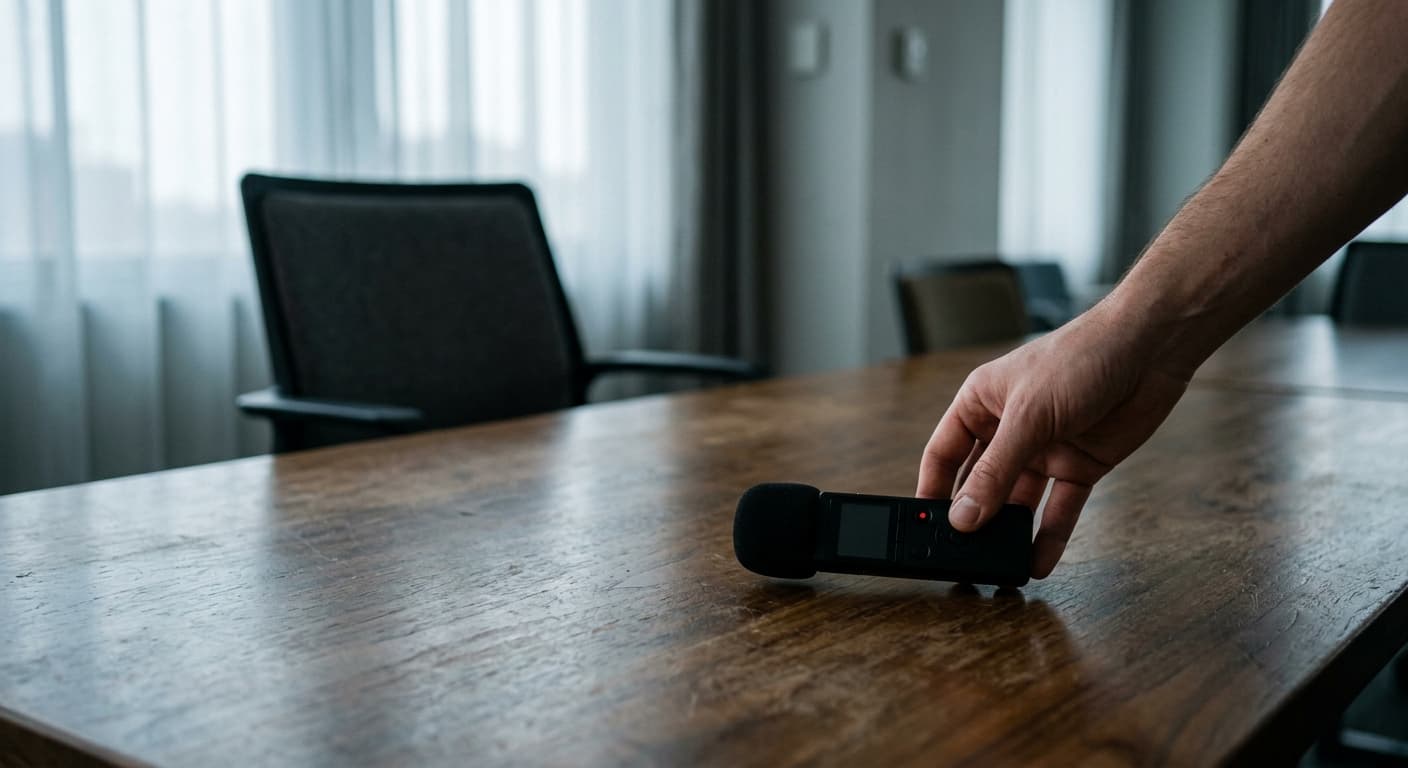
California exige el consentimiento de todas las partes antes de que alguien pueda grabar una llamada telefónica. El Penal Code 632 cubre las comunicaciones confidenciales, mientras que el Penal Code 632.7 extiende esa protección a toda llamada de teléfono celular e inalámbrico, sin importar si la conversación es confidencial. Ambos estatutos se aplican a residentes, empresas y personas que llaman desde fuera del estado a un número de California.
California tiene una de las leyes de grabación de llamadas telefónicas más estrictas de Estados Unidos. Como estado de consentimiento de todas las partes, California exige que toda persona en una llamada telefónica esté de acuerdo antes de que la conversación pueda grabarse. Dos estatutos principales rigen la grabación de llamadas: el Penal Code 632, que cubre las comunicaciones confidenciales, incluidas las llamadas telefónicas, y el Penal Code 632.7, que aborda específicamente las comunicaciones por celular y teléfono inalámbrico.
Estas reglas se aplican a líneas fijas, celulares, llamadas VoIP, videollamadas y comunicaciones basadas en internet. Ya sea que usted sea un consumidor, dueño de un negocio, empleador, o simplemente alguien que quiere grabar una llamada personal, entender estas leyes es fundamental para evitar un proceso penal y responsabilidad civil.
Penal Code 632: La Base de la Ley de Grabación Telefónica de California
El Penal Code 632 es el estatuto principal que rige la grabación de llamadas telefónicas en California. Establece que es ilegal usar intencionalmente un dispositivo electrónico de amplificación o grabación para espiar o grabar una comunicación confidencial sin el consentimiento de todas las partes. El estatuto incluye específicamente las conversaciones telefónicas dentro de su alcance.
La ley se aplica a cualquier persona que grabe una llamada telefónica, ya sea que participe en la llamada o intercepte la conversación como tercero. El elemento crítico es el consentimiento: toda persona involucrada en la conversación debe aceptar la grabación antes de que comience.
¿Qué Hace que una Llamada Telefónica Sea "Confidencial"?
Según el PC 632(c), una comunicación confidencial es cualquier comunicación "llevada a cabo en circunstancias que razonablemente indiquen que cualquier parte de la comunicación desea que se límite a las partes involucradas". La Corte Suprema de California definió este estándar en Flanagan v. Flanagan, 27 Cal.4th 766 (2002), al sostener que una comunicación es confidencial cuando una parte de la conversación tiene una expectativa objetivamente razonable de que esta no está siendo escuchada ni grabada.
La mayoría de las llamadas telefónicas privadas califican como comunicaciones confidenciales. Cuando usted llama a alguien desde su casa, oficina o celular personal y habla en privado, ambas partes esperan razonablemente que la conversación no esté siendo grabada por ningún dispositivo del que no tengan conocimiento. La naturaleza confidencial de la llamada no depende del tema que se discuta.
Una llamada telefónica generalmente no es confidencial cuando:
- Se realiza con altavoz en una habitación llena de gente donde los participantes saben que otros pueden escuchar
- Es parte de un procedimiento gubernamental abierto o una reunión pública
- Las partes no tienen una expectativa razonable de que la conversación sea privada
Sin embargo, poner una llamada en altavoz no destruye automáticamente la expectativa de privacidad. Si solo están presentes las partes de la llamada y no tienen motivos para creer que se está grabando, la comunicación puede seguir considerándose confidencial.
Penal Code 632.7: Grabación de Celulares y Teléfonos Inalámbricos
El Penal Code 632.7 ofrece una capa de protección separada y más amplia específicamente para las comunicaciones telefónicas inalámbricas. Este estatuto prohíbe a cualquier persona interceptar o grabar intencionalmente una comunicación transmitida entre:
- Dos teléfonos celulares
- Un teléfono celular y una línea fija
- Dos teléfonos inalámbricos
- Un teléfono inalámbrico y una línea fija
- Un teléfono inalámbrico y un teléfono celular
El estatuto cubre cualquiera de estas combinaciones sin el consentimiento de todas las partes de la comunicación.
El PC 632.7 No Exige "Confidencialidad"
La diferencia más significativa entre el PC 632 y el PC 632.7 es que la Sección 632.7 no exige que la comunicación sea confidencial para que ocurra una infracción. La Corte Suprema de California confirmó esta distinción en Smith v. LoanMe, Inc., 11 Cal.5th 183 (2021).
En ese caso, LoanMe grabó una llamada breve con el esposo de una prestataria, y un tono (beep) sonó tres segundos después de que comenzara la llamada. El tribunal inferior sostuvo que el PC 632.7 solo se aplicaba a espías externos, no a las partes de la llamada. La Corte Suprema de California revocó esa decisión y sostuvo que:
- La Sección 632.7 se aplica a las partes de una llamada, no solo a espías externos
- El estatuto no exige que la comunicación sea confidencial
La Corte no resolvió si el tono le dio aviso a Smith ni si permanecer en la llamada implicó su consentimiento; remitió esas cuestiones a la Corte de Apelaciones para que las considerara.
Esto significa que grabar cualquier conversación por celular o teléfono inalámbrico en California sin el consentimiento de todas las partes es ilegal, incluso si la conversación ocurre en un lugar público donde nadie esperaría confidencialidad.
Definición Amplia de "Comunicación"
La Sección 632.7 define "comunicación" de forma amplia para incluir transmisiones de voz, datos e imágenes, incluido el fax. El estatuto fue modificado por última vez en 2022 (Stats. 2022, Ch. 27, vigente desde el 1 de enero de 2023), modernizando su lenguaje para reflejar la tecnología de telecomunicaciones actual.
Cómo Funciona el Consentimiento para Grabar Llamadas Telefónicas
La ley de California exige el consentimiento de todas las partes antes de grabar una llamada telefónica. El consentimiento puede tomar varias formas, cada una con distintos niveles de protección legal.
Consentimiento Verbal Expreso
El método más seguro legalmente es preguntar directamente a todos en la llamada: "¿Acepta que esta llamada sea grabada?". Si todas las partes dicen que sí, usted tiene un consentimiento expreso y claro. Este enfoque deja poco margen para disputas legales.
Consentimiento Implícito Mediante Avisos
El consentimiento también puede implicarse mediante un aviso adecuado. El ejemplo más común es cuando una empresa reproduce un mensaje automatizado al inicio de una llamada: "Esta llamada puede ser grabada con fines de control de calidad". Si la otra parte permanece en la línea y continúa la conversación después de escuchar este aviso, los tribunales generalmente han tratado esa participación continuada como consentimiento implícito.
Los requisitos clave para el consentimiento implícito mediante avisos son:
- El aviso debe ser claro y audible
- Debe ocurrir antes de que comience la grabación
- La otra parte debe tener una oportunidad real de terminar la llamada si se opone
Avisos con Tono (Beep)
La Orden General 107-B de la Comisión de Servicios Públicos de California (California Public Utilities Commission) permite el uso de un tono automático ("beep") audible para todas las partes y repetido a intervalos regulares durante la grabación. En Smith v. LoanMe, el tribunal de primera instancia determinó que el tono le dio aviso adecuado a Smith, pero la Corte Suprema de California no llegó a resolver esa cuestión y la remitió a la Corte de Apelaciones, de modo que ninguna sentencia de la Corte Suprema de California establece que un simple tono satisfaga el requisito de consentimiento de todas las partes.
La práctica más segura es usar un aviso verbal o un consentimiento expreso en lugar de depender únicamente de un tono.
Consentimiento por Escrito
El consentimiento previo por escrito puede satisfacer el estatuto. Por ejemplo, si un cliente firma un contrato de servicio que revela las prácticas de grabación de llamadas y consiente la grabación, esto puede respaldar una defensa de consentimiento. Sin embargo, el consentimiento por escrito obtenido mucho antes de la llamada real puede enfrentar cuestionamientos si quien llamó no tuvo un aviso significativo en el momento de la llamada específica que se está grabando.
Cumplimiento Empresarial para la Grabación de Llamadas en California
Las empresas que graban llamadas telefónicas con clientes, prospectos o socios deben seguir pasos de cumplimiento específicos para evitar responsabilidad penal y demandas colectivas.
Qué Deben Hacer las Empresas
Toda empresa que graba llamadas que involucran a residentes de California debe:
- Dar aviso previo al inicio de cada llamada grabada, ya sea mediante un anuncio automatizado o una revelación verbal en vivo por parte del representante
- Obtener el consentimiento antes de que comience la grabación. El consentimiento implícito (continuar la llamada después del aviso) generalmente es aceptable, pero el consentimiento expreso es más seguro
- Dar a quien llama la oportunidad de rechazar la grabación, ya sea terminando la llamada, pidiendo continuar sin ser grabado, o hablando con alguien en una línea sin grabación
- Capacitar a los empleados en protocolos adecuados de revelación para que el consentimiento se obtenga de manera consistente
- Documentar los procedimientos de cumplimiento para demostrar esfuerzos de buena fe por seguir la ley
Errores Comunes de Cumplimiento
Las empresas frecuentemente se meten en problemas con estas prácticas:
- Revelación tardía: reproducir el aviso de grabación después de que la llamada ya se haya grabado parcialmente
- Anuncios poco claros: decir el aviso demasiado rápido, muy bajo, o de una manera que quien llama no puede entender
- Aviso solo con tono (beep): depender de un tono sin ninguna explicación verbal, algo que ninguna sentencia de la Corte Suprema de California ha aprobado como consentimiento
- Sin opción de rechazo: no ofrecer una alternativa para quienes no desean ser grabados
- Aplicación inconsistente: grabar algunas llamadas sin aviso debido a error del empleado o problemas de configuración del sistema
Exposición a Demandas Colectivas
Las empresas de California enfrentan un riesgo considerable de demandas colectivas si graban llamadas sin el consentimiento adecuado. Debido a que el Penal Code 637.2 otorga $5,000 en daños estatutarios por infracción sin necesidad de probar un daño real, una empresa que graba miles de llamadas sin consentimiento podría enfrentar una responsabilidad potencial de millones de dólares. Varias demandas colectivas importantes en California en años recientes han apuntado a empresas por grabar llamadas de servicio al cliente sin la revelación adecuada.
Llamadas Telefónicas Interestatales: Cuándo Se Aplica la Ley de California

Una de las preguntas más importantes y frecuentemente litigadas en la ley de grabación telefónica de California involucra las llamadas interestatales. Cuando una parte está en California y la otra en un estado con leyes de grabación menos restrictivas, ¿qué reglas estatales se aplican?
Kearney v. Salomon Smith Barney (2006)
La Corte Suprema de California abordó esta pregunta para las llamadas grabadas por una empresa en Kearney v. Salomon Smith Barney, Inc., 39 Cal.4th 95 (2006). En ese caso, empleados de la oficina de Salomon Smith Barney en Atlanta grabaron en secreto llamadas telefónicas con clientes de California. Georgia es un estado de consentimiento de una sola parte, lo que significaba que la grabación era legal según la ley de Georgia.
La Corte Suprema de California resolvió que la ley de California se aplica a la grabación rutinaria y no revelada, por parte de una empresa, de llamadas con sus clientes de California, incluso cuando la grabación se realiza en un estado de consentimiento de una sola parte. La Corte razonó que los intereses de California se verían gravemente afectados si su ley no se aplicara en este contexto, mientras que los intereses de Georgia no se verían afectados de forma significativa. Aplicó la ley de California solo de manera prospectiva: los clientes podían solicitar una orden judicial (injunction), pero la ley de Georgia regía los daños por las grabaciones pasadas. La Corte expresamente no decidió cómo se aplicaría este análisis a una llamada personal aislada grabada por una persona fuera del estado en un contexto no comercial.
Reglas Prácticas para Llamadas Interestatales
Kearney decidió únicamente el supuesto de grabación empresarial que tenía ante sí, por lo que las siguientes reglas son una práctica prudente y no fallos de ese caso:
- Si usted está en California llamando a alguien en un estado de consentimiento de una sola parte, la ley de California sigue aplicándose a usted. Necesita el consentimiento de todas las partes.
- Si usted está fuera de California llamando a alguien en California, la ley de California podría aplicarse, y Kearney resolvió que sí se aplica cuando una empresa graba de forma rutinaria llamadas con sus clientes de California. Obtenga el consentimiento de la parte que está en California.
- Si ambas partes están fuera de California, la ley de California no se aplica. Siga las leyes de los estados donde se encuentra cada parte.
- En caso de duda, siga las reglas del estado más estricto. Esto lo protege de responsabilidad en cualquiera de las dos jurisdicciones.
Las empresas con clientes en múltiples estados deberían adoptar una política de obtener el consentimiento de todas las partes en cada llamada, lo cual satisface los requisitos de todos los estados de EE. UU.
VoIP, Zoom, FaceTime y Llamadas por Internet
Las leyes de grabación telefónica de California se aplican a las tecnologías de comunicación modernas, no solo a las llamadas telefónicas tradicionales. Según la interpretación de los tribunales y legisladores, el consenso es que el PC 632 y el PC 632.7 se extienden a las comunicaciones de voz y video basadas en internet.
Llamadas VoIP (Skype, Google Voice, WhatsApp)
Las llamadas de Voz sobre Protocolo de Internet (VoIP) caen bajo el PC 632 como comunicaciones confidenciales transmitidas mediante un dispositivo electrónico. Aunque las llamadas VoIP viajan por internet en lugar de líneas telefónicas tradicionales, la referencia del estatuto a comunicaciones hechas por "teléfono u otro dispositivo" es lo suficientemente amplia para cubrirlas. Los tribunales no han creado una excepción para las llamadas de voz basadas en internet.
Videollamadas (Zoom, FaceTime, Google Meet, Microsoft Teams)
Las plataformas de videoconferencia se tratan igual que las llamadas telefónicas para efectos de grabación. Grabar una reunión de Zoom, una llamada de FaceTime o una sesión de Google Meet sin el consentimiento de todos los participantes viola el PC 632 cuando la comunicación es confidencial.
La mayoría de las plataformas principales de videoconferencia ofrecen funciones de grabación integradas que muestran un indicador visible y notifican a todos los participantes cuando comienza la grabación. Estas notificaciones pueden ayudar a establecer el consentimiento, pero la mejor práctica es confirmar verbalmente que todos los participantes están de acuerdo con la grabación al inicio de la sesión.
Consideraciones Importantes para Llamadas por Internet
- El mismo requisito de consentimiento de todas las partes se aplica sin importar la plataforma
- Las notificaciones de la plataforma por sí solas pueden no sustituir el consentimiento explícito, sobre todo si algunos participantes no ven la notificación o se unen tarde
- Si los participantes están en diferentes estados o países, debería aplicarse la ley de la jurisdicción más restrictiva
- Grabar seminarios web o reuniones públicas grandes puede tratarse de forma diferente porque los participantes podrían no tener una expectativa razonable de privacidad
Aplicaciones para Grabar Llamadas en California
Numerosas aplicaciones para iPhone y Android permiten a los usuarios grabar llamadas telefónicas de forma automática o bajo demanda. Las opciones populares incluyen TapeACall, Rev Call Recorder, Cube ACR, y otras. Aunque estas aplicaciones están legalmente disponibles para descargar, usarlas en California sin el consentimiento de todas las partes es ilegal.
Estatus Legal de las Aplicaciones de Grabación
Las aplicaciones en sí no son ilegales. La ley de California no prohíbe poseer o instalar software de grabación de llamadas. La infracción ocurre cuando una persona usa la aplicación para grabar una llamada sin obtener el consentimiento de todas las partes. Esto se aplica sea que la aplicación grabe automáticamente (grabando cada llamada entrante y saliente) o manualmente (grabando solo las llamadas que el usuario selecciona).
Funciones de Grabación Automática
Algunas aplicaciones de grabación de llamadas ofrecen una función de "grabación automática" que captura cada llamada sin ninguna acción del usuario. En California, usar esta función sin notificar y obtener el consentimiento de la otra parte en cada llamada es ilegal. El hecho de que la grabación haya sido automática no constituye una defensa.
Cómo Usar Aplicaciones de Grabación Legalmente
Para usar una aplicación de grabación de llamadas legalmente en California:
- Informe a la otra parte al inicio de cada llamada que la va a grabar
- Obtenga el consentimiento verbal antes de activar la grabación
- Si la otra parte se opone, no grabe. Desactive la función de grabación para esa llamada.
- No use funciones de grabación automática a menos que tenga un sistema para notificar a cada persona que llama antes de que comience la grabación
Restricciones de Apple y Google
Tanto Apple como Google han implementado restricciones a nivel de plataforma sobre las aplicaciones de grabación de llamadas. El sistema iOS de Apple no ofrece una API nativa para grabar llamadas telefónicas, por lo que la mayoría de las aplicaciones de grabación para iPhone funcionan conectándose a una línea de conferencia de terceros. Google también ha restringido el acceso a la API de grabación de llamadas en Android, limitando a muchas aplicaciones de grabación de terceros. Estas restricciones de plataforma reflejan la sensibilidad legal de la grabación de llamadas, pero no cambian los requisitos legales de fondo.
Grabación de Llamadas Telefónicas de Empleados por parte del Empleador
Los empleadores de California enfrentan restricciones específicas al grabar las llamadas telefónicas de los empleados, regidas tanto por la Invasión of Privacy Act como por las leyes laborales estatales.
Cuándo los Empleadores Pueden Grabar Llamadas
Los empleadores pueden grabar las llamadas telefónicas de los empleados solo cuando:
- Todas las partes dan su consentimiento para la grabación, incluido el empleado y la persona al otro lado de la línea
- Se da un aviso claro al inicio de la llamada (por ejemplo, "Esta llamada está siendo grabada con fines de calidad y capacitación")
- La llamada es una llamada de negocios que se supervisa con fines legítimos de negocio, como control de calidad o capacitación
Cuándo los Empleadores No Pueden Grabar Llamadas
A los empleadores les está prohibido:
- Grabar llamadas personales hechas por empleados, incluso en teléfonos de la empresa, a menos que el empleador haya informado al empleado que no se permiten llamadas personales y el empleado haya dado su consentimiento a la supervisión de todas las llamadas en la línea de negocios
- Usar equipo de grabación oculto para captar conversaciones telefónicas sin aviso
- Supervisar llamadas sin notificar a todas las partes, incluida la parte externa al otro lado de la línea
- Grabar llamadas en áreas con una expectativa de privacidad, como salas de descanso donde los empleados hacen llamadas personales
Derechos de los Empleados
Los empleados que descubran que sus llamadas telefónicas fueron grabadas ilegalmente pueden presentar tanto denuncias penales como demandas civiles. Según el Penal Code 637.2, cada llamada grabada ilegalmente puede resultar en $5,000 en daños estatutarios o el triple de los daños reales.
Las políticas de la empresa también pueden restringir la grabación más allá de lo que exige la ley. Un empleador puede prohibir a los empleados grabar cualquier llamada (incluidas las propias), y violar dicha política puede resultar en despido incluso si la grabación hubiera sido legal según el estatuto.
Sanciones Penales por Grabación Ilegal de Llamadas Telefónicas
Violar las leyes de California sobre grabación de llamadas telefónicas conlleva consecuencias penales significativas.
Sanciones Bajo el PC 632
El PC 632 es un delito "wobbler" en California, lo que significa que puede acusarse como delito menor o como delito grave (felonía):
Primera Infracción:
- Delito menor: hasta un año en la cárcel del condado y/o una multa de hasta $2,500
- Delito grave: 16 meses, dos años o tres años en la prisión estatal y/o una multa de hasta $2,500
Reincidencia (con una condena previa bajo el PC 631, 632, 632.5, 632.6, 632.7 o 636):
- Una multa de hasta $10,000 por infracción
- Hasta un año en la cárcel del condado o de 16 meses a tres años en la prisión estatal
- O ambas: la multa aumentada y el encarcelamiento
Sanciones Bajo el PC 632.7
Las infracciones del PC 632.7 conllevan:
- Una multa de hasta $2,500 por infracción (hasta $10,000 para reincidentes)
- Hasta un año en la cárcel del condado o la prisión estatal
- O tanto la multa como el encarcelamiento
Sanciones Bajo el PC 631 (Escuchas Telefónicas)
La interceptación de llamadas telefónicas por parte de terceros cae bajo el Penal Code 631, que también es un delito "wobbler". Las escuchas telefónicas como delito grave pueden resultar en de 16 meses a tres años en la prisión estatal.
Recursos Civiles para las Víctimas
Más allá del proceso penal, las víctimas de grabación ilegal de llamadas telefónicas tienen un derecho de acción privado bajo el Penal Code 637.2.
Daños Estatutarios y Triplicados
Una parte perjudicada puede recuperar lo que sea mayor entre:
- $5,000 por infracción, o
- Tres veces (el triple de) los daños reales sufridos
No se requiere prueba de un daño financiero real para cobrar los $5,000 en daños estatutarios. Cada llamada telefónica grabada ilegalmente puede constituir una infracción separada, por lo que los daños pueden acumularse rápidamente.
Recurso de Orden Judicial (Injunctive Relief)
Los tribunales pueden emitir órdenes judiciales que obliguen a la parte infractora a dejar de grabar llamadas sin consentimiento. Este recurso es particularmente relevante en demandas colectivas contra empresas que tienen un patrón de grabar llamadas sin la revelación adecuada.
Inadmisibilidad de las Grabaciones Ilegales
Las grabaciones hechas en violación de los estatutos de privacidad de California generalmente son inadmisibles en cualquier procedimiento judicial, administrativo, legislativo o de otro tipo. Según el Penal Code 631(c), la evidencia obtenida mediante escuchas telefónicas o grabaciones ilegales no puede usarse en un tribunal. Esto significa que incluso si una llamada grabada ilegalmente contiene evidencia relevante, probablemente será excluida.
Excepciones al Requisito de Consentimiento
Existen varias excepciones limitadas que permiten grabar llamadas telefónicas sin el consentimiento de todas las partes.
Excepción de Evidencia de Delito (PC 633.5)
El Penal Code 633.5 permite que una parte de una llamada telefónica grabe la conversación sin consentimiento cuando cree razonablemente que está reuniendo evidencia de:
- Extorsión
- Secuestro
- Soborno
- Cualquier delito grave que involucre violencia contra una persona, incluida la trata de personas (PC 236.1)
- Llamadas telefónicas de acoso (PC 653m)
- Violencia doméstica (PC 13700)
Las grabaciones hechas bajo esta excepción son admisibles como evidencia en un tribunal.
Excepción para las Fuerzas del Orden (PC 633)
El Penal Code 633 es una cláusula de excepción histórica limitada ("grandfather clause"), no una regla general de consentimiento de una sola parte para investigaciones. Establece que los PC 631, 632, 632.5, 632.6 y 632.7 no prohíben que funcionarios de las fuerzas del orden específicamente nombrados, incluidos el Fiscal General, los fiscales de distrito y ciertos investigadores designados, escuchen o graben cualquier comunicación que ya pudieran escuchar o grabar lícitamente antes del 1 de enero de 1968. La excepción se limita a los funcionarios específicos que nombra el estatuto.
Llamadas en Centros Correccionales
Las llamadas telefónicas hechas desde centros correccionales de California mediante sistemas telefónicos institucionales se graban de forma rutinaria. Los reclusos reciben aviso de que sus llamadas están sujetas a supervisión y grabación, y el uso continuado del sistema telefónico constituye consentimiento implícito.
Casos Judiciales Clave sobre la Grabación Telefónica en California
Tres casos históricos de la Corte Suprema de California definen cómo funcionan en la práctica las leyes de grabación telefónica:
Flanagan v. Flanagan (2002)
La Corte Suprema de California estableció la prueba objetiva de qué hace que una comunicación sea "confidencial" bajo el PC 632. Una llamada telefónica es confidencial cuando una parte de la conversación tiene una expectativa objetivamente razonable de que no está siendo escuchada ni grabada. El enfoque está en la expectativa de privacidad al momento de la llamada, no en si el contenido pretendía mantenerse en secreto.
Kearney v. Salomon Smith Barney (2006)
La Corte resolvió que la ley de California se aplica a la grabación rutinaria y no revelada, por parte de una empresa, de llamadas con sus clientes de California, incluso cuando la grabación se realiza en un estado de consentimiento de una sola parte (Georgia). Las empresas de fuera del estado que hacen negocios en California quedan advertidas de que las grabaciones futuras de llamadas hacia o desde California están sujetas a la ley de California; la ley de Georgia regía los daños por las grabaciones pasadas, y la Corte no decidió la regla aplicable a las llamadas personales no comerciales.
Smith v. LoanMe, Inc. (2021)
La Corte confirmó que el PC 632.7 se aplica a las partes de una llamada de celular, no solo a los espías externos. También sostuvo que el PC 632.7 no exige que una comunicación sea "confidencial" para que ocurra una infracción. La Corte no resolvió los argumentos de LoanMe de que el tono le dio aviso a Smith y de que este consintió al permanecer en la llamada; remitió esas cuestiones a la Corte de Apelaciones. Este fallo amplió significativamente el alcance de la protección para las conversaciones telefónicas inalámbricas.
Más Leyes de California
- Leyes de California sobre Grabación de Reuniones con IA
- Leyes de Pensión Alimenticia en California
- Leyes de Empleo a Voluntad en California
- Leyes de Accidentes Automovilísticos en California
- Leyes de Asientos de Auto para Niños en California
- Leyes de Custodia de Menores en California
- Leyes de Manutención Infantil en California
- Leyes de Matrimonio de Hecho en California
- Leyes de Privacidad de Datos en California
- Leyes de Deepfake en California
- Leyes de Divorcio en California
- Leyes sobre Mordeduras de Perro en California
- Leyes de Emancipación en California
- Leyes de Expungement en California
- Leyes de Fuga tras Accidente en California
- Leyes de Arrendador e Inquilino en California
Más Leyes de California sobre Grabación
Grabación de Audio | Grabación de Video | Voyeurismo y Cámaras Ocultas | Grabación en el Trabajo | Grabación de la Policía | Grabación de Llamadas Telefónicas | Cámaras de Seguridad | Grabación en Público | Arrendador e Inquilino | Leyes de Cámaras de Tablero (Dashcam) | Escuelas | Grabación Médica
← Volver a las Leyes de Grabación de California
Más Temas de Grabación de California
- Leyes de Grabación de California
- Grabación de Audio en California
- Grabación de Video en California
- Grabación Médica en California
- Grabación en Escuelas de California
- Grabación en el Trabajo en California
- Grabación de la Policía en California
- Grabación con Cámaras de Seguridad en California
- Grabación de Voyeurismo en California
- Grabación entre Arrendador e Inquilino en California
- Grabación con Cámaras de Tablero en California
- Grabación en Público en California
- Leyes de Privacidad Biométrica de California
- Leyes de Cámaras de Vigilancia
Preguntas frecuentes
¿Puedo grabar legalmente una llamada telefónica en California?
Sí, pero solo con el consentimiento de todas las partes de la llamada. California es un estado de consentimiento de todas las partes según el Penal Code 632 y el Penal Code 632.7. Debe informar a todos en la llamada que tiene la intención de grabar y obtener su acuerdo antes de que comience la grabación. Grabar sin consentimiento es un delito penal castigado con multas de hasta $2,500 y hasta un año de cárcel.
¿Decir 'esta llamada puede ser grabada' satisface los requisitos de consentimiento de California?
Generalmente, sí. Cuando una empresa reproduce un anuncio automatizado al inicio de una llamada indicando que la llamada puede ser grabada, y la otra parte permanece en la línea y continúa la conversación, los tribunales han tratado eso como consentimiento implícito. El anuncio debe ser claro, audible y darse antes de que comience la grabación. En Smith v. LoanMe (2021), la Corte Suprema de California dejó sin resolver si un tono (beep) le dio aviso a Smith y si permanecer en la llamada implicó su consentimiento, y remitió esas cuestiones a un tribunal inferior, por lo que ninguna sentencia de la Corte Suprema de California establece que un simple tono satisfaga el consentimiento de todas las partes.
Si vivo en un estado de consentimiento de una sola parte, ¿puedo grabar una llamada con alguien en California?
No se confíe en la regla de su propio estado. En Kearney v. Salomon Smith Barney (2006), la Corte Suprema de California resolvió que una empresa que graba de forma rutinaria llamadas con clientes de California debe, de ahora en adelante, seguir la regla de consentimiento de todas las partes de California, aunque grabara desde un estado de consentimiento de una sola parte (Georgia); la Corte no decidió la regla para las llamadas personales no comerciales. Si alguna de las partes de la llamada está en California, usted debería obtener el consentimiento de todas las partes antes de grabar.
¿Es legal usar una aplicación para grabar llamadas en California?
Poseer e instalar una aplicación de grabación de llamadas es legal. Usar la aplicación para grabar llamadas sin el consentimiento de todas las partes es ilegal según el PC 632 y el PC 632.7. Si usa una aplicación de grabación, debe informar a la otra parte y obtener su consentimiento al inicio de cada llamada. Las funciones de grabación automática que captan cada llamada sin notificación son particularmente riesgosas porque no dan oportunidad para el consentimiento.
¿Cuáles son las sanciones por grabar ilegalmente una llamada telefónica en California?
Las sanciones penales incluyen multas de hasta $2,500 por una primera infracción (hasta $10,000 para reincidentes) y hasta un año en la cárcel del condado. El PC 632 es un delito 'wobbler', por lo que también puede acusarse como delito grave con 16 meses a tres años en la prisión estatal. En el ámbito civil, las víctimas pueden demandar por $5,000 por infracción o el triple de sus daños reales según el PC 637.2, lo que sea mayor. Cada llamada grabada cuenta como una infracción separada.
Actualizaciones
Se corrigió el alcance del caso Kearney v. Salomon Smith Barney (2006) en KeyTakeaways, la sección de llamadas interestatales, el resumen de casos clave y las preguntas frecuentes: el fallo aplica a la grabación empresarial rutinaria de llamadas con clientes de California de forma prospectiva, y dejó sin resolver las llamadas personales no comerciales.
Se corrigieron las descripciones de Smith v. LoanMe y Flanagan v. Flanagan: LoanMe no resolvio si un tono (beep) constituye aviso adecuado, y Flanagan pregunta si una parte de la llamada tenia una expectativa objetivamente razonable de que no se estaba escuchando ni grabando.
Se corrigió la descripción del Penal Code 633: es una cláusula de excepción histórica limitada que preserva lo que ciertos funcionarios de las fuerzas del orden ya podían grabar lícitamente antes del 1 de enero de 1968, no una excepción general de consentimiento de una sola parte para investigaciones penales actuales.
La ley detrás de este artículo
Este artículo se apoya en las disposiciones legales a continuación, conservadas en nuestro propio registro jurídico y obtenidas de la fuente oficial. Toque una sección para leer el texto vigente.
California Penal Code
§ 632Vigentecitada en 55 de nuestros artículos
(a) A person who, intentionally and without the consent of all parties to a confidential communication, uses an electronic amplifying or recording device to eavesdrop upon or record the confidential communication, whether the communication is carried on among the parties in the presence of one another or by means of a telegraph, telephone, or other device, except a radio, shall be punished by a fine not exceeding two thousand five hundred dollars ($2,500) per violation, or imprisonment in a county jail not exceeding one year, or in the state prison, or by both that fine and imprisonment. If the person has previously been convicted of a violation of this section or Section 631, 632.5, 632.6, 632.7, or 636, the person shall be punished by a fine not exceeding ten thousand dollars ($10,000) per violation, by imprisonment in a county jail not exceeding one year, or in the state prison, or by both that fine and imprisonment.
Texto oficial (extracto) · verificado el 2026-09-23 · Lea el texto completo en nuestra biblioteca legal · Verifique en leginfo.legislature.ca.gov
Citada en 267 resoluciones judiciales de nuestra colecciónResolución más reciente que la cita en nuestra colección: 2026
En los tribunales (resumen editorial, verificado de forma independiente):Kimmel v. Goland (1990) sostuvo que el privilegio de litigio del artículo 47(2) no impide una demanda de daños bajo la Sección 632 por grabar conversaciones confidenciales sin consentimiento. Lieberman v. KCOP Television, Inc. (2003) sostuvo que la violación se comete al hacer la grabación secreta, se divulgue o no.
Resoluciones que citan esta sección en nuestra colección:
- Rubin v. Green (California Supreme Court 1993, 4 Cal. 4th 1187)“…f telephone conversations with defendants, an offense under Penal Code section 632. We noted that defendants alleged that…”
- Kimmel v. Goland (California Supreme Court 1990, 51 Cal. 3d 202)✓Dueños de casas móviles grabaron en secreto llamadas con la administración del parque en anticipación de demandar; el tribunal sostuvo que el privilegio litigioso de la sección 47(2) no impedía la contrademanda por daños bajo la sección 632 del Código Penal, porque la lesión provino de la grabación, no de una publicación.
- Shulman v. Group W Productions, Inc. (California Supreme Court 1998, 74 Cal. Rptr. 2d 843)✓Un productor de televisión colocó un micrófono inalámbrico a la enfermera de vuelo que atendía a una víctima de un accidente. No había demanda bajo la sección 632 ante el tribunal, pero este llamó a la sección 632 y al agravio de intromisión leyes de aplicación general y dijo que la prensa no puede escuchar en violación de esa sección.
Identificado automáticamente a partir de las opiniones judiciales que citan esta sección; no es un ranking de qué caso prevalece.
§ 631Vigentecitada en 13 de nuestros artículos
(a) Any person who, by means of any machine, instrument, or contrivance, or in any other manner, intentionally taps, or makes any unauthorized connection, whether physically, electrically, acoustically, inductively, or otherwise, with any telegraph or telephone wire, line, cable, or instrument, including the wire, line, cable, or instrument of any internal telephonic communication system, or who willfully and without the consent of all parties to the communication, or in any unauthorized manner, reads, or attempts to read, or to learn the contents or meaning of any message, report, or communication while the same is in transit or passing over any wire, line, or cable, or is being sent from, or received at any place within this state; or who uses, or attempts to use, in any manner, or for any purpose, or to communicate in any way, any information so obtained, or who aids, agrees with, employs, or conspires with any person or persons to unlawfully do, or permit, or cause to be done any of the acts or things mentioned above in this section, is punishable by a fine not exceeding two thousand five hundred dollars ($2,500), or by imprisonment in the county jail not exceeding one year,…
Texto oficial (extracto) · verificado el 2026-09-16 · Lea el texto completo en nuestra biblioteca legal · Verifique en leginfo.legislature.ca.gov
Citada en 202 resoluciones judiciales de nuestra colecciónResolución más reciente que la cita en nuestra colección: 2026
Resoluciones que citan esta sección en nuestra colección:
- Ribas v. Clark (California Supreme Court 1985, 38 Cal. 3d 355)“…iminal statutes prohibiting various forms of eavesdropping (Pen. Code, §§ 631, subd. (a), and 637), as well as for in…”
- Warden v. Kahn (California Court of Appeal 1979, 99 Cal. App. 3d 805)“…not to be found elsewhere among the states of the nation. Penal Code section 631 provides: "Any person who, by means of…”
- Rogers v. Ulrich (California Court of Appeal 1975, 52 Cal. App. 3d 894)“…nowledge the incident amounted to wiretapping as defined by Penal Code section 631; a statutory penalty in the amount of $…”
Identificado automáticamente a partir de las opiniones judiciales que citan esta sección; no es un ranking de qué caso prevalece.
§ 632.7Vigentecitada en 6 de nuestros artículos
(a) Every person who, without the consent of all of the parties to a communication, intercepts or receives and intentionally records, or assists in the interception or reception and intentional recordation of, a communication transmitted between two cellular radio telephones, a cellular radio telephone and a landline telephone, two cordless telephones, a cordless telephone and a landline telephone, or a cordless telephone and a cellular radio telephone, shall be punished by a fine not exceeding two thousand five hundred dollars ($2,500), or by imprisonment in a county jail not exceeding one year, or in the state prison, or by both that fine and imprisonment. If the person has been convicted previously of a violation of this section or of Section 631, 632, 632.5, 632.6, or 636, the person shall be punished by a fine not exceeding ten thousand dollars ($10,000), by imprisonment in a county jail not exceeding one year, or in the state prison, or by both that fine and imprisonment.
Texto oficial (extracto) · verificado el 2026-07-28 · Lea el texto completo en nuestra biblioteca legal · Verifique en leginfo.legislature.ca.gov
Citada en 67 resoluciones judiciales de nuestra colecciónResolución más reciente que la cita en nuestra colección: 2026
Resoluciones que citan esta sección en nuestra colección:
- Smith v. LoanMe, Inc. (California Supreme Court 2021, 276 Cal. Rptr. 3d 746)“…Opinion of the Court by Cantil-Sakauye, C. J. Under Penal Code section 632.7, subdivision (a) (hereinafter section 6…”
- People v. Chavez (California Court of Appeal 1996, 44 Cal. App. 4th 1144)“…Smith (5th Cir. 1992) 978 F.2d 171, 178 ; Pen. Code, § 632.7, subd. (c)(2).) The CI sought au…”
- Gruber v. Yelp Inc. (California Court of Appeal 2020)“…al courts have refused to dismiss or summarily adjudicate a Penal Code section 632.7 claim based merely on the fact that the…”
Identificado automáticamente a partir de las opiniones judiciales que citan esta sección; no es un ranking de qué caso prevalece.
§ 633Vigentecitada en 3 de nuestros artículos
(a) Nothing in Section 631, 632, 632.5, 632.6, or 632.7 prohibits the Attorney General, any district attorney, or any assistant, deputy, or investigator of the Attorney General or any district attorney, any officer of the California Highway Patrol, any peace officer of the Office of Internal Affairs of the Department of Corrections and Rehabilitation, any chief of police, assistant chief of police, or police officer of a city or city and county, any sheriff, undersheriff, or deputy sheriff regularly employed and paid in that capacity by a county, police officer of the County of Los Angeles, or any person acting pursuant to the direction of one of these law enforcement officers acting within the scope of his or her authority, from overhearing or recording any communication that they could lawfully overhear or record prior to January 1, 1968. (b) Nothing in Section 631, 632, 632.5, 632.6, or 632.7 renders inadmissible any evidence obtained by the above-named persons by means of overhearing or recording any communication that they could lawfully overhear or record prior to January 1, 1968.
Texto oficial (extracto) · verificado el 2026-07-28 · Lea el texto completo en nuestra biblioteca legal · Verifique en leginfo.legislature.ca.gov
Citada en 21 resoluciones judiciales de nuestra colecciónResolución más reciente que la cita en nuestra colección: 2015
Resoluciones que citan esta sección en nuestra colección:
- People v. Ayers (California Court of Appeal 1975, 51 Cal. App. 3d 370)“…nder police direction and supervision would be admissible. (Pen. Code, § 633.) 1 They argue, however, t…”
- People v. Chavez (California Court of Appeal 1996, 44 Cal. App. 4th 1144)“…fully subject to the law enforcement exception codified in Penal Code section 633. Consequently, we reverse the order gra…”
- Untitled California Attorney General Opinion (California Attorney General Reports 1996)“…Does the designation "district attorney" as used in Penal Code section 633 with respect to the overhearing or reco…”
Identificado automáticamente a partir de las opiniones judiciales que citan esta sección; no es un ranking de qué caso prevalece.
§ 633.5Vigentecitada en 9 de nuestros artículos
Sections 631, 632, 632.5, 632.6, and 632.7 do not prohibit one party to a confidential communication from recording the communication for the purpose of obtaining evidence reasonably believed to relate to the commission by another party to the communication of the crime of extortion, kidnapping, bribery, any felony involving violence against the person, including, but not limited to, human trafficking, as defined in Section 236.1, or a violation of Section 653m, or domestic violence as defined in Section 13700. Sections 631, 632, 632.5, 632.6, and 632.7 do not render any evidence so obtained inadmissible in a prosecution for extortion, kidnapping, bribery, any felony involving violence against the person, including, but not limited to, human trafficking, as defined in Section 236.1, a violation of Section 653m, or domestic violence as defined in Section 13700, or any crime in connection therewith.
Texto oficial (extracto) · verificado el 2026-07-28 · Lea el texto completo en nuestra biblioteca legal · Verifique en leginfo.legislature.ca.gov
Citada en 21 resoluciones judiciales de nuestra colecciónResolución más reciente que la cita en nuestra colección: 2026
Resoluciones que citan esta sección en nuestra colección:
- People v. Baker (California Court of Appeal 1978, 88 Cal. App. 3d 115)“…ction 632. 3 . Appellant has overlooked Penal Code section 633.5, 4 which is dispositive of…”
- Malinowski v. Martin (California Court of Appeal 2024)“…se permitted under statutory exceptions to the Privacy Act (Pen. Code, §§ 633.5 and 633.6). In the published port…”
- Geragos v. Abelyan (California Court of Appeal 2023)“…matter pleaded.”].) The Geragos Parties next contend Penal Code section 633.5 exempts Kazarian’s recording from exclu…”
Identificado automáticamente a partir de las opiniones judiciales que citan esta sección; no es un ranking de qué caso prevalece.
§ 637.2Vigentecitada en 24 de nuestros artículos
(a) Any person who has been injured by a violation of this chapter may bring an action against the person who committed the violation for the greater of the following amounts: (1) Five thousand dollars ($5,000) per violation. (2) Three times the amount of actual damages, if any, sustained by the plaintiff. (b) Any person may, in accordance with Chapter 3 (commencing with Section 525) of Title 7 of Part 2 of the Code of Civil Procedure, bring an action to enjoin and restrain any violation of this chapter, and may in the same action seek damages as provided by subdivision (a). (c) It is not a necessary prerequisite to an action pursuant to this section that the plaintiff has suffered, or be threatened with, actual damages. (d) This section shall not be construed to affect Title 4 (commencing with Section 3425.1) of Part 1 of Division 4 of the Civil Code.
Texto oficial (extracto) · verificado el 2026-07-28 · Lea el texto completo en nuestra biblioteca legal · Verifique en leginfo.legislature.ca.gov
Citada en 103 resoluciones judiciales de nuestra colecciónResolución más reciente que la cita en nuestra colección: 2026
En los tribunales (resumen editorial, verificado de forma independiente):Ribas v. Clark (1985) sostuvo que la indemnización de la sección 637.2 nace en el momento mismo de la violación de la Privacy Act, por lo que el privilegio judicial del Civil Code section 47 no la impide, aunque fracasan los daños derivados solo de un testimonio privilegiado. Kimmel v. Goland (1990) aplicó ese razonamiento a grabaciones hechas en previsión de un litigio.
Resoluciones que citan esta sección en nuestra colección:
- Rubin v. Green (California Supreme Court 1993, 4 Cal. 4th 1187)“…asion of privacy and related torts as well as damages under Penal Code section 637.2, granting persons injured by eavesdropp…”
- Ribas v. Clark (California Supreme Court 1985, 38 Cal. 3d 355)✓Una esposa pidió a un tercero que escuchara por un teléfono supletorio mientras llamaba a su esposo, y esa persona luego testificó sobre la llamada; el tribunal sostuvo que el privilegio judicial impedía los daños del testimonio, pero no la indemnización legal fija de la Sección 637.2, que se genera al momento de la violación.
- Kimmel v. Goland (California Supreme Court 1990, 51 Cal. 3d 202)✓Residentes de un parque de casas móviles grabaron en secreto llamadas con la administración para reunir pruebas para una demanda planeada; el tribunal sostuvo que el privilegio judicial no impedía el reclamo bajo la Sección 637.2, porque el daño provino de la grabación misma y no de una publicación.
Identificado automáticamente a partir de las opiniones judiciales que citan esta sección; no es un ranking de qué caso prevalece.
United States Code Title 18
§ 2511Interception and disclosure of wire, oral, or electronic communications prohibitedVigentecitada en 441 de nuestros artículos
Except as otherwise specifically provided in this chapter any person who— intentionally intercepts, endeavors to intercept, or procures any other person to intercept or endeavor to intercept, any wire, oral, or electronic communication; intentionally uses, endeavors to use, or procures any other person to use or endeavor to use any electronic, mechanical, or other device to intercept any oral communication when— such device is affixed to, or otherwise transmits a signal through, a wire, cable, or other like connection used in wire communication; or such device transmits communications by radio, or interferes with the transmission of such communication; or such person knows, or has reason to know, that such device or any component thereof has been sent through the mail or transported in interstate or foreign commerce; or such use or endeavor to use (A) takes place on the premises of any business or other commercial establishment the operations of which affect interstate or foreign commerce; or (B) obtains or is for the purpose of obtaining information relating to the operations of any business or other commercial establishment the operations of which affect interstate or foreign…
Texto oficial (extracto) · verificado el 2026-09-17 · Lea el texto completo en nuestra biblioteca legal · Verifique en uscode.house.gov
Citada en 2,045 resoluciones judiciales de nuestra colecciónResolución más reciente que la cita en nuestra colección: 2026
En los tribunales (resumen editorial, verificado de forma independiente):Griggs-Ryan v. Smith (1990) aplicó la excepción de consentimiento previo de la Sección 2511(2)(d) y consideró que un inquilino advertido repetidamente de que se grababan todas las llamadas entrantes había consentido de forma implícita. United States v. United States District Court (1972) leyó la entonces vigente Sección 2511(3) como una norma que no confería al presidente poder de vigilancia.
Resoluciones que citan esta sección en nuestra colección:
- Mitchell v. Forsyth (Supreme Court of the United States 1985, 472 U.S. 511)✓El Procurador General autorizó en 1970 una escucha telefónica sin orden judicial por seguridad nacional que captó las llamadas del demandante; la Corte sostuvo que la exención ya derogada de la Sección 2511(3) dejaba la escucha lícita bajo el Título III y reconoció inmunidad calificada a Mitchell.
- United States v. United States District Court for the Eastern District of Michigan (Supreme Court of the United States 1972, 407 U.S. 297)✓El Procurador General aprobó escuchas sin orden judicial a miembros de un grupo estadounidense acusado de dinamitar una oficina de la CIA; la Corte interpretó la Sección 2511(3) como una renuncia del Congreso que no confiere poder de vigilancia y sostuvo que la Cuarta Enmienda exigía aprobación judicial previa.
- Forsyth v. Barr (Court of Appeals for the Fifth Circuit 1994, 19 F.3d 1527)✓La policía de Dallas usó, en una investigación de asuntos internos sobre una agente, llamadas que unos particulares habrían interceptado ilegalmente; suponiendo que fuera ilícito, el Quinto Circuito sostuvo que la Sección 2517(1) y (2) permitía esa divulgación y ese uso, derrotando los reclamos bajo la Sección 2511(1)(c) y (d).
Identificado automáticamente a partir de las opiniones judiciales que citan esta sección; no es un ranking de qué caso prevalece.
También citada en: Leyes de Grabación de Luisiana (2026): Reglas de Consentimiento de Una Sola Parte, Leyes sobre Cámaras de Vigilancia por Estado (Guía 2026), Leyes de grabación de llamadas telefónicas en Luisiana: lo que debe saber
Fuentes y referencias
- California Penal Code Section 632 - Eavesdropping on Confidential Communications(leginfo.legislature.ca.gov).gov
- California Penal Code Section 632.7 - Recording Cellular and Cordless Phone Communications(leginfo.legislature.ca.gov).gov
- California Penal Code Section 631 - Wiretapping(leginfo.legislature.ca.gov).gov
- California Penal Code Section 633 - Law Enforcement Recording Exception(leginfo.legislature.ca.gov).gov
- California Penal Code Section 633.5 - Crime-Evidence Recording Exception(leginfo.legislature.ca.gov).gov
- California Penal Code Section 637.2 - Civil Remedies for Privacy Violations(leginfo.legislature.ca.gov).gov
- California Invasión of Privacy Act - Full Chapter Text (Penal Code 630-638.55)(leginfo.legislature.ca.gov).gov
- 18 U.S.C. Section 2511 - Federal Wiretap Act(law.cornell.edu)
- Flanagan v. Flanagan, 27 Cal.4th 766 (2002)(law.justia.com)
- Kearney v. Salomon Smith Barney, Inc., 39 Cal.4th 95 (2006)(law.justia.com)
- Smith v. LoanMe, Inc., 11 Cal.5th 183 (2021)(law.justia.com)