
Ontario
Ontario Tenant Rights: Landlord and Tenant Board Guide
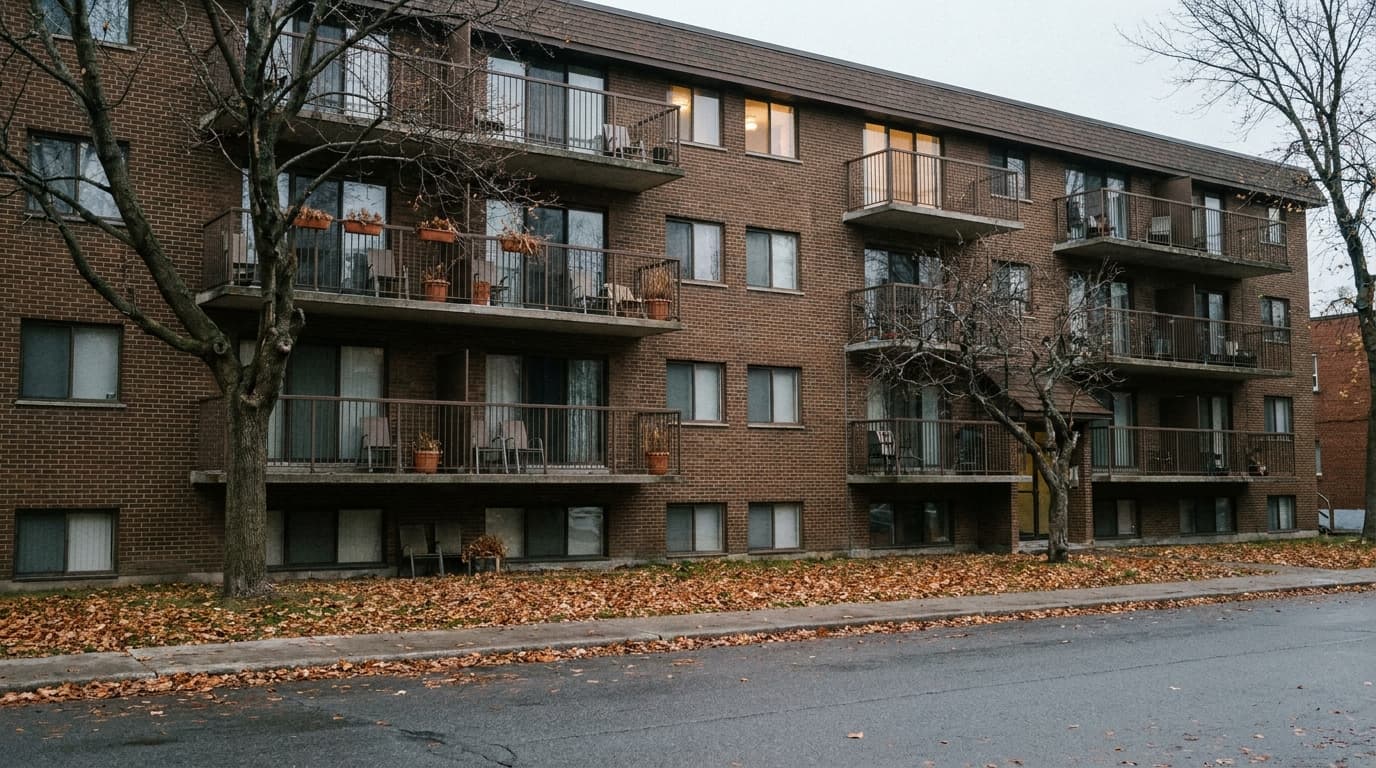
Ontario's Residential Tenancies Act, 2006 sets out the rights and responsibilities of most residential landlords and tenants in the province, and disputes are decided by the Landlord and Tenant Board (LTB), a tribunal within Tribunals Ontario. It caps most rent increases, bars security deposits, and requires an LTB order before a tenant can be evicted.
This guide covers the core rules for renting in Ontario: what the Act covers, the 2026 rent increase guideline, deposits, the standard lease, landlord entry, and how eviction actually works. For a wider look at tenant protections across the country, see Canada tenant rights.
Information last verified July 2026. Confirm current figures and forms with the Landlord and Tenant Board before relying on any specific number here.
Jurisdiction scope: This guide covers residential tenancies in Ontario under the Residential Tenancies Act, 2006. It does not address commercial leases, university and college residences, co-operative housing, or long-term care homes, which follow different rules. This is general information, not legal advice about your specific tenancy.
What the Residential Tenancies Act Covers
The Residential Tenancies Act, 2006 applies to most private residential rental units in Ontario, including apartments, houses, secondary suites, and condominiums rented out by their owners. It sets out the framework for rent regulation, maintenance obligations, and how a tenancy can be ended.
The Act does not apply to some living arrangements. The main exemption is where a tenant is required to share a kitchen or bathroom with the owner, or with the owner's spouse, child, or parent, and that person also lives in the building. It generally does not apply to university and college residences, most commercial tenancies, or co-operative housing, though some of its provisions extend with modifications to care homes and land lease communities.
Rent Increases in Ontario for 2026
For 2026, Ontario's rent increase guideline is 2.1 percent, down from 2.5 percent in 2025. This is the maximum a landlord can raise rent for a covered unit in a 12-month period without applying to the LTB for an above-guideline increase.
The guideline applies only to units first occupied for residential purposes on or before November 15, 2018. Units first occupied after that date, along with community housing and long-term care homes, are exempt from the cap, though a landlord must still give proper notice of any increase.
A landlord can raise the rent for a given tenant only once every 12 months, and must give at least 90 days written notice in the proper form before the increase takes effect. For a closer look at how Ontario's approach compares with other provinces, see rent increase rules.
Deposits: What a Landlord Can Charge
Ontario does not allow a landlord to collect a security deposit, damage deposit, or pet deposit. The only deposit a landlord may require is a rent deposit, which can be collected at or before the start of the tenancy and must be applied to the rent for the last rental period of the tenancy. It cannot be used for anything else, including cleaning costs or repairing damage.
A landlord must pay the tenant interest on the rent deposit every year, generally at the same rate as the annual rent increase guideline. Using the deposit for a purpose other than last month's rent, or failing to pay the required interest, is an offence under the Act. For a province-by-province comparison of deposit rules across Canada, see security deposits.
The Standard Lease
Since 2018, a landlord entering into most new residential tenancy agreements in Ontario must use the government's standard lease template. Every section of the standard lease is mandatory and cannot be altered by agreement between the parties, though the landlord and tenant can attach additional terms as a schedule.
The landlord must give the tenant a copy of the signed agreement within 21 days of the tenant signing it. If a landlord fails to provide the standard lease within 21 days of a tenant's written request, the tenant may withhold one month's rent until it is given.
When a Landlord Can Enter Your Unit
A landlord must give a tenant at least 24 hours written notice before entering the rental unit, and the notice must state the reason for entry along with the date and time, which must fall between 8 a.m. and 8 p.m. Valid reasons include carrying out repairs, inspecting for needed repairs, and showing the unit to a prospective buyer, mortgagee, or insurer.
No notice is required where there is a genuine emergency, where the tenant consents to entry at the time, or where the tenancy agreement requires the landlord to clean the unit on a set schedule.
Eviction: The LTB Must Order It
A landlord in Ontario cannot evict a tenant simply by handing over a notice. Notice is only the first step. Eviction requires an order from the LTB after the landlord applies and, in most cases, after a hearing where the tenant can respond.
The notice a landlord uses depends on the reason for ending the tenancy:
- N4, for non-payment of rent, requires at least 7 days notice for any tenancy when given on or after September 21, 2026 (14 days for a monthly or yearly tenancy before that date), and is void if the tenant pays everything owed before it expires.
- N5, for interfering with others, damage, or overcrowding, requires at least 20 days notice for a first N5 given in the past six months, and is void if the tenant corrects the behaviour within 7 days of receiving it.
- N12, for the landlord's, a purchaser's, or an immediate family member's own use, requires at least 60 days notice ending on the last day of a rental period, with compensation equal to one month's rent (or a comparable unit) required by the termination date, unless a landlord's own use notice served on or after September 21, 2026 gives at least 120 days. See the N12 and landlord's own use for more detail.
- N13, for demolition, conversion, or repairs extensive enough to need a permit and a vacant unit, requires at least 120 days notice, and in the case of repairs or renovations may carry a right of first refusal to move back in once the work is done.
A fixed-term lease does not end automatically when its term expires. Unless the landlord and tenant sign a new agreement or one of them gives proper notice to end the tenancy, it simply continues on a month-to-month basis under the same terms.
Whichever notice applies, working out the earliest valid termination date depends on exact delivery and tenancy details. The Ontario tenancy notice calculator works this out for N4, N5, N7, N8, N9, N12, and N13 notices, along with N12 compensation and rent increase timing.
How to Apply to the Landlord and Tenant Board
Both landlords and tenants can apply to the LTB. Tenants use LTB applications to raise issues such as an illegal rent increase, a maintenance problem the landlord has not addressed, or a landlord's failure to follow the entry rules. Landlords use their own applications to seek an eviction order or unpaid rent.
Applications can be filed online through the Tribunals Ontario Portal, by mail, or in person, along with the applicable filing fee. Many disputes are resolved through mediation before a hearing is needed. If a matter proceeds to a hearing, an LTB adjudicator hears both sides and issues a written order, which is enforceable and can be appealed on a question of law to the Divisional Court.
Getting Help
The LTB can answer general questions about its process and forms, but its staff cannot give legal advice. Tenant duty counsel is often available at LTB hearing locations at no charge on hearing days, and community legal clinics across Ontario assist eligible tenants with disputes.
For more on tenant protections across the country, see Canada tenant rights, and browse Canadian law by province for other provincial tenancy topics.
Disclaimer
This article provides general information about tenant rights in Ontario as of July 2026. It is not legal advice and does not replace the Residential Tenancies Act, 2006, its regulations, or guidance from the Landlord and Tenant Board. Rules, forms, and the annual rent increase guideline can change, so confirm current details with Tribunals Ontario, or consult a lawyer or paralegal licensed in Ontario, before making a decision about your own tenancy.
Frequently Asked Questions
Do I need a written lease to have rights as a tenant in Ontario?
No. The Residential Tenancies Act applies whether or not you have a written lease, as long as your tenancy is not otherwise exempt. That said, most new tenancies must use the government's standard lease form, and a landlord who does not provide it within 21 days of a written request risks the tenant withholding one month's rent.
Can my landlord charge a security deposit in Ontario?
No. Ontario does not allow a security, damage, or pet deposit. The only deposit a landlord can collect is a rent deposit applied to your last month's rent, and it must earn annual interest, generally at the same rate as the rent increase guideline.
How much can my landlord raise my rent in 2026?
For most tenancies, the maximum is 2.1 percent in a 12-month period, and the landlord must give at least 90 days written notice. Units first occupied after November 15, 2018 are not subject to this cap.
Can my landlord evict me without going to the Landlord and Tenant Board?
No. A notice to end a tenancy is only the first step. A landlord needs an order from the LTB, and in most cases a hearing, before a tenant can actually be required to move out.
How much notice does my landlord need to give before entering my apartment?
At least 24 hours written notice stating the reason and the date and time of entry, which must fall between 8 a.m. and 8 p.m. No notice is required in a genuine emergency or if the tenant consents at the time.
What happens when my fixed-term lease ends in Ontario?
Your tenancy does not end automatically. Unless you and your landlord sign a new agreement or one of you gives proper notice under the Act, the tenancy simply continues on a month-to-month basis under the same terms.
Updates
Updated for Ontario's Bill 60 changes in force September 21, 2026: the N4 notice period is now 7 days, and a landlord's own use N12 giving at least 120 days' notice no longer requires compensation.
Sources and References
- Government of Ontario: Renting in Ontario, your rights (Residential Tenancies Act overview, exemptions, standard lease, eviction basics)(ontario.ca).gov
- Government of Ontario: Residential rent increases (2026 guideline of 2.1%, exempt units, 90-day notice rule)(ontario.ca).gov
- Government of Ontario: Guide to Ontario's standard lease (mandatory template, 21-day delivery rule)(ontario.ca).gov
- Tribunals Ontario: Landlord and Tenant Board overview (mandate, applications, forms and filing)(tribunalsontario.ca).gov
- LTB Interpretation Guideline 19: The Landlord's Right of Entry into a Rental Unit (24-hour notice, 8 a.m. to 8 p.m. window, exceptions)(tribunalsontario.ca).gov
- LTB Interpretation Guideline 12: Eviction for Personal Use, Demolition, Repairs and Conversion (N12 60-day notice and one month's compensation; N13 120-day notice and right of first refusal)(tribunalsontario.ca).gov
- Tribunals Ontario LTB: Form N5, Notice to End your Tenancy for Interfering with Others, Damage or Overcrowding (20-day notice, 7-day void period for a first N5)(tribunalsontario.ca).gov
- Residential Tenancies Act, 2006, SO 2006, c 17 (full consolidated statute)(canlii.org)