
Canada
Tenant Rights in Canada: A Province-by-Province Guide
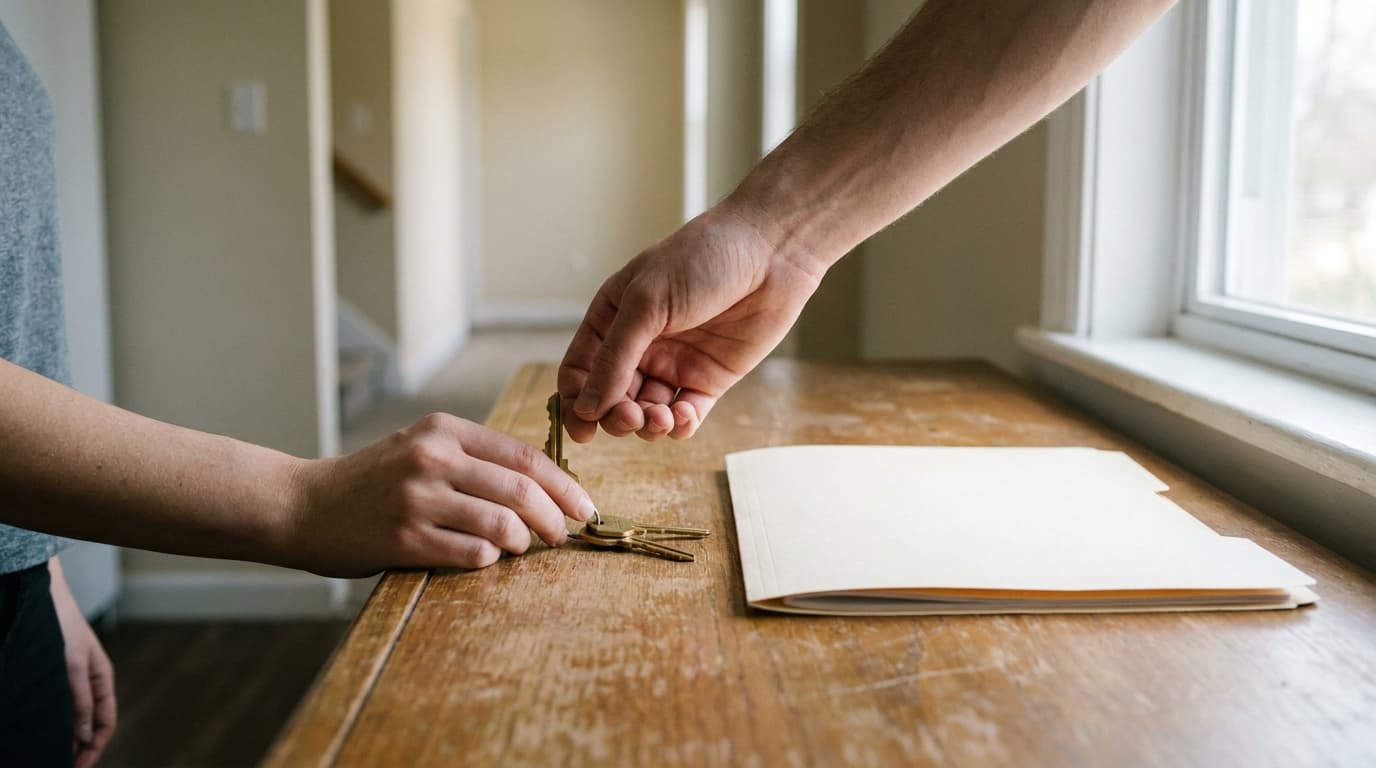
Renting is one of the most province-specific areas of Canadian law. There is no single national tenancy code. Each province and territory has its own residential-tenancy statute, its own tribunal, its own rent rules, and its own deposit rules, so the guide that matters is the one for where you rent.
Information last verified on 19 July 2026. This hub presents general legal information, not legal advice.
Jurisdiction scope: This hub covers residential tenant and landlord law across Canada's provinces. It signposts which province's rules apply and links to detailed, citation-backed guides. It does not cover United States tenancy law. It is general information, not advice for your situation.
Tenancy law is provincial
Every province and territory runs its own residential-tenancy system. Ontario uses the Residential Tenancies Act, 2006 and the Landlord and Tenant Board. British Columbia uses the Residential Tenancy Act and the Residential Tenancy Branch. Alberta uses the Residential Tenancies Act and the Residential Tenancy Dispute Resolution Service. Quebec runs on the Civil Code of Québec and the Tribunal administratif du logement. The other provinces each have their own act and tribunal again.
That means a rule you read for one province, whether it is the rent cap, the deposit limit, or the eviction notice period, will often be different next door. The tables and guides below are organized so you can jump straight to your province.
Rent, deposits, and tribunals at a glance
This table is a starting point for the seven provinces we cover in depth. Always confirm the current figure with the province's own tenancy office, as rent caps in particular are reset every year.
| Province | Tribunal | 2026 rent cap | Security deposit |
|---|---|---|---|
| Ontario | Landlord and Tenant Board (LTB) | 2.1% | None (last month's rent deposit only) |
| Quebec | Tribunal administratif du logement (TAL) | No fixed cap | Prohibited |
| British Columbia | Residential Tenancy Branch (RTB) | 2.3% | Up to half a month, plus a half-month pet deposit |
| Alberta | Residential Tenancy Dispute Resolution Service (RTDRS) | No cap | Up to one month |
| Manitoba | Residential Tenancies Branch | 1.8% | Up to half a month |
| Saskatchewan | Office of Residential Tenancies (ORT) | No cap | Up to one month |
| Nova Scotia | Residential Tenancy Program | 5% (temporary, to 31 Dec 2027) | Up to half a month |
Rules that apply almost everywhere
A few principles hold across Canada. A landlord cannot simply change the locks or remove a tenant's belongings; eviction runs through the tribunal. A landlord must give proper written notice to enter, except in a genuine emergency. A landlord must keep the rental in a good state of repair. And a bad-faith eviction, where a landlord claims to need the unit but does not, exposes the landlord to compensation and penalties in most provinces.
For an Ontario tenancy specifically, the Ontario tenancy notice calculator works out the earliest valid termination date for each notice type, whether N12 compensation applies, and the earliest date and maximum amount of a guideline rent increase.
Renting guides
These guides explain the big cross-Canada topics, with the province-by-province detail that actually decides your case.
- Eviction notices in Canada: rules by province
- Rent increase rules in Canada (2026)
- Security deposits for renters in Canada
- Breaking a lease in Canada
- Repairs and maintenance: a renter's rights
- Landlord entry and tenant privacy
- The N12 and landlord's own use evictions
- Renovictions and bad-faith evictions
- Squatters rights and adverse possession
Tenant rights by province
- Ontario tenant rights
- British Columbia tenant rights
- Alberta tenant rights
- Quebec tenant rights
- Manitoba tenant rights
- Saskatchewan tenant rights
- Nova Scotia tenant rights
- The Tribunal administratif du logement (TAL): how it works
- The Landlord and Tenant Board (Ontario): applications, hearings and enforcement
This cluster is part of our Canadian law by province hub, which maps where federal rules apply uniformly across Canada and where the provinces and territories differ.
Where to go next
Start with the guide for your province, then check the official source it cites. Each province publishes its own tenancy information: ontario.ca and Tribunals Ontario, gov.bc.ca and the Residential Tenancy Branch, alberta.ca, the Tribunal administratif du logement in Quebec, and each other province's residential-tenancy office.
Disclaimer
This hub presents general legal information about residential tenant and landlord law across Canada, verified on 19 July 2026. It is not legal advice and does not create a lawyer-client relationship. Tenancy rules differ by province and change over time, especially rent-increase caps, and how they apply depends on your specific facts. For advice on your situation, contact your provincial residential-tenancy office or a lawyer licensed in your province.
Frequently Asked Questions
Is there a national tenant-rights law in Canada?
No. Residential tenancy is a provincial matter, so each province and territory has its own law, tribunal, and rules. There is no single Canada-wide tenancy code, which is why the rent cap, deposit limit, and eviction process differ from province to province.
How much can my rent go up in 2026?
It depends on the province. For 2026 the guideline is 2.1% in Ontario, 2.3% in British Columbia, and 1.8% in Manitoba; Nova Scotia has a temporary 5% cap. Alberta, Saskatchewan, and Newfoundland and Labrador have no rent-increase cap. Quebec has no fixed cap, and the Tribunal administratif du logement sets an annual estimate instead.
Can my landlord evict me without going to a tribunal?
Generally no. In every province, a landlord who wants to end a tenancy must give the correct written notice for a valid reason, and if the tenant does not leave, apply to the tribunal for an eviction order. Changing the locks or removing a tenant's belongings (a self-help eviction) is illegal across Canada.
Can a landlord ask for a damage deposit?
It depends on the province. Ontario does not allow a security or damage deposit (only a rent deposit equal to the last month's rent). Quebec prohibits deposits entirely. British Columbia allows a security deposit of up to half a month plus a pet deposit of up to half a month, and Alberta allows up to one month.
What is the Tribunal administratif du logement?
It is Quebec's specialized housing tribunal, renamed from the Régie du logement in 2020. It hears most residential-lease disputes in Quebec, including non-payment, rent fixing, repairs, and repossession. See our detailed guide on how it works.
Sources and References
- Government of Ontario — Renting in Ontario: your rights(ontario.ca).gov
- Tribunals Ontario — Landlord and Tenant Board(tribunalsontario.ca).gov
- Government of British Columbia — Residential Tenancies(gov.bc.ca).gov
- Government of Alberta — Residential tenancies(alberta.ca).gov
- Tribunal administratif du logement (Quebec)(tal.gouv.qc.ca).gov
- Government of Manitoba — Residential Tenancies Branch(gov.mb.ca).gov
- Government of Saskatchewan — Renting and leasing (Office of Residential Tenancies)(saskatchewan.ca).gov
- Government of Nova Scotia — Residential Tenancy Program(novascotia.ca).gov