Breaking a Lease in Canada: Assign, Sublet, or Exit Early
How to break a lease in Canada: when assignment, subletting, mutual agreement, or family-violence exceptions apply, and what a tenant owes if none apply.
6 min read
30 articles
How to break a lease in Canada: when assignment, subletting, mutual agreement, or family-violence exceptions apply, and what a tenant owes if none apply.
Notice periods for eviction in Ontario, BC, Alberta, Quebec and other provinces, and how the tribunal eviction process works across Canada.
How Ontario's Landlord and Tenant Board handles applications, hearings, timelines, reviews and enforcement, including the July 2026 changes to review deadlines and fines.
When can a landlord enter a rental unit in Canada, and how much notice is required? Entry rules, cameras, and tenant privacy by province.
A plain-language guide to tenant rights in Ontario: the 2026 rent increase guideline, deposits, landlord entry, eviction notices, and the LTB.
How renoviction rules work in Ontario and BC: notice periods, right of first refusal, compensation, and penalties when a landlord acts in bad faith.
2026 rent increase caps by Canadian province and territory: Ontario 2.1%, BC 2.3%, Manitoba 1.8%, Nova Scotia 5%, verified against official government sources.
How Canadian tenancy law makes landlords keep a rental fit to live in, how to document a repair request, and what to do if your landlord will not fix it.
How much can a landlord charge for a security deposit in Canada? Compare provincial rules on deposit limits, interest, and getting your money back.

Squatters rights in Canada usually means adverse possession, abolished in most provinces under land titles systems. See what survives, province by province.
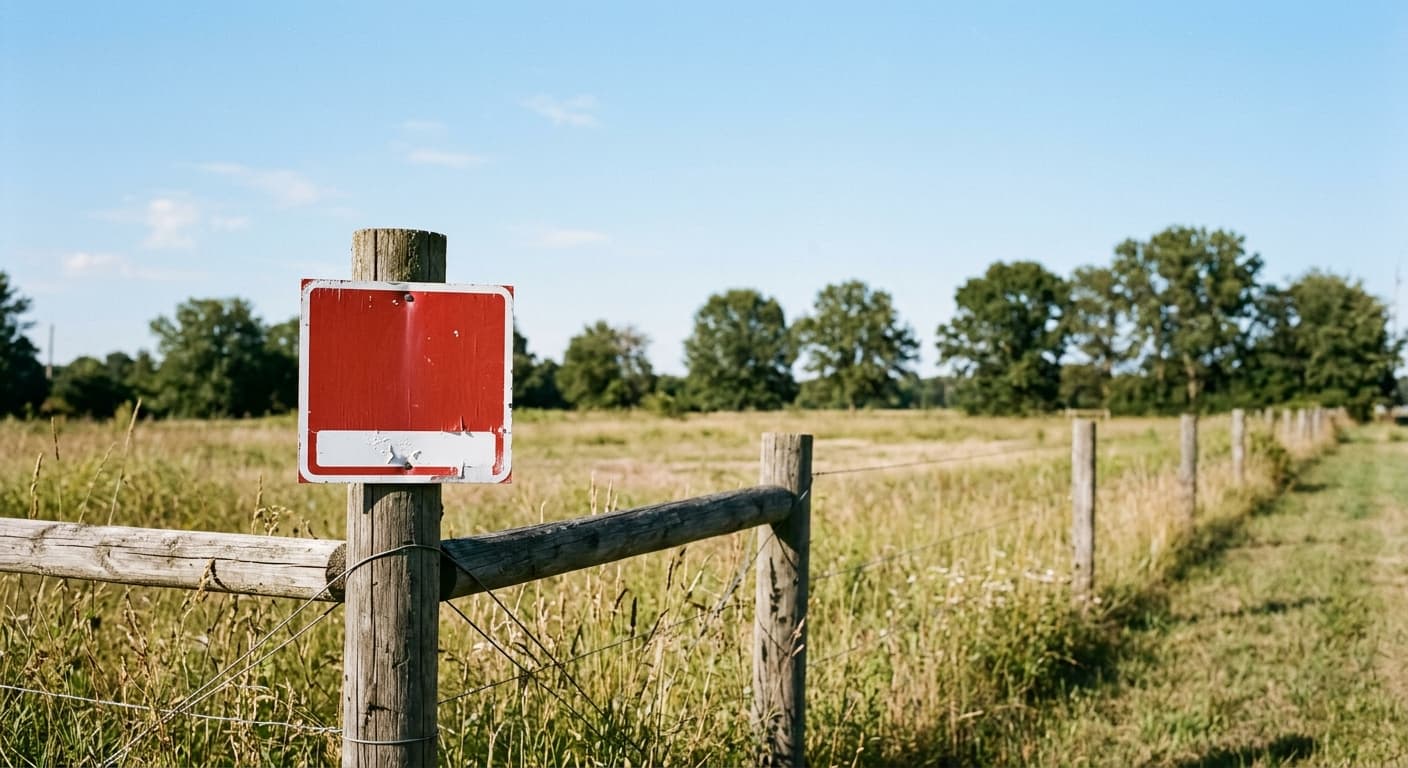
Newfoundland and Labrador cut its Crown-land qualifying period from 20 years to 10 in December 2024 and started a 5-year filing deadline that is already running.
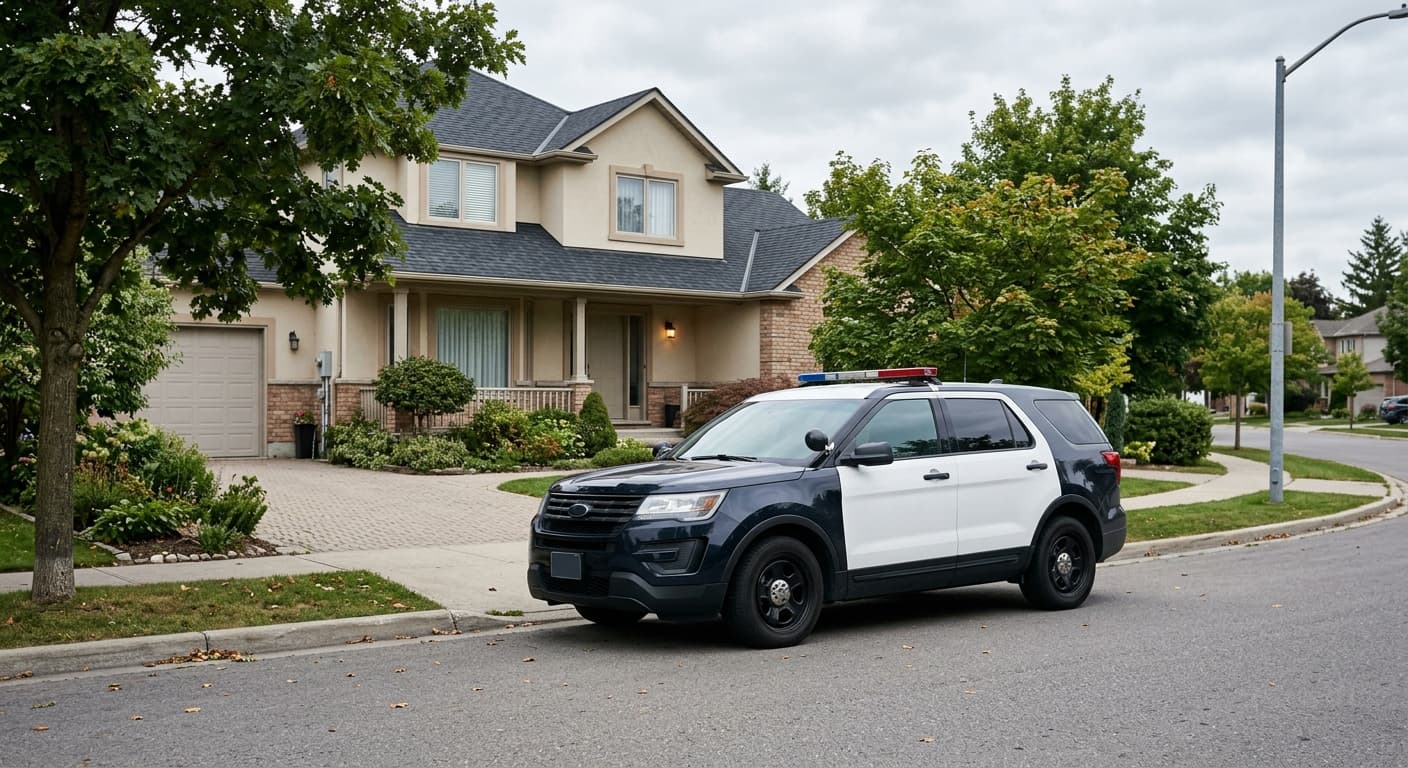
Ontario's Land Titles conversion freezes new adverse possession claims, but a claim that had already matured can still be perfected under LTA s.36, and Crown land has been fully barred since 2021.
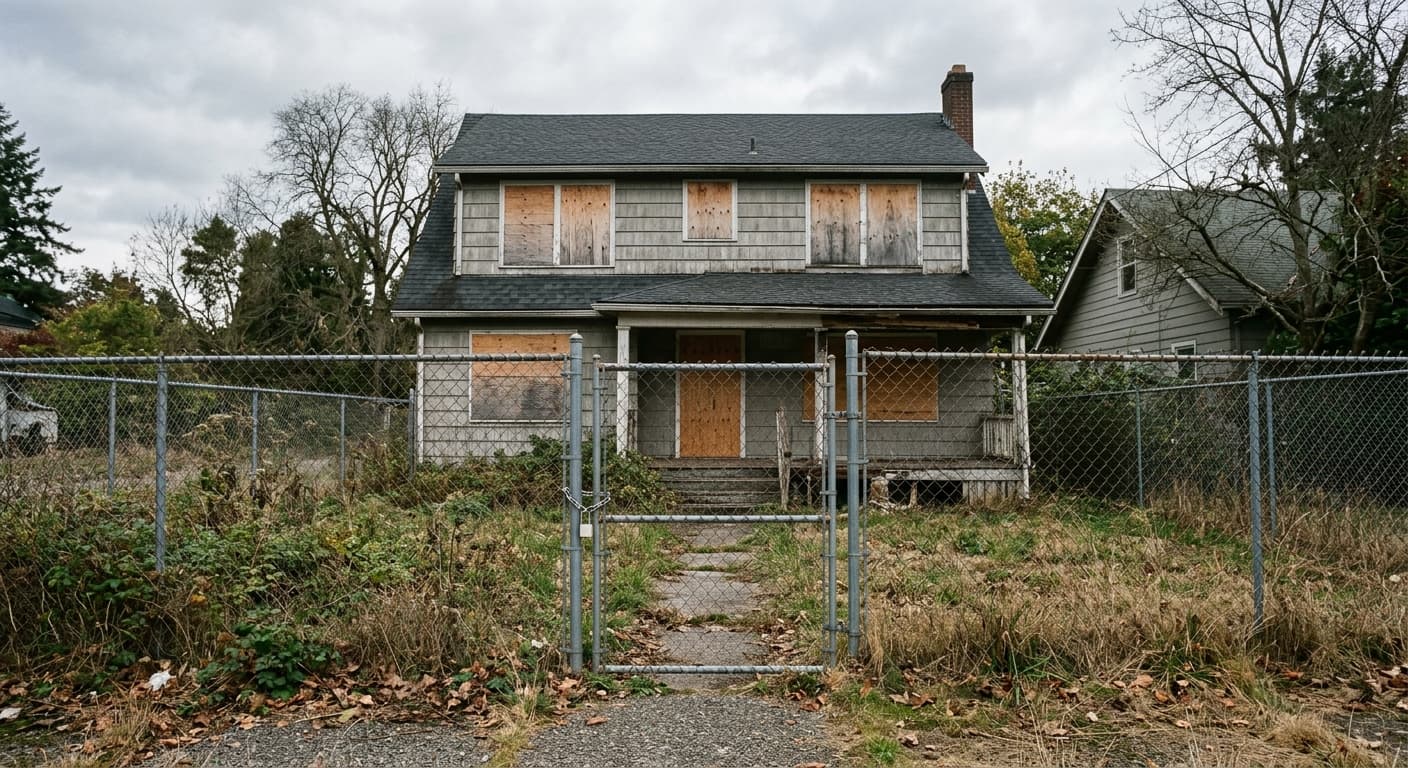
PEI bars a landowner from suing to recover land after 20 years of possession, with no registration cutoff like NS or NB, but whether that period applies to Crown land is unresolved.
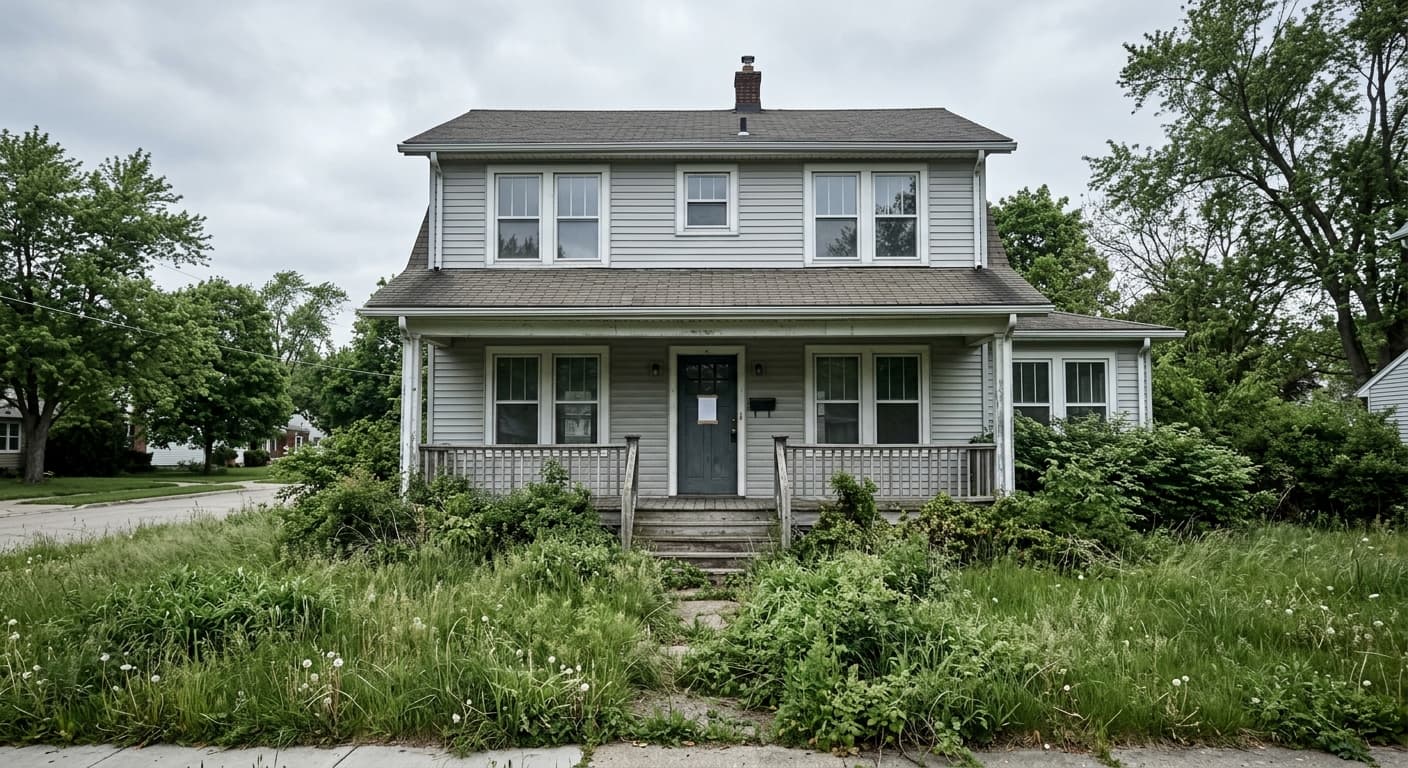
Yukon abolished adverse possession by statute, the NWT blocks it through land-titles indefeasibility, and Nunavut has not yet taken over its Crown land from the federal government.
Alberta was the last Torrens province with a live 10-year adverse possession route, until the Property Rights Statutes Amendment Act, 2022 abolished it effective December 15, 2022.
British Columbia abolished adverse possession decades ago under the Land Title Act and a July 1, 1975 cutoff in the Limitation Act, with only one narrow historical exception left.
Manitoba abolished adverse possession and states its Crown-land bar in plain language. Prescriptive easements are only partly abolished, and the current Trespass Act sets no penalty amount.

New Brunswick cut adverse possession from 20 to 15 years in 2011, and the Land Titles Act now closes new claims entirely on registered parcels, an outlier among Atlantic provinces.

Nova Scotia still allows adverse possession on unmigrated land, 20 years private and 40 Crown, but Land Registration Act migration closes new claims with two narrow exceptions.
Quebec's acquisitive prescription can transfer land after 10 years of possession, but never automatically. A judgment is always required, and Crown land is off limits with only a narrow exception.
Saskatchewan ended adverse possession in 2001. Its trespass law now makes the person on the land prove they had permission, and a mistaken improver can sometimes keep the land outright.
A plain-language guide to tenant rights in Alberta: rent increases, security deposits, eviction notice, landlord entry, and the RTDRS, per alberta.ca.
BC tenant rights explained: the 2026 rent increase cap, security and pet deposit limits, landlord entry rules, and eviction notice periods under the RTA.
Renting laws differ by province in Canada. Compare 2026 rent caps, deposits, eviction rules, and tribunals for Ontario, BC, Alberta, Quebec and more.
A plain-language guide to tenant rights in Manitoba: rent increases, security deposits, eviction notice, landlord entry, and the RTB, per gov.mb.ca.
Nova Scotia tenant rights explained: the 5% rent cap through 2027, security deposit limits, landlord entry notice, security of tenure, and renovictions.
How Quebec tenant rights work under the Civil Code: no security deposits, TAL rent-increase rules, automatic lease renewal, repossession, and lease assignment.
A plain-language guide to tenant rights in Saskatchewan: rent increases, security deposits, eviction notice, landlord entry, and the ORT, per saskatchewan.ca.
How Ontario's N12 notice works when a landlord, family member, or purchaser wants to move in: the 60-day notice, compensation, and the good faith test.
How the Tribunal administratif du logement handles Quebec rent disputes, repossessions and evictions, and how to file an application, step by step.