
Canada
Squatters' Rights in British Columbia: Why Adverse Possession No Longer Works
Independently fact-checked against primary sources (last audited August 16, 2026). · 7 primary sources cited on this page. How we verify our legal content
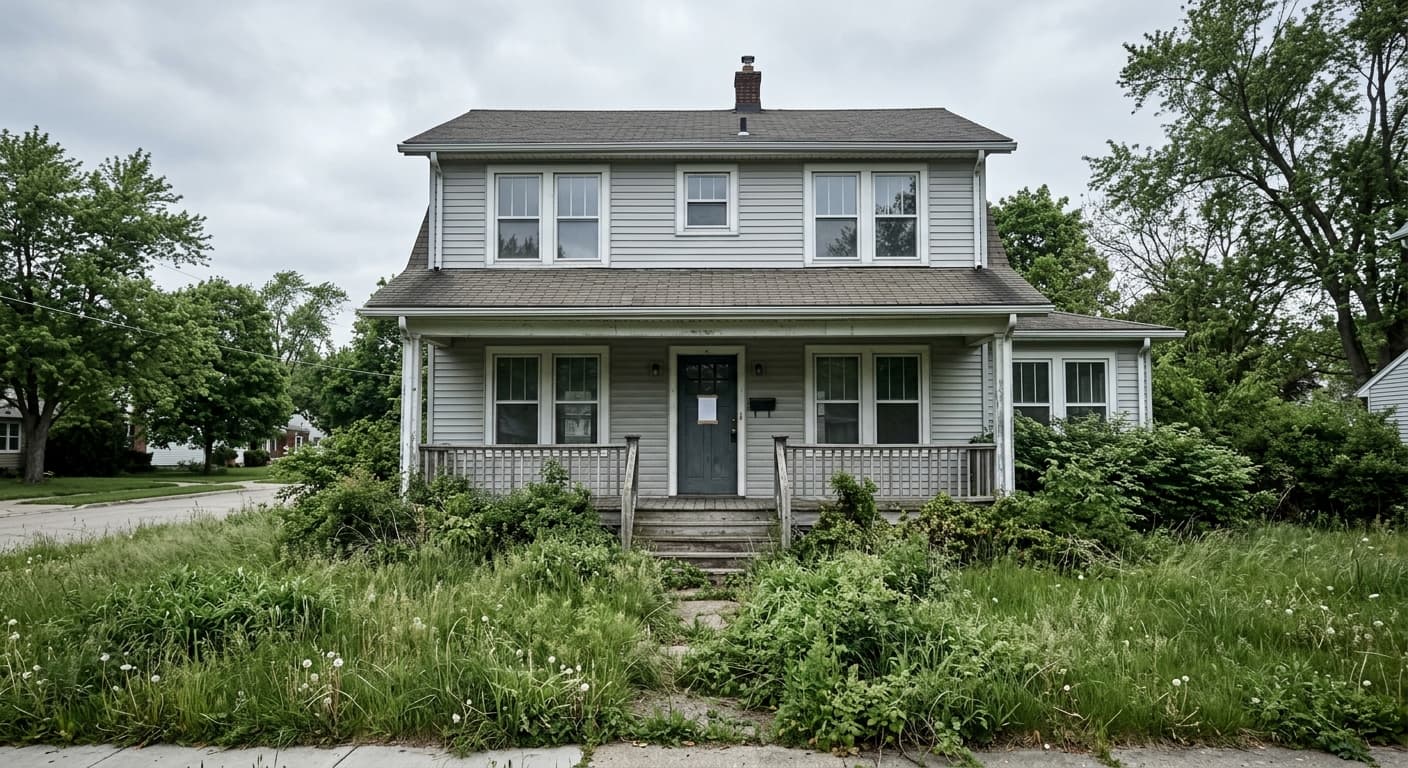
British Columbia abolished adverse possession against privately owned, registered land decades ago, through the Land Title Act's section 23(3) and a July 1, 1975 cutoff in the Limitation Act's section 28, leaving only one narrow historical exception that is not a practical route for anyone today.
Information last verified on 2026-08-15. This article has not yet been reviewed by a licensed lawyer.
Why Adverse Possession No Longer Works in BC
British Columbia converted its land registration system to the Torrens model, where a registered indefeasible title is close to unchallengeable. The Land Title Act closes the door on two levels. Section 23(3) states that once an indefeasible title is registered, no adverse title can be acquired against it by length of possession, no matter how long the occupation lasts. Section 24 goes further and abolishes the older common law doctrines of prescription and lost modern grant outright, so even a lesser right, like an easement built up through years of use, cannot form this way in BC anymore.
A second, independent statute confirms the same result with a specific date attached. The Limitation Act's section 28 says no right or title in land may be acquired by adverse possession, except as another Act specifically provides, and it protects only claims that had already ripened into title before July 1, 1975. Any possession that started after that date, however long it continues, cannot mature into ownership. The commonly repeated idea that occupying land for 20 years makes it yours is a holdover from the pre-1975 rule, and it does not describe BC law as it stands today.
The One Narrow Exception That Survives
The Land Title Act does preserve a single exception, in section 23(4). It protects someone who was already in adverse possession of land at the moment that land's very first indefeasible title was registered, meaning the moment raw or previously unregistered land was first brought into the Torrens system. That protection only applies to that first-registration event. It is not a live option for land that has been under a registered title for years or decades, which describes essentially all developed BC land today. No source reviewed for this article describes how often this exception is still actually litigated, so treat it as a historical footnote rather than a route worth pursuing.
Prescriptive Easements Are Also Gone
Beyond outright ownership, some jurisdictions still let long, unauthorized use of a neighbour's land ripen into a limited right, such as a right of way. BC closed that door too. The same Land Title Act section that abolishes adverse possession, section 24, expressly abolishes the common law doctrine of prescription and the doctrine of lost modern grant. Using a neighbour's driveway or path for years, even with the neighbour's knowledge, does not create an enforceable right of way in BC.

Squatter or Tenant? The Distinction That Decides the Process
Not everyone occupying property without a lease is a trespasser. The Residential Tenancy Act defines a tenancy agreement broadly, as an agreement between a landlord and tenant, written, oral, or implied. If a property owner's own conduct, such as accepting money or knowingly allowing continued occupation in a landlord-tenant-shaped situation, could be read as creating an implied tenancy, the occupant may legally be a tenant rather than a trespasser. A tenant can only be removed through the Residential Tenancy Branch's dispute resolution process, not through police-assisted trespass removal. A true squatter, someone with no agreement of any kind and no landlord relationship, falls outside the Residential Tenancy Act altogether. For the full rules on ending a tenancy the right way, see British Columbia tenant rights and eviction notices in Canada.
How an Owner Actually Removes a Squatter
A person occupying enclosed land without consent commits an offence under the Trespass Act, which also creates a presumption that anyone found on enclosed land is there without consent. A peace officer can arrest a person found committing this offence, or shortly afterward if they refuse to identify themselves, and a Provincial Court conviction can include an order to pay restitution to the occupier. A person genuinely, even if mistakenly, believing they have a right to be there can raise that belief, known as colour of right, as a defence to the trespass charge, which is a real practical complication distinct from whether they could ever gain title.
An owner cannot lawfully retake possession by force. Forcibly entering land in a way likely to cause a breach of the peace or a reasonable apprehension of one, or detaining property without a legal right to it in that same way, is itself a Criminal Code offence, regardless of who actually owns the property. The safer path for an owner is police involvement and, where needed, a civil court order for possession enforced by a sheriff, not self-help. For the full removal process and how the offence fits together nationally, see squatters rights in Canada.
Crown Land Is a Separate Regime
Unauthorized occupation of provincial Crown land in BC is not handled the same way as private land. The Land Act gives the Ministry an administrative toolkit: it can require a person to vacate and restore Crown land, charge for the period of use, cancel any permit or licence the person held, direct a sheriff to seize improvements, and require removal of anything built on the land, recovering the cost if the Ministry does the removal itself. No BC statute reviewed for this article states in so many words that adverse possession cannot run against Crown land, but the Limitation Act's bar is not limited to private owners, and the Land Act's administrative removal powers operate independently of any possession-based claim. Between the two, there is no practical route to gaining Crown land through occupation.

Boundary Encroachments Are Handled Differently
The one situation where possession can still shift a property line in BC is a genuine survey or fence-placement mistake, under the Property Law Act's encroachment provisions. If a building or an improperly located fence encroaches on a neighbour's land, the Supreme Court can grant an easement over the encroached area or vest title in the encroaching owner, either for court-set compensation paid to the neighbour, or order removal instead, which does not carry a compensation requirement. This is a discretionary court remedy for an honest mistake, not a way to gain land by simply occupying it. For general boundary doctrine across Canada, see adverse possession and squatters rights in Canada and property lines and fences in Canada.
A Much More Recent Story in Alberta
BC's abolition is old and settled, decades in the past, with no pending reform found in the current consolidation. That is not true everywhere in Canada. Alberta allowed a live 10-year adverse possession route until it was abolished only recently, effective December 15, 2022. See squatters rights in Alberta for that more recent change.
Disclaimer
This article is informational only and is not legal advice. Two points here are genuinely unresolved by any single BC statute located during research: how often the Land Title Act's narrow first-registration exception in section 23(4) is still actually used, and whether adverse possession against Crown land is barred by one dedicated provision or by the combined effect of the Limitation Act's general bar and the Land Act's administrative removal powers. If you are dealing with a possible squatter, a boundary encroachment, or a dispute over whether an occupant is a tenant, speak with a licensed lawyer.
Frequently Asked Questions
Can someone still gain ownership of my BC property by squatting on it?
No. British Columbia abolished adverse possession against registered land through the Land Title Act and set a July 1, 1975 cutoff in the Limitation Act. Any possession that began after that date, however long it continues, cannot mature into title.
What is the July 1, 1975 date about?
It is the cutoff in the Limitation Act's section 28. Only an adverse possession claim that had already ripened into title before that date can still be recognized. Nothing after it can complete the process, even decades of continuous occupation.
I heard there is still an exception in BC law. Does that mean squatting can work?
There is one narrow exception, in Land Title Act section 23(4), but it only protects someone who was already in possession at the exact moment land was first registered into the Torrens system. It is not a live route for land that has already been under a registered title, which describes nearly all BC land today.
Can I remove a squatter from my property myself?
You should not try to force them out yourself. Forcibly retaking property in a way likely to cause a breach of the peace, or a reasonable apprehension of one, is itself a Criminal Code offence, regardless of who owns the land. Contact police, who can act under the Trespass Act, and pursue a court order for possession if needed.
What if the person occupying my property says they are a tenant?
Whether they are a tenant depends on whether an agreement, even an implied one, exists between you and them under the Residential Tenancy Act. If so, they can only be removed through the Residential Tenancy Branch's process, not through police-assisted trespass removal.
Can someone gain a right of way across my BC land by using it for years?
No. The same Land Title Act section that abolished adverse possession also abolished prescriptive easements and the doctrine of lost modern grant, so long-term unauthorized use cannot ripen into an easement in BC.
What happens if someone occupies Crown land in BC without authorization?
The Ministry can act administratively under the Land Act, ordering the person to vacate, charging for the period of use, and seizing or requiring removal of any improvements, without needing to prove or disprove an adverse possession claim first.
Updates
Independently fact-checked against the cited primary sources
Sources and References
- Land Title Act, RSBC 1996, c. 250 (sections 20-34, current consolidation)(bclaws.gov.bc.ca).gov
- Limitation Act, SBC 2012, c. 13(bclaws.gov.bc.ca).gov
- Trespass Act, RSBC 2018, c. 3(bclaws.gov.bc.ca).gov
- Property Law Act, RSBC 1996, c. 377(bclaws.gov.bc.ca).gov
- Land Act, RSBC 1996, c. 245(bclaws.gov.bc.ca).gov
- Residential Tenancy Act, SBC 2002, c. 78(bclaws.gov.bc.ca).gov
- Criminal Code, RSC 1985, c. C-46, section 72 (forcible entry and forcible detainer)(laws-lois.justice.gc.ca).gov