
British Columbia
British Columbia E-Scooter Laws: Rules, Pilot Zones, and Penalties (2026)
Independently fact-checked against primary sources (last audited August 14, 2026). · 6 primary sources cited on this page. How we verify our legal content
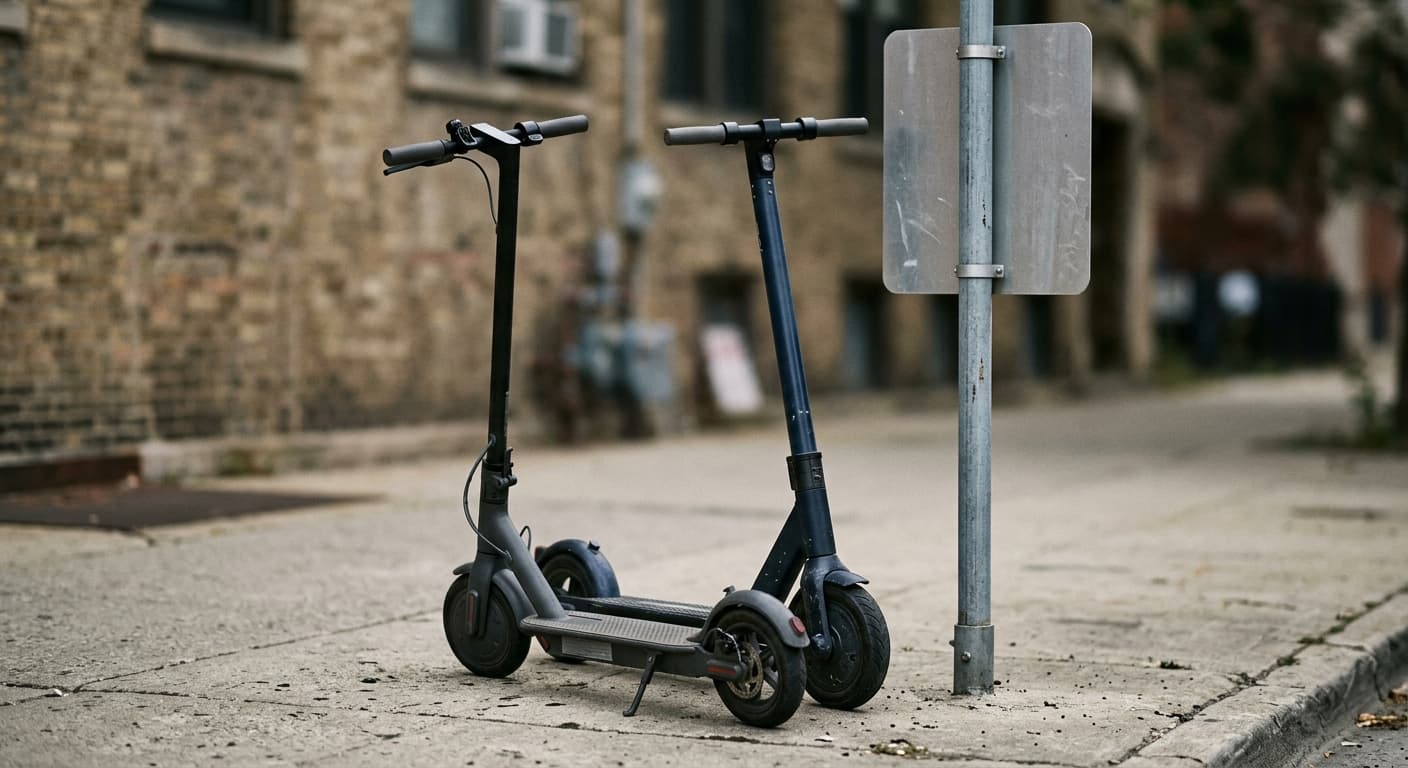
Riding a privately owned e-scooter in British Columbia is legal only under the province's second pilot project regulation, and only on roads that qualify as a "pilot project highway," a status that does not exist by default inside a city that has not opted in.
Is It Legal in British Columbia?
Yes, but only within a specific legal structure. Private e-scooter use is authorized under the Motor Vehicle Act (R.S.B.C. 1996, c. 318), through the Electric Kick Scooter Pilot Project Regulation, B.C. Reg. 247/2023. The regulation does not make e-scooters legal everywhere in the province. It makes them legal only on roads that meet the definition of a "pilot project highway."
Section 6 of the regulation states plainly: "A person must not operate an electric kick scooter on a highway except on a pilot project highway in accordance with this regulation." Whether a given road qualifies depends on where it is, covered in detail below.
The Pilot Expires April 5, 2028
This is not permanent law. B.C. Reg. 247/2023 took effect April 5, 2024, and its own section 45 states: "This regulation is repealed on April 5, 2028." It was last amended May 23, 2024 by B.C. Reg. 114/2024.
This is the province's second attempt at an e-scooter pilot, following an earlier regulation, B.C. Reg. 90/2021. The government's own interim report describes the current regulation as "a new four-year pilot project with new regulations to test the safety of electric kick scooter use," with the stated purpose of determining whether e-scooters should eventually be authorized for permanent use. Anyone relying on this page after April 2028 should confirm the rules have not changed or lapsed.
Where You Can Ride, and Who Decides
This is the single most misunderstood part of BC's e-scooter law, and it comes down to section 5 of the regulation, which defines "pilot project highway."
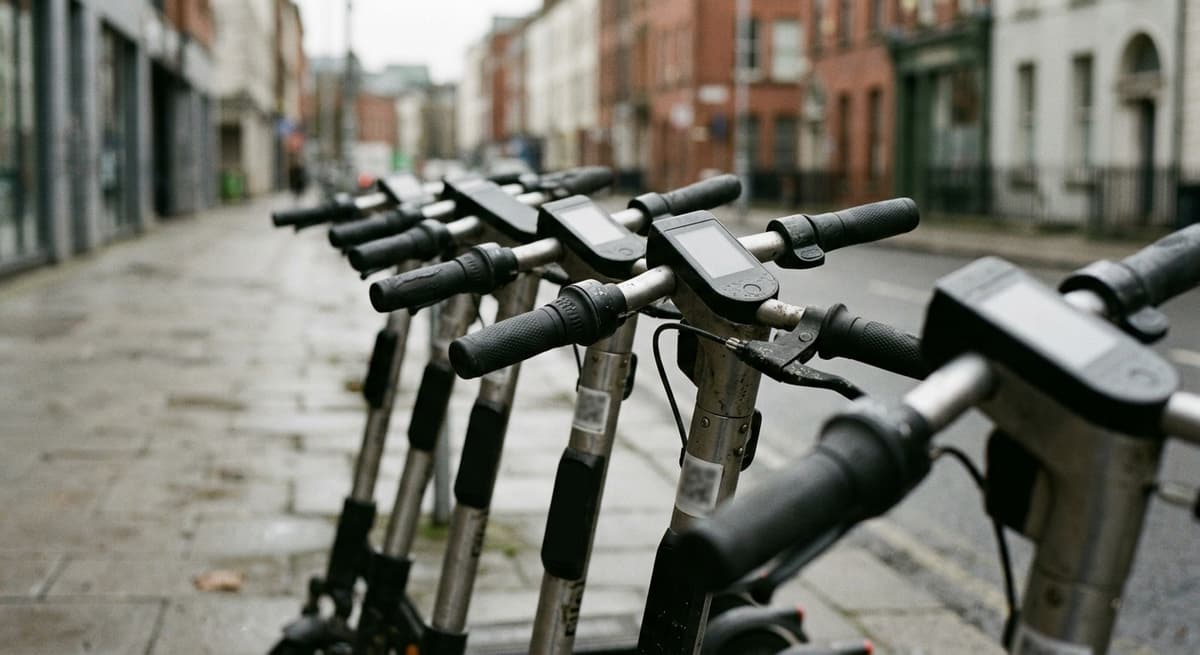
Inside a municipality, a highway only counts as a pilot project highway if that municipality has formally opted into the pilot. If it has not, there is no pilot project highway within its boundaries at all, and section 6 makes riding there a straightforward violation, not a gray area. This is different from a place simply lacking its own local rules. It means e-scooter use is prohibited outright on any street in that municipality.
Outside any municipality, on rural or unincorporated highways not within a city or town (and not on Nisga'a Lands or treaty lands unless those governments are participating), the highway is a pilot project highway by default, and the pilot's Part 3 rules apply. A rural BC highway is not automatically off-limits the way it is inside a non-participating city. The default runs the opposite direction outside municipal boundaries.
Within a participating community, exactly where you can ride also depends on the posted speed limit. On roads posted above 50 km/h, riders must use a cycle lane if one exists, or ride only where specifically permitted by a traffic control device or bylaw. On roads at or below 50 km/h, riders must still use a cycle lane if one is present; if not, they may ride where permitted or otherwise as near as practicable to the right side of the road.
Cycle lanes are mandatory, not optional, whenever they exist. Sidewalks and crosswalks are prohibited by default, both inside and outside participating communities, unless a specific traffic control device permits otherwise. Whether a multi-use path or park trail is open to e-scooters is a municipal decision, not a provincial default. Vancouver, for example, permits its seawall and park paths where bikes are allowed, but that is a Vancouver rule, not a province-wide one.
What Counts as an E-Scooter
The regulation sets specific technical thresholds (s.3). A device only qualifies as an "electric kick scooter" under BC law if it meets all of the following:
- Motor speed capped at 25 km/h on a clean, level, paved surface
- Continuous power output no more than 500 watts, across all motors combined
- Unladen weight no more than 45 kg
- No more than 4 wheels, each no larger than 430 mm in diameter
- A standing platform, with the operator required to stand while riding
- No seat, and no seat-like surface, an absolute requirement
- Brakes able to stop the device within 7.5 metres from 25 km/h
- Motor cuts power automatically when the accelerator is released or the brakes are applied
- Battery and motor securely fastened, with electrical terminals fully insulated
A device with a seat does not meet this definition. It is not a legal "electric kick scooter" under the pilot at all, and riding it on a BC road falls outside the regulation entirely.
Helmet, Age, Licence and Insurance Rules
Helmets are required for every rider, regardless of age. Section 19 requires "a person who operates an electric kick scooter" to properly wear a bicycle safety helmet, with no age qualifier. This mirrors BC's all-ages bicycle helmet law and is stricter than jurisdictions like Ontario, where the helmet requirement applies only to riders under 18.
The minimum age is 16. Section 7 states that a person under 16 must not operate an e-scooter on a highway, and separately makes it an offence for a parent or guardian to "authorize or knowingly permit" an underage rider to do so. That is independent liability: a parent can be ticketed even if they were not present.
No licence or insurance is required. ICBC's own guidance confirms this directly: e-scooters are not licensed or insured because ICBC can only insure vehicles that meet provincial vehicle safety standards for unrestricted on-highway use.
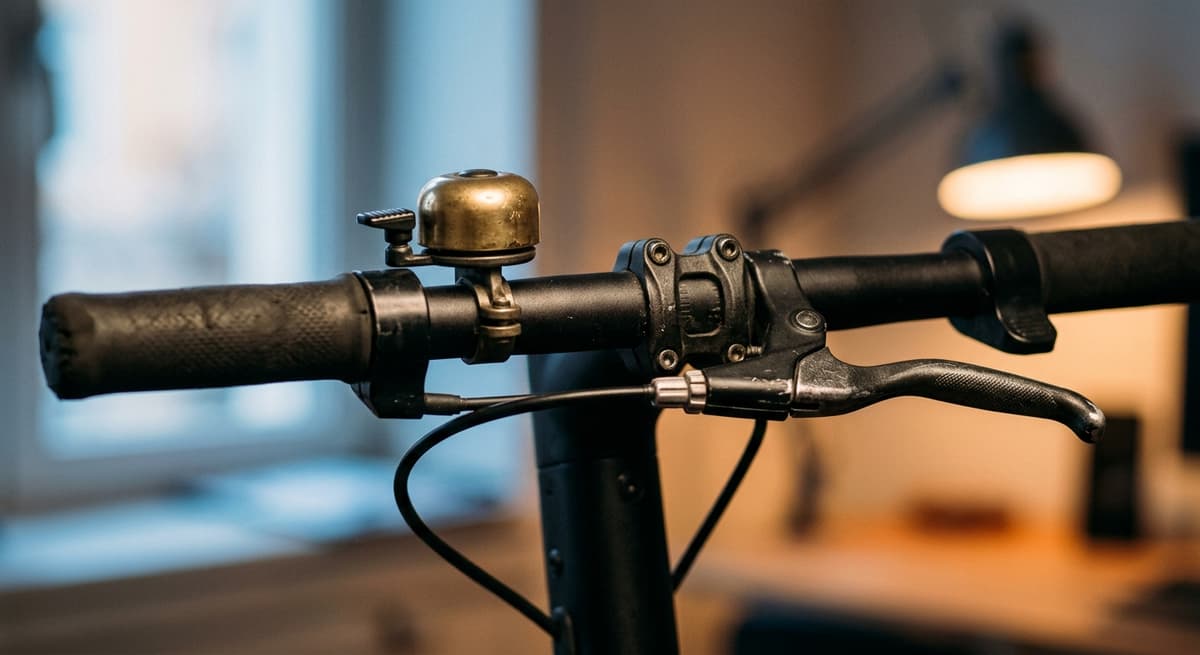
Carrying a passenger is prohibited (s.26), as is using an e-scooter to tow or be towed. Riders must carry a bell or horn at all times, and between 30 minutes after sunset and 30 minutes before sunrise must display a front light visible at least 150 metres and a rear red light.
Penalties on the Books
The regulation lists a long set of contraventions as offences (s.44), covering riding off a pilot project highway, underage riding, the where-you-can-ride rules, helmet and equipment requirements, and accident-scene duties. It does not set dollar amounts itself; fines come from a separate ticketing schedule.
The one figure confirmed directly from an official Ministry of Transportation and Transit poster is $109: "Police can issue you a VIOLATION TICKET and $109 FINE if you break the rules. Your parent or guardian can also get a ticket and fine if you are underage." Higher figures reported elsewhere for non-compliant devices have not been independently confirmed against a primary source at time of writing and are not stated here as fact.
The regulation contains no impoundment provision of its own. Reports of e-scooters or related devices being impounded in BC appear to rely on general Motor Vehicle Act powers or municipal bylaws rather than anything in this pilot regulation specifically.
Enforcement in Practice
The province's own Year One Interim Report, covering April 5, 2024 to April 4, 2025, is the most detailed public account of how the pilot is actually being policed. It states plainly that "police are responsible for enforcing provincial traffic laws, including the pilot project regulations, and can issue violation tickets and fines for offences," and that the Ministry worked with the BC Association of Chiefs of Police Traffic Safety Committee to distribute enforcement guidance provincewide.
The same report says compliance issues "most notably" involved helmet usage, underage riding, carrying passengers, and excessive speed. Kelowna General Hospital emergency-department data cited in the report found 85 percent of e-scooter injury cases involved no helmet, and 18 percent involved an underage rider. Shared-service providers reported 53 safety incidents across 722,000 trips in year one, a 99.99 percent incident-free rate by the province's own framing.
No province-wide ticket count has been published. The interim report is qualitative about enforcement, not quantitative: it does not state how many violation tickets have actually been issued anywhere in the province, and no public collision or coroner dataset specific to e-scooters was located either.
The most serious documented incident is a Vancouver Police Department release dated July 14, 2026, describing two separate helmetless-rider incidents: a 30-year-old woman who died July 11 after a collision with a vehicle at Venables Street and Commercial Drive on July 3, and a 54-year-old woman seriously injured after being struck from behind by another e-scooter rider near Coal Harbour. VPD Sgt. Adam Donaldson said a helmet "may not have prevented the collisions, but it could have significantly reduced the severity of the injuries." Neither rider was wearing one.
Consequences That Don't Depend on Getting Caught
Because no ticket totals are published and enforcement is inconsistent across the province, it can look like the rules do not matter in practice. They still carry consequences that have nothing to do with whether police happen to be watching.
ICBC's Enhanced Accident Benefits, which cover BC residents injured as a pedestrian or cyclist, apply to an e-scooter rider only when a motor vehicle causes the collision. They do not cover a rider hurt in a scooter-only crash, and they do nothing for a rider who injures someone else, as in the Coal Harbour incident above. Because no insurance is required to ride, a rider who causes injury or property damage has no ICBC policy standing behind them. Any liability falls on the rider personally.
Riding in a municipality that has not joined the pilot is not a technicality. It is a direct violation of section 6, and non-enforcement is not a legal defence: a rider stopped tomorrow is ticketed under the law as written, regardless of how rarely that street sees enforcement. The same is true of riding without a helmet, riding underage, or exceeding 25 km/h. Each is a live, ticketable offence today, not just a rule that used to matter before the pilot became common.
The Municipal Layer
As of the province's official interim report, 33 municipalities were participating as of September 15, 2025, up from 27 at the close of year one. That count changes as communities continue to opt in, so treat it as a snapshot rather than a permanent figure.
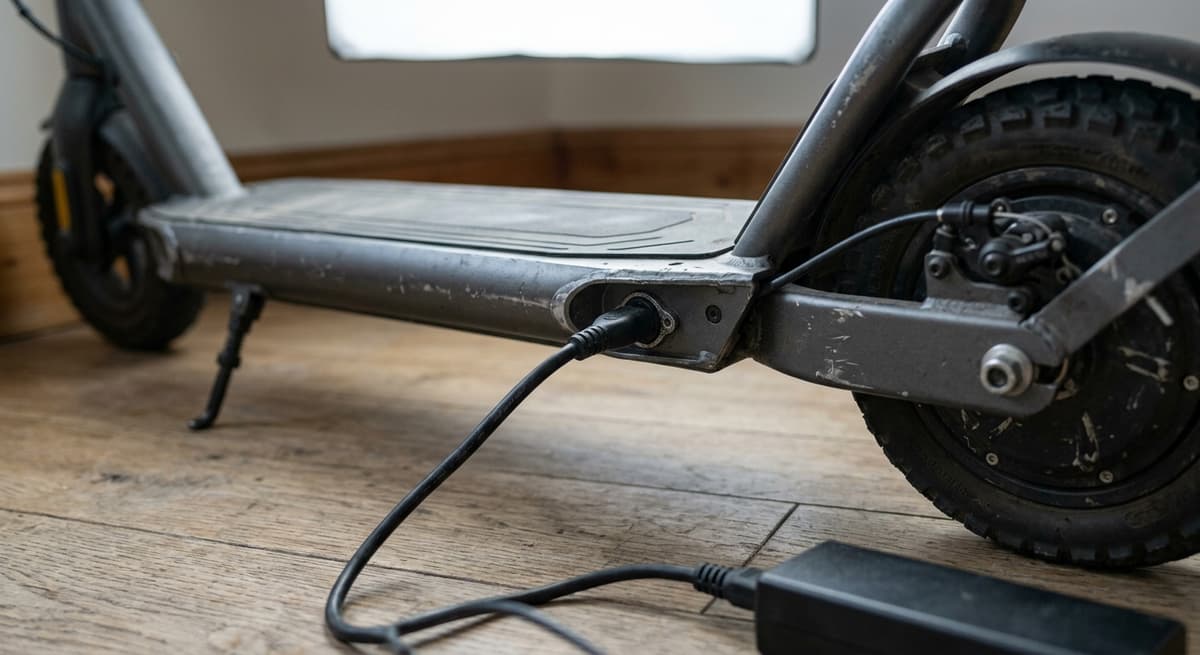
Vancouver has joined the pilot. Its own guidance permits e-scooters on all city streets (using the roadway, not sidewalks), on greenways, bikeways and bike lanes, and on seawall and park paths where bikes are allowed, capped at 25 km/h. Vancouver's page does not mention the provincial cycle-lane requirement that applies on roads posted above 50 km/h. That nuance comes from the regulation itself, not the city's summary.
Kelowna has also joined. The city's own page states e-scooters "can be ridden on city streets under the same rules as bicycles," and separately regulates shared and rental e-scooters through a municipal permit program. Kelowna's page describes itself as "one of eight communities" in the pilot, a figure that is clearly out of date given the province's much larger current count, and should not be read as the province-wide total.
Surrey does not appear on the province's list of participating municipalities. Reporting indicates Surrey has not joined, which is consistent with the legal mechanism above: without opt-in, no highway in Surrey qualifies as a pilot project highway, so private e-scooter use there would be a straightforward violation of section 6. Surrey's non-participation itself has not been confirmed against a Surrey council or staff document directly, so treat it as reported rather than independently verified.
Victoria's specific local rules could not be independently confirmed for this page, since its official page was unreachable at time of writing. Anyone riding in Victoria should check the city's current page directly rather than rely on rules assumed from elsewhere in the province.
Frequently Asked Questions
Is it legal to ride an e-scooter in British Columbia?
Only under the Electric Kick Scooter Pilot Project Regulation, B.C. Reg. 247/2023, and only on a road that qualifies as a pilot project highway. Whether that includes your street depends on whether your municipality has opted into the pilot.
Is it legal to ride an e-scooter outside a participating municipality?
It depends on where you are. Inside a municipality that has not joined the pilot, there is no pilot project highway at all, so riding is flatly illegal. Outside any municipality altogether, on rural or unincorporated highways, the road counts as a pilot project highway by default.
Do I need a helmet to ride an e-scooter in BC?
Yes, every rider, regardless of age. Section 19 of the regulation requires a bicycle safety helmet for anyone operating an electric kick scooter, with no exception for adults.
How old do you have to be to ride an e-scooter in BC?
16. A person under 16 must not operate an e-scooter on a highway, and a parent or guardian who knowingly permits an underage rider can also be ticketed.
Do you need a licence or insurance for an e-scooter in BC?
No. ICBC does not license or insure e-scooters. But ICBC's no-fault Enhanced Accident Benefits only apply if a motor vehicle hits the rider, not in a scooter-only crash or one the rider causes.
What is the fine for breaking BC's e-scooter rules?
The one figure confirmed from an official Ministry poster is $109 per violation ticket. A parent or guardian can also be fined if their child rides underage.
Is BC's e-scooter law permanent?
No. It is a pilot regulation, B.C. Reg. 247/2023, that took effect April 5, 2024 and is set to be repealed on April 5, 2028 under its own section 45, unless the province acts to extend or replace it.
Updates
Independently fact-checked against the cited primary sources
Sources and References
- Electric Kick Scooter Pilot Project Regulation, B.C. Reg. 247/2023 (full text)(bclaws.gov.bc.ca).gov
- BC Electric Kick Scooter Pilot Project Interim Report, Year One Results(gov.bc.ca).gov
- Ministry of Transportation and Transit, official e-scooter rules poster(gov.bc.ca).gov
- ICBC, micromobility vehicles and insurance(icbc.com)
- City of Vancouver, electric kick scooters(vancouver.ca).gov
- City of Kelowna, shared bikes and e-scooters(kelowna.ca).gov
- Vancouver Police Department, helmet safety warning after fatality and serious injury(vpd.ca).gov