
Saskatchewan
Saskatchewan E-Scooter Laws: Where They're Legal and What the Rules Require
Independently fact-checked against primary sources (last audited August 14, 2026). · 4 primary sources cited on this page. How we verify our legal content
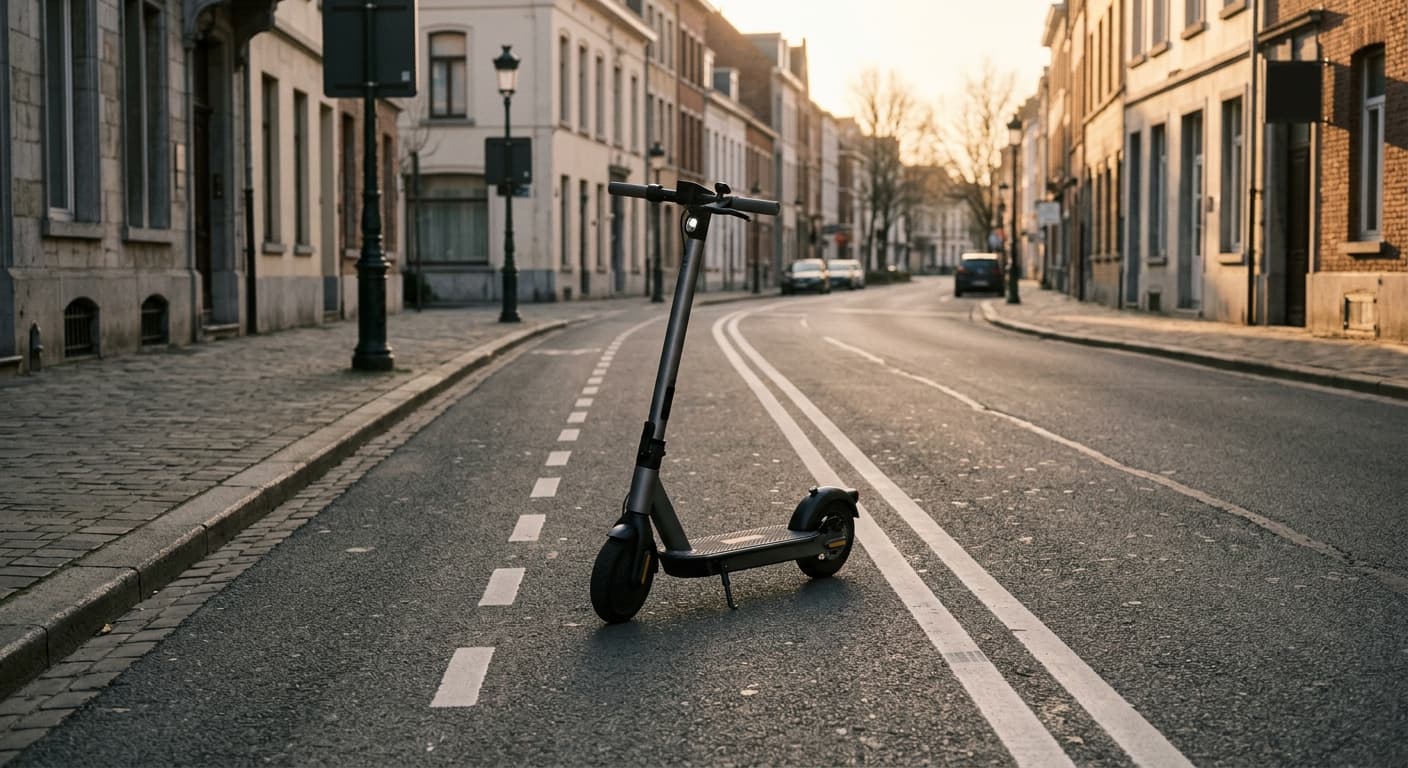
Saskatchewan has a real, province-wide e-scooter regulation, but it only turns on where the local municipality has passed a bylaw allowing it, so legality depends on which town or city you are standing in.
Is it legal in Saskatchewan?
Saskatchewan has a dedicated, currently effective e-scooter regulation: The Limited Speed Motor Vehicle Regulations, c. T-18.1 Reg 19, made under The Traffic Safety Act and in force since September 15, 2022. The regulation creates a new vehicle class, "Class LSMV," and within it defines "electric kick scooter" with specific technical limits.
The regulation does not, by itself, make riding legal everywhere in the province. Under section 6(2), an electric kick scooter may be operated on a highway only where the municipality, or the authority responsible for a park, has enacted a bylaw governing its operation there. Where no such bylaw exists, riding an e-scooter on public roads in that community remains unlawful, even though the provincial vehicle class exists on paper. Section 9 makes the Act and this regulation prevail over anything a local bylaw tries to do differently.
In practice, Saskatchewan's e-scooter law is really two layers: a fixed provincial standard for what the device and rider must look like, and a municipal on/off switch for whether riding is allowed at all in a given community.
What counts as an e-scooter under the regulation
Section 2 defines an "electric kick scooter" as a device with:
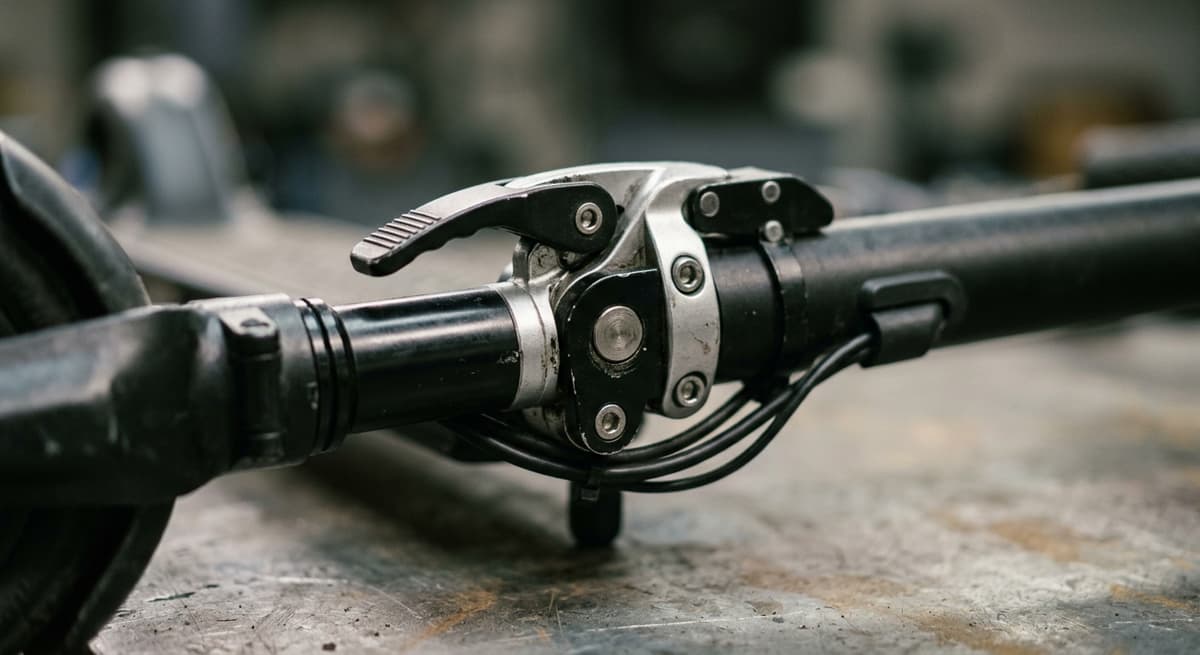
- Up to four wheels, no more than 430 mm in diameter, on the same longitudinal axis
- A standing platform and a handlebar that acts directly on the front wheel
- An electric motor or motors, powered only by battery, with combined continuous output no greater than 500 W
- A design incapable of exceeding 24 km/h on a clean, paved, level surface
- Propulsion that cuts off automatically when the accelerator is released or the brakes are applied
- An unladen weight of no more than 45 kg
- Brakes able to stop the scooter within 9 metres from 24 km/h
- No seat, no pedals, and no enclosing structure
A device that does not fit this definition, including any other type of limited speed motor vehicle, is banned outright on any Saskatchewan highway under section 6(1). No registration and no driver's licence are required for a qualifying electric kick scooter (sections 3 through 5).
Where you can ride, and who decides
The province sets the outer limits; municipalities decide whether e-scooters are allowed on their roads at all, and if so, where. Section 7 constrains what a local bylaw can permit: it must prohibit e-scooter use on any stretch posted above 50 km/h unless there is a designated bike lane, in which case the bylaw must require riders to use it. Where a bike lane exists on a road posted at or below 50 km/h, the bylaw must require its use, and bylaws must generally prohibit riding through crosswalks.
Those are ceilings, not floors: a municipality can be more restrictive, but it cannot authorize something section 7 forbids. Under section 9, if a municipal bylaw ever conflicts with the Act or this regulation, the provincial rules win.
Rider rules
- Minimum age 16 (section 6(3))
- Helmet mandatory, meeting a listed CSA, BSI, ANSI, DOT, Snell, ECE, or ASTM standard (section 13)
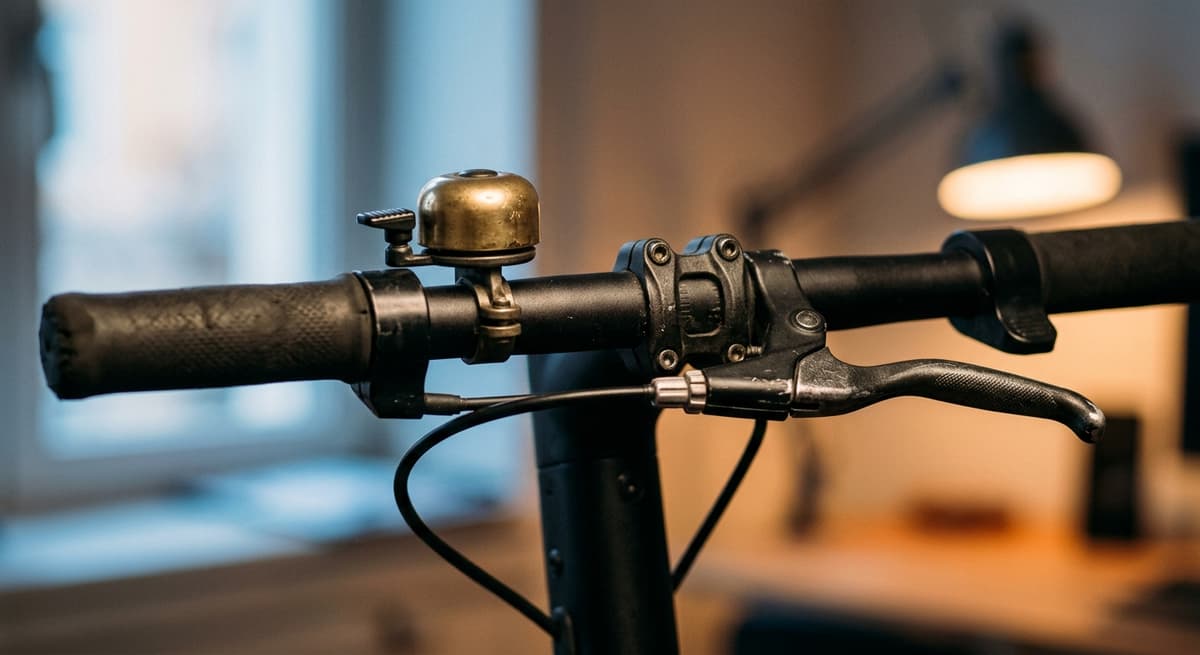
- No riding two abreast; one hand must stay on the handlebar at all times; riders must sound a horn or bell when approaching pedestrians or cyclists; riders must stand while operating the scooter (section 14)
- No passengers and no towing
- No leaving a scooter unattended in an area used by traffic (section 15)
- Lights required from 30 minutes after sunset to 30 minutes before sunrise: a white or amber light visible from at least 150 m in front, and a red light at the rear (section 12)
- A bell or horn, a securely fastened battery and motor, and insulated electrical terminals (section 11)
Penalties
Saskatoon's bylaw sets a $50 penalty for e-scooter violations. Regina's Traffic Bylaw sets $60 for speeding, $65 for illegal parking, and $125 for reckless operation. Whether a province-wide penalty schedule applies outside these two cities, or what a municipality with no enabling bylaw at all would charge someone caught riding, has not been confirmed.
The municipal layer: Saskatoon and Regina
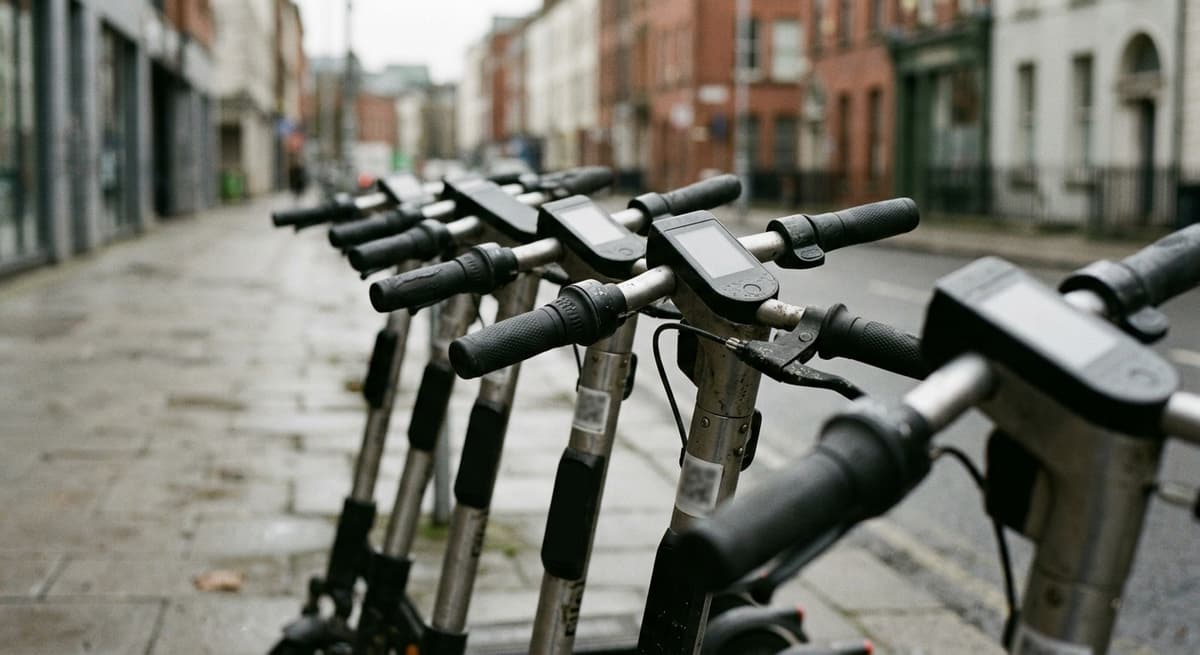
Saskatoon legalized personally owned e-scooters on September 24, 2025, when City Council amended The Traffic Bylaw (Bylaw 7200) to allow them on the public right-of-way under the same rules that already applied to the city's shared e-scooter program (operated by Neuron, up to 500 units, spring through fall). Riders may use shared-use paths, including bridge sidewalks, cycle tracks, and protected bike lanes, and streets posted at 50 km/h or less where none of those exist. Sidewalks, roads posted above 50 km/h, Saskatoon Transit vehicles and bus zones, Civic Square, skate and spray parks, parkades, and buildings are all off limits. The penalty is $50, and violations are reportable to the Saskatoon Police Service.
Saskatoon's own guidance also spells out how a collision with a motor vehicle plays out financially, since e-scooters are not separately insured:
"As the e-scooter operator doesn't have insurance, if they're responsible for the collision with a motor vehicle, the motor vehicle's registered owner would be responsible for their own deductible. SGI would then attempt to recover the deductible from the e-scooter operator or potentially the owner of the e-scooter. If the vehicle operator is responsible, the vehicle's licence plate insurance would pay for the damage to the e-scooter and the vehicle deductible. The e-scooter damage would be assessed at actual cash value."
Regina permits both shared (Lime, seasonally from May to October) and personally owned e-scooters; City Council approved continuing the program on March 20, 2024. Riders may use multi-use and park pathways at a maximum of 15 km/h, bike lanes on any road, and roads posted at 50 km/h or less at up to 24 km/h. Sidewalks and crosswalks are off limits, as are roads posted above 50 km/h unless there is a bike lane. Regina requires riders to be at least 16 and to wear a helmet.
Whether any Saskatchewan municipality other than Saskatoon and Regina has passed the section 7 enabling bylaw the province's regulation requires has not been checked for this article. That matters directly: under section 6(2), riding an e-scooter on a public road in a community without one is not a grey area, it is unlawful.
Enforcement in practice
No published, verifiable enforcement or ticket data for Saskatchewan e-scooters has been located, beyond the penalty amounts each city's bylaw sets on paper. Saskatoon and Regina both publish their fines, but neither city's police service has published ticket counts, and no Saskatchewan court decision involving an e-scooter collision has been found.
What the lack of published enforcement does not mean
An absence of published ticket data is not permission to ride wherever you like, or a sign the rules do not apply. A few consequences do not depend on ever being stopped by police:
- Insurance runs through fault, not through whether you were ticketed. As Saskatoon's own guidance describes, SGI will pursue the at-fault e-scooter operator, or the scooter's owner, to recover a driver's deductible after a collision, regardless of whether that operator was cited for the underlying riding violation.
- Civil liability follows a collision independently of any ticket. A rider who injures someone, or damages a vehicle, can be sued for the resulting harm.
- Leaving a scooter unattended in a traffic area is itself prohibited (s.15 of the provincial regulation), separate from any fine for riding violations.
- Non-enforcement is not a defence. Where a bylaw permitting e-scooters does not exist in a given Saskatchewan community, or where a rider breaks one of the provincial rules above, the fact that police have not been actively ticketing anyone does not change what the law says. A rider stopped tomorrow is judged against the regulation as written, not against how loosely it has been enforced up to now.
Frequently Asked Questions
Is it legal to ride an e-scooter in Saskatchewan?
It depends entirely on the municipality. The province's Limited Speed Motor Vehicle Regulations create a legal electric kick scooter class, but under section 6(2) it may only be ridden on a public highway where the local municipality or park authority has passed its own bylaw allowing it. Saskatoon and Regina have both done so. Whether other Saskatchewan communities have is not confirmed, and without a local bylaw, riding on public roads there is not legal.
Do you need a licence or registration for an e-scooter in Saskatchewan?
No. A device that meets the regulation's definition of an electric kick scooter does not need to be registered and its rider does not need a driver's licence.
How old do you have to be to ride an e-scooter in Saskatchewan?
At least 16, under section 6(3) of the provincial regulation. Regina's municipal rules also set a 16-and-up minimum.
Is a helmet required?
Yes. Section 13 of the provincial regulation makes an approved helmet mandatory for anyone riding an electric kick scooter, and both Saskatoon and Regina require one as well.
What happens if I hit a car on my e-scooter in Saskatoon?
E-scooters are not separately insured. Saskatoon's own guidance explains that if the e-scooter operator is at fault, the driver's SGI-insured vehicle covers the driver's own deductible, and SGI then tries to recover that deductible from the e-scooter operator or owner. If the driver is at fault, the vehicle's insurance covers the damage to the e-scooter, assessed at actual cash value.
What is the fine for an e-scooter violation?
Saskatoon sets a $50 penalty under its Traffic Bylaw. Regina's Traffic Bylaw sets $60 for speeding, $65 for illegal parking, and $125 for reckless operation. A province-wide fine schedule for communities outside these two cities has not been confirmed.
Updates
Independently fact-checked against the cited primary sources
Sources and References
- The Limited Speed Motor Vehicle Regulations, c. T-18.1 Reg 19 (definitions, thresholds, age, helmet, and equipment rules)(publications.saskatchewan.ca).gov
- The Limited Speed Motor Vehicle Regulations, sections 6, 7 and 9 (the municipal bylaw framework and provincial paramountcy)(publications.saskatchewan.ca).gov
- City of Saskatoon, Electric Scooters (e-scooters) program page(saskatoon.ca).gov
- City of Regina, E-scooters page(regina.ca).gov