
Prince Edward Island
Prince Edward Island E-Scooter Laws: Age, Helmet, and Fines
Independently fact-checked against primary sources (last audited August 14, 2026). · 1 primary source cited on this page. How we verify our legal content
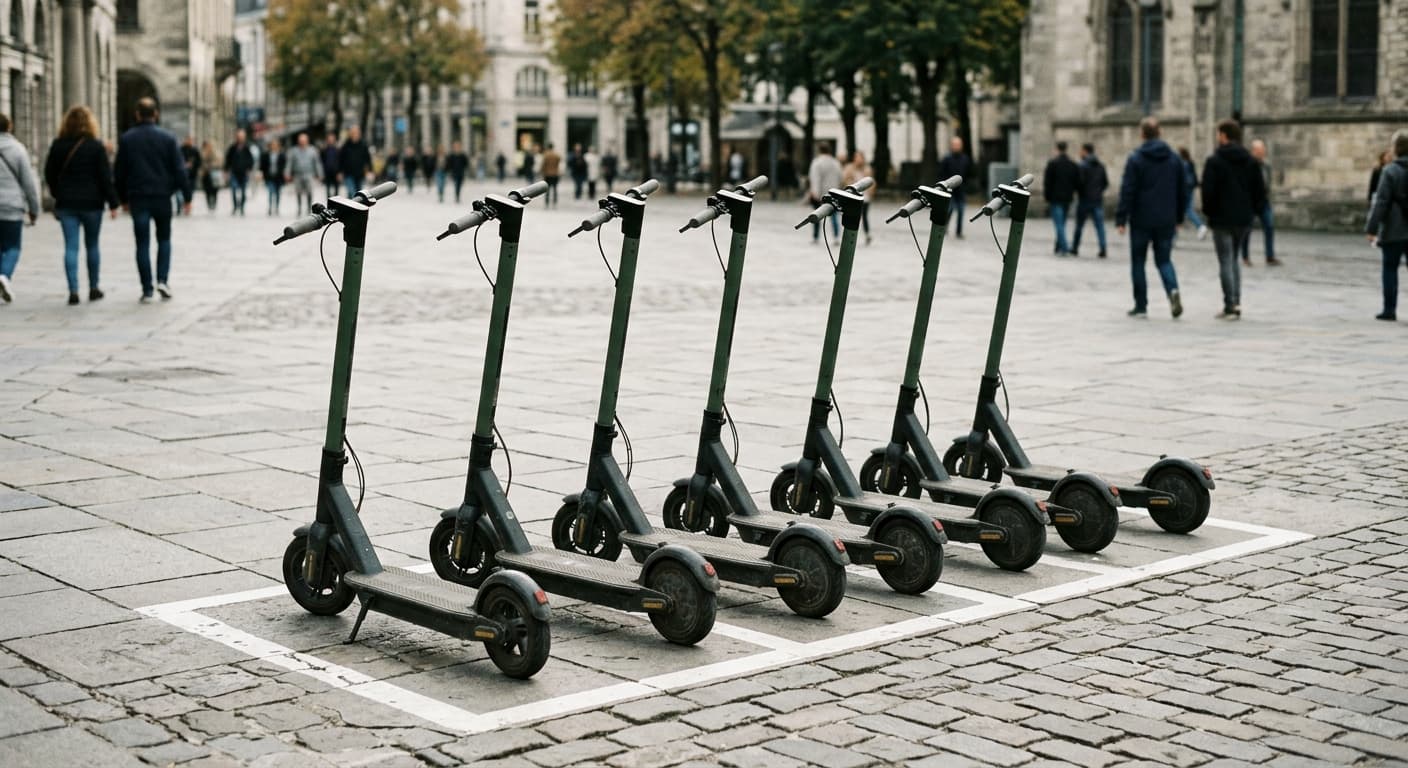
Prince Edward Island regulates e-scooters through a standing regulation made under the Highway Traffic Act, with the tightest technical specifications and the only explicit statutory sidewalk ban confirmed among the Atlantic provinces.
Is riding an e-scooter legal on Prince Edward Island
Yes. PEI regulates e-scooters under the Electric Kick-Scooters Regulations, EC863/22, made under sections 299 and 312 of the Highway Traffic Act, RSPEI 1988, Cap. H-5. PEI took a different legal route than Nova Scotia: rather than amending the Act's own text, the province used regulation-making power the Act already gave it. The full regulation text, current to November 26, 2022, contains no sunset or expiry clause, so like Nova Scotia's rule, this is a standing regulation, not a time-limited pilot.
What counts as an e-scooter under the regulation
The regulation defines an electric kick-scooter (s.1(1)(b), s.6) with a detailed set of specifications, the tightest confirmed of any Atlantic province: two wheels on the same axis with a steerable front wheel and fixed rear wheel, a standing platform, a direct steering handlebar, an electric motor of 500 watts or less, and a maximum speed of 24 km/h, eight km/h lower than Nova Scotia's 32 km/h cap.
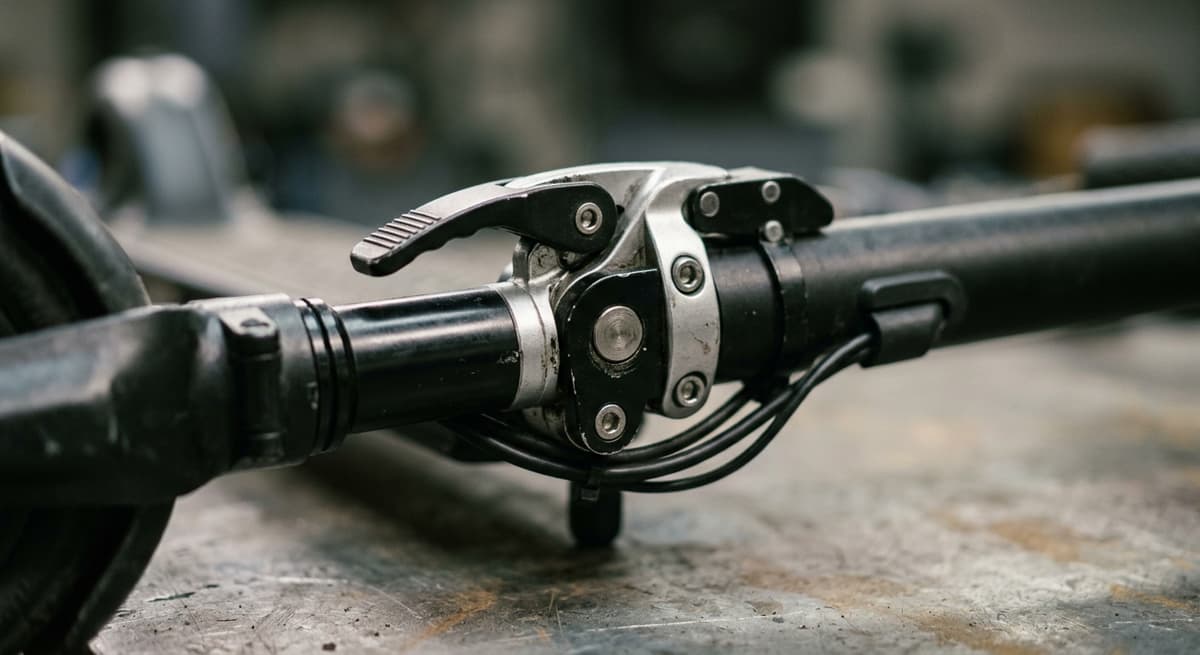
The equipment rules in Part 3 go further than most: the battery must be the sole power source, securely fastened with insulated terminals; the device may have no seat, no pedals, no basket, and no enclosing structure; wheels cannot exceed 430mm; unladen weight cannot exceed 45kg; the motor must be incapable of exceeding 24 km/h on a clean, paved, level surface and must disengage when the rider releases the brake or accelerator; the device cannot use a combustion generator; and it must be able to brake to a stop within 9 metres from 24 km/h. Modifying a scooter after manufacture to increase its power or speed is itself a separate offence.
Where you can ride
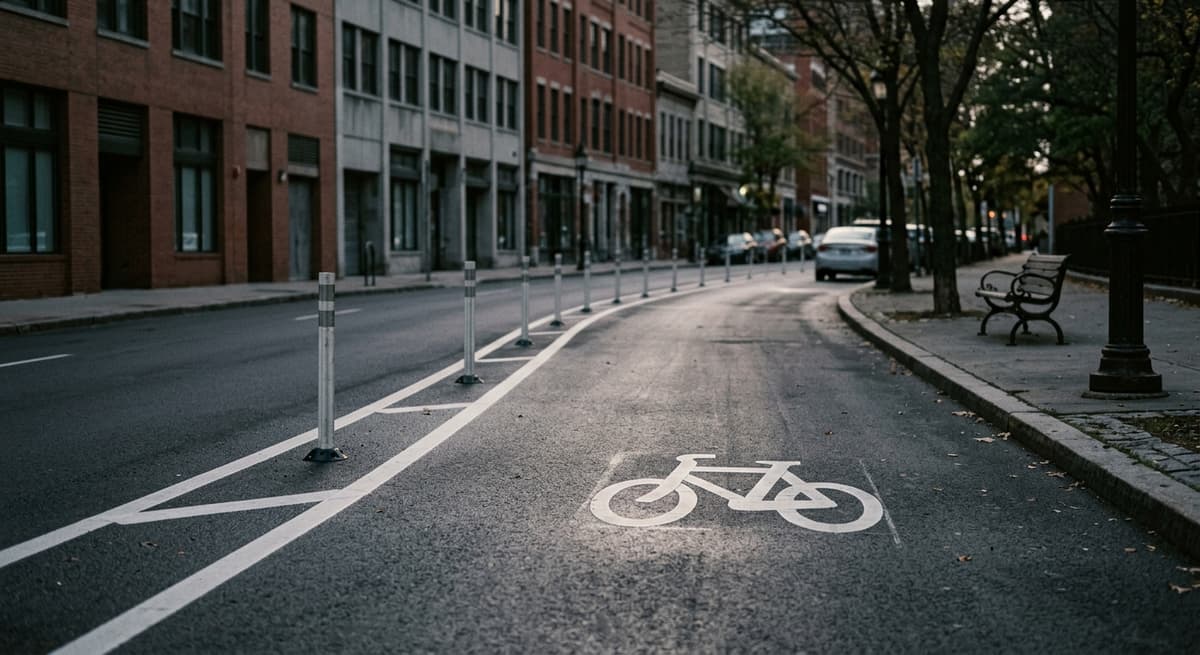
The default position under Part 2 is restrictive: riding is not permitted on a highway, path, walkway, public park, or exhibition ground unless the regulation specifically permits it and any applicable municipal bylaw also permits it (s.2). Where riding is allowed, it is on the roadway or shoulder (s.3(1)), except on highways posted above 60 km/h (s.3(2)(a)) or anywhere pedestrian or bicycle access is otherwise barred (s.3(2)(b)). A bike lane must be used where one exists (s.4(1)), with a narrow exception allowing a sidewalk crossing through a tunnel or underpass (s.4(2)); otherwise a rider defaults to the shoulder, then the right side of the road (s.4(3)).
Section 5 removes any ambiguity about sidewalks generally: "For greater certainty, no person shall operate an electric kick-scooter on a sidewalk." That is the only explicit, unqualified statutory sidewalk ban confirmed for any Atlantic province's e-scooter law in this research.
Whether PEI's Confederation Trail is off-limits to e-scooters has been reported by CBC but was not independently checked against the Trails Act itself for this article; treat that as reported, not confirmed.
Rider rules: age, helmet, licence, conduct
- Minimum age is 16 (s.8(2)), two years higher than Nova Scotia's 14. A scooter's owner may not authorize or knowingly permit someone under 16 to ride it (s.8(3)).
- Helmets are mandatory for every rider, regardless of age, meeting a CSA-referenced standard (s.8(11)-(12)).
- No driver's licence, registration, insurance, or number plate is required. Section 1(2) of the regulation deems an e-scooter not to be a "motor vehicle" for these purposes. A rider cannot, however, operate one while their own driver's licence is suspended, cancelled, or disqualified (s.8(4)).
- Riders follow the same road rules as cyclists (s.8(1)), may not carry a passenger (s.8(5)) or cargo (s.8(9)), may not tow (s.8(6)-(7)), must stand while riding (s.8(8)), may not obstruct other traffic (s.8(10)), and may not ride two abreast (s.8(13)-(14)).
- A rider must stop and identify themselves to a peace officer on request (s.9), and must report any accident involving injury or property damage without delay (s.10).
Although e-scooters are deemed not to be motor vehicles, section 1(3) of the regulation keeps them subject to any municipal bylaw that governs motorized vehicles, unless that bylaw says otherwise.
Penalties on the books
Section 11 sets a real, published penalty range: on summary conviction, every contravention of the regulation carries a fine of not less than $200 and not more than $2,000. That is a wide range, and the regulation does not appear to grade specific offences to specific amounts within it, so where an individual case lands depends on the court.
Enforcement in practice
PEI has the only concrete e-scooter enforcement figure found anywhere in Atlantic Canada for this dossier. Charlottetown police told CBC, in reporting from around September 22, 2023, that officers had issued four tickets for riders not wearing helmets since enforcement began, and that police were taking impaired e-scooter operation seriously even though no impaired-riding charges had been laid as of that date. That figure is now several years old, and no more recent PEI ticket data was located for this article.
Being widely ridden does not make it risk-free
A low ticket count is not the same thing as low risk. An e-scooter collision on PEI can still result in civil liability for injuries or damage the rider causes, and because the regulation deems e-scooters not to be motor vehicles, they fall outside the compulsory motor-vehicle insurance system by the regulation's own terms. That conclusion follows directly from the regulation's wording but was not separately checked against the financial-responsibility provisions of the parent Highway Traffic Act, so it should be read as strongly implied rather than fully confirmed; riders with questions about their own coverage should ask their insurer directly. A low ticket count to date is not a legal defence: a rider stopped tomorrow is charged under the regulation as written, not as it has typically been enforced.
Charlottetown's rental-operator rules are a separate issue
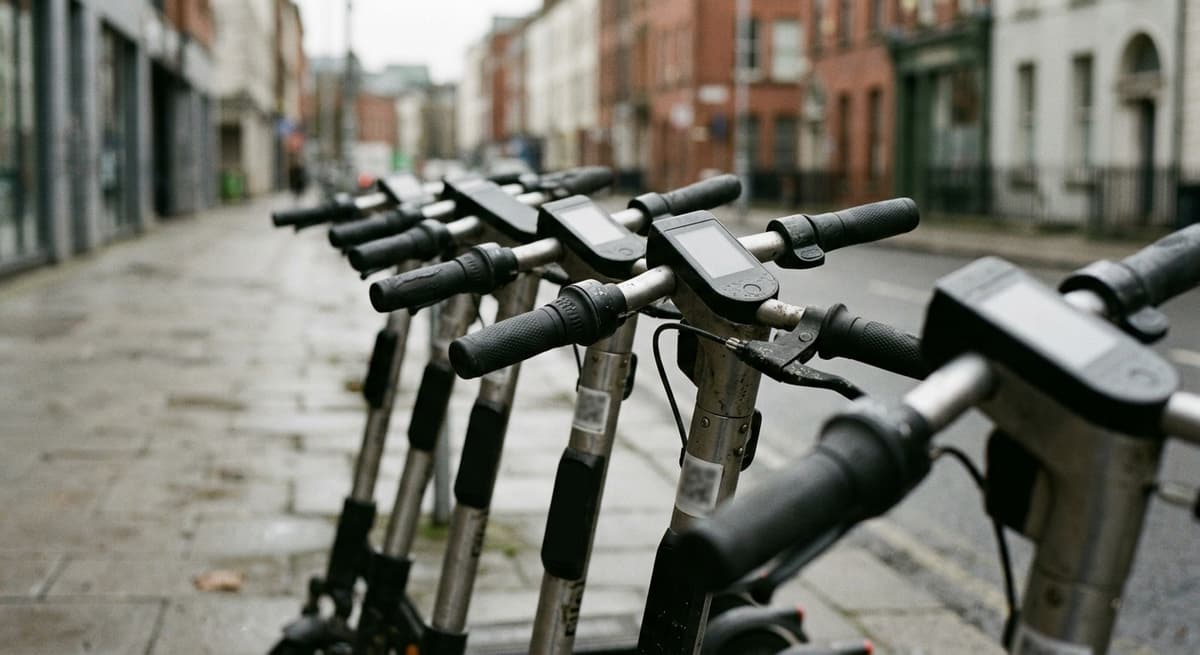
Charlottetown has not adopted its own rider-conduct bylaw; riders in the city are governed by the provincial regulation described above. What Charlottetown has grappled with is different: a rental e-scooter pilot run by a private operator, where Mayor Philip Brown has said the city lacks the regulatory tools to license or otherwise regulate who operates a rental business. That is a business-licensing gap for rental companies, not a gap in the rules that apply to an individual rider. No equivalent bylaw or rental program was found for Summerside.
Frequently Asked Questions
Is PEI's e-scooter regulation a pilot program?
No. The Electric Kick-Scooters Regulations (EC863/22) contain no sunset or expiry clause. This is a standing regulation made under the Highway Traffic Act, not a temporary trial.
What is the minimum age to ride an e-scooter on PEI?
16. An owner who knowingly permits someone younger than 16 to ride can also be held responsible under the regulation.
Can I ride an e-scooter on a sidewalk in PEI?
No. Section 5 of the regulation states explicitly that no person shall operate an electric kick-scooter on a sidewalk. This is the only explicit statutory sidewalk ban confirmed for an Atlantic province's e-scooter rules.
What is the fine for breaking PEI's e-scooter rules?
Section 11 sets a fine of not less than $200 and not more than $2,000 per offence on summary conviction. The regulation does not set separate amounts for individual violations within that range.
Do I need insurance to ride an e-scooter in PEI?
The regulation deems an e-scooter not to be a motor vehicle, so compulsory motor-vehicle insurance does not apply on the regulation's own terms. That reading was not separately checked against the Highway Traffic Act's financial-responsibility provisions, so riders with coverage questions should confirm directly with their insurer.
How fast can an e-scooter legally go on PEI?
24 km/h, both the device's design maximum under the regulation and the legal speed limit. That is lower than Nova Scotia's 32 km/h cap.
Updates
Independently fact-checked against the cited primary sources