
Canada
DUI and Impaired Driving Laws in Newfoundland and Labrador: Suspensions, Interlock, and Reinstatement
Independently fact-checked against primary sources (last audited August 16, 2026). · 5 primary sources cited on this page. How we verify our legal content
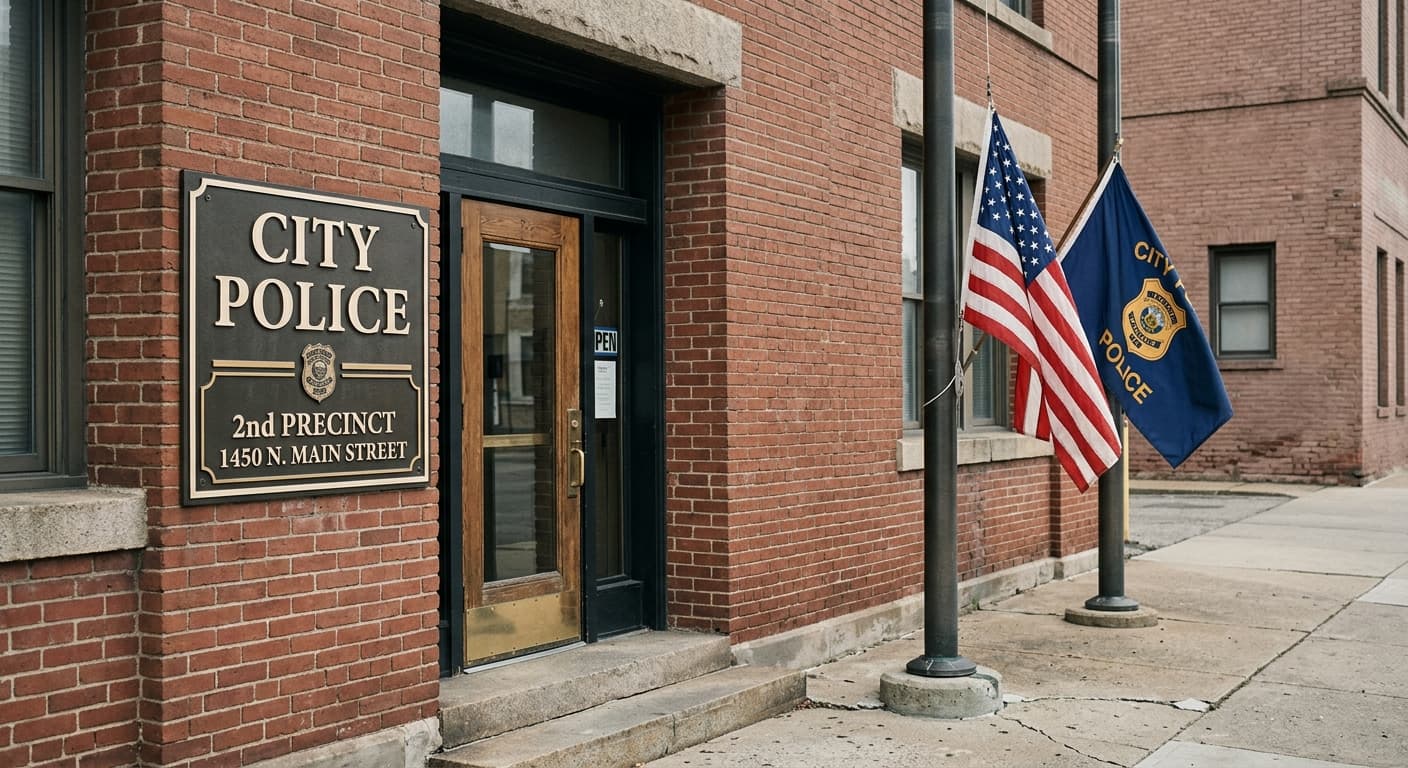
Newfoundland and Labrador sets its roadside blood alcohol threshold by driver class rather than one number for everyone: a 50 mg/100 mL threshold for drivers 22 and older who are not novices, but a true zero-tolerance threshold for every driver under 22 and for every novice driver, regardless of age.
Information last verified on 2026-08-15. This article has not yet been reviewed by a licensed lawyer.
Roadside Suspension Tiers by Driver Class
Newfoundland and Labrador's Highway Traffic Act sets its roadside suspension triggers separately by driver class rather than applying one number to everyone.
For a driver 22 or older who is not a novice, a reading of 50 to 79 mg/100 mL, or reasonable grounds of drug or combined impairment, triggers a 7-day roadside suspension. A reading of 80 mg/100 mL or higher, or a refusal or failure to comply with a testing demand, triggers a 90-day suspension that starts 14 days after the 7-day suspension expires.
For a driver under 22 who is not a novice, the threshold drops to any detectable alcohol above zero, not 50 mg/100 mL. The 80 mg/100 mL and refusal triggers, and the resulting 90-day suspension, apply the same way as for an adult driver.
For a novice driver, any detectable alcohol above zero triggers an escalating suspension instead of a flat term: 2 months on the first occasion, 4 months on the second, 6 months on the third or later, within a lookback period the Act does not state explicitly. An 80 mg/100 mL reading overrides this ladder to a flat 90-day suspension regardless of how many prior occasions the novice driver has, and a refusal for a novice driver goes straight to the flat 90 days rather than the escalating ladder.
A separate escalation applies across driver classes: a driver who accumulates multiple 7-day roadside suspensions within 24 consecutive months faces increasing suspensions on repeat occurrences, 14 days on the second, 2 months on the third, 4 months on the fourth, 6 months on the fifth or later. This escalation ladder runs independently of, and stacks with, the novice-specific ladder above.
Commercial, taxi, and rideshare drivers have their own dedicated suspension section, carrying a 7-day suspension for drug-impairment grounds or the presence of a drug. Whether commercial drivers also face a lowered blood alcohol number, as some provinces set for commercial licence holders, was not confirmed in the sections of the Act reviewed. The Act also extends a suspension regime to a licensed driver accompanying a novice driver, mirroring the standard adult tiers, though the full detail of that provision was not independently confirmed.
For any driver class, a refusal or failure to comply with a breath or blood demand triggers a flat 7-day suspension followed by a 90-day suspension.
Zero Tolerance: Everyone Under 22, Not Only Novices
This is the point most likely to be assumed wrong: zero tolerance in Newfoundland and Labrador is not limited to novice drivers. A driver who is fully licensed, not a novice, but under the age of 22, still faces a zero milligram threshold rather than the standard 50 mg/100 mL warn-range threshold that applies to drivers 22 and older. Government's own plain-language guidance and the Act's text independently confirm this: age under 22 by itself, regardless of licence class, is what triggers zero tolerance. Only once a driver turns 22 does the ordinary 50 mg/100 mL warn-range threshold take over, assuming the driver is not a novice.
Vehicle Impoundment
Vehicle impoundment is mandatory and runs on its own regulation, separate from the licence suspension itself. A peace officer must seize and impound the vehicle for 7 days on a 50 to 79 mg/100 mL reading (or the equivalent zero-to-79 range for an under-22 or novice driver), and for 30 days on an 80 mg/100 mL or higher reading, or a refusal. A 90-day impoundment applies to a narrower, separate seizure power under a different section of the Act. A hardship-release application can shorten an impoundment on grounds such as loss of employment or education access, medical treatment need, or the vehicle being driven without the owner's knowledge; the Registrar must decide within 7 days, and the application fee is refundable if the seizure is found improper, though no dollar figure for that fee is published.
Ignition Interlock Program
Newfoundland and Labrador's interlock program is confirmed and mandatory as a condition of reinstatement after a Criminal Code impaired driving conviction. The minimum terms are 12 months for a first conviction, 36 months for a second conviction within 10 years, and 60 months for a third or later conviction within 10 years. The named service provider is a private contractor, and the applicant bears the full cost of installation, maintenance, and removal, with no government subsidy mentioned. Driving without the required device, or tampering with it, carries a fine of $200 to $20,000 for a commercial vehicle or $200 to $1,000 for any other vehicle, a statutory range rather than a fixed amount; the specific figure a court assesses depends on the case. No date for when the program began was confirmed; the earliest amendment found in the current section's history dates to 2012, suggesting the program predates or began that year, but that is an inference rather than a stated enactment date.
Remedial Program and Assessment
A "Think First" driving program is named as a requirement for reinstating a licence before a court date, following a 90-day suspension. A separate Alcohol and Drug Assessment is required after a Criminal Code conviction, delivered through regional Addiction Services offices or a list of private counsellors. Neither the Think First program fee nor the Alcohol and Drug Assessment fee is published anywhere in the province's official fee schedule. Both appear to be billed by third-party or regional providers rather than set by the Registrar. Do not treat any dollar figure for either as confirmed; the province's own guidance points a driver to contact the provider directly for current pricing.
Appeal of a 90-Day Suspension
A 90-day suspension can be appealed to the Registrar, but only on two narrow grounds: that the wrong person was suspended, or that the driver was medically unable to comply with the testing demand. A general claim of not actually being impaired is not a recognized ground. The appeal must be submitted in writing within 30 days of the date the officer requested surrender of the licence. The appellant chooses a written or oral hearing when applying; the Registrar can extend the evidence deadline by up to 30 days on a timely request, and any hearing must occur within 30 days after the evidence deadline. The Registrar decides within 15 business days after the hearing, and that decision is final and binding, with no further statutory appeal route confirmed. The suspension continues to run during the appeal, so filing one does not pause the clock. A medical-ground appeal requires signed evidence from a physician, a registered nurse or nurse practitioner, or a respiratory therapist.
Reinstatement After a Conviction
A Criminal Code impaired driving conviction triggers a separate provincial suspension on top of the federal driving prohibition:
| Conviction | Provincial suspension |
|---|---|
| 1st Criminal Code impaired driving conviction | 12 months |
| 2nd, within 10 years of the 1st | 36 months |
| 3rd, within 10 years of the 1st | 60 months |
| 4th or later, within 10 years of the 1st | Life, reviewable after 10 years |
| Impaired driving causing bodily harm | 10 years, reviewable after 5 years |
| Impaired driving causing death | Life, reviewable after 10 years |
If a sentencing judge's driving prohibition order runs longer than the applicable line above, the Registrar must match the longer judicial period. Reviews of the longer suspensions are discretionary, not a guaranteed right, and the driver must apply to the Registrar in writing.
The flat reinstatement fee is $200 regardless of which trigger applies, the same whether applied for online or in person. A novice driver reinstating must additionally submit a written application to the Registrar, a step regular adult drivers are not shown as needing after a standard 90-day suspension. Reinstatement after a Criminal Code conviction additionally requires completing the Alcohol and Drug Assessment and, where applicable, the interlock condition described above, both separate from the flat fee.
The Criminal Track
A provincial suspension in Newfoundland and Labrador runs alongside, not instead of, a Criminal Code charge for impaired operation, a reading over 80 mg/100 mL, or refusal, offences that apply uniformly across Canada. A conviction carries its own mandatory minimum fines, jail time on repeat offences, and a federal driving prohibition that runs in addition to the provincial suspension in the table above; the two clocks can start and even complete on different timelines, but a later conviction re-triggers the harsher provincial tier regardless of what administrative suspension already ran. For the fine table, jail minimums, and federal driving prohibition ranges, see impaired driving laws in Canada and DUI penalties in Canada.
A province that sets zero tolerance this broadly, covering every driver under 22 rather than only novices, is worth comparing with a neighbour that draws the line differently; see DUI laws in Prince Edward Island, which independently arrived at the same under-22 zero-tolerance age after its own amendment.
Disclaimer
This article is informational only and is not legal advice. A 90-day suspension appeal in Newfoundland and Labrador must be filed in writing within 30 days of the officer's request for the licence; missing that deadline forfeits the appeal. Several points in this article rest on sources that could not be fully confirmed: whether commercial, taxi, and rideshare drivers face a lowered blood alcohol threshold beyond the drug-related trigger described above, the full detail of the accompanying-driver provision for novices, the dollar cost of the Think First remedial program and the Alcohol and Drug Assessment, the exact fee for a vehicle impoundment hardship release, and the year Newfoundland and Labrador's interlock program began. Confirm current requirements directly with Motor Registration or a licensed lawyer, and consult a lawyer promptly after any roadside suspension or charge.
Frequently Asked Questions
Does zero tolerance in Newfoundland and Labrador only apply to novice drivers?
No. Zero tolerance applies to every driver under the age of 22, novice or not, and separately to every novice driver regardless of age. A fully licensed, non-novice driver who is 21 still faces the zero milligram threshold. Only at 22 does the standard 50 mg/100 mL threshold apply, assuming the driver is not a novice.
What blood alcohol reading triggers a roadside suspension in Newfoundland and Labrador?
For a driver 22 or older who is not a novice, 50 to 79 mg/100 mL triggers a 7-day suspension and 80 mg/100 mL or higher triggers a 90-day suspension. For a driver under 22 or a novice, any detectable alcohol above zero can trigger a suspension instead.
How long is ignition interlock required after an impaired driving conviction in NL?
A minimum of 12 months for a first conviction, 36 months for a second conviction within 10 years, and 60 months for a third or later conviction within 10 years, as a mandatory condition of reinstatement.
Can I appeal a 90-day suspension in Newfoundland and Labrador?
Only on two grounds: that the wrong person was suspended, or that the driver was medically unable to comply with the testing demand. A general claim of not being impaired is not an accepted ground, the appeal must be filed in writing within 30 days, and the suspension keeps running while the appeal is decided.
How much does it cost to reinstate a licence in Newfoundland and Labrador after a suspension?
The Registrar's reinstatement fee is a flat $200 regardless of which suspension applies. That fee does not include the separate, unpublished costs of the mandatory Alcohol and Drug Assessment or the interlock program's own installation and monthly fees.
Updates
Independently fact-checked against the cited primary sources
Sources and References
- Highway Traffic Act, RSNL 1990, c.H-3 (consolidation, ss.60.1-65)(assembly.nl.ca).gov
- Vehicle Seizure and Impoundment Regulations, 2012, NLR 62/12(assembly.nl.ca).gov
- Motor Registration Division - Ministerial Fees Policy (Dec. 21, 2023)(gov.nl.ca).gov
- Motor Registration Division - 90-Day Administrative Suspensions(gov.nl.ca).gov
- Motor Registration Division - Alcohol and Drug Assessment Services(gov.nl.ca).gov