
Newfoundland and Labrador
Newfoundland and Labrador E-Scooter Laws: A Regulatory Gap, Currently Changing (2026)
Independently fact-checked against primary sources (last audited August 14, 2026). · 2 primary sources cited on this page. How we verify our legal content
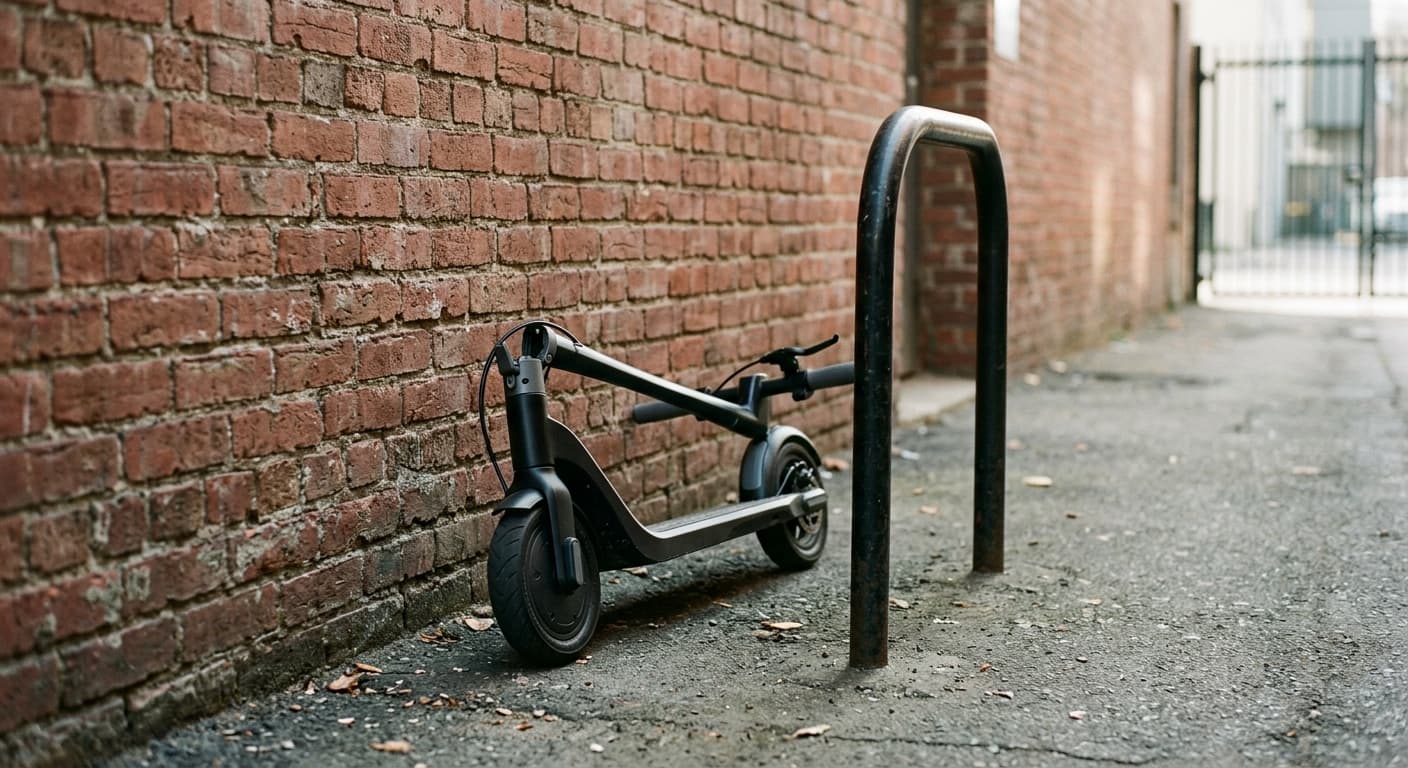
Newfoundland and Labrador has no law that names e-scooters, and the province is currently deciding whether to write one. This page is part of RecordingLaw's Canada e-scooter law coverage, within the broader Canada driving laws hub.
Is it legal in Newfoundland and Labrador, and under what law
Newfoundland and Labrador regulates motor vehicles through the Highway Traffic Act, RSNL 1990, c. H-3. A direct search of the Act's text returns no reference to "electric kick-scooter," "e-scooter," "kick scooter," "power-assisted," "low-speed vehicle," or "motor-assisted bicycle." That is a clean negative: the Act has never addressed the device.
What the Act does define is "motor vehicle": "a vehicle propelled, driven or controlled otherwise than by muscular power, other than a trailer or a vehicle running upon fixed rails." That wording is broad enough to capture an electric scooter on its face.
The same structural gap exists here as in New Brunswick: absent a carve-out, a private e-scooter risks being treated as an unregistered motor vehicle under the Act as written. No court or regulator ruling settling this question was found. Nothing confirms e-scooters are illegal to ride, and nothing confirms they are exempt. Do not treat either reading as certain.
The telling detail: the Act already has a carve-out, just not this one
The Act separately defines "moped," setting a maximum speed of 50 km/h and a maximum weight of 55 kg. That matters beyond the specific numbers: it shows the legislature has, in the past, created a dedicated legal category for a comparable low-power, two-wheeled device. It has simply not done the same for e-scooters. The gap in the law is not an oversight born of the technology being unaddressable; it is a category the legislature has not yet gotten to.
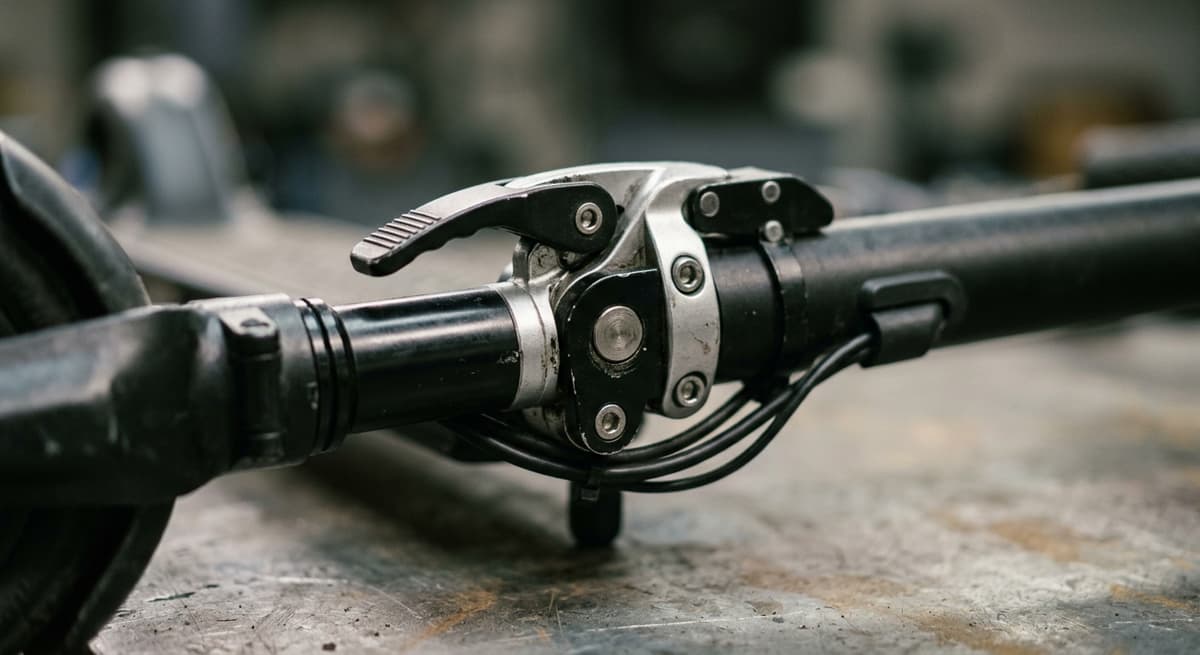
This is actively changing: the current consultation
Newfoundland and Labrador is the province in this dossier most likely to move. The provincial government is running a public consultation on regulating e-bikes and e-scooters under the Highway Traffic Act. According to reported coverage of the consultation (the underlying article could not be fully retrieved for this research, so this is attributed to that reporting rather than to a document read directly), Government Services Minister Mike Goosney has been quoted saying legislation needs to keep up with technological advances. The push traces to a 2025 resolution from Municipalities NL asking the province to amend the Act for e-bikes and to strengthen e-bike and e-scooter safety requirements generally.
As of 13 August 2026, no amendment to the Highway Traffic Act and no standalone e-scooter regulation has been enacted. The consultation is in progress, not concluded. Anyone relying on this page should check whether that has changed since this research was completed, since a new regulation here would replace the analysis on this page entirely.
What counts as an e-scooter, and what does not: the RCMP e-bike release
A 12 September 2025 RCMP Newfoundland and Labrador news release is sometimes cited in connection with micromobility rules in the province. It is important to be precise about what it actually covers. The release addresses e-bikes and bicycles specifically, and the words "e-scooter" and "kick-scooter" do not appear in it anywhere.
Its e-bike specification requires a motor of 500 watts or less, a maximum speed of 32 km/h, and fully operational pedals that disengage when the rider stops pedalling. That last requirement is definitionally what a footplate-only kick scooter does not have, which is exactly why this release cannot be read as covering e-scooters. It is useful only for describing the province's general posture toward micromobility safety, not as authority for e-scooter rules. The general cyclist rules it states, for context, are a mandatory helmet at all ages (with fines up to $180), no sidewalk riding, front white and rear red lights from sunset to sunrise, and at least one functioning brake, all of which apply to bicycles and e-bikes under that release, not confirmed to apply to e-scooters.
Where you can ride, and the municipal layer
No provincial rule exists specific to e-scooters, on streets, sidewalks, or trails. No St. John's municipal bylaw addressing e-scooters was found in this research. Search coverage of St. John's bylaw index was less exhaustive here than the review of the provincial statute, so this should be read as no bylaw located, not as a confirmed absence; a direct check of the city's own bylaw index is worth doing before relying on it. Other municipalities, including Mount Pearl and Corner Brook, were not checked at all for this article.
Rider rules and penalties on the books
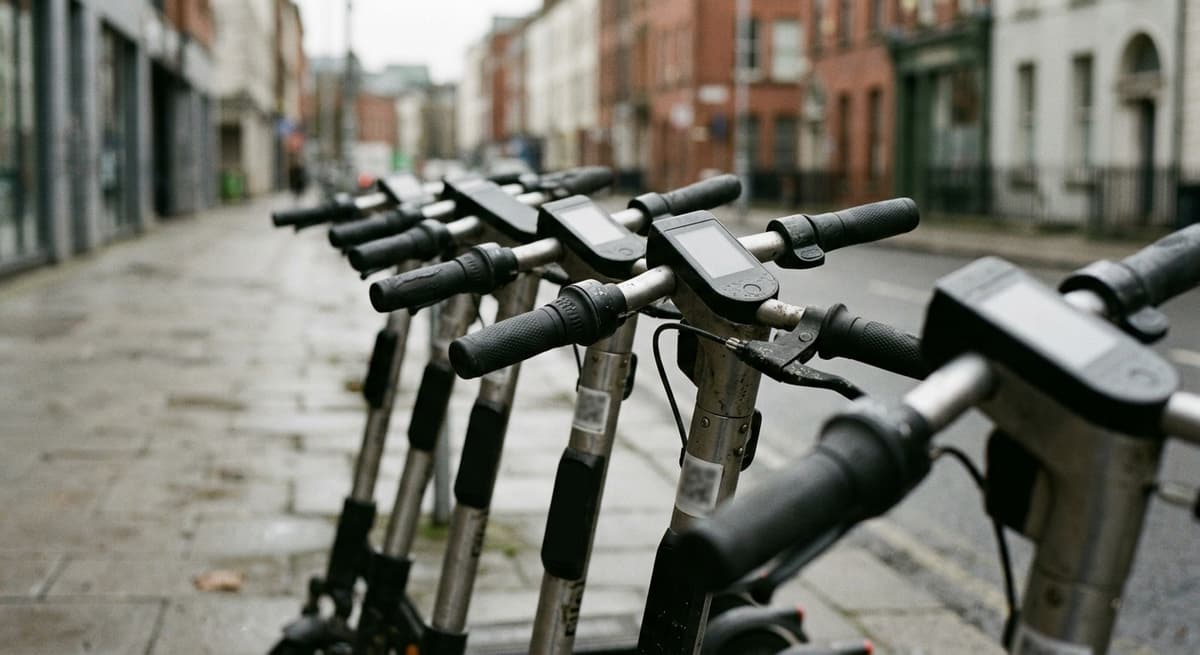
Because the Highway Traffic Act does not recognize e-scooters as a category, there is no provincial age, licence, insurance, or helmet requirement written specifically for them, and no e-scooter-specific fine schedule exists. If a device were treated as an unregistered motor vehicle under the Act's general provisions, the Act's existing penalties could theoretically apply, but this is a reading of the statutory definitions, not a confirmed outcome of any ruling.
Enforcement in practice
No enforcement data specific to e-scooters has been published in Newfoundland and Labrador. This is not surprising: without a defined e-scooter offence in the Act, there is no specific charge for police to bring, unlike the general moving-violation and equipment offences that apply once a vehicle is expressly categorized. A search of RCMP Newfoundland and Labrador releases and general reporting found nothing addressing e-scooters directly.
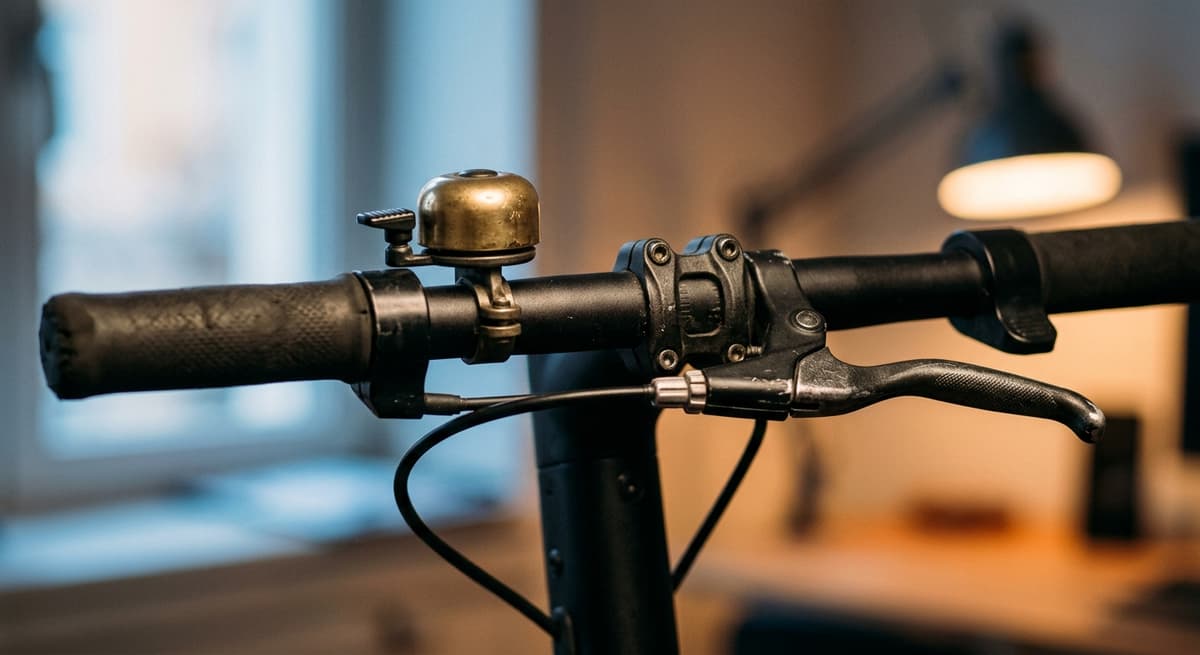
That absence should not be read as permission. If a court or an insurer ultimately treated a private e-scooter as a motor vehicle, an uninsured, unregistered rider would face both regulatory exposure and a real risk of an insurance claim being denied after a collision, independent of whether police have historically issued any tickets. Civil liability after a collision does not depend on enforcement history either. No Superintendent of Insurance or Public Utilities Board ruling on this specific question was found, so treat the insurance risk as a reading of the general framework, not confirmed insurer practice. Non-enforcement is not a defence: a rider stopped tomorrow would be assessed under the Act as it is written on that day, not under how it has usually been policed, and that is especially true here given that the law itself may change during the consultation now underway.
Frequently Asked Questions
Are e-scooters legal in Newfoundland and Labrador?
There is no clear yes or no. The Highway Traffic Act does not define e-scooters at all, but its broad "motor vehicle" definition could be read to capture one. No court or regulator ruling has settled the question, so a rider operates in a genuine grey area, not a confirmed legal or illegal status.
Does Newfoundland and Labrador have a specific e-scooter law?
No, not yet. The Highway Traffic Act, RSNL 1990, c. H-3, has no provision addressing electric scooters or kick scooters. The province is consulting the public on whether to add one, but as of 13 August 2026 no amendment has been passed.
Is the province about to change the law on e-scooters?
It may. The provincial government is running a public consultation on regulating e-bikes and e-scooters under the Highway Traffic Act, tracing to a 2025 Municipalities NL resolution, and Government Services Minister Mike Goosney has been quoted on the need for legislation to keep up with technology. As of 13 August 2026 the consultation is in progress and no amendment has been enacted. Readers should check for updates before relying on this page.
Does the RCMP e-bike release from September 2025 apply to e-scooters?
No. That release, published 12 September 2025, addresses e-bikes and bicycles specifically and never uses the words "e-scooter" or "kick-scooter." Its e-bike specification requires fully operational pedals that disengage when the rider stops pedalling, which is exactly what a footplate-only kick scooter does not have. It describes the province's general posture toward micromobility safety but is not authority for e-scooter rules.
Is there a St. John's bylaw for e-scooters?
None was found in this research. Search coverage of St. John's bylaws was less exhaustive than for the province's statute, so this should be treated as no bylaw located rather than a confirmed absence.
Is riding an e-scooter in Newfoundland and Labrador enforced?
No enforcement data specific to e-scooters was found, which is not surprising given that the Act contains no e-scooter-specific offence to enforce. That does not mean riding carries no risk. If a device were treated as an unregistered motor vehicle, general Highway Traffic Act consequences could still apply, and non-enforcement is not a defence.
Updates
Independently fact-checked against the cited primary sources
Sources and References
- Newfoundland and Labrador, Highway Traffic Act, RSNL 1990, c. H-3 (definitions of "motor vehicle" and "moped")(assembly.nl.ca).gov
- RCMP Newfoundland and Labrador, "RCMP Newfoundland and Labrador encourages e-bike and bicycle users to put safety first" (12 September 2025)(rcmp.ca).gov
- Municipalities NL, resolution on regulation of e-bikes(municipalnl.ca)
- CBC News, "E-bike, e-scooter injuries are on the rise and N.L. wants public input on regulations"(cbc.ca)