
Ontario
Ontario E-Scooter Laws (2026): Legal Status by City, Rules, and Penalties
Independently fact-checked against primary sources (last audited August 14, 2026). · 6 primary sources cited on this page. How we verify our legal content
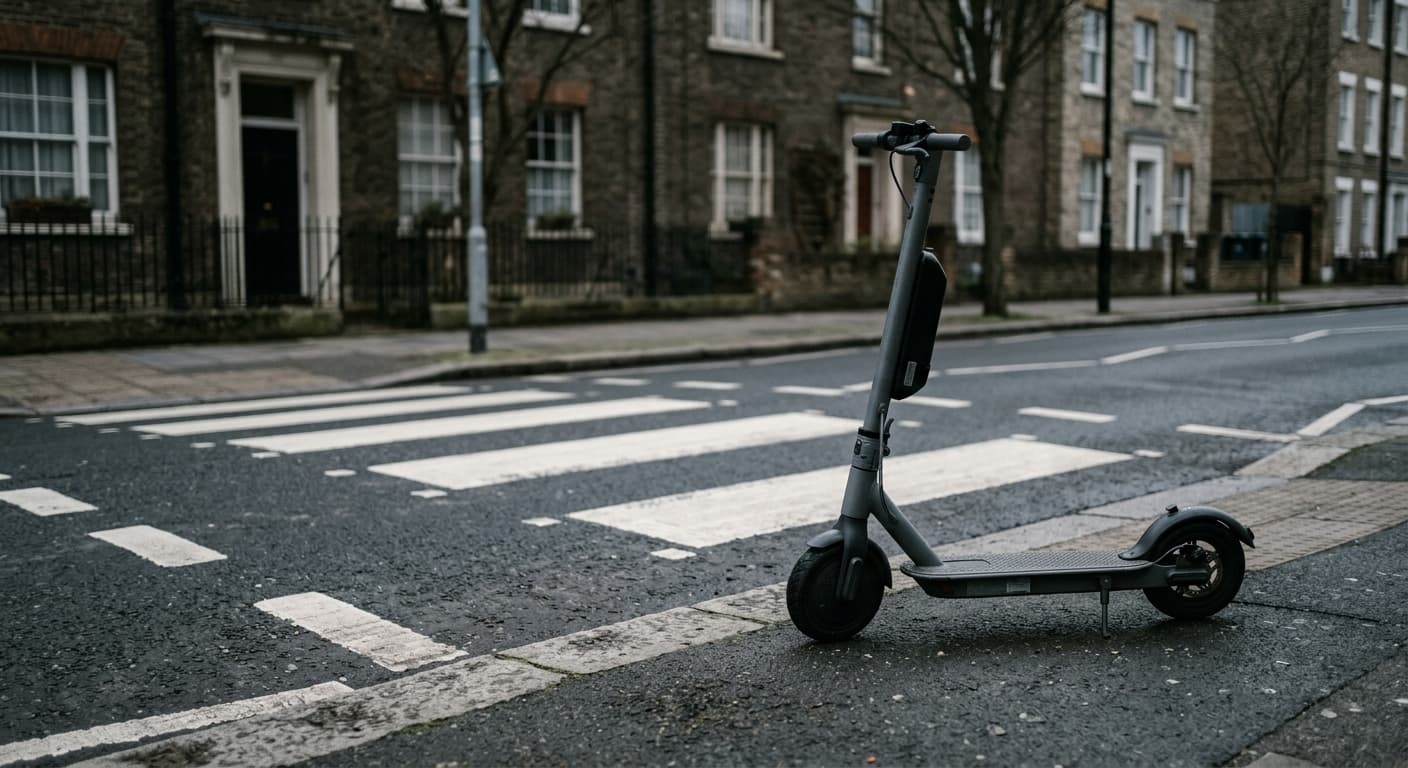
In most of Ontario, riding a privately owned e-scooter on a public road, sidewalk, or trail is legal only where the local municipality has opted into the province's pilot project, and Toronto, the province's largest city, has opted out.
Is Riding an E-Scooter Legal in Ontario?
Ontario regulates privately owned e-scooters through a pilot regulation, O. Reg. 389/19 (Pilot Project, Electric Kick-Scooters), made under the Highway Traffic Act. The regulation deems an e-scooter to not be a motor vehicle (s.1(2)), which is why it does not need a licence plate, driver's licence, or motor vehicle insurance under the Act.
That exemption comes with a catch. Section 1(3) of the regulation says that despite the "not a motor vehicle" deeming, any municipal by-law that governs or prohibits motorized vehicles still applies to an e-scooter unless the by-law says otherwise. Section 3 goes further: riding on a highway, sidewalk, trail, path, walkway, or park is prohibited unless both the provincial pilot and, where the location falls under municipal jurisdiction, a municipal by-law also permit it.
In practice, that means the province sets a ceiling on what a municipality is allowed to permit, but does not itself make riding legal anywhere. A city or town that has not passed its own enabling by-law leaves e-scooters illegal within its borders by default, no matter what the province allows elsewhere. Whether an e-scooter is legal to ride at a given address in Ontario depends first on which municipality that address is in.
Where a municipality has opted in, the regulation still permits riding on roadways and shoulders, except on controlled-access highways such as the 400-series routes and the QEW, and requires use of a bike lane where one exists (s.4-5). One narrow provincial carve-out allows sidewalk use inside a tunnel or underpass with no bike lane, unless a local by-law blocks it.
The Pilot Expires November 27, 2029
O. Reg. 389/19 is not permanent law. It is a time-limited pilot, and it has already been extended once. The original term ran from January 1, 2020 to November 27, 2024. O. Reg. 398/24 extended it a further five years; the regulation's own revocation clause (s.14) now reads that it "is revoked on November 27, 2029."
Anyone relying on this framework, whether as a rider or a municipality building a program around it, should treat that date as a hard checkpoint. The province's own notice proposing the extension described it as carrying forward the existing rules unchanged, but nothing requires it to be extended again, and the regulation lapses automatically if it is not.
What Counts as an E-Scooter
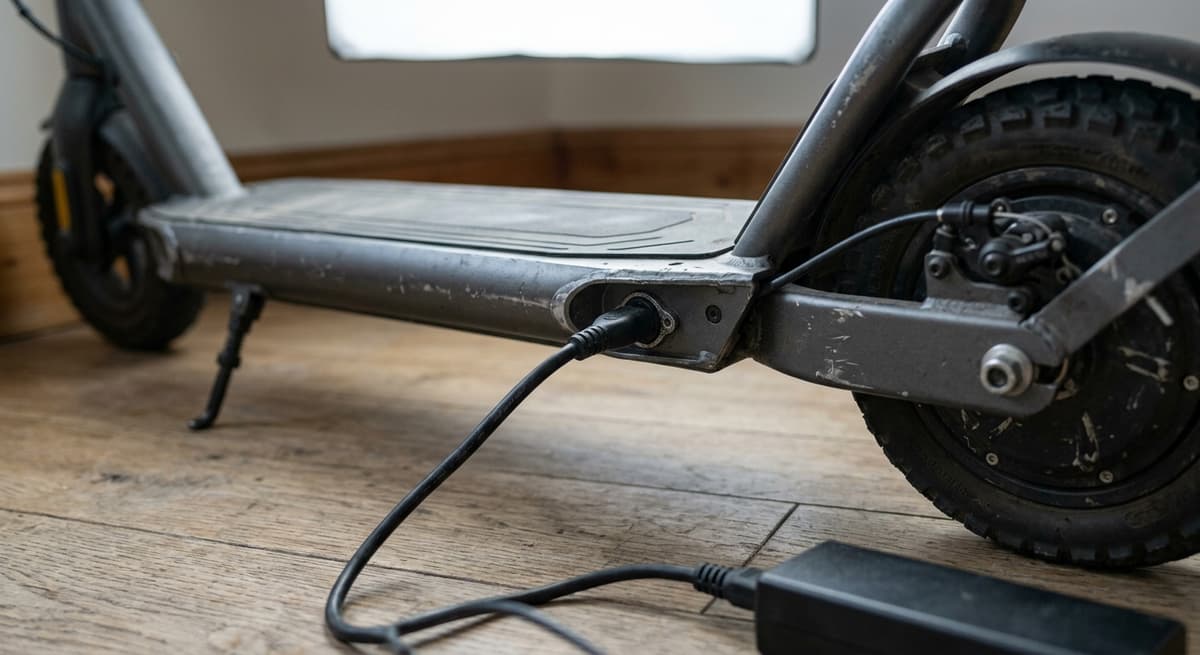
O. Reg. 389/19 defines the device by specification, not by brand or marketing name. To qualify under the pilot, a device must meet all of the following (s.1(1), s.9):
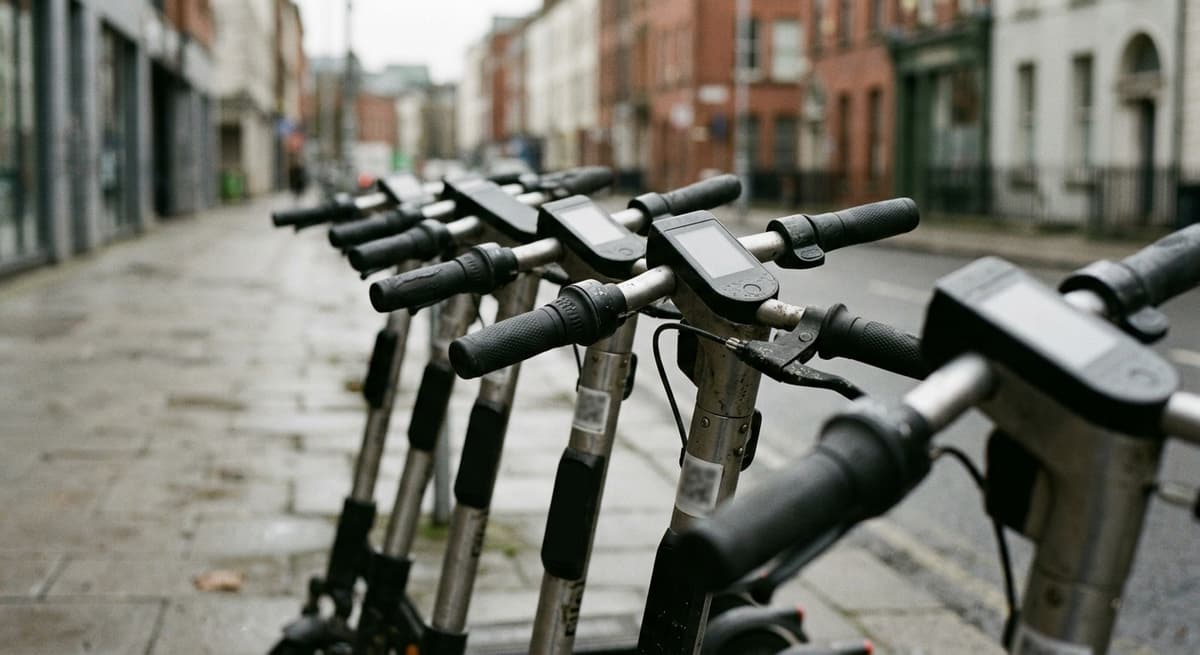
- Motor power: 500 watts maximum
- Speed: 24 km/h maximum on a level surface
- Weight: 45 kg maximum, including the battery, unladen
- Wheel diameter: 430 mm (about 17 inches) maximum
- No seat, and no surface or structure that could be used as a seat
- No pedals, basket, or enclosure
- Battery power only, no other power source
- Braking capable of stopping from 24 km/h within 9 metres on clean, dry, level pavement
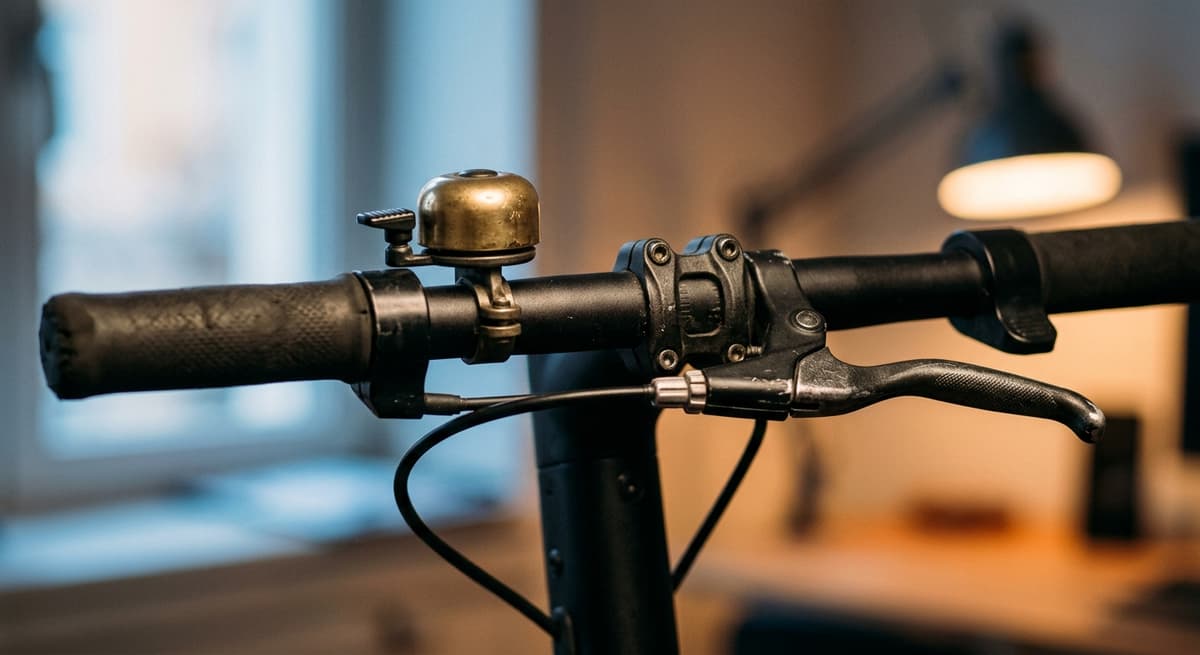
Modifying a device to exceed these limits is itself illegal under the regulation (s.9(6)). Required equipment includes two wheels and working brakes, a bell or horn, a front white or amber light and rear red light for use from 30 minutes before sunset to 30 minutes after sunrise or in low visibility, and side reflective material.
Where You Can Ride: The Province Sets the Ceiling, the Municipality Decides
This is the single most important structural fact about e-scooters in Ontario: the provincial pilot does not, by itself, make riding legal anywhere. It only defines what a municipality is allowed to permit if it chooses to opt in.
A municipality that wants e-scooters legal within its borders has to pass its own by-law addressing where they can and cannot go, on top of the provincial framework. Some municipalities have done this, including Ottawa, Mississauga, Brampton, and Hamilton. Toronto, the country's largest city, has not.
That produces a patchwork: an e-scooter that is legal to ride on one side of a municipal boundary can become illegal to ride the moment its route crosses into a municipality that never opted in, even though the device itself, and the province's underlying rules, have not changed at all.
Rider Rules
- Minimum age: 16 (s.8(1)). Toronto's own materials note the pilot prohibits use by anyone 15 or under, even in municipalities where e-scooters are allowed.
- Helmet: mandatory only for riders under 18 (s.10, applying the Highway Traffic Act's bicycle-helmet standard). There is no helmet requirement for adult riders under the province's rules. This is a meaningful contrast with provinces that require a helmet at every age; Ontario does not.
- Licence: none required to operate an e-scooter. If a rider happens to be carrying a driver's licence, they must produce it on request; otherwise they must give their name, address, and date of birth (s.11).
- Insurance: the regulation does not address e-scooter insurance at all. Ontario's own guidance states that municipalities decide whether insurance is required and what type. None of Ottawa, Hamilton, Brampton, or Mississauga's published materials impose an insurance mandate on personal e-scooter riders.
- Passengers, towing, cargo: no passengers, no towing, no cargo, and the rider must remain standing at all times (s.8).
- Collision reporting: any collision with a pedestrian, animal, or vehicle that causes injury or property damage must be reported to police forthwith (s.12).
Penalties on the Books
Ontario's Ministry of Transportation states directly that violations of the pilot regulation carry a fine of $250 to $2,500. That figure comes straight from the province's own page on e-scooters. The specific Highway Traffic Act section that authorizes that range was not identified in this research; the regulation's own s.6(1) excludes the Act's general parking-ticket provision (s.214(2)) from applying to e-scooters, so the fine flows from some other general penalty mechanism.
Whether demerit points attach to an e-scooter violation is genuinely unresolved. No provincial source confirms or denies it either way. Because an e-scooter needs no driver's licence and is deemed not a motor vehicle, and demerit points under Ontario's points regulation attach to a driver's licence, there is a structural argument that they would not apply, but that is an inference, not a documented rule. Riders should not assume either answer.
There is no e-scooter-specific provincial impoundment power in O. Reg. 389/19. Some municipalities have their own seizure authority under local by-laws (see Ottawa, below).
Enforcement in Practice
The clearest, best-documented enforcement picture in this dossier comes from Toronto, which is also the city where riding is entirely illegal.
Toronto Police Service announced a two-week city-wide micromobility education and enforcement campaign running August 10-24, 2026, covering bicycles, e-bikes, cargo bikes, mopeds, and e-scooters. In that release, TPS stated: "There have been 514 reported micromobility-related collisions in Toronto so far this year, including two fatal collisions involving e-scooters." The campaign targets illegal sidewalk riding, wrong-way riding in cycle tracks, illegal use of cycle tracks by e-mopeds, and illegal parking in bike lanes. TPS restated the underlying rule plainly: e-scooters "are not permitted on public roads, sidewalks, bike lanes, cycle tracks, or trails" in Toronto, even though buying or owning one is legal.
Toronto's own public health and hospital data point the same direction. The Hospital for Sick Children's trauma registry recorded e-scooter injury cases more than doubling, from 46 in 2024 to 107 in 2025, with nearly half of all cases involving children aged 10 to 13, and most seriously injured youth not wearing a helmet. Toronto Public Health separately tracked emergency department visits for e-scooter falls among city residents rising from 423 to 804 between 2022 and 2024, with the highest rate among ages 10 to 19 (2022 figures are partial-year, since e-scooter-specific medical coding began in April 2022).
Outside Toronto, the enforcement record is thinner. No published Ontario Provincial Police release specific to standard kick-style e-scooters was found; the only OPP e-scooter-adjacent material concerns a different product class, enclosed microcar-style mobility scooters that can meet the Highway Traffic Act's motor-vehicle definition. No dedicated coroner review of kick-scooter deaths was located (the province's 2025 e-bike death review covers a different, faster device class). No municipality publishes a ticket-count table that breaks out e-scooter-specific enforcement from combined micromobility numbers, and no published provincial pilot evaluation report was found. Where the record is silent, that silence is stated here rather than filled in.
Consequences That Don't Depend on Getting Caught
Enforcement being uneven, or even rare in a given place, does not change what the law says. A rider stopped tomorrow is charged under the rules as written, not the rules as usually policed, and being widely ridden anyway is not a legal defence.
There are also consequences that never touch a ticket book. Ontario's compulsory automobile insurance framework under the Highway Traffic Act applies to motor vehicles, and O. Reg. 389/19 deems an e-scooter not to be one, so e-scooters sit outside that framework by design. No provincial insurance mandate fills that gap, and it is left to municipal discretion, which none of the opted-in cities researched here has exercised.
Whether riding illegally, for example anywhere in Toronto, would affect a rider's own homeowner's or tenant's liability coverage in a crash, and how fault would be apportioned in a collision between an e-scooter and a vehicle, are both genuinely open questions in Ontario. No primary regulator or court decision addressing either question was found in this research. In practical terms, that means the outcome depends on the specific wording of a rider's own policy and has not been tested in an Ontario court. Anyone relying on insurance to cover an e-scooter incident should confirm that directly with their insurer rather than assume coverage exists.
Impoundment is also a real, non-ticket consequence in municipalities that have adopted it locally; see Ottawa below.
The Municipal Layer
Toronto: Opted Out
Toronto City Council declined to join the provincial pilot in May 2021 and again in May 2024. As the city states on its own page: "It is illegal to ride e-scooters on public roads, sidewalks or trails in Toronto." The city's authority reaches only public-space operation, not retail sale, so buying an e-scooter in Toronto is legal; riding it in any public space in the city is not. Toronto has asked the federal government for stronger manufacturing and import rules on uncertified devices, citing its lack of authority over sale.
Ottawa: Opted In
Ottawa enacted its own Electric Kick Scooter By-law (No. 2020-174) in June 2020, with operation legal from June 29, 2020. In April 2025, Council approved continuing the local pilot for five more years, aligning it with the province's extended 2029 expiry. Personal e-scooters, not just shared rental units, are explicitly covered by the same rules of the road. Riding is permitted on multi-use pathways, cycling facilities, and roads posted 50 km/h or under; prohibited on sidewalks, at transit stations, and on National Capital Commission pathways, which fall under federal jurisdiction. Ottawa sets a local speed cap of 20 km/h, stricter than the province's 24 km/h limit. By-law fines are $150, and by-law officers may impound a device for any infraction. Ottawa's website blocked automated access during this research, so these details come from an archived snapshot of the city's page rather than a live 2026 fetch and are worth confirming directly before relying on them for a specific trip.
Mississauga: Opted In
Mississauga updated its Parks, Traffic, and Transit by-laws in April 2021 to permit e-scooters, after confirming in a December 2020 release that they had been effectively banned until then for lack of an enabling by-law. Riding is permitted on roads posted 50 km/h or under and on cycling infrastructure; prohibited on sidewalks (except a direct crossing), roads over 50 km/h, park trails, transit terminals, and the Mississauga Transitway. Riders must be 16 or older, with a helmet required under 18, one rider at a time, and no towing.
Brampton: Opted In
Brampton launched its E-Scooter Pilot Program in 2023, covering both private and shared devices. Riding is permitted on roads posted 50 km/h or under, bike lanes, multi-use paths, and trails; prohibited on sidewalks and on Brampton Transit buses or racks. Age and helmet rules match the province (16 and up, helmet under 18), and the city imposes no additional device restrictions beyond the provincial specifications. The city reports roughly 440,000 trips and 200,000 users since the program launched.
Hamilton: Opted In
Hamilton approved by-laws for personal (20-269) and commercial (20-270) e-scooter use in December 2020. Riding is permitted on roads posted 50 km/h or under, on roads with cycling facilities regardless of posted speed, and on a short list of named multi-use paths; prohibited on sidewalks, unpaved recreational trails, most park trails unless specifically signed, and controlled-access highways such as the QEW, 403, the Linc, and Red Hill Parkway. E-scooters park like bicycles, except at Hamilton Bike Share docks.
Frequently Asked Questions
Is it legal to ride an e-scooter in Ontario?
It depends entirely on the municipality. Ontario's provincial pilot, O. Reg. 389/19, sets the maximum rules a municipality is allowed to permit, but a municipality must pass its own by-law opting in before e-scooters are legal there at all. Ottawa, Mississauga, Brampton, and Hamilton have opted in; Toronto has not.
Can I ride an e-scooter in Toronto?
No. Toronto City Council has twice declined to join the provincial pilot, in 2021 and again in 2024, so e-scooters cannot legally be ridden on any public road, sidewalk, bike lane, or trail in the city. Buying or owning one in Toronto is legal; riding it in public is not.
When does Ontario's e-scooter pilot expire?
November 27, 2029. The pilot originally ran from 2020 to 2024 and was extended five years by O. Reg. 398/24. It is a time-limited regulation, not permanent law, so this date should be treated as a hard checkpoint.
Do I need to wear a helmet to ride an e-scooter in Ontario?
Only if you are under 18. Ontario's pilot applies the province's bicycle-helmet rule to e-scooter riders under 18; there is no helmet requirement for adult riders under provincial law, though some municipalities recommend one for all ages.
Do I need insurance to ride an e-scooter in Ontario?
The provincial regulation does not address e-scooter insurance at all, and none of the opted-in municipalities researched for this page require it. Whether a personal liability policy would actually respond to an e-scooter incident depends on that policy's own wording and has not been tested in an Ontario court.
What happens if I ride illegally, for example in Toronto, and get caught?
You can be fined between $250 and $2,500 under the pilot regulation, and enforcement is active. Toronto Police ran a dedicated micromobility enforcement campaign in August 2026 after reporting 514 micromobility-related collisions citywide that year, including two e-scooter fatalities.
Do e-scooter violations add demerit points to my driving record in Ontario?
This is unresolved. No provincial source confirms or rules it out either way. Because e-scooters need no licence and are deemed not a motor vehicle, there is a structural argument that points would not apply, but that has not been confirmed, so riders should not assume either answer.
Updates
Independently fact-checked against the cited primary sources
Sources and References
- O. Reg. 389/19, Pilot Project, Electric Kick-Scooters, under the Highway Traffic Act(ontario.ca).gov
- Ontario Ministry of Transportation, Electric kick-style scooters (e-scooters)(ontario.ca).gov
- City of Toronto, Electric Kick-Scooters (E-Scooters)(toronto.ca).gov
- Toronto Police Service, city-wide micromobility education and enforcement campaign(tps.ca).gov
- City of Brampton, E-Scooter Pilot Program(brampton.ca).gov
- City of Hamilton, Personal Use Electric Kick Scooter Pilot Program(hamilton.ca).gov