
Canada
Driving Without Insurance in Ontario: The Penalties Under the Compulsory Automobile Insurance Act
Independently fact-checked against primary sources (last audited September 24, 2026). · 4 primary sources cited on this page. How we verify our legal content
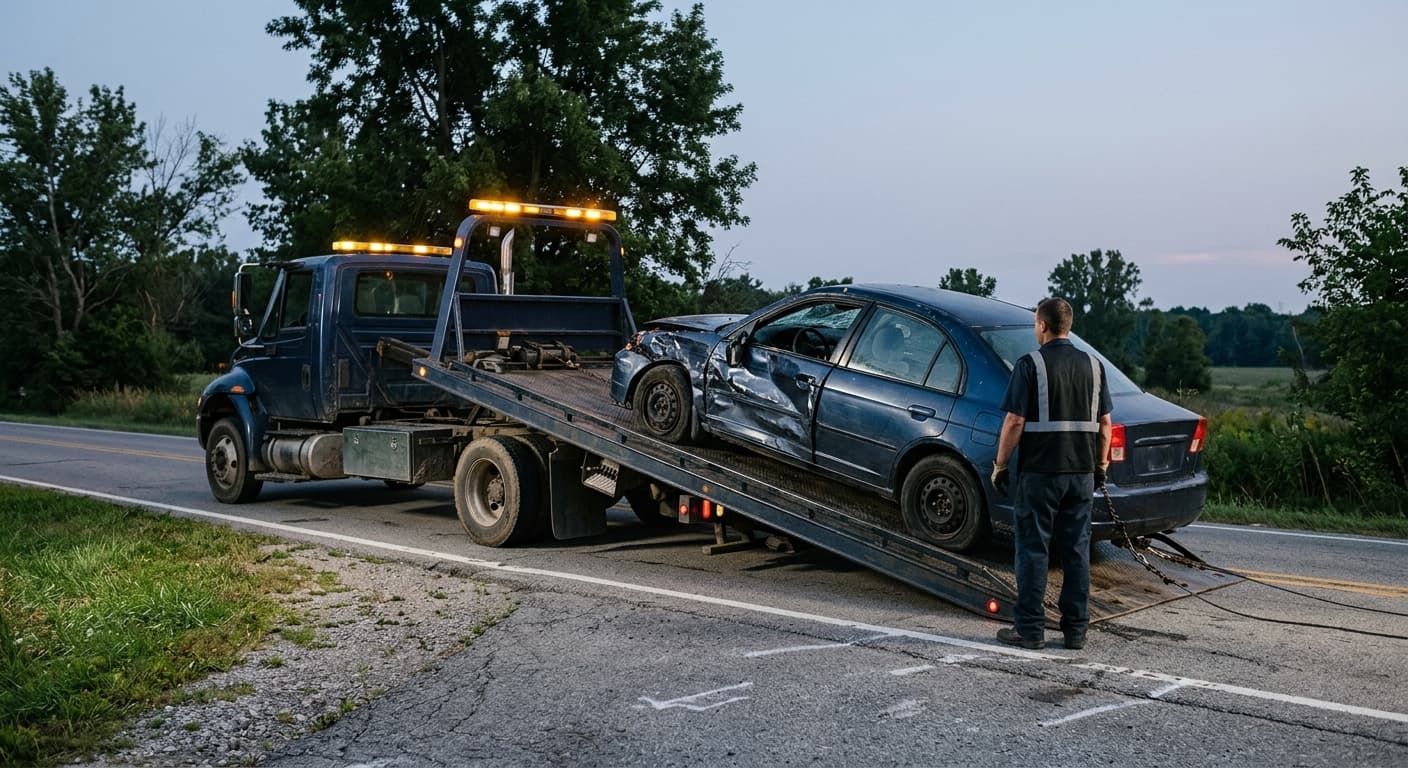
Ontario law separates two different offences that get confused with each other: an owner or lessee who drives, or lets someone drive, a genuinely uninsured motor vehicle faces a fine of $5,000 to $50,000 depending on whether it is a first or later conviction, while simply not having your insurance card in the vehicle when a police officer asks for it is a much smaller offence, a fine of not more than $400.
Information last verified on 2026-09-24. This article has not yet been reviewed by a licensed lawyer.
This article covers the compulsory-insurance offence provisions in Ontario's Compulsory Automobile Insurance Act, R.S.O. 1990, c. C.25. It does not cover Statutory Accident Benefits or the tort threshold for suing after a collision; see Ontario Accident Benefits and Suing After a Car Accident in Ontario for those topics.
The Basic Requirement
The Compulsory Automobile Insurance Act sets out the underlying rule plainly. Section 2(1) states:
"Subject to the regulations, no owner or lessee of a motor vehicle shall, (a) operate the motor vehicle; or (b) cause or permit the motor vehicle to be operated, on a highway unless the motor vehicle is insured under a contract of automobile insurance." (Compulsory Automobile Insurance Act, R.S.O. 1990, c. C.25, s.2(1))
This duty falls on the owner or lessee, and it applies both to operating the vehicle personally and to permitting someone else to operate it.
The Genuinely-Uninsured Offence: Fine Range
Section 2(3) creates the offence for an owner or lessee who actually operates, or permits the operation of, an uninsured vehicle, and it also covers an owner or lessee who hands over an insurance card claiming the vehicle is insured when it is not. The statute states:

"Every owner or lessee of a motor vehicle who ... contravenes subsection (1) of this section ... or surrenders an insurance card for inspection to a police officer, when requested to do so, purporting to show that the motor vehicle is insured under a contract of automobile insurance when the motor vehicle is not so insured, is guilty of an offence and is liable on a first conviction to a fine of not less than $5,000 and not more than $25,000 and on a subsequent conviction to a fine of not less than $10,000 and not more than $50,000 and, in addition, his or her driver's licence may be suspended for a period of not more than one year." (s.2(3))
The licence suspension of up to one year is discretionary, added "in addition" at the justice's decision, not a fixed consequence of every conviction.
Impoundment Is Discretionary, Not Automatic
Section 2(7) allows, but does not require, the vehicle itself to be impounded following a s.2(3) conviction:
"In the event of a conviction under subsection (3), the justice may order that the motor vehicle ... shall be seized, impounded and taken into the custody of the law for a period of not more than three months." (s.2(7))
The word "may" matters. Impoundment is a sentencing option the justice can order after a conviction, capped at three months, not an automatic consequence that attaches the moment a driver is caught uninsured. Under s.2(8), storage costs during any impoundment become a lien on the vehicle, enforceable in the manner provided by the Repair and Storage Liens Act.
Not the Same Offence: Failing to Carry or Produce Your Insurance Card
A separate, much smaller offence covers a different situation entirely: a driver who is actually insured but does not have the insurance card in the vehicle, or refuses to produce it on request. Section 3(1) requires:

"An operator of a motor vehicle on a highway shall have in the motor vehicle at all times, (a) an insurance card for the motor vehicle; or (b) an insurance card evidencing that the operator is insured under a contract of automobile insurance, and the operator shall surrender the insurance card for reasonable inspection upon the demand of a police officer." (s.3(1))
The Financial Services Regulatory Authority of Ontario (FSRA) notes that this proof of insurance is sometimes called a "pink card" or "pink slip," and that insurers are responsible for providing it. The penalty for not carrying or producing it is far lower than for genuinely driving uninsured:
"A person who contravenes this section is guilty of an offence and on conviction is liable to a fine of not more than $400." (s.3(3))
The two offences answer different questions. Section 2(3) asks whether the vehicle was actually insured. Section 3(3) asks only whether the driver had, and produced, proof of that insurance on request. A driver who is insured but left the card at home faces the s.3(3) fine, not the much larger s.2(3) range; a driver whose vehicle is not insured at all faces the s.2(3) range regardless of what card they do or do not have in hand.
Time Limit for Prosecution
Section 2(10) sets a three-year limitation period for the genuinely-uninsured offence:

"Proceedings may be commenced at any time within three years after the date on which an offence was, or is alleged to have been, committed under subsection (1) or clause (3) (b) or subsection 13 (11)." (s.2(10))
For the separate driving offences that can follow a collision, see Careless Driving vs. Dangerous Driving in Canada, and see the Canada car accident claims hub for how other provinces handle uninsured driving.
Disclaimer: This article provides general information about the compulsory-insurance offence provisions of the Compulsory Automobile Insurance Act, R.S.O. 1990, c. C.25, current as of September 2026. It is not legal advice. Sentencing outcomes, including licence suspension and vehicle impoundment, depend on the facts of each case and the decision of the presiding justice. Consult a lawyer licensed in Ontario for advice on your specific situation.
Frequently Asked Questions
What is the fine for driving without insurance in Ontario?
Under the Compulsory Automobile Insurance Act s.2(3), an owner or lessee who drives, or lets someone drive, an uninsured vehicle faces, on a first conviction, a fine of not less than $5,000 and not more than $25,000, and a subsequent conviction carries a fine of not less than $10,000 and not more than $50,000. A driver's licence suspension of up to one year may also be ordered, though it is not automatic.
Can Ontario impound my vehicle for driving without insurance?
Yes, but it is discretionary, not automatic. Under s.2(7), following a conviction, a justice may order the vehicle seized and impounded for up to three months. Whether this happens depends on the justice's decision at sentencing, not on the conviction alone.
Is forgetting my insurance card at home the same offence as driving uninsured?
No. Not carrying or producing your insurance card is a separate offence under s.3(1) and s.3(3), with a fine of not more than $400. This applies even if the vehicle is actually insured. An owner or lessee driving, or permitting the driving of, an uninsured vehicle commits the much more serious offence under s.2(3), with a fine of $5,000 to $50,000 depending on prior convictions.
How long does the government have to prosecute an uninsured-driving offence in Ontario?
Section 2(10) sets a three-year limitation period, running from the date the offence was, or is alleged to have been, committed.
Updates
Independently fact-checked against the cited primary sources
Sources and References
- Compulsory Automobile Insurance Act, R.S.O. 1990, c. C.25, s.2 (compulsory insurance requirement, offence, fine range, impoundment, limitation period)(ontario.ca).gov
- Compulsory Automobile Insurance Act, R.S.O. 1990, c. C.25, s.3 (duty to carry and produce insurance card, offence)(ontario.ca).gov
- Repair and Storage Liens Act, R.S.O. 1990, c. R.25 (enforcement of the storage-cost lien created by CAIA s.2(8)), Ontario e-Laws(ontario.ca).gov
- It's the law: what you need to know, Financial Services Regulatory Authority of Ontario (proof of auto insurance, pink card)(fsrao.ca).gov