
Saskatchewan
Saskatchewan SGI Injury Claims: No Fault vs. Tort Coverage After a Car Accident
Independently fact-checked against primary sources (last audited September 24, 2026). · 5 primary sources cited on this page. How we verify our legal content
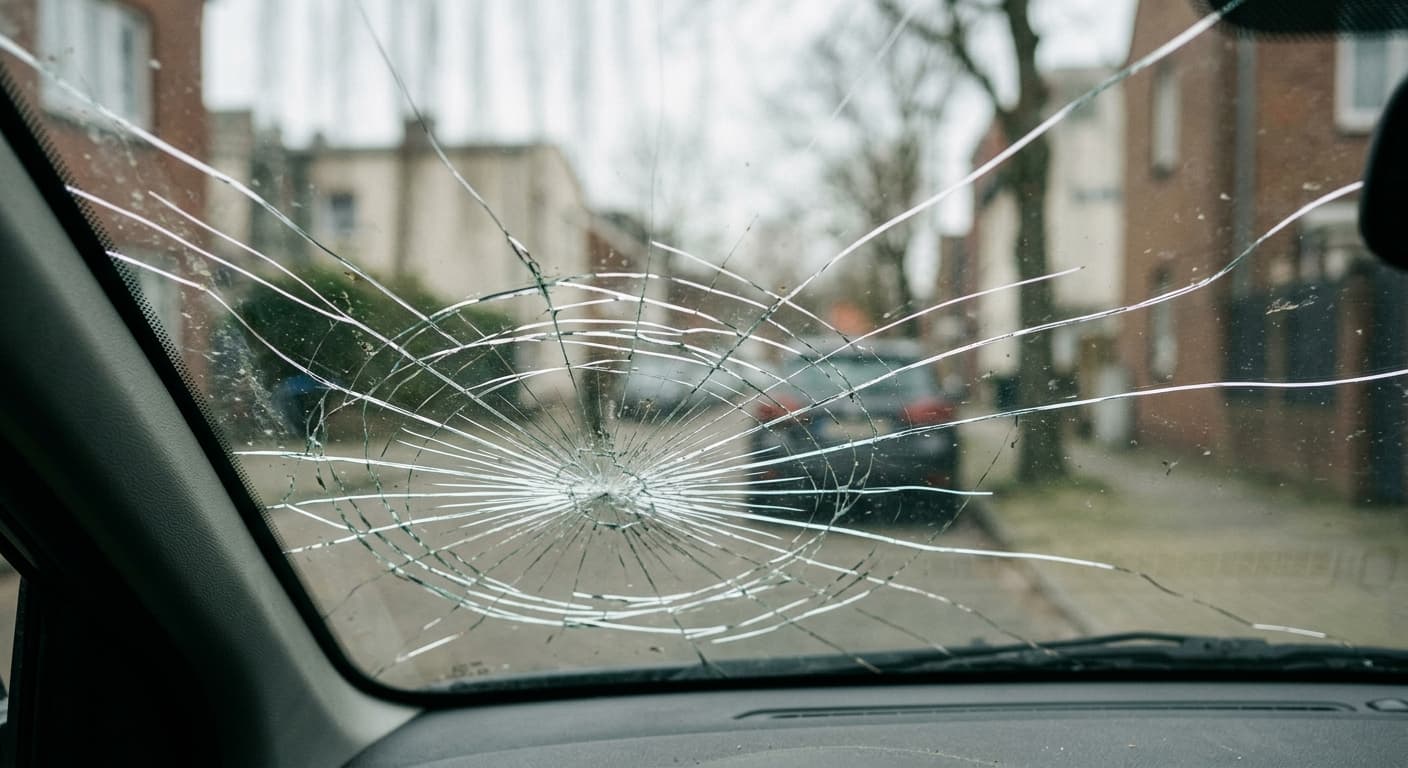
Saskatchewan is the only Canadian province where a driver chooses between two equally priced coverages, No Fault and Tort, and that choice, not a single province-wide rule, decides whether an injured person can sue for pain and suffering after a crash.
Information last verified on 2026-09-24. This article has not yet been reviewed by a licensed lawyer.
This article covers motor vehicle accident benefits and the right to sue in Saskatchewan under The Automobile Accident Insurance Act, RSS 1978, c A-35, and the annual benefit guides published by SGI Auto Fund under that Act. It does not cover any other province's insurance model; for a side-by-side comparison of every Canadian province and territory, see Car Accident Claims and Auto Insurance Across Canada.
No Fault or Tort: The Choice That Decides Whether You Can Sue
Saskatchewan does not assign every driver to the same system. Every Saskatchewan resident chooses between two coverages, priced identically, and the choice decides how a pain-and-suffering claim after a crash is handled. SGI states the choice directly.
"In Saskatchewan, all residents can choose the auto injury insurance coverage that's best for them." (SGI, 2026 Guide to Choosing Personal Auto Injury Insurance)
The same guide says the choice is between No Fault Coverage and Tort Coverage, and that "Both Tort and No Fault are quality insurance products and are equally priced."
No Fault Coverage is the default. A driver who wants Tort Coverage instead must file a declaration electing it.
SGI's guide sets out how switching works. You can change coverage as often as you like, and "There's no charge to change your auto injury insurance coverage." To switch, "File a signed declaration form with any SGI motor licence issuer or send your completed and signed declaration form to SGI." The coverage you have at the time of a collision is the coverage you receive, and "It isn't possible to choose the coverage you want after you've been injured." Because the two coverages work so differently for a pain-and-suffering claim, the first step after a Saskatchewan crash is confirming which coverage the driver actually has, not assuming one applies.
No Fault Coverage: What You Can and Cannot Sue For
Under No Fault Coverage, the general rule is that a claimant cannot sue for pain and suffering, except in very limited circumstances. That is not the same as having no right to sue at all. A No Fault claimant retains the right to sue for expenses in excess of their package of benefits, including income loss above the benefit maximum described below, and SGI's No Fault guide lists limited cases where a pain-and-suffering suit is allowed: against a responsible driver convicted of impaired driving, of an offence for being criminally negligent, or of using a vehicle to deliberately harm the injured person; against the estate of a responsible driver who died while impaired; and against certain institutional third parties such as vehicle manufacturers, repairers, parts suppliers and licensed drinking establishments.

2026 Benefit Amounts
SGI states plainly that these payments increase each year in keeping with the Consumer Price Index, so the figures below are the 2026 amounts, not fixed statutory numbers.
Income replacement.
"The income benefit is based on the net income you were earning before the collision and covers 90 per cent of that net income." (SGI, Your Guide to No Fault Coverage 2026)
That 90% figure is capped at maximum insurable gross earnings of $119,692 per year. A non-earner or post-secondary student unable to return to work is assessed against the industrial average wage of $64,739 per year instead.
Caregiver benefit. A full caregiver benefit of up to $1,073 per week, or a reduced caregiver benefit of up to $541 per week.
Loss-of-studies benefit for students. Up to $6,837 per year for an elementary student, $12,703 per year for a secondary student, and $25,406 per year for a post-secondary student.
Medical and rehabilitation costs. Up to $8,524,604 in aggregate, a ceiling high enough to cover essentially any realistic claim.
Permanent impairment. Up to $298,360 for a catastrophic injury, or up to $244,287 for other permanent injuries.
Lump-sum pension benefit. A claimant who has been on a full income benefit for 24 or more consecutive months receives a lump sum equal to 10% of total income benefits paid, payable at the conclusion of the income benefit or at age 65.
Death Benefits (2026)
SGI publishes a separate support guide for fatality claims, with its own 2026 figures. The funeral payment is up to $12,784, and grief counselling is up to $6,255. The minimum lump sum for a spouse or dependants is $87,944.
SGI's 2026 Support Guide for No Fault Fatality Claims lists the spouse and dependants minimum of $87,944 and maximum insurable earnings of $119,692, the same earnings ceiling as the No Fault guide.
Additional-dependant weekly minimums are $37 for one dependant, $72 for two, $83 for three, and $95 for four or more, per week, and a spouse education benefit is available up to $58,628.
Use the Current Year's Figures
SGI benefit amounts are indexed every year, so use the current year's SGI guide for any dollar figure rather than an older SGI document.
Tort Coverage: Suing With a Deductible
A driver who elects Tort Coverage keeps the right to sue the at-fault driver for damages, including pain and suffering, but that right comes with a deductible and a coverage floor that apply regardless of the lawsuit's outcome.
The pain-and-suffering deductible.
"Settlements for pain and suffering are subject to a $5,000 deductible... the settlement you receive is simply reduced by $5,000 before it's paid to you." (SGI, Your Guide to Tort Coverage 2026)
Basic accident benefits still apply. Tort Coverage includes its own basic accident-benefits package that pays regardless of fault, including a weekly disability benefit. SGI's 2026 Tort guide sets the weekly amount by work status and how disabled the person is. A person who is totally disabled receives $614 per week up to two years, if they were employed, a homemaker, or unemployed but had worked six months or more in the year before the collision. A person who is partially disabled in those groups receives $307 per week up to two years. Someone who had worked less than six months in the prior year receives up to $307 per week if totally disabled and up to $154 per week if partially disabled. An employed person who is totally disabled and unable to return to any job receives $614 per week for life.
Mandatory minimum liability coverage. Every Saskatchewan licence plate bundles third-party liability coverage.
"Saskatchewan's licence plate insurance includes $200,000 liability coverage. Every registered [vehicle]... means that if you're sued, SGI pays the first $200,000." (SGI, Your Guide to Tort Coverage 2026)
Claim and Lawsuit Deadlines
Both SGI guides state the same deadline for starting a lawsuit.

"If you wish to sue the responsible party (or parties), you must start a legal action within two years of the date of the collision. In the case of a minor, the legal action must be started within two years after the minor reaches age 18, which is the age of majority in Saskatchewan." (SGI, Your Guide to Tort Coverage 2026)
Benefit claims have their own deadline, which is also two years. Both guides say "You have two years from the date of your collision to file an injury claim," and the No Fault guide adds that "Claims must be filed within two years of the date of the collision." A No Fault claimant who falls within one of the limited cases that allow a lawsuit must start it "within two years of the date of the collision or conviction."
Disputing a Decision: Review, Mediation, and the Automobile Injury Appeal Commission
A claimant who disagrees with an SGI decision does not go straight to court. SGI's own guide sets out the path and the effect of each stage.
"If you choose the Automobile Injury Appeal Commission... decisions made by the Automobile Injury Appeal Commission and the Court of King's Bench are binding for both you and SGI. Only when there's a question of law can you appeal the decision to the Saskatchewan Court of Appeal." (SGI, Your Guide to No Fault Coverage 2026)
The path starts with SGI itself: make sure your Personal Injury Representative has the facts, then ask for their supervisor to call you. If that does not resolve it, mediation is optional. SGI's guide says "You can either choose to attend mediation or go directly to either the Automobile Injury Appeal Commission or to the Court of King's Bench," and you must choose one of those two forums, not both. Once either forum decides, that decision binds both the claimant and SGI, and the only further appeal available goes to the Saskatchewan Court of Appeal, and only on a question of law, not simply because a claimant disagrees with the outcome on the facts.
Uninsured or Unregistered Driving
Saskatchewan bundles basic injury and liability coverage into vehicle registration through SGI, so a bare uninsured-driving problem in Saskatchewan is generally a registration or Traffic Safety Act matter rather than a claim under The Automobile Accident Insurance Act itself. The Act does confirm a general offence provision for any contravention of the Act or its regulations that is not otherwise specifically addressed.

"Every person who contravenes any provision of this Act or the regulations is guilty of an offence and liable on summary conviction to a fine of not more than $1,000." (The Automobile Accident Insurance Act, RSS 1978, c A-35, s.86.2)
A narrower provision addresses failing to furnish a required report or statement, with a fine not exceeding $50 under section 74 of the same Act. The specific fine range and any impoundment authority under Saskatchewan's Traffic Safety Act for driving an unregistered or uninsured vehicle, as opposed to this general offence provision, was not fetched in this research. A circulating commercial figure of a $580 minimum fine could not be traced to a primary government source and should be treated as unverified rather than repeated as fact.
Disclaimer: This article provides general information about Saskatchewan's No Fault and Tort auto injury coverage choice under The Automobile Accident Insurance Act, RSS 1978, c A-35, and SGI's 2026 benefit guides, current as of September 2026. It is not legal advice. The specific fine range and impoundment authority for uninsured or unregistered driving under Saskatchewan's Traffic Safety Act was not independently confirmed and is flagged as open rather than stated as fact. Consult SGI directly or a lawyer licensed in Saskatchewan for advice on your specific situation.
Frequently Asked Questions
Can I sue after a car accident in Saskatchewan?
It depends on which coverage you have. Under No Fault Coverage, the default, you generally cannot sue for pain and suffering, but you can sue for expenses that exceed your benefit package, including income loss above the benefit maximum. Under Tort Coverage, which you must elect by declaration, you keep the right to sue for pain and suffering, subject to a $5,000 deductible.
How do I know if I have No Fault or Tort Coverage in Saskatchewan?
No Fault Coverage is the default for every Saskatchewan resident. You only have Tort Coverage if you filed a declaration electing it with SGI. If you are not sure which one you have, confirm directly with SGI before assuming either applies.
What is the current spousal death benefit under No Fault Coverage?
The 2026 minimum is $87,944, from SGI's 2026 fatality claims guide. Payments increase each year with the Consumer Price Index, so always use the current year's guide for a dollar figure.
How much does income replacement pay under No Fault Coverage in Saskatchewan?
90 percent of the net income you were earning before the collision, up to maximum insurable gross earnings of $119,692 per year for 2026. A non-earner or post-secondary student unable to return to work is assessed against the industrial average wage of $64,739 per year instead.
What is the $5,000 deductible under Tort Coverage?
If you have Tort Coverage and settle a claim for pain and suffering, SGI's Tort guide states that the settlement is reduced by $5,000 before it is paid to you. This deductible applies on top of the two-year deadline for starting a lawsuit.
How do I dispute an SGI decision on my claim?
Start with SGI: your Personal Injury Representative, then their supervisor. After that you can attend optional mediation or go directly to either the Automobile Injury Appeal Commission or the Court of King's Bench, but not both. Either body's decision binds both you and SGI, and a further appeal to the Saskatchewan Court of Appeal is available only on a question of law.
Updates
Independently fact-checked against the cited primary sources
Sources and References
- The Automobile Accident Insurance Act, RSS 1978, c A-35 (Saskatchewan Publications Centre, office consolidation)(publications.saskatchewan.ca).gov
- SGI, Your Guide to No Fault Coverage 2026, Personal Auto Injury Insurance(sgi.sk.ca).gov
- SGI, Your Guide to Tort Coverage 2026, Personal Auto Injury Insurance(sgi.sk.ca).gov
- SGI, Support Guide: Understanding No Fault Fatality Claims 2026(sgi.sk.ca).gov
- SGI, 2026 Guide to Choosing Personal Auto Injury Insurance(sgi.sk.ca).gov