Nova Scotia
Nova Scotia E-Scooter Laws: Age, Helmet, and Where You Can Ride
Independently fact-checked against primary sources (last audited August 14, 2026). · 4 primary sources cited on this page. How we verify our legal content
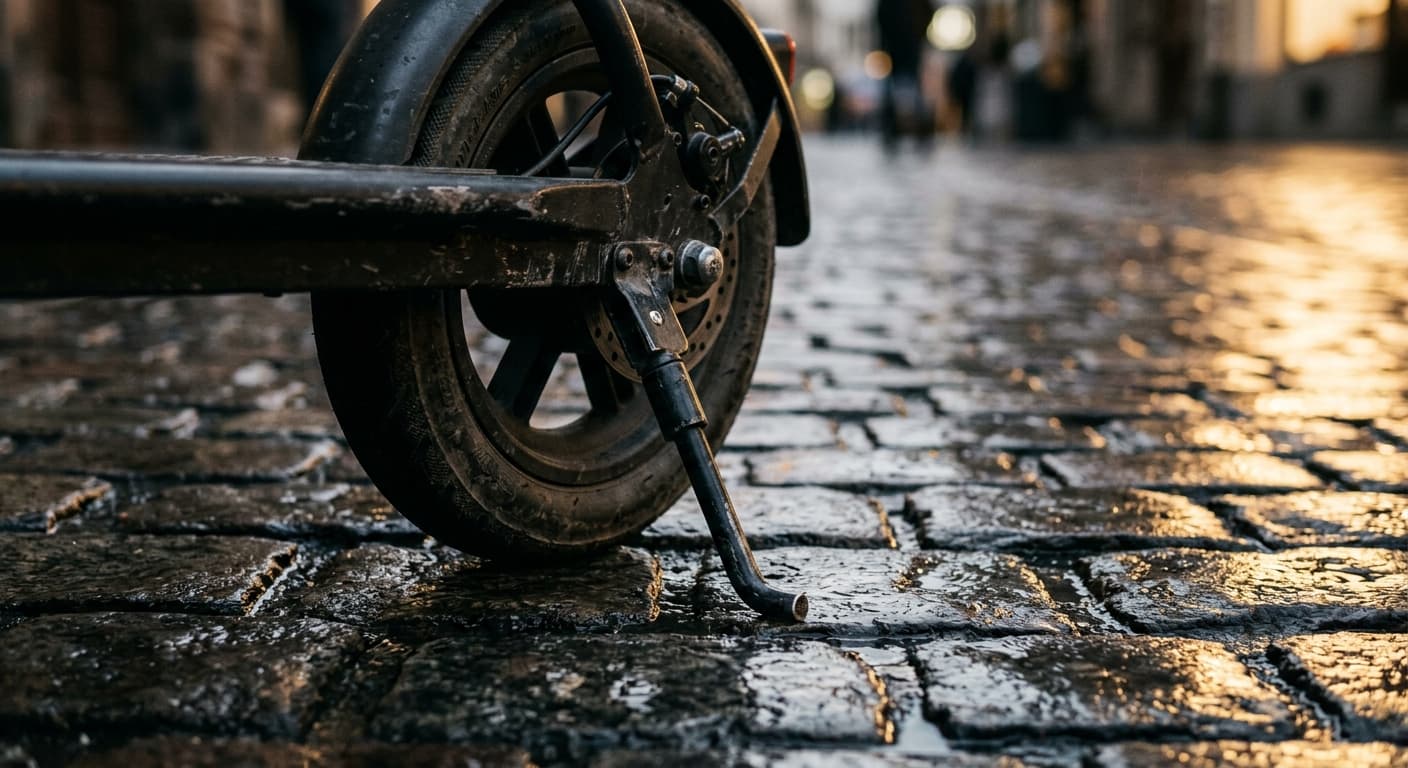
Nova Scotia allows e-scooters under a standing provision of the Motor Vehicle Act, not a temporary pilot, and the rules differ sharply between the province's general roads and the City of Halifax.
Is riding an e-scooter legal in Nova Scotia
Yes. Nova Scotia permits private e-scooter use under the Motor Vehicle Act, RSNS 1989, c. 293, following an amendment passed as Bill 134 in the spring of 2022 and enacted as 2022, c. 21. Unlike some other provinces, Nova Scotia chose to write the rules directly into the Act's own text rather than issue a stand-alone regulation.
That choice also answers the pilot question. The current consolidation of the Act carries no sunset clause and no "not proclaimed in force" notation on these sections, a flag the consolidator does attach to other provisions elsewhere in the Act (for example section 2(cc)). The absence of that flag here is meaningful: this is a permanent legal framework, not a time-limited trial that will expire or need renewal.
What counts as an e-scooter under the Act
Section 2(mb) sets out the specifications that put a device into this class: two wheels on the same axis with a steerable front wheel and a fixed rear wheel, wheels between 185mm and 430mm in diameter, a standing platform, a direct-action handlebar, an electric motor of 500 watts or less, and a maximum speed of 32 km/h.
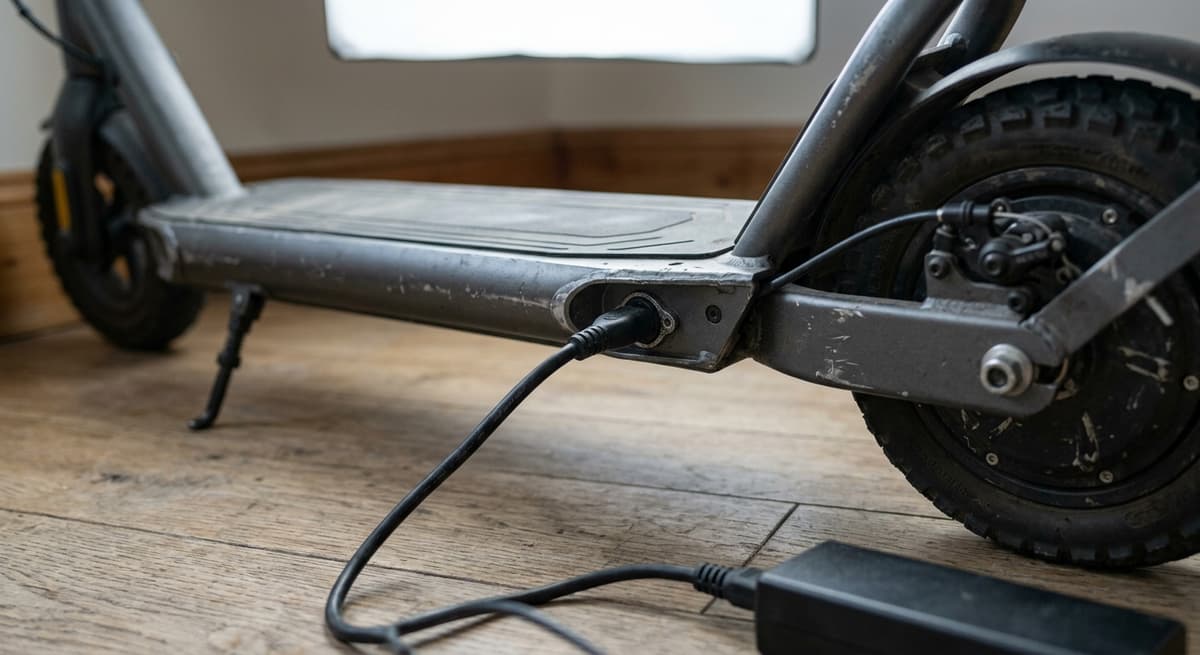
Section 2(ad) then excludes a device meeting that definition from the Act's definition of "motor vehicle." That single exclusion is why an e-scooter in Nova Scotia does not need a driver's licence, vehicle registration, insurance, or a number plate under the Act's normal vehicle-licensing rules.
Where you can ride
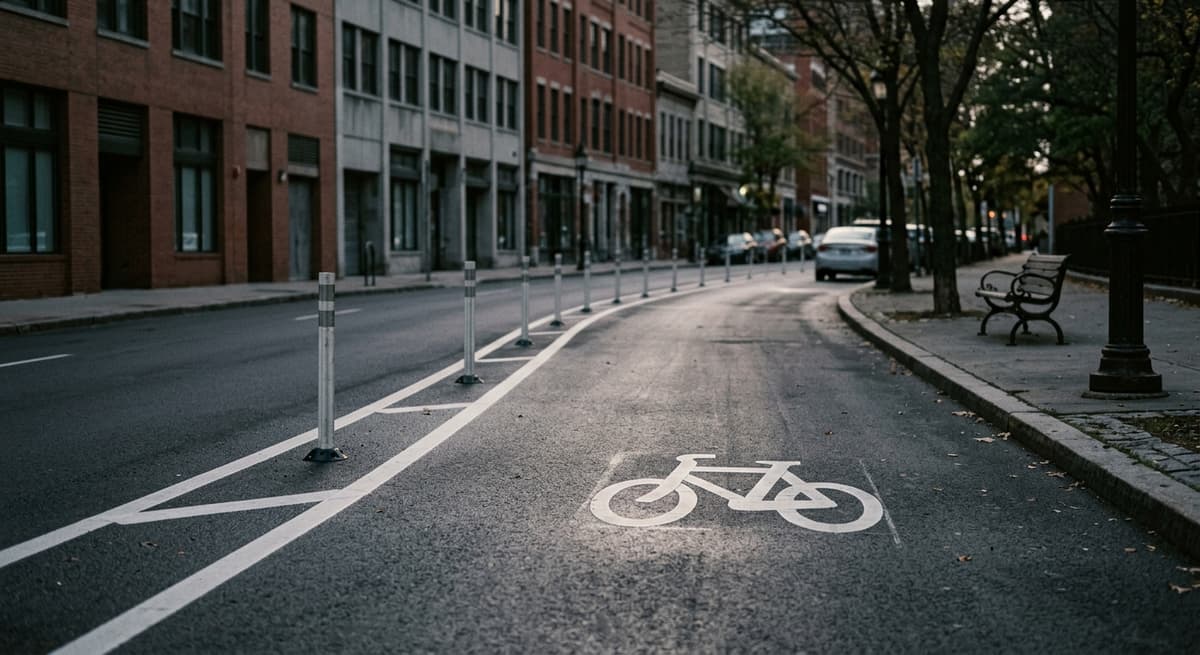
Riders must use a bike lane wherever one exists; where there is none, they must ride as far to the right as practicable (s.172C(2)-(3)), travelling in the same direction as traffic and single file (s.172C(4)-(5)). Provincial highways are prohibited outright (s.172E(a)), as is any location a municipal bylaw or posted signage forbids, or private property where the owner objects (s.172E). The speed limit is whichever is lower: 32 km/h or the posted municipal speed limit (s.106(4)).
On sidewalks, the picture is less settled at the provincial level than it might appear. The e-scooter sections of the Act reviewed for this article do not contain a clearly stated, blanket sidewalk ban written specifically for e-scooters. What is established is Nova Scotia's general prohibition on driving a vehicle on a sidewalk (s.164), plus a hard sidewalk ban that the City of Halifax has written into its own municipal bylaw (covered below). Readers in Halifax specifically are covered by that municipal ban; a province-wide statutory sidewalk ban written into the e-scooter provisions themselves was not confirmed.
Rider rules: age, helmet, ID, equipment
- Minimum age is 14 (s.69(5)), the lowest minimum age in Atlantic Canada. Both a parent or guardian and the scooter's owner are separately prohibited from knowingly permitting a rider under 14 to operate one (ss.69(6)-(7)).
- Helmets are mandatory for every rider, with no upper age exemption (s.170A).
- No driver's licence is required, but a rider must carry identification and provide their name, address, and date of birth to a peace officer on request (s.85B(3)). While on the roadway, a rider is treated as a "cyclist" for the purposes of the road rules (s.85B(1)).
- One rider only: no towing another person or object, and the rider must stand while operating the scooter (s.172D(1)-(3)).
- Equipment: dual independent brakes, an emergency electrical cutoff, an insulated and securely fastened battery, and a working headlamp and rear lamp (s.172D(4)); a bell or horn (s.183(5B)); and lights in use from half an hour after sunset to half an hour before sunrise (s.174(6)).
Penalties on the books
Most of the operating offences under these sections, covering sections 172C, 172D, 172E, 170A, 189A, and 183, fall under Category A of the Act's penalty section (s.292). The dollar amount attached to a Category A fine is set out in the Summary Proceedings Act's penalty schedule, a separate document that was not reviewed for this article, so a specific figure is not published here. Whether a conviction adds demerit points to a driving record is also unconfirmed. Riders should not assume either question is resolved by anything stated on this page.
Enforcement in practice
No published data on ticket counts or prosecutions for Nova Scotia's e-scooter law was found for this article, after searching the Halifax Regional Police media room, RCMP Nova Scotia's release archive, and Nova Scotia's summary-offence court listings. The only news coverage located was a CTV Atlantic headline from July 28, 2026, reminding e-scooter riders to know the rules of the road; the article's body text could not be retrieved, so its specific content cannot be summarized here.
For context, Nova Scotia is separately reported to be moving toward a rule, said to take effect in fall 2026, that would bar riders under 14 from e-bikes specifically, described in that reporting as mirroring the province's 2022 e-scooter age rule. That reporting could not be independently confirmed against a primary government source for this article and should be read as a signal that the province treats its under-14 e-scooter threshold as settled, rather than as a confirmed new rule in itself.
Being widely ridden does not make it risk-free
Even where enforcement data is thin, riding outside the rules carries consequences that do not depend on ever being stopped by police. An e-scooter collision can still expose a rider to civil liability for someone else's injuries or property damage, and because e-scooters are excluded from the Act's compulsory motor-vehicle insurance requirements, there is no auto policy standing behind that exposure. Whether an ordinary homeowner's or tenant's liability policy would respond to, or specifically exclude, an e-scooter incident is a question for a rider's own insurer, not something this article can answer. No general provincial impoundment power specific to e-scooters was documented in this research; within Halifax, the city reserves impoundment under its own bylaw (below). None of this depends on how often police are actually ticketing riders: a rider stopped tomorrow is judged against the law as written, and a rule going largely unenforced is not a legal defence to it.
The Halifax layer: stricter rules inside the city
Halifax's own By-law M-300 (the Micromobility By-law), in effect since July 15, 2023, adds a second, stricter layer of rules for anyone riding inside the municipality. Because Halifax's own web materials sit behind bot-detection software, the details below are drawn from the city's published summaries of the bylaw rather than a direct reading of the bylaw's raw legal text, and should be read with that caveat.
Within Halifax, e-scooters are permitted on roads posted at 50 km/h or under, in bike lanes, and on a list of designated multi-use paths. Speed is capped at 25 km/h on roadways and bike lanes, and 15 km/h on multi-use paths, both lower than the province-wide 32 km/h maximum. Sidewalks and parks are banned outright within the city (the Parks and Recreation Executive Director can designate specific exceptions in parks). Abandoning a scooter is prohibited. The bylaw sets a minimum fine of $50, and Halifax reserves the right to impound a scooter.
Frequently Asked Questions
Is Nova Scotia's e-scooter law a temporary pilot program?
No. Nova Scotia amended its Motor Vehicle Act directly in 2022 (2022, c. 21) rather than adopting a time-limited regulation, and the current text carries no sunset date. This is a standing legal framework.
What is the minimum age to ride an e-scooter in Nova Scotia?
14, the lowest minimum age among the Atlantic provinces that regulate e-scooters. Both a parent or guardian and the scooter's owner can be held responsible for knowingly letting someone under 14 ride.
Do I need a licence or insurance to ride an e-scooter in Nova Scotia?
No driver's licence, registration, or insurance is required under the Motor Vehicle Act, because e-scooters meeting the Act's definition are excluded from the definition of "motor vehicle." You must still carry ID and give your name, address, and date of birth to police on request.
Can I ride an e-scooter on the sidewalk in Nova Scotia?
Not in Halifax, where the city's own bylaw bans sidewalk riding outright. A blanket, province-wide statutory sidewalk ban written specifically into the Motor Vehicle Act's e-scooter provisions was not confirmed for this article, though Nova Scotia's general prohibition on driving any vehicle on a sidewalk (s.164) still applies.
What are the speed limits for e-scooters in Nova Scotia?
Provincially, the cap is 32 km/h or the posted municipal speed limit, whichever is lower. Inside Halifax, the city's bylaw sets a lower cap still: 25 km/h on roads and bike lanes, and 15 km/h on multi-use paths.
How much is the fine for breaking e-scooter rules in Nova Scotia?
Most operating offences fall under a Category A penalty, but the specific dollar figure sits in the Summary Proceedings Act's penalty schedule and was not confirmed for this article. Halifax's municipal bylaw sets its own minimum fine of $50 for bylaw violations within the city.
Updates
Independently fact-checked against the cited primary sources
Sources and References
- Bill 134 (2022), the amendment that added e-scooter provisions to Nova Scotia's Motor Vehicle Act(nslegislature.ca).gov
- Motor Vehicle Act, RSNS 1989, c. 293, consolidated text (current to May 1, 2026)(nslegislature.ca).gov
- City of Halifax, e-scooters program page(halifax.ca).gov
- Halifax By-law M-300 (Micromobility By-law)(halifax.ca).gov