
Nova Scotia
How to Access Court Records in Nova Scotia
Independently fact-checked against primary sources (last audited August 15, 2026). · 8 primary sources cited on this page. How we verify our legal content
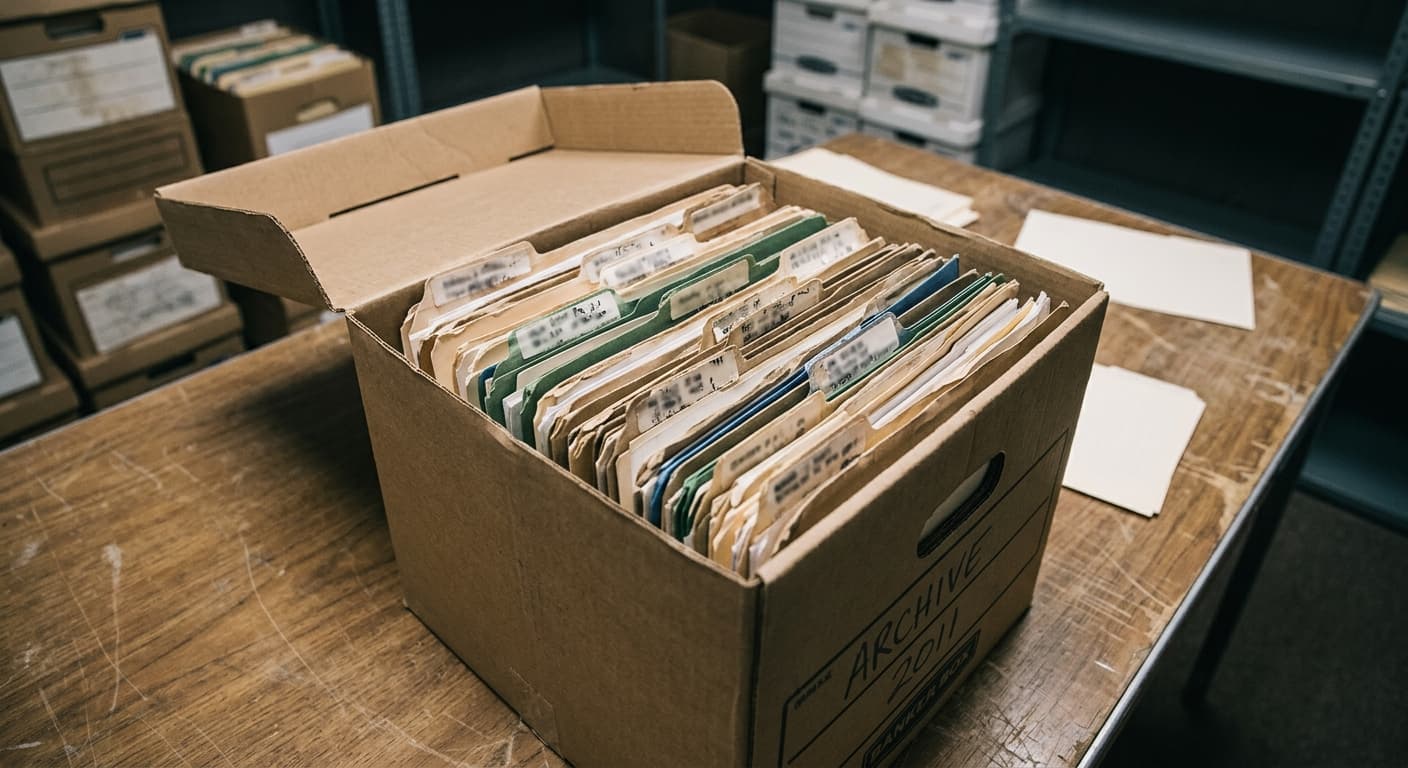
Nova Scotia has no public online search of court case files; the Courts of Nova Scotia website posts partial dockets and a full-text database of decisions, but locating and accessing an actual court record still means going through the registry under Civil Procedure Rule 85.
Information last verified on 2026-08-15. This article has not yet been reviewed by a licensed lawyer.
Nova Scotia's Courts
The Courts of Nova Scotia is the umbrella name for the province's shared judiciary website, not a court itself. The province's actual courts are the Nova Scotia Court of Appeal, the Supreme Court of Nova Scotia (which includes the Supreme Court of Nova Scotia (Family Division), sitting in several counties, with the Supreme Court's general division handling family matters elsewhere), the Provincial Court of Nova Scotia (which includes Youth Court sittings under the Youth Criminal Justice Act and Nova Scotia's Youth Justice Act), the Bankruptcy Court (a Nova Scotia registry governed by the federal Bankruptcy and Insolvency Act General Rules, which incorporate the Civil Procedure Rules except where inconsistent), the Probate Court of Nova Scotia, and the Small Claims Court of Nova Scotia.
Civil Procedure Rule 85: The Framework for Access
The Nova Scotia Civil Procedure Rules do not set out a separate access policy document. Rule 85, "Access to Court Records," is the policy for the Court of Appeal and the Supreme Court. It opens by stating the default plainly: the Rule "recognizes the need for the court's records to be open to the public, and provides exceptionally for a record to be kept confidential," and records "must be made accessible to the public, directly and through the media, in accordance with this Rule." Rule 85.01(2) subordinates that openness to Part 13's family-proceeding confidentiality rules whenever the two conflict, which is why Supreme Court (Family Division) proceedings work differently in practice than a general civil file.

Getting access to a specific file has two steps under Rule 85.02. First, a person asks the prothonotary for information from the civil proceedings index, or gets access to the index directly, to locate the file. Second, they obtain access to the file itself by providing the registry number or enough detail to find it, paying the prescribed fee, and, only if requesting a copy of an audio recording, signing an undertaking not to broadcast or distribute it unless a judge excuses that requirement. Access is satisfied either by in-person inspection or photographing of a document or exhibit, or by delivery of a copy.
Two further pieces of the Rule matter for understanding why there is no online self-serve system. Rule 85.08 restricts direct access to the court's own record-keeping systems to judges, judges' assistants, the prothonotary, deputy prothonotaries, and authorized court staff. Everyone else has to go through the Rule 85.02 request process, or negotiate a court-approved data-access agreement for something like bulk research, which has to specify purpose, accuracy diligence, distribution, and an end date. Rule 85.09 also lets the prothonotary withhold contact-information-only personal fields from non-parties even though the underlying file is otherwise public.
Provincial Court, Small Claims Court, and Probate Court each have their own separate Rules, linked from the Courts of Nova Scotia rules page. Whether those Rules track Rule 85's framework or set their own terms was not confirmed for this article. Contact the specific registry to confirm the access process for a Provincial Court, Small Claims, or Probate file.
What You Can Actually Search Online
Nova Scotia's online offering splits into two genuinely different things, and confusing them is the most common mistake a reader can make.
Dockets are posted online only in part. The Nova Scotia Court of Appeal, the Supreme Court of Nova Scotia, the Bankruptcy Court, and Night Court dockets appear on the Courts of Nova Scotia website. Provincial Court's daily general docket, Supreme Court Chambers, Court of Appeal Chambers, and Supreme Court Crownside dockets are not posted; they go out by email subscription only. Wellness Court programs, meaning Mental Health Court and Domestic Violence Court, and Supreme Court (Family Division) dockets are not distributed publicly at all. Youth Court dockets are posted only as redacted paper copies inside courthouses, citing the Youth Criminal Justice Act and Nova Scotia's Youth Justice Act.
Decisions are different. A genuine searchable database, the Searchable Database of Decisions of the Courts of Nova Scotia, contains most of the province's written decisions released publicly since 2003 and is updated daily. This is a full-text search of judgments, not a litigant-name or case-file search, and it does not include oral decisions that were never released in writing.
Put those two together and the practical answer is that there is no public online case-file or party-name search for civil, family, criminal, or small claims files in Nova Scotia. Rule 85.02's index-lookup mechanism is something the prothonotary provides or grants access to, which functions as an in-person or registry-mediated process rather than a self-serve web portal, and nothing resembling one appears anywhere in the Courts of Nova Scotia website's navigation.
A Class Action Registry is also referenced on the courts' website as a way to give lawyers and the public access to the initial filing of documents in class proceedings before the Supreme Court, but this article did not confirm its exact web address. Contact the Supreme Court prothonotary's office directly for a class action file.
Requesting a Court File in Person
Because there is no online case-file search, getting an actual court record in Nova Scotia means using the Rule 85.02 process above: locate the file through the prothonotary or the civil proceedings index, then request access by registry number, or descriptive detail, pay the fee, and either inspect the file in person or request a copy. A judge can order a record sealed, block access to a recording, ban publication, or permit a pseudonym, but only if satisfied it is in accordance with law, and Rule 85.05 requires notice to media before such a motion unless a judge excuses it.
Fees for Copies, Searches, and Transcripts
These figures come from the official Supreme Court and Court of Appeal fee schedule, most recently updated April 1, 2026 from a 2015-16 base; the province's own fees index confirms them by linking back to that same 2015-16 instrument rather than a separate, independent source, so treat them as confirmed-by-consistency rather than cross-verified against a second document.

| Item | Fee |
|---|---|
| Certified copy | $13.83 + HST, one free per party to the proceeding |
| Photocopies | $0.65 per page + HST |
| File search | $7.52 per file + HST, free to parties or their solicitors; bulk rate $1.26 per file + HST |
| Transcript | $4.65 per page + HST, no charge for one copy to a party or their solicitor |
| Audio recording (tape or CD) purchase | $22.57 + HST |
Filing fees for common documents range from about $66.00 to $292.80. A Notice of Action is $218.05 and a Notice of Motion is $66.00, while several proceeding types, including adoption, trial subpoenas, execution orders, and criminal appeals to the Court of Appeal, carry no fee at all. A fee waiver is available for a defined list of filing-type fees, parenting and support proceedings, trial-setting, divorce, appeals, up to 25 copies, up to three court file searches, oath administration, and Small Claims filings and appeals, to applicants under published monthly income thresholds, for example $1,067 per month for one adult and $1,424 per month for two adults, scaling upward per child.
The Provincial Court publishes its own fee schedule listing the same categories, certified copies, photocopies, and file searches, but the dollar figures in the copy of that PDF reviewed for this article could not be read because of a font-encoding problem in the document. Confirm current Provincial Court fees directly with that registry rather than relying on a number here. Small Claims Court and Probate Court publish their own fee schedules as well; specific figures for those were not verified for this article.
Restrictions on Access
A handful of categories work differently from the general open-record default:
- Youth records. The federal Youth Criminal Justice Act governs youth-court publication and identification restrictions nationwide, and Nova Scotia's own Youth Justice Act is cited alongside it as the basis for redacting or initializing names on the paper copies of Youth Court dockets posted in courthouses.
- Family proceedings. Rule 85.01(2) subordinates Rule 85 to Part 13's child-protection confidentiality rules, and Supreme Court (Family Division) dockets are withheld from public distribution entirely, not merely delayed.
- Publication bans, sealing, and pseudonyms. These are available only by judicial order under Rule 85.04, on a standard requiring the judge to be satisfied it is in accordance with law, expressly weighing Charter section 2 (freedom of the press) and the open-courts principle. This is not an administrative default; a party moving for such an order has to give notice to the media unless excused.
- Privileged documents. Rule 85.06 lets a claim of privilege keep a document off the public record entirely pending a judge's determination.
- Wellness Court programs. Mental Health Court and Domestic Violence Court dockets are withheld from public distribution. Whether that rests on a specific statute or general practice was not stated on the page reviewed for this article.
A publication ban restricts what can be published about a record, not whether the record can be accessed at all. Finding a court record does not make its contents publishable, and breaching a publication ban is an offence.
Court Records Are Not a Criminal Record Check
Looking up a Nova Scotia court file, whether for a civil judgment or a criminal case history, is not the same task as getting a police-issued criminal record check; the document a court search returns is not the one an employer or landlord typically asks for. Background screening for employment purposes runs through a police service or an accredited screening company, not a court registry search, and someone trying to clear an old conviction from routine background checks should look at record suspensions (pardons) rather than a court-file search.
Related Nova Scotia Resources
For filing a claim rather than searching for a record, see Nova Scotia Small Claims Court. For birth, death, and marriage certificates, see vital records in Nova Scotia. For how neighbouring New Brunswick handles the same questions, including its free online Court Index, see court records in New Brunswick. For the full provincial rundown, see the Canada court records hub.
Disclaimer
This article is informational only and is not legal advice. Nova Scotia's court access policies and fees can change, and this page could not verify the current Provincial Court, Small Claims Court, and Probate Court fee figures, or the exact web address of the Class Action Registry. Confirm those directly with the specific court registry before relying on this page. A publication ban restricts what may be published from a court record, not what may be accessed, and breaching one is an offence. Confirm current requirements, forms, and fees with the Courts of Nova Scotia before relying on this article.
Frequently Asked Questions
Is there an online portal to search Nova Scotia court records?
No. The Courts of Nova Scotia website posts partial dockets, Court of Appeal, Supreme Court, Bankruptcy Court, and Night Court only, and runs a full-text decisions database, but there is no self-serve online search of case files by party name for any court.
How do I search a Nova Scotia court file?
Ask the prothonotary for information from the civil proceedings index, or get access to the index directly, to locate the file under Civil Procedure Rule 85.02. Then request access to the file by registry number or descriptive detail and pay the prescribed fee.
How much does it cost to get a copy or search a Supreme Court or Court of Appeal file in Nova Scotia?
A certified copy is $13.83 plus HST, a file search is $7.52 per file plus HST, photocopies are $0.65 per page plus HST, and transcripts are $4.65 per page plus HST. One certified copy is free per party to the proceeding.
Are Provincial Court fees the same as Supreme Court fees in Nova Scotia?
The Provincial Court publishes its own fee schedule with the same categories, but the dollar figures could not be read from the official PDF reviewed for this article. Confirm current Provincial Court fees directly with that registry.
Can I access family court records in Nova Scotia?
Family Division proceedings are subject to Part 13's child-protection confidentiality rules, which override the general openness of Civil Procedure Rule 85 when the two conflict, and Family Division dockets are not distributed publicly at all.
Where can I find written Nova Scotia court decisions?
The Searchable Database of Decisions of the Courts of Nova Scotia contains most written decisions released publicly since 2003, updated daily. It is a decisions search, not a case-file or party-name search.
Updates
Independently fact-checked against the cited primary sources
Sources and References
- Courts of Nova Scotia - Home(courts.ns.ca).gov
- Courts of Nova Scotia - Rules(courts.ns.ca).gov
- Civil Procedure Rules, Official Consolidated Rules (Jun 19, 2026), Rule 85(courts.ns.ca).gov
- Courts of Nova Scotia - Dockets of Nova Scotia Courts(courts.ns.ca).gov
- Courts of Nova Scotia - Decisions(courts.ns.ca).gov
- Courts of Nova Scotia - Costs and Fees(courts.ns.ca).gov
- Fees for Court Services Relating to the Supreme Court and Court of Appeal(courts.ns.ca).gov
- Government of Nova Scotia - Fees and Charges by Government Department(novascotia.ca).gov