
Canada
Window Tint Laws in Manitoba: A Percentage Standard, Not an Outright Ban
Independently fact-checked against primary sources (last audited August 16, 2026). · 3 primary sources cited on this page. How we verify our legal content
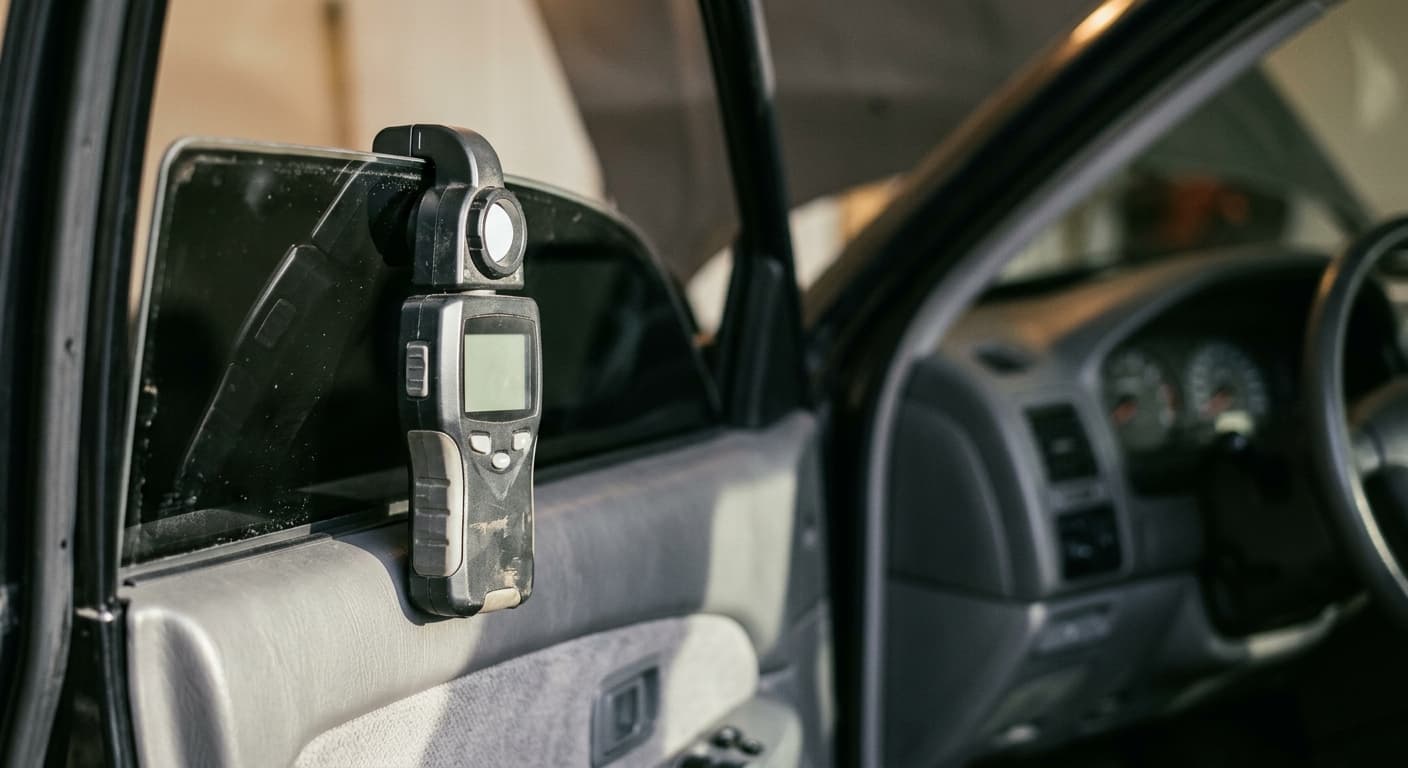
Manitoba sets a percentage standard for front window tint, a 50% minimum light transmission floor and a 35% maximum reflectivity cap, not the outright ban that several tint-shop sites claim, and lifts the same floor entirely on rear windows once the vehicle has outside mirrors on both sides.
Information last verified on 2026-08-16. This article has not yet been reviewed by a licensed lawyer.
The Myth: Manitoba Is Not an Outright-Ban Province
Several tint-shop and aggregator sites repeat a claim that Manitoba bans aftermarket film on front windows outright, or call it the strictest tint province in Canada. That claim does not hold up against the regulation itself. The Vehicle Equipment, Safety and Inspection Regulation, Manitoba Regulation 31/2019, section 3.22, sets a 50% minimum light transmission floor and a 35% maximum reflectivity cap for front side windows. That is a conventional percentage standard, structurally the same kind of rule used across most of Canada.
It is also the reverse of Manitoba's three western neighbors. British Columbia, Alberta, and Saskatchewan each ban aftermarket front-window tint outright, with no percentage figure at all. A reader who assumes Manitoba works the same way as those provinces, because it borders them, would get the structural answer backwards. Manitoba is the percentage province in this group, not the ban province. For the full national picture, see window tint laws in Canada.
The Windshield: A 127 Millimetre Strip With Two Sub-Styles
Section 3.22(1) allows a windshield tint strip no more than 127 millimetres down from the top, in one of two styles. A uniform shade band can cover the full 127 millimetres but cannot drop light transmission below 25%. A graduated shade band can go as dark as 5% transmission in the top 64 millimetres, half the strip, but must stay at or above 25% in the remaining band from 64 to 127 millimetres. Below 127 millimetres, aftermarket tint on the windshield is prohibited outright, except for tint the manufacturer installed that meets the federal Canada Motor Vehicle Safety Act standard.
Manitoba's own Vehicle Inspection Handbook, Schedule E to the regulation, confirms these figures and adds an operational detail the bare statute does not state: a non-transparent or reflective film or substance within the shade band itself is a reject condition, regardless of what the transmission percentage measures. Even a windshield strip that passes the 25% or 5% test can still fail inspection if the product itself is reflective.
Front Side Windows: 50% Transmission, 35% Reflectivity
Section 3.22(2) prohibits window tinting on a window immediately to the left or right of the driver's seat that reduces light transmission below 50% or increases light reflection above 35%. Read literally, that wording could describe only one window. Manitoba's own Vehicle Inspection Handbook resolves the ambiguity: its inspection item is titled front sides, plural, and groups both the driver's and front passenger's windows under the same 50% and 35% tests. The rule applies to both front windows, not the driver's window alone.
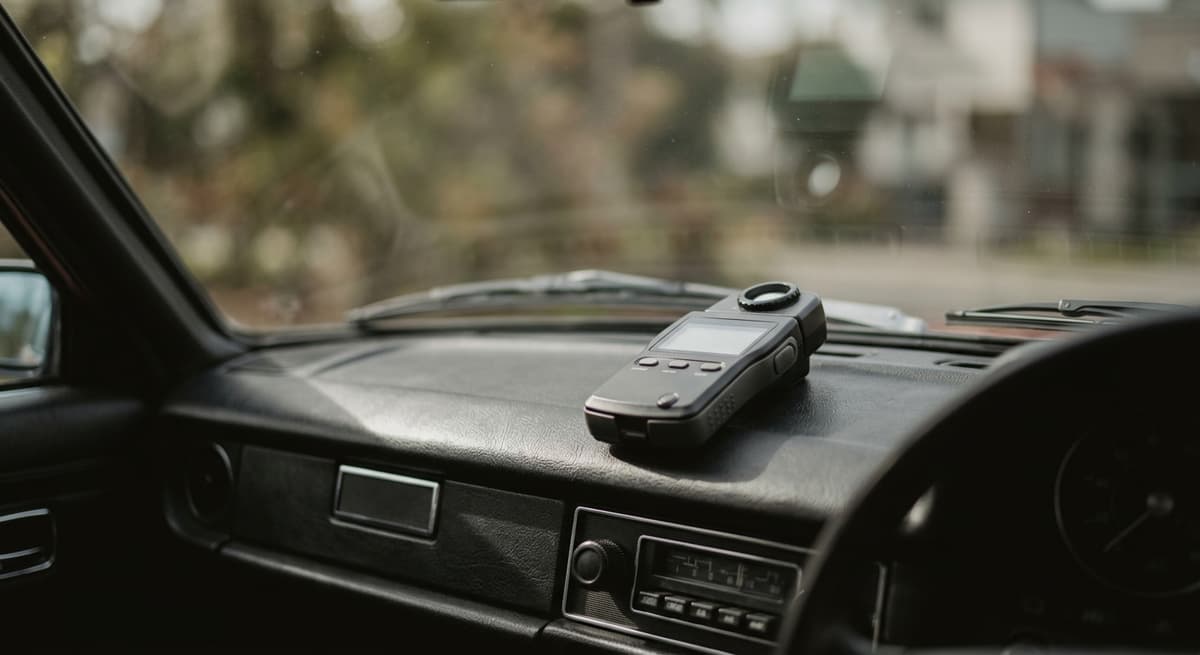
An independent document corroborates the same figures. Manitoba Public Insurance's Vehicle Inspection Station Circular, dated January 2021, quotes section 3.22(2) verbatim and confirms every authorized inspection station must own a self-calibrating window tint meter capable of testing fixed glass. This is measured enforcement, not a visual estimate, and the figures have been unchanged since at least December 2020. Unlike the rear-window rule below, there is no exception clause and no dual-mirror workaround for the front-window standard; it applies regardless of what mirrors the vehicle has.
The Reflectivity Tension: The Statute Says 35%, the Handbook Says None
This is a genuine, unresolved point rather than a confident single figure. Section 3.22(2)(b) permits front-window film up to 35% reflectivity. But the same Vehicle Inspection Handbook that resolves the front sides ambiguity above also lists any reflective film or substance as its own separate reject condition, for both the front sides item and the rear side and rear item, with no percentage carve-out stated anywhere in that list.
Read one way, the statute controls and a front-window product measuring at or under 35% reflectivity is legal. Read the other way, the inspection handbook's operational language would reject any labeled reflective product regardless of its measured percentage. No primary source located during research for this article resolves which reading governs in practice. A driver considering a reflective or mirror-finish front-window product should treat its pass rate at inspection as genuinely uncertain rather than settled by the 35% figure alone.
Rear Windows: The Dual-Mirror Exemption
Section 3.22(3) applies the same 50% floor to rear side windows and the rear window, unless the vehicle is equipped with outside rear view mirrors on both the driver and passenger sides. Once both mirrors are fitted, the 50% floor is lifted entirely for those windows. The regulation states no percentage floor at all for rear glass once dual mirrors are present, meaning rear side windows and the rear window can be tinted to any darkness, including fully blacked out film.
The Vehicle Inspection Handbook confirms this operationally and states it plainly: vehicles with aftermarket rear-side and rear window tinting must have both outside rear view mirrors. Rear tint, however dark, also may not cover the portion of the rear window carrying the centre high-mounted stop lamp.
How Compliance Is Measured
Section 3.22(4) lets an authorized inspection station or person affix a mark verifying that a vehicle's window tint complies with the regulation, implemented through a prescribed form, the Motor Vehicle Tinting Inspection Report. Manitoba Public Insurance requires inspection stations to use a calibrated window tint meter for this, a requirement in place since December 2020.
Section 3.22(5) sets a built-in tolerance: a window is deemed compliant if a properly operated test meter reads at least 95% of the section's minimum required transmission. For the 50% front-window floor, that means a meter reading as low as 47.5% still passes. This is a measurement buffer, not a separate, lower legal darkness limit. Vehicles failing the relevant items on Manitoba's periodic inspection are rejected on the inspection report itself, which functions as a repair order blocking re-registration, independent of any roadside ticket a police or government enforcement officer might separately issue.
Factory Tint vs. Aftermarket Film
The regulation draws an explicit factory exception in exactly one place, the windshield: tint the manufacturer installed that complies with the Canada Motor Vehicle Safety Act is exempt from the 127 millimetre and percentage figures entirely. The front and rear side-window subsections contain no equivalent carve-out in their own statutory text; both apply to window tinting incorporated into or applied onto the glass, a definition that does not itself distinguish factory from aftermarket. The Vehicle Inspection Handbook likewise writes an unless OEM-equipped exception only into its windshield reject item, not into its front-sides or rear-side-and-rear items. Whether factory-dark privacy glass on side or rear windows gets a comparable pass in practice was not confirmed by any primary source opened for this article; treat that as an open question rather than an assumed yes.
Fines and Enforcement
Driving with window tinting that does not comply with section 3.22 is an offence under section 6.1.1(a)(ii) of the regulation. The Preset Fines and Offence Descriptions Regulation sets the dollar figures: a first offence, or a subsequent offence with no conviction for this offence in the preceding five years, totals roughly $174 once court costs and surcharges are added to the base preset fine. A second offence within five years totals roughly $298. A third or later offence within five years totals roughly $672.
These are preset ticket fines payable without a court appearance unless disputed. Whether the Highway Traffic Act itself sets a separate, higher maximum a court could impose if a ticket is contested and prosecuted was not confirmed in the sections reviewed for this article, so no court-imposed ceiling figure is given here.
Medical Exemptions: None Found
This is a documented, actively verified negative rather than an assumption. A full text search of the regulation for medical, exempt, physician, and certificate found no exemption tied to window tint anywhere in section 3.22 or elsewhere in the regulation. Manitoba Public Insurance's public site also has no dedicated plain-language page addressing medical tint requests, though that absence carries less weight than the regulation-text search, since a page could in principle exist somewhere unindexed. No stated administrative path exists for a driver who needs darker than legal front-window tint for a medical photosensitivity condition.
Related Resources
For the national picture across all provinces and territories, see window tint laws in Canada. For Manitoba's roadside impaired-driving rules, see DUI and impaired driving in Manitoba. Saskatchewan runs the opposite structural rule, an outright ban rather than a percentage, at window tint laws in Saskatchewan. For contesting a ticket generally, see fighting a traffic ticket in Canada, and for a related equipment question, see dash cam laws in Canada.
Disclaimer
This article is informational only and is not legal advice. Several figures here are genuinely unresolved by any primary source located during research: whether Manitoba's 35% front-window reflectivity allowance or its Vehicle Inspection Handbook's flat rejection of any reflective film governs in practice, whether a separate court-imposed maximum fine exists above the preset $174, $298, and $672 figures, and whether the windshield's factory-tint exception extends to front or rear side windows. Confirm current fees and requirements directly with Manitoba Public Insurance or a licensed lawyer, particularly before installing a reflective front-window product.
Frequently Asked Questions
Does Manitoba ban aftermarket tint on front windows?
No. Despite claims on some tint-shop and aggregator sites, Manitoba's regulation sets a percentage standard rather than an outright ban. Front side windows need at least 50% light transmission and no more than 35% reflectivity.
What is the legal tint percentage for Manitoba front windows?
50% minimum light transmission and 35% maximum reflectivity, under section 3.22(2) of the Vehicle Equipment, Safety and Inspection Regulation. This applies to both the driver's and front passenger's windows.
Can I tint my rear windows as dark as I want in Manitoba?
Only if the vehicle has outside mirrors on both the driver and passenger sides. With both mirrors fitted, the 50% floor that otherwise applies to rear side and rear windows is lifted entirely. Without dual mirrors, the same 50% floor applies to the rear as to the front.
How dark can the top of my windshield be tinted in Manitoba?
Up to 127 millimetres down from the top. A uniform shade band can go as dark as 25% transmission across that whole strip, and a graduated shade band can drop to 5% in the top 64 millimetres if it stays at or above 25% in the remaining 64 to 127 millimetres.
Is reflective tint film legal in Manitoba?
This is genuinely unresolved. The regulation's text allows front windows up to 35% reflectivity, but Manitoba's own Vehicle Inspection Handbook tells inspectors to reject any reflective film or substance outright, with no stated percentage exception. The two documents are not fully reconciled.
Is there a medical exemption for darker tint in Manitoba?
No. A full search of the regulation for medical, exemption, physician, and certificate language turned up nothing tied to window tint.
What is the fine for illegal window tint in Manitoba?
A preset fine totalling roughly $174 for a first offence, or none in the past five years, $298 for a second offence within five years, and $672 for a third or later offence within five years, under the Preset Fines and Offence Descriptions Regulation.
Updates
Independently fact-checked against the cited primary sources
Sources and References
- Vehicle Equipment, Safety and Inspection Regulation, Manitoba Regulation 31/2019, section 3.22(web2.gov.mb.ca).gov
- Vehicle Inspection Handbook for Manitoba, Schedule E to Manitoba Regulation 31/2019(web2.gov.mb.ca).gov
- Preset Fines and Offence Descriptions Regulation, Manitoba Regulation 96/2017, Schedule A(web2.gov.mb.ca).gov
- MPI Vehicle Inspection Station Circular - Periodic Mandatory Vehicle Inspection Window Tint Update (January 2021)(mpipartners.ca)