
Manitoba
Manitoba Hit and Run Laws: Penalties and MPI Claims
Independently fact-checked against primary sources (last audited June 18, 2026). How we verify our legal content
Manitoba Hit and Run Laws: Penalties and MPI Claims
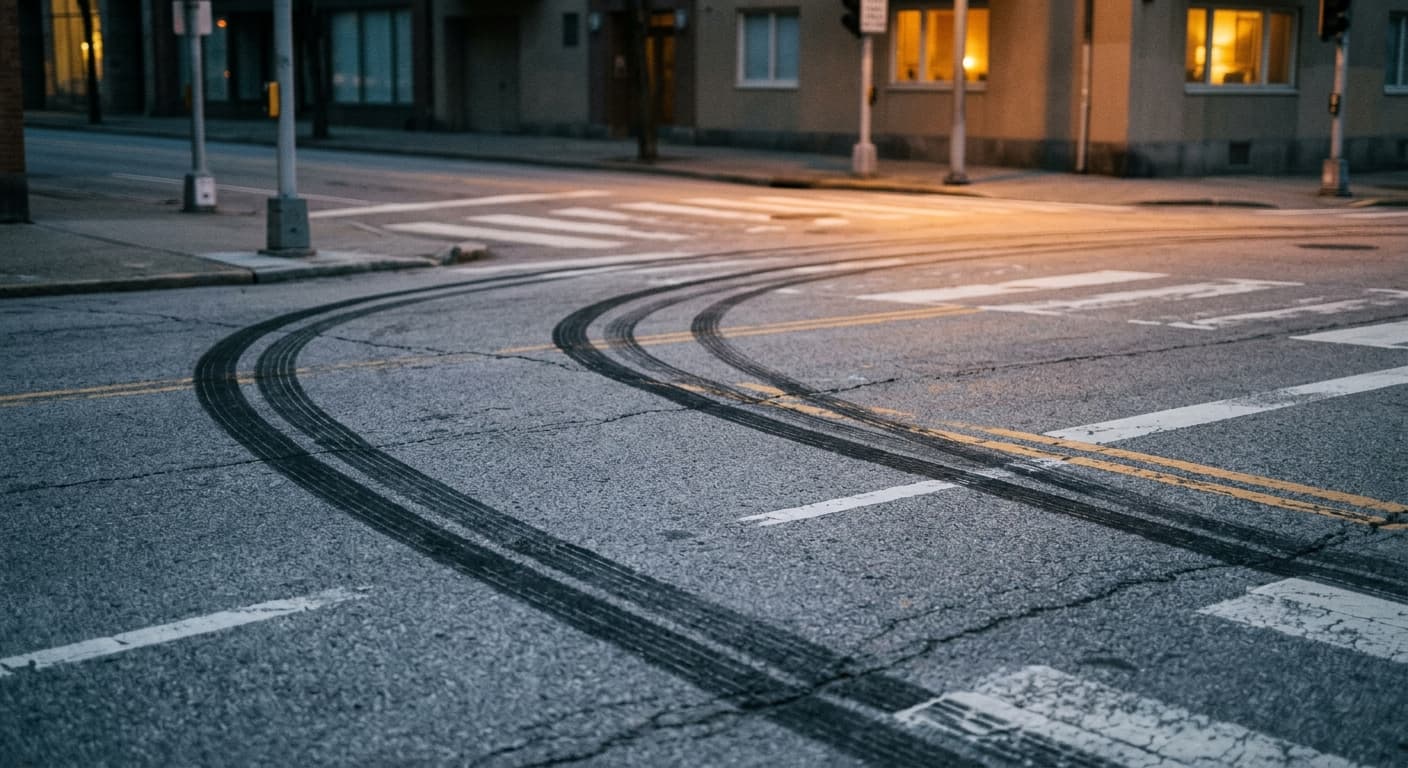
Leaving the scene of a collision in Manitoba triggers two separate layers of law. At the federal level, Criminal Code s. 320.16 creates a criminal offence that can result in a permanent record and, in serious cases, a sentence measured in years or decades. At the provincial level, The Highway Traffic Act, CCSM c H60, imposes its own duty to stop, exchange information, and report, with fines ranging from $400 to $2,000 on summary conviction. On top of both, Manitoba Public Insurance (MPI) runs the Autopac public no-fault scheme, which means that victims of unidentified drivers have direct access to injury and vehicle-damage benefits through MPI rather than having to chase a phantom tortfeasor in court.
The Federal Offence: Criminal Code s. 320.16
Manitoba's hit-and-run law starts federally. Every province and territory is governed by the Criminal Code of Canada (RSC 1985, c C-46), and s. 320.16 (part of the comprehensive Part VIII.1 on offences relating to conveyances) is the current national hit-and-run provision. It came into force on 18 December 2018 when the government's Bill C-46 (SC 2018, c. 21) received royal assent and was proclaimed in force.
It is important to note what no longer applies. The former s. 252 of the Criminal Code, which was for decades cited as the hit-and-run provision, was repealed by s. 14 of SC 2018, c. 21. Any guide or article still citing s. 252 as the current law is out of date. Section 252 now reads simply "252 [Repealed, 2018, c. 21, s. 14]". The current provision is s. 320.16 without exception.
Three Tiers of the Offence
Section 320.16 is structured in three graduated tiers based on the severity of the harm involved.
Tier 1: s. 320.16(1) (no injury or property damage only). A person commits the offence who operates a conveyance, knowing (or being reckless as to whether) the conveyance was involved in an accident with a person or another conveyance, and who fails, without reasonable excuse, to stop, give their name and address, and, if any person is injured or appears to require assistance, offer that assistance. This is a hybrid offence. On indictment, the maximum is 10 years imprisonment (s. 320.19(5) of the Criminal Code). On summary conviction, a lesser maximum applies. There is no mandatory minimum under this tier.
Tier 2: s. 320.16(2) (bodily harm). Where the driver knows, or is reckless as to whether, the accident resulted in bodily harm to another person and fails to comply with the tier-1 duties, the offence is more serious. On indictment, the maximum sentence rises to 14 years (s. 320.2). Mandatory minimums apply: a first offence carries a minimum $1,000 fine; a second offence, 30 days imprisonment; and subsequent offences, 120 days imprisonment. On summary conviction, the maximum is a $5,000 fine or two years less a day, with the same mandatory minimums.
Tier 3: s. 320.16(3) (death). The most serious form applies when the driver knows, or is reckless as to whether, the accident caused death or caused bodily harm that subsequently led to death. This tier is a straight indictable offence with no summary conviction route. The maximum penalty is imprisonment for life (s. 320.21). The same mandatory minimums apply as under the bodily-harm tier.
The Mens Rea Element
A critical feature of s. 320.16 is its mens rea requirement. The offence requires that the driver knew, or was reckless as to whether, the conveyance was involved in an accident. The Crown cannot secure a conviction under s. 320.16 merely by proving that a driver left the scene. It must prove the driver's mental state: actual knowledge, or subjective recklessness (awareness of the risk and proceeding anyway), about the fact of the collision.
This matters for Manitoba drivers because it means accidental ignorance (genuinely not knowing a collision occurred) is a potential answer to a charge. The section also preserves a "reasonable excuse" defence in s. 320.16(1): a driver who fled because of a genuine safety threat, for example, may raise this defence, though what qualifies is a fact-specific question for the trier of fact.
What "Conveyance" Covers
Part VIII.1 uses the defined term "conveyance" (s. 320.11 of the Criminal Code) rather than the former "vehicle, vessel or aircraft" language. A conveyance includes a motor vehicle, a vessel, an aircraft, and railway equipment. Section 320.16 therefore covers collisions involving any of these, not just road traffic.
A Criminal Record
A conviction under s. 320.16 results in a federal criminal record. That record can affect employment, professional licensing, travel to other countries (including the United States, which routinely denies entry to persons with Canadian criminal records for driving offences), and future sentencing in any subsequent criminal matter. The serious long-term consequences of a criminal conviction are distinct from, and in addition to, any provincial Highway Traffic Act penalty.
Manitoba's Provincial Framework: The Highway Traffic Act
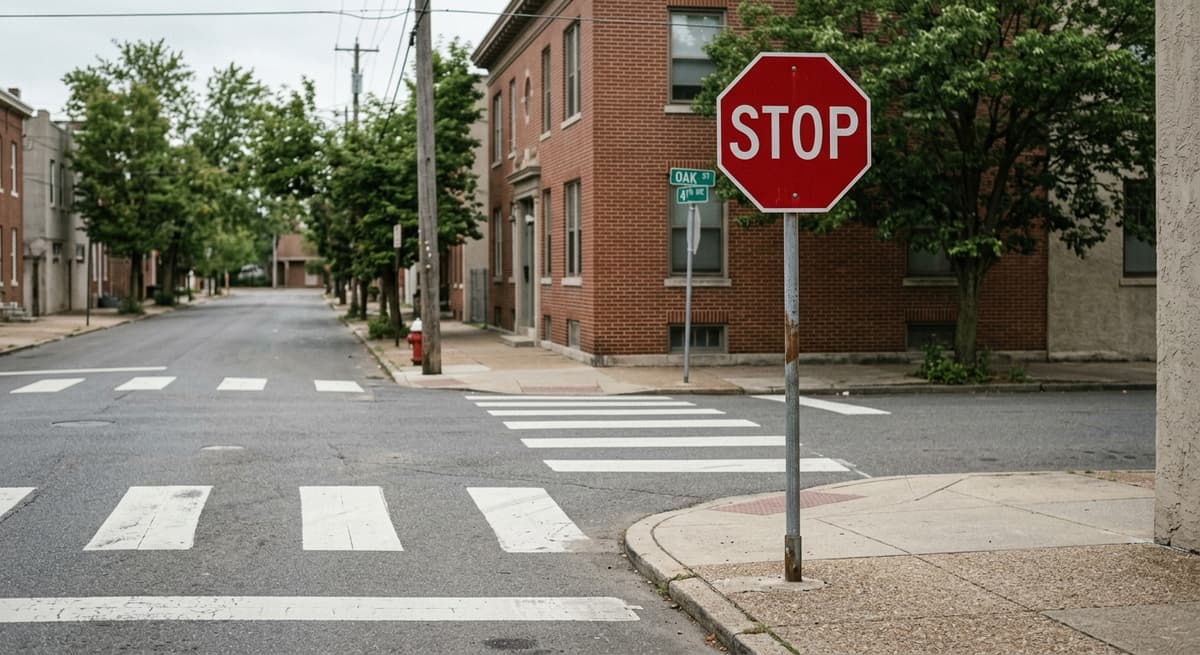
Running in parallel with the federal Criminal Code is Manitoba's own provincial statute: The Highway Traffic Act, CCSM c H60. Sections 153 to 160 set out the provincial accident duties and reporting obligations that apply to all drivers on Manitoba roads.
The Duty to Stop and Exchange Information
When a driver is involved in a collision, The Highway Traffic Act requires stopping at the scene and providing the following information to any other driver, passenger, or person involved:
- Full name and address
- Driver's licence number
- Vehicle registration and owner information
- Insurance information
This duty applies regardless of whether the accident involved injury or was limited to property damage. It mirrors but is independent of the federal s. 320.16 duty. A driver who exchanges information has not necessarily avoided a federal charge. If they had the required knowledge or recklessness and there was an injury, the Criminal Code analysis still applies separately.
Where a collision involves an unattended vehicle or property (such as a parked car or a roadside structure), the driver must leave a written notice in a conspicuous place on the property, including their name, address, and vehicle registration, and must report the collision to the nearest police office as soon as possible.
Reporting to Police
The duty to report to police under The Highway Traffic Act is triggered in the following circumstances: when the collision causes serious injury or death, reporting must occur immediately or as soon as practicable. For collisions where a driver cannot be identified (hit-and-run scenarios) and property damage has occurred, the police report must be made within seven days.
This seven-day police-reporting deadline is significant for insurance purposes. MPI requires victims of hit-and-run collisions to have made a police report before filing an Autopac claim. Missing the seven-day window can complicate or prevent a victim's ability to access Autopac benefits for property damage from an unidentified driver.
Provincial Penalties
Failure to stop, exchange information, or report as required by The Highway Traffic Act is a provincial offence. On summary conviction, the fine ranges from $400 to $2,000. In addition, the Registrar of Motor Vehicles may suspend a driver's licence for up to two years. Demerit points are also assigned under Manitoba's demerit system, and accumulation of demerits can independently trigger licence suspension.
Provincial penalties are cumulative with, not a substitute for, any federal Criminal Code prosecution. A driver involved in a hit-and-run can face both a provincial Highway Traffic Act fine and a federal Criminal Code charge arising from the same incident.
MPI Autopac: Manitoba's Public No-Fault Insurance Scheme
Manitoba is one of four Canadian provinces (alongside British Columbia with ICBC, Quebec with SAAQ, and Saskatchewan with SGI) that operates a public auto insurer. MPI (Manitoba Public Insurance) administers the Autopac programme, which provides mandatory basic vehicle coverage for all registered vehicles in Manitoba. Because Autopac is no-fault, the scheme covers injury regardless of who caused the accident, including collisions caused by unidentified drivers.
Injury Coverage: The Personal Injury Protection Plan (PIPP)
The core no-fault injury benefit under Autopac is the Personal Injury Protection Plan (PIPP). PIPP covers all people injured in motor vehicle accidents in Manitoba (drivers, passengers, pedestrians, cyclists, and others) without regard to fault. Because PIPP operates on a no-fault basis, an injured person does not need to prove the identity of the at-fault driver to receive benefits. This makes PIPP particularly important for hit-and-run victims.
PIPP benefits include income replacement (up to 90 percent of net income lost due to the injury), medical and rehabilitation costs (physiotherapy, prescription drugs, specialist treatment, and assistive devices), attendant care for those with severe injuries, caregiver benefits for injured parents, and death benefits for the families of those killed. There is no dollar cap comparable to what private-market provinces impose through their uninsured motorist funds, though individual benefit categories have their own limits.
Vehicle Damage: Collision and Comprehensive Coverage
For property damage from a hit-and-run where the at-fault driver is unidentified and cannot be held liable, Autopac's collision coverage responds. A Manitoba driver with collision coverage on their Autopac policy can claim for the damage to their own vehicle after paying the applicable deductible. The standard collision deductible under Autopac is $500, though drivers may select higher or lower deductibles.
Where a stationary vehicle is struck by a hit-and-run driver while the insured is not present (for example, a parked car damaged in a car park), comprehensive coverage may respond depending on the specific circumstances of the loss. Drivers should confirm with MPI whether the incident is treated as a collision or comprehensive claim.
The Two-Report Rule: Police and MPI
For a hit-and-run claim to proceed through MPI, the victim must report the incident to two separate bodies.
Step 1: Police report. The collision must be reported to the police. In Winnipeg, hit-and-run claims involving an unoccupied vehicle can be reported online through the Winnipeg Police Service portal. For incidents involving an occupied vehicle, call Winnipeg Police at 204-986-6222. Outside Winnipeg, contact the local police or RCMP detachment. The police report must be made within seven days of the collision.
Step 2: MPI report. After the police report is made, contact MPI to open a claim. In Winnipeg, call 204-985-7000. Outside Winnipeg or toll-free, call 1-800-665-2410. MPI will advise whether an appointment at a service centre is required for a vehicle inspection.
Skipping the police report will ordinarily prevent an MPI claim from proceeding because MPI requires verification that the collision was reported to law enforcement. Victims should make the police report as soon as practicable after the collision, even before injuries have been fully assessed, to preserve access to both PIPP injury benefits and collision coverage.
No SEF 44 Endorsement in Manitoba
In provinces that use private auto insurers (Ontario, Alberta, the Atlantic provinces), the standard response to an unidentified-driver collision is the Uninsured Automobile Coverage provision or, for top-up purposes, the SEF 44 Family Protection Endorsement. Manitoba drivers do not need these endorsements because MPI Autopac already covers the same risk through the public scheme. The no-fault PIPP covers all injuries without identifying the tortfeasor, and collision coverage responds to vehicle damage. There is no gap requiring a separate endorsement to fill.
What If You Are the Driver Who Left the Scene?
If you were involved in a collision in Manitoba and left the scene (whether through panic, confusion, or a deliberate decision), the legal exposure is significant and time-sensitive.
The first obligation is to stop and return to the scene as quickly as possible, or to contact police immediately if returning to the scene is not practicable. Section 320.16 of the Criminal Code does preserve a "reasonable excuse" defence, but that defence is narrow and fact-specific. Panic alone is not generally accepted as a reasonable excuse by Canadian courts.
The criminal consequences worsen rapidly as the severity of injury becomes clear. A collision that initially appeared to involve only property damage can become a tier-2 or tier-3 offence (carrying mandatory minimums and potentially life imprisonment) if victims later develop serious injuries or die. A driver who reports promptly and honestly to police is in a meaningfully different legal position than one who waits for investigators to find them.
Under The Highway Traffic Act, a driver must also notify MPI of any collision in which they were involved, regardless of fault. Failure to report a collision you were involved in, and concealing it from MPI, is a separate regulatory offence under the public insurer framework.
What If You Are the Victim?
If another driver struck your vehicle and left the scene, the practical steps are as follows.
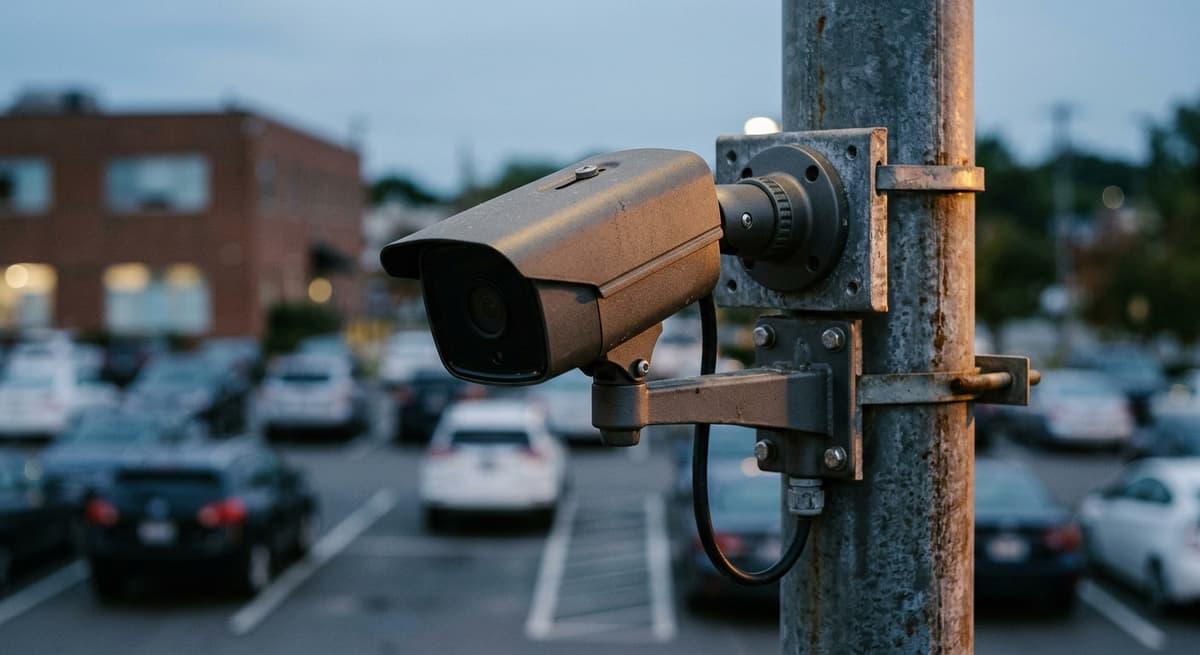
At the scene. Stay safe; pull your vehicle away from traffic if you can. Call 911 if anyone is injured. If the other vehicle is still visible, take note of the licence plate, colour, make, model, and direction of travel. Look for witnesses and ask if any nearby businesses have security cameras facing the road. Do not follow the fleeing driver.
As soon as possible after the scene. File a police report within seven days. In Winnipeg, non-injury hit-and-run reports on unoccupied vehicles can be submitted online. For injury collisions or outside Winnipeg, contact police directly.
Contact MPI. Call 204-985-7000 (Winnipeg) or 1-800-665-2410 (elsewhere) to open an Autopac claim. MPI will guide you through the process for vehicle damage and, if you were injured, PIPP benefits.
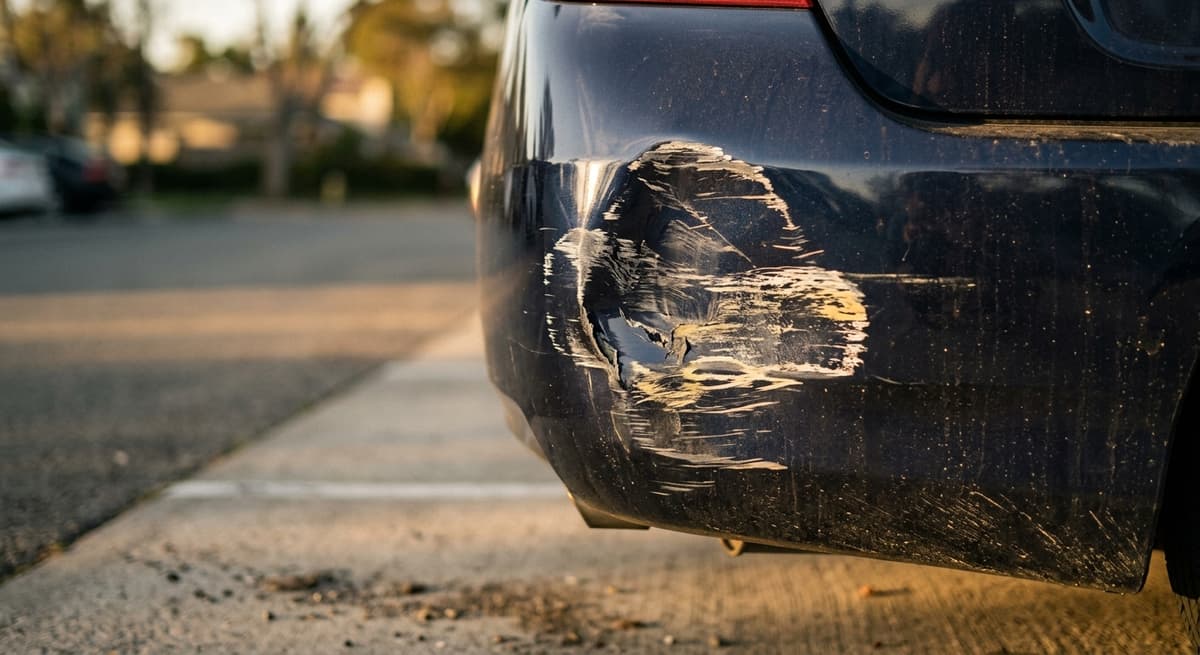
Preserve evidence. Keep photographs of the damage, any dashcam footage, and the police report reference number. MPI adjusters will review the evidence when processing the claim.
Do not delay. The seven-day police-reporting window is the key deadline for property-damage hit-and-run claims. Injury claims under PIPP should be opened promptly because rehabilitation and income replacement benefits begin from the date of injury, and delays in opening a claim can affect retroactive payment of benefits.
Demerit Points and Licence Consequences
Manitoba's demerit system adds an administrative dimension to provincial highway traffic offences. A conviction for failing to stop after an accident or failing to report a collision under The Highway Traffic Act results in demerit points against the driver's licence. When a driver accumulates enough points within a rolling 24-month period, the Registrar of Motor Vehicles will issue a warning letter or suspend the licence. A two-year licence suspension can also be imposed directly as a penalty for leaving the scene.
For new or young drivers under Manitoba's graduated licensing programme, the demerit threshold triggering suspension is lower than for fully licensed drivers, making the consequences of even a single provincial hit-and-run conviction particularly significant for that group.
Comparing Provincial and Federal Consequences
It helps to keep the two legal regimes distinct in practice.
The federal Criminal Code charge under s. 320.16 is the more serious proceeding. It is prosecuted in criminal court, requires proof of knowledge or recklessness, and results in a criminal record on conviction. Penalties range from fines up to life imprisonment depending on the tier. A criminal defence lawyer should be engaged immediately if police indicate a Criminal Code charge is possible.
The provincial Highway Traffic Act offence is a regulatory matter prosecuted in provincial court. It requires less proof (no mens rea element in the same way), carries fines, demerit points, and licence suspension, and does not produce a criminal record. Both can arise from the same incident and both can proceed simultaneously.
For insurance purposes, a conviction under either statute will almost certainly result in a surcharge on future Autopac premiums and may affect eligibility for the Autopac Driver Safety Rating (DSR) discounts. MPI's DSR system rewards safe driving records with reduced premiums; collisions, whether or not the driver is at fault, and particularly convictions, affect the DSR calculation.
For an overview of federal law across all provinces, see the Canada hit-and-run laws hub. For US state-by-state rules, see the US hit-and-run laws hub.
Related
Related Canadian Guides
Frequently Asked Questions
What is the law for hit and run in Manitoba?
Two separate laws apply. Federally, Criminal Code s. 320.16 makes it an offence to fail to stop, give your name and address, and offer assistance after a collision, with penalties up to life imprisonment if death results. Provincially, The Highway Traffic Act, CCSM c H60, ss 153-160, requires stopping, exchanging information, and filing a police report; fines run from $400 to $2,000 on summary conviction, with up to a two-year licence suspension.
What Criminal Code section covers hit and run in Canada?
Section 320.16 of the Criminal Code (RSC 1985, c C-46), in force since 18 December 2018. The former s. 252 was repealed by SC 2018, c. 21, s. 14 and no longer applies. Any source citing s. 252 as the current law is outdated.
Does Manitoba have a presumption that leaving the scene proves intent to escape liability?
No. That presumption was in the old s. 252(2) of the Criminal Code, which was repealed in 2018. Section 320.16 contains no equivalent presumption. The Crown must prove that the driver knew, or was reckless as to whether, the conveyance was involved in an accident. Genuine ignorance of the collision remains a potential answer to a charge.
How long do I have to report a hit-and-run to police in Manitoba?
The Highway Traffic Act requires reporting to police within seven days where a driver cannot be identified. Serious-injury or fatal collisions must be reported immediately or as soon as practicable. Reporting within seven days is also important for MPI Autopac claims: MPI requires a police report before processing property-damage claims involving an unidentified driver.
Does MPI Autopac cover injuries from an unidentified driver in Manitoba?
Yes. MPI's no-fault Personal Injury Protection Plan (PIPP) covers all people injured in motor vehicle accidents in Manitoba regardless of who caused the accident. Because PIPP is no-fault, you do not need to identify the at-fault driver to receive income replacement, medical and rehabilitation benefits, and other PIPP entitlements. You must still report to both police and MPI to open a claim.
What are the steps for an MPI hit-and-run claim in Manitoba?
Step 1: Report the collision to police within seven days. In Winnipeg, non-injury hit-and-run reports on unoccupied vehicles can be filed online with Winnipeg Police; for injury collisions call 204-986-6222. Outside Winnipeg, contact local police or RCMP. Step 2: Contact MPI at 204-985-7000 (Winnipeg) or 1-800-665-2410 (toll-free) to open an Autopac claim for vehicle damage and a PIPP claim for any injuries.
What is the penalty for hit and run in Manitoba?
Federal Criminal Code penalties: no injury (hybrid offence, up to 10 years on indictment); bodily harm (up to 14 years, mandatory minimums including a $1,000 fine for a first offence); death (up to life imprisonment, straight indictable). Provincial Highway Traffic Act penalties: $400 to $2,000 fine on summary conviction, up to two years licence suspension, and demerit points. Federal and provincial charges can proceed simultaneously from the same incident.
Is hit and run a criminal offence in Manitoba?
Yes. If the driver knew or was reckless about being in a collision and failed to stop, give their name and address, or offer assistance, s. 320.16 of the Criminal Code applies and a conviction produces a permanent criminal record. Property-damage collisions below the criminal threshold may attract only the provincial Highway Traffic Act offence, which does not produce a criminal record.
Do I need the SEF 44 endorsement in Manitoba to cover hit-and-run by an unidentified driver?
No. The SEF 44 Family Protection Endorsement is used in private-market provinces (Ontario, Alberta, the Atlantic provinces) to top up coverage against uninsured or underinsured drivers. Manitoba's MPI Autopac already covers unidentified-driver injuries through the no-fault PIPP, and vehicle damage through collision coverage. There is no gap requiring a separate endorsement.
What is the difference between the federal and provincial hit-and-run charges in Manitoba?
The federal Criminal Code s. 320.16 charge requires proof of the driver's knowledge or recklessness about the collision; conviction results in a criminal record with penalties up to life imprisonment. The provincial Highway Traffic Act offence is a regulatory matter with lower proof requirements; conviction results in fines ($400-$2,000), licence suspension (up to two years), and demerit points, but no criminal record. Both can proceed from the same incident.
Updates
Independently fact-checked against the cited primary sources
The Law Behind This Article
This article rests on the statutory provisions below, held in our own legal record and retrieved from the official source. Tap a section to read the operative text.
Criminal Code
s. 252RepealedRepealedcited in 26 of our articles
Official text (excerpt) · last checked 2026-08-12 · Read the full text in our law library · Verify at laws-lois.justice.gc.ca
Cited in 4 court opinions in our collectionLatest citing opinion in our collection: 2016
Opinions citing this section in our collection:
- R. v. Noël (Supreme Court of Canada 2002, 2002 SCC 67)
- R. v. White (Supreme Court of Canada 1999, [1999] 2 SCR 417)
- Casimiro Santos v. Canada (Citizenship and Immigration) (Federal Court 2013, 2013 FC 425)
Identified automatically from the court opinions citing this section — not a ranking of which case controls.
Also relied on in: Alberta Hit and Run Laws: Duties, Penalties & MVAC, British Columbia Hit and Run Laws: Duties and Penalties, New Brunswick Hit and Run Laws: Penalties and Duties
s. 320.16Failure to stop after accidentIn forcecited in 26 of our articles
(1) Everyone commits an offence who operates a conveyance and who at the time of operating the conveyance knows that, or is reckless as to whether, the conveyance has been involved in an accident with a person or another conveyance and who fails, without reasonable excuse, to stop the conveyance, give their name and address and, if any person has been injured or appears to require assistance, offer assistance. (2) Everyone commits an offence who commits an offence under subsection (1) and who at the time of committing the offence knows that, or is reckless as to whether, the accident resulted in bodily harm to another person. (3) Everyone commits an offence who commits an offence under subsection (1) and who, at the time of committing the offence, knows that, or is reckless as to whether, the accident resulted in the death of another person or in bodily harm to another person whose death ensues.
Official text (excerpt) · last checked 2026-08-12 · Read the full text in our law library · Verify at laws-lois.justice.gc.ca
Cited in 2 court opinions in our collectionLatest citing opinion in our collection: 2023
Opinions citing this section in our collection:
- R. v. Tim (Supreme Court of Canada 2022, 2022 SCC 12)
- Shaikh v. Canada (Public Safety and Emergency Preparedness) (Federal Court 2023, 2023 FC 634)
Identified automatically from the court opinions citing this section — not a ranking of which case controls.
Also relied on in: Newfoundland and Labrador Hit and Run Laws: Penalties, Northwest Territories Hit and Run Laws (2025), Nova Scotia Hit-and-Run Laws: Penalties & What to Do
s. 320.21Punishment in case of deathIn forcecited in 22 of our articles
Everyone who commits an offence under subsection 320.13(3), 320.14(3), 320.15(3) or 320.16(3) is liable on conviction on indictment to imprisonment for life and to a minimum punishment of, (a) for a first offence, a fine of $1,000; (b) for a second offence, imprisonment for a term of 30 days; and (c) for each subsequent offence, imprisonment for a term of 120 days.
Official text (excerpt) · last checked 2026-08-12 · Read the full text in our law library · Verify at laws-lois.justice.gc.ca
Cited in 1 court opinions in our collectionLatest citing opinion in our collection: 2021
Opinions citing this section in our collection:
- Lin v. Canada (Citizenship and Immigration) (Federal Court 2021, 2021 FC 1329)
Identified automatically from the court opinions citing this section — not a ranking of which case controls.
Also relied on in: Careless Driving vs Dangerous Driving in Canada, DUI Penalties in Canada: Fines, Jail Time, and Bans, Nunavut Hit and Run Laws (2025)
Search our full record of Canadian federal law — every consolidated Act, in English and French →
Sources and References
- Criminal Code, RSC 1985, c C-46, s 320.16: Failure to stop after accident (current provision, in force 18 December 2018)(laws-lois.justice.gc.ca)
- Criminal Code, RSC 1985, c C-46, s 320.19(5) and s 320.2: Punishment provisions (no injury: up to 10 years; bodily harm: up to 14 years, mandatory minimums)(laws-lois.justice.gc.ca)
- Criminal Code, RSC 1985, c C-46, s 320.21: Punishment in case of death (up to life imprisonment, straight indictable)(laws-lois.justice.gc.ca)
- Criminal Code, RSC 1985, c C-46, s 252 (archived): repealed by SC 2018, c. 21, s. 14 (no longer the hit-and-run provision)(laws-lois.justice.gc.ca)
- SC 2018, c. 21: An Act to amend the Criminal Code (offences relating to conveyances), ss 14-15 repealing s. 252 and enacting Part VIII.1 including s. 320.16(laws-lois.justice.gc.ca)
- Criminal Code, RSC 1985, c C-46, s 320.11: Definition of conveyance (motor vehicle, vessel, aircraft, railway equipment)(laws-lois.justice.gc.ca)
- The Highway Traffic Act, CCSM c H60, ss 153-160: accident duties, reporting, and penalties (Manitoba provincial statute)(web2.gov.mb.ca)
- Manitoba Public Insurance: Reporting a vehicle collision claim (hit-and-run reporting to police within 7 days; contact MPI at 204-985-7000 or 1-800-665-2410)(mpi.mb.ca)
- Manitoba Public Insurance: Autopac basic coverage overview (mandatory public no-fault insurance scheme for all Manitoba registered vehicles)(mpi.mb.ca)
- Justice Canada: Legislative Background to Bill C-46, Part VIII.1 (confirms s. 320.16 as one of 10 core transportation offences under the new Part)(justice.gc.ca)
- Parliament of Canada: Bill C-46 (42nd Parliament, 1st Session) Royal Assent page, confirms assented to 21 June 2018(parl.ca)