
Manitoba
Lois sur l'enregistrement au Manitoba : consentement d'une seule partie et Privacy Act
Independently fact-checked against primary sources (last audited 18 juin 2026). · 11 primary sources cited on this page. How we verify our legal content
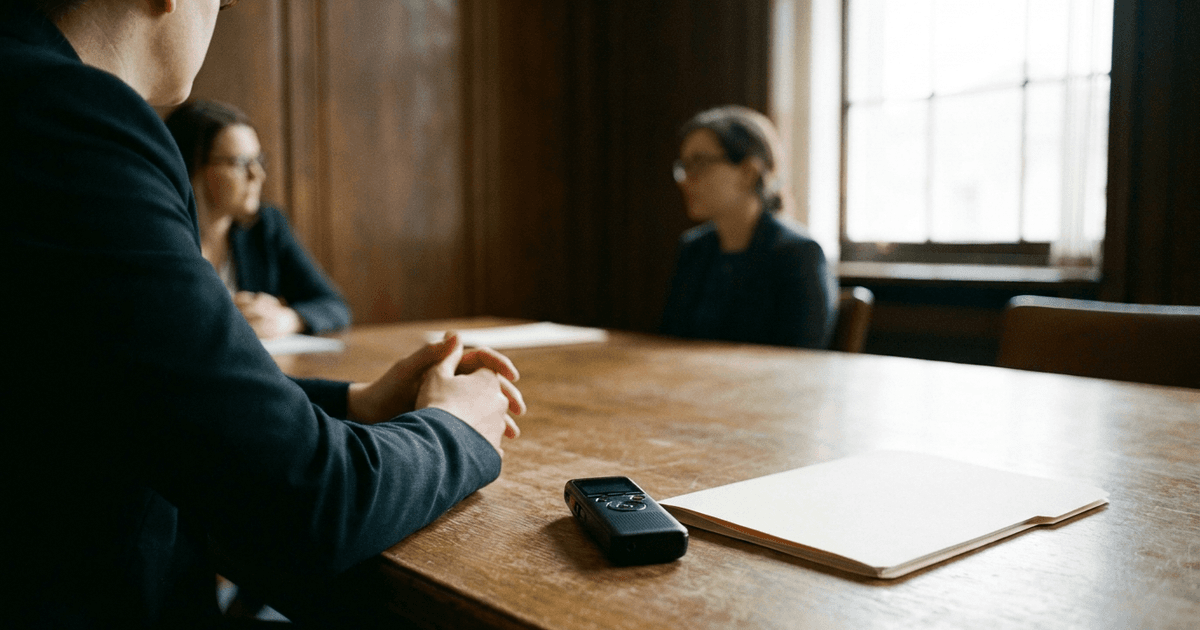
Le Manitoba applique la règle nationale canadienne du consentement d'une seule partie : si vous êtes partie à une conversation, vous pouvez l'enregistrer sans en informer les autres participants. Enregistrer une communication privée à laquelle vous ne participez pas (sans le consentement d'aucune partie) constitue une infraction criminelle fédérale. Le Manitoba dispose également d'un délit civil d'origine provinciale prévu par la Privacy Act, C.C.S.M. c. P125, ce qui signifie qu'une personne dont la vie privée est violée de façon substantielle et déraisonnable peut poursuivre en dommages-intérêts sans avoir à prouver de perte financière.
Est-il légal d'enregistrer des conversations au Manitoba ?
Oui, sous réserve d'une limite essentielle. Le Canada applique une règle fédérale de consentement d'une seule partie, prévue à la partie VI du Code criminel. L'alinéa 184(2)a) du Code criminel prévoit que l'infraction générale d'interception prévue à l'art. 184(1) ne s'applique pas à une personne qui a obtenu le consentement (exprès ou tacite) de l'auteur d'une communication privée ou de la personne à laquelle son auteur la destinait. Puisque vous êtes vous-même partie à toute conversation à laquelle vous participez, votre propre participation constitue un consentement. Vous n'avez pas besoin de la connaissance ou de l'accord de l'autre partie.
Cette règle est fédérale et uniforme. Elle s'applique de façon identique à Winnipeg, à Brandon, à Thompson et partout ailleurs au Manitoba. Aucune loi provinciale n'y déroge. Le Manitoba n'a pas adopté de règle plus stricte exigeant le consentement des deux parties pour l'enregistrement audio, contrairement à certains États américains.
La règle du consentement s'étend aux conversations multipartites. L'article 183.1 du Code criminel prévoit que, lorsqu'une communication privée implique plus de deux personnes, le consentement de l'une quelconque de ces personnes suffit aux fins de la partie VI. Si vous participez à une conférence téléphonique réunissant quatre personnes, votre propre consentement suffit pour l'enregistrer légalement.
Le fondement de la règle est la définition de « communication privée » prévue à l'art. 183 : une communication orale ou une télécommunication faite dans des circonstances telles qu'il est raisonnable pour son auteur de s'attendre à ce qu'elle ne soit interceptée par personne d'autre que le destinataire visé. Lorsque vous êtes le destinataire visé (ou l'auteur), cette attente raisonnable ne s'étend pas de manière à vous exclure.
Enregistrer des conversations auxquelles vous êtes partie
Lorsque vous participez à une conversation (en personne, par téléphone, par appel vidéo ou par toute plateforme de messagerie), vous pouvez enregistrer cet échange au Manitoba sans divulguer votre intention de le faire. Le Code criminel n'impose aucune obligation d'aviser quiconque. Aucune loi provinciale ne modifie cette règle.
Concrètement, cela couvre un large éventail de situations : enregistrer une réunion d'affaires pour en conserver un compte rendu exact, capter un différend avec un propriétaire, préserver un appel avec un représentant du service à la clientèle, ou documenter une conversation avec un superviseur. Chacune de ces situations est légale en vertu de l'art. 184(2)a), pourvu que vous soyez réellement participant.
La licéité de l'enregistrement est toutefois distincte de la façon dont vous l'utilisez par la suite. L'article 193(1) du Code criminel fait de l'utilisation ou de la divulgation sciente de la substance d'une communication privée interceptée sans le consentement de toutes les parties une infraction, passible d'une peine maximale de deux ans d'emprisonnement ou d'une déclaration de culpabilité par procédure sommaire. Cette disposition vise les enregistrements obtenus illégalement ; un enregistrement légal fait par une seule partie n'est pas visé par l'art. 193. Toutefois, d'autres considérations juridiques plus larges (diffamation, outrage, responsabilité civile) peuvent se poser selon l'usage que vous faites de l'enregistrement.
La Privacy Act du Manitoba ajoute un volet civil supplémentaire, abordé plus loin.
Enregistrer autrui : les communications privées auxquelles vous ne participez pas
Si vous n'êtes pas partie à une communication privée et qu'aucune partie n'a consenti à son interception, l'enregistrer constitue une infraction criminelle en vertu de l'art. 184(1) : un acte criminel passible d'une peine maximale de cinq ans d'emprisonnement, ou une infraction punissable par procédure sommaire. Il n'y a aucune ambiguïté ici. La protection des communications privées prévue par le Code criminel est solide.
Cela s'applique à toutes les formes d'interception : enregistrement audio, surveillance téléphonique, interception numérique et tout dispositif électromagnétique, acoustique ou mécanique. Placer un appareil d'écoute dans le domicile d'autrui, intercepter un appel téléphonique entre deux autres personnes ou accéder à une boîte vocale privée sans autorisation constituent tous des infractions.
L'expression « communication privée » exige que son auteur ait une attente raisonnable que la communication ne sera pas interceptée par un tiers. Dans un contexte véritablement privé (une conversation en tête-à-tête dans un bureau privé, un appel téléphonique entre deux personnes), cette attente existe clairement.
Enregistrer des appels téléphoniques au Manitoba
Les appels téléphoniques au Manitoba constituent des communications privées au sens de l'art. 183 du Code criminel. La règle du consentement d'une seule partie s'applique intégralement : si vous êtes partie à l'appel, vous pouvez l'enregistrer. Si vous n'êtes pas partie et qu'aucune partie n'y consent, l'enregistrement constitue une infraction criminelle en vertu de l'art. 184(1).
La Privacy Act du Manitoba renforce cette règle sur le plan civil. L'alinéa 3b) de la loi mentionne, à titre d'exemple d'atteinte à la vie privée, le fait d'« écouter ou d'enregistrer une conversation à laquelle cette personne participe, ou des messages destinés à cette personne ou en provenant, transmis sur des lignes téléphoniques, autrement qu'à titre de partie légitime à celle-ci ou en vertu d'une autorisation légale ». L'interception clandestine de l'appel téléphonique d'autrui entraîne donc à la fois une exposition criminelle et une responsabilité civile en vertu de la loi provinciale.
Lorsque des entreprises enregistrent les appels de leurs clients au Manitoba, elles sont assujetties aux exigences de reddition de comptes de la LPRPDE. Les organisations exerçant une activité commerciale au Manitoba doivent se conformer à la LPRPDE, qui exige que les personnes soient informées des fins pour lesquelles leurs renseignements personnels sont recueillis et que leur consentement soit obtenu. La pratique courante consiste à diffuser une annonce en début d'appel indiquant que celui-ci peut être enregistré.
Enregistrement vidéo et voyeurisme
La règle du consentement d'une seule partie s'applique à l'interception audio des communications privées. L'enregistrement vidéo est régi par des dispositions distinctes qui soulèvent des considérations différentes.
Dans les lieux publics où les personnes n'ont aucune attente raisonnable en matière de vie privée, l'enregistrement vidéo est généralement légal. Une personne qui marche dans une rue publique de Winnipeg, qui prend la parole lors d'un événement extérieur ou qui est assise dans un parc public n'a aucune attente raisonnable de ne pas être filmée.
L'art. 162(1) du Code criminel crée l'infraction de voyeurisme, qui s'applique lorsqu'une personne observe subrepticement ou fait un enregistrement visuel d'une autre personne se trouvant dans des circonstances qui donnent lieu à une attente raisonnable en matière de vie privée. Les trois circonstances déclenchantes sont : un lieu où l'on peut raisonnablement s'attendre à ce que la personne soit nue ou expose ses organes sexuels (une salle de bain, une cabine d'essayage, une chambre à coucher); une situation où la personne est effectivement nue et où le but est d'enregistrer cet état; ou un enregistrement fait à des fins sexuelles. Le voyeurisme est un acte criminel passible d'une peine maximale de cinq ans d'emprisonnement, ou une infraction punissable par procédure sommaire.
L'art. 162.1(1) ajoute une infraction connexe : la distribution non consensuelle d'images intimes. Publier, distribuer, transmettre ou rendre accessible un enregistrement visuel d'une personne dans un état de nudité ou se livrant à une activité sexuelle explicite (en sachant que la personne n'a pas consenti à sa distribution, ou sans se soucier de son consentement) entraîne une peine maximale de cinq ans d'emprisonnement par mise en accusation.
Ces dispositions s'appliquent indépendamment de la façon dont l'image a été obtenue. Même une image intime enregistrée avec consentement, si elle est distribuée par la suite sans consentement, relève de l'art. 162.1.
Enregistrement en milieu de travail et enregistrement clandestin au Manitoba
L'enregistrement clandestin en milieu de travail est un domaine où la permission légale et les conséquences pratiques divergent considérablement. En vertu de l'art. 184(2)a) du Code criminel, un employé qui enregistre une réunion avec son gestionnaire, une audience disciplinaire ou une conversation avec un collègue agit légalement, pourvu qu'il soit réellement participant à l'échange.
Toutefois, le droit du travail manitobain et la jurisprudence arbitrale en matière de relations de travail ont maintes fois établi que l'enregistrement clandestin, même techniquement légal, peut constituer un manquement à l'obligation de bonne foi et de loyauté due à l'employeur. Les tribunaux et les arbitres évaluent si l'enregistrement était proportionné à une fin légitime, s'il violait une obligation de confidentialité expresse ou implicite, et s'il était incompatible avec la poursuite de la relation d'emploi. Le congédiement justifié a été confirmé dans des affaires où l'enregistrement clandestin a été jugé comme une trahison de la confiance en milieu de travail, même en l'absence de politique interdisant expressément cette pratique.
Les employés manitobains qui envisagent d'enregistrer une conversation en milieu de travail devraient donc comprendre la distinction entre la permission criminelle et le risque en matière d'emploi. Documenter une véritable préoccupation en matière de sécurité ou préserver une preuve de harcèlement peut être défendable. L'enregistrement clandestin systématique de collègues dans le cours normal du travail comporte un risque réel de congédiement.
Un employeur qui déploie des systèmes d'enregistrement des appels, de vidéosurveillance ou de surveillance audio des employés dans le cadre d'une activité commerciale doit se conformer aux exigences de la LPRPDE en matière de reddition de comptes et de consentement.
Droit de la vie privée au Manitoba : la Privacy Act et la LPRPDE
Le Manitoba dispose de deux cadres de protection de la vie privée qui se chevauchent en matière d'enregistrement : la loi fédérale LPRPDE, qui encadre les organisations, et la Privacy Act provinciale, qui crée un délit civil pour les particuliers.
La LPRPDE et les organisations du secteur privé
Le Manitoba ne dispose d'aucune loi sur la protection de la vie privée dans le secteur privé jugée essentiellement similaire à la LPRPDE par le gouverneur en conseil. La Colombie-Britannique, l'Alberta et le Québec possèdent chacun une telle loi, qui remplace la LPRPDE pour les activités commerciales intraprovinciales dans ces provinces. Ce n'est pas le cas du Manitoba. La LPRPDE encadre donc les organisations commerciales exerçant des activités au Manitoba en ce qui concerne la collecte, l'utilisation et la communication de renseignements personnels.
La LPRPDE ne s'applique pas aux personnes qui enregistrent des conversations à des fins personnelles. L'exemption de la loi visant « la collecte, l'utilisation ou la communication de renseignements personnels par un particulier à des fins strictement personnelles » signifie que le droit (ou l'interdiction) d'un particulier d'enregistrer relève du Code criminel, et non de la LPRPDE. La LPRPDE est pertinente pour les entreprises manitobaines qui déploient des systèmes de surveillance, des infrastructures d'enregistrement d'appels ou des opérations de traitement de données ; elle ne s'applique pas aux particuliers qui exercent ou violent la règle de consentement prévue par le Code criminel.
Les plaintes déposées en vertu de la LPRPDE font l'objet d'une enquête par le Commissariat à la protection de la vie privée du Canada.
La Privacy Act du Manitoba : le délit d'origine législative
La Privacy Act du Manitoba, C.C.S.M. c. P125, est l'une des quatre lois provinciales au Canada (avec la Colombie-Britannique, la Saskatchewan et Terre-Neuve-et-Labrador) qui créent un délit civil d'origine législative pour atteinte à la vie privée. Il s'agit là de la caractéristique distinctive du paysage manitobain en matière de protection de la vie privée.
Le paragraphe 2(1) de la loi prévoit qu'une personne qui, de façon substantielle et déraisonnable, et sans apparence de droit, porte atteinte à la vie privée d'une autre personne, commet un délit contre cette autre personne.
Le paragraphe 2(2) énonce expressément que ce délit peut être invoqué sans preuve de préjudice. Vous n'avez pas besoin de démontrer une perte financière ou un préjudice quantifiable quelconque pour obtenir gain de cause dans une action civile.
L'élément moral de la loi manitobaine diffère de celui de la Privacy Act de la Colombie-Britannique sur un point important. La loi britanno-colombienne exige que l'atteinte soit « délibérée » (un acte volontaire). Le paragraphe 2(1) de la loi manitobaine ne comporte aucune exigence équivalente de caractère délibéré. La norme consiste à déterminer si l'atteinte était substantielle et déraisonnable. Une personne qui enregistre les communications privées d'autrui par négligence ou imprudence (sans intention précise de violer la vie privée) peut néanmoins être tenue responsable en vertu de la loi manitobaine.
L'article 3 de la loi énumère des exemples illustratifs de conduites susceptibles de constituer une atteinte à la vie privée. Ceux-ci comprennent :
La surveillance (visuelle ou auditive) « par quelque moyen que ce soit, y compris l'écoute clandestine, la filature, l'espionnage, le harcèlement ou la traque ». Cela englobe l'utilisation d'appareils électroniques pour surveiller les activités ou les communications d'une autre personne.
Alinéa 3b) : « l'écoute ou l'enregistrement d'une conversation à laquelle cette personne participe, ou de messages destinés à cette personne ou en provenant, transmis sur des lignes téléphoniques, autrement qu'à titre de partie légitime à celle-ci ou en vertu d'une autorisation légale ». Il s'agit de l'exemple propre aux communications téléphoniques. Il correspond directement à la structure de consentement du Code criminel pour les communications téléphoniques : enregistrer un appel auquel on n'est pas légalement partie constitue à la fois une infraction criminelle et un exemple reconnu d'atteinte à la vie privée au regard du délit provincial. La surveillance audio clandestine en personne relève de l'alinéa 3a), qui vise la surveillance « par quelque moyen que ce soit, y compris l'écoute clandestine ».
L'utilisation non autorisée du nom, de l'image ou de la voix d'une personne à des fins commerciales.
L'utilisation de lettres, de journaux intimes et d'autres documents personnels sans le consentement de la personne concernée.
Les moyens de défense prévus à l'article 5 de la loi comprennent le consentement, la diligence raisonnable (lorsque le défendeur avait une autorisation légale), l'autorisation légale, la conduite d'un agent de la paix ou d'un enquêteur dans l'intérêt public, et les privilèges de publication lorsque l'information présente un intérêt public légitime. Ces moyens de défense reflètent la fonction d'équilibrage intégrée au délit ; toute observation ou tout enregistrement d'une autre personne n'est pas nécessairement susceptible de poursuite.
Les réparations prévues à l'article 4 comprennent des dommages-intérêts, une injonction lorsque cela est juste et raisonnable, une reddition de compte des profits et la remise d'articles ou de documents obtenus en violation de la loi. Pour évaluer les dommages-intérêts, les tribunaux tiennent compte de la nature et des circonstances de l'atteinte, de son effet sur la santé, le bien-être et les relations du demandeur, de la détresse causée et de la conduite du défendeur, y compris toute excuse présentée.
L'effet combiné de la Privacy Act du Manitoba et de l'art. 184(1) du Code criminel signifie qu'un enregistrement clandestin des communications privées d'une autre personne au Manitoba entraîne à la fois une exposition criminelle (jusqu'à cinq ans par mise en accusation) et une responsabilité civile (dommages-intérêts sans preuve de perte financière) pour la personne qui enregistre.
Enregistrer la police et les fonctionnaires publics au Manitoba
Enregistrer des policiers et d'autres fonctionnaires publics dans l'exercice de leurs fonctions dans des lieux accessibles au public est généralement légal au Manitoba. Aucune disposition du Code criminel ne l'interdit. Le fondement juridique est l'alinéa 2b) de la Charte canadienne des droits et libertés, qui protège la liberté d'expression, y compris la collecte d'information d'intérêt public. Filmer une intervention policière dans un lieu public (une arrestation dans une rue, une réponse à une manifestation, un contrôle routier) relève de cette protection.
Deux limites s'appliquent. Premièrement, l'art. 129 du Code criminel interdit d'entraver volontairement ou de résister à un agent de la paix dans l'exercice de ses fonctions. Interférer physiquement avec une arrestation, pénétrer dans la zone opérationnelle d'une scène d'urgence ou utiliser un appareil pour entraver les déplacements d'un agent peut constituer de l'entrave, indépendamment de l'objectif de l'enregistrement. Le droit d'enregistrer n'inclut pas le droit d'entraver.
Deuxièmement, les agents ne peuvent pas, à titre de mesure courante, ordonner aux passants de cesser d'enregistrer, et ne peuvent pas légalement saisir un appareil d'enregistrement sans mandat (sauf exception reconnue au mandat, par exemple lorsque l'appareil constitue une preuve d'une infraction). Si un agent tente de supprimer des images ou de confisquer un appareil sans autorisation légale, le Tribunal de résolution civile et les tribunaux civils ont accordé des réparations dans des contextes comparables.
Sanctions applicables à l'enregistrement illégal au Manitoba
Les conséquences d'un enregistrement illégal au Manitoba sont sérieuses et se déploient à deux niveaux.
Sur le plan criminel fédéral, l'interception d'une communication privée sans consentement en vertu de l'art. 184(1) du Code criminel constitue un acte criminel passible d'une peine d'emprisonnement maximale de cinq ans, ou une infraction punissable par procédure sommaire. La divulgation d'une communication privée interceptée illégalement en vertu de l'art. 193(1) constitue une infraction distincte, passible d'une peine maximale de deux ans d'emprisonnement, ou une infraction punissable par procédure sommaire. Le voyeurisme en vertu de l'art. 162(1) entraîne une peine maximale de cinq ans d'emprisonnement par mise en accusation. La distribution non consensuelle d'images intimes en vertu de l'art. 162.1(1) entraîne également une peine maximale de cinq ans par mise en accusation.
Sur le plan civil provincial, une personne dont la vie privée est violée de façon substantielle et déraisonnable en vertu de la Privacy Act du Manitoba peut poursuivre en dommages-intérêts sans avoir à prouver une perte financière. Les tribunaux évaluent les dommages-intérêts en fonction de la nature de l'atteinte, de la détresse causée et de la conduite du défendeur. Des injonctions et des reddition de comptes des profits sont également possibles.
Il n'existe aucune peine minimale pour les infractions criminelles d'interception ; l'éventail allant de la déclaration de culpabilité par procédure sommaire (assortie de peines maximales moindres) à l'acte criminel de cinq ans reflète le spectre de gravité.
Conseils pratiques pour l'enregistrement au Manitoba
Avant d'enregistrer une conversation au Manitoba, passez en revue les points suivants :
Êtes-vous partie à la conversation ? Si oui, le Code criminel autorise l'enregistrement en vertu de l'art. 184(2)a). Si non, l'enregistrement exige le consentement exprès ou tacite d'au moins une partie ; à défaut, il s'agit d'une infraction criminelle.
S'agit-il d'un enregistrement en milieu de travail ? La permission légale accordée par le Code criminel n'élimine pas le risque en matière d'emploi. Évaluez s'il existe une fin légitime et proportionnée avant d'enregistrer clandestinement des collègues ou des superviseurs.
Le sujet est-il une conversation audio ou un enregistrement vidéo ? La règle du consentement d'une seule partie s'applique à l'interception audio des communications privées. L'enregistrement vidéo dans des espaces privés, ou le tournage clandestin à des fins sexuelles, met en jeu les dispositions sur le voyeurisme de l'art. 162, indépendamment du fait que vous soyez partie à une conversation quelconque.
L'usage prévu de l'enregistrement met-il en jeu l'art. 193 ? Partager publiquement un enregistrement obtenu légalement (dans les médias, sur des plateformes sociales ou dans le cadre de procédures) peut soulever des questions de diffamation, d'outrage ou d'atteinte civile à la vie privée, même si l'enregistrement initial était légal.
La Privacy Act du Manitoba s'applique-t-elle ? Enregistrer une conversation téléphonique ou des messages téléphoniques sans être une partie légitime constitue un exemple illustratif d'atteinte à la vie privée en vertu de l'alinéa 3b) de la loi ; la surveillance audio clandestine par quelque moyen que ce soit (y compris l'écoute clandestine en personne) relève de l'alinéa 3a). Même si le seuil criminel n'est pas atteint, une responsabilité civile sans preuve de préjudice peut néanmoins être engagée.
Êtes-vous une organisation ? Si vous exploitez une entreprise au Manitoba, la LPRPDE s'applique à tout enregistrement, toute surveillance ou toute collecte de données dans le cours d'une activité commerciale. Informez les personnes concernées et obtenez leur consentement, le cas échéant.
Autres lois du Manitoba
Guides juridiques canadiens connexes
- Le droit canadien par province et par sujet
- Lois sur l'enregistrement au Canada
- Lois sur le délit de fuite du Manitoba
- Lois sur la pension alimentaire pour enfants du Manitoba
- Lois sur les chutes et glissades du Manitoba
Questions fréquentes
Le Manitoba est-il une province à consentement d'une seule partie pour l'enregistrement ?
Oui. Le Canada applique le consentement d'une seule partie à l'échelle nationale en vertu de l'art. 184(2)a) du Code criminel. Le Manitoba n'a adopté aucune règle de consentement plus stricte. Si vous êtes partie à la conversation, vous pouvez l'enregistrer sans en informer les autres participants. Enregistrer une conversation à laquelle vous ne participez pas, sans le consentement d'aucune partie, constitue une infraction criminelle en vertu de l'art. 184(1).
Puis-je enregistrer un appel téléphonique au Manitoba sans en informer l'autre personne ?
Oui, si vous êtes partie à l'appel. L'art. 184(2)a) du Code criminel permet l'enregistrement par toute partie à une communication privée. Aucun avis à l'autre partie n'est requis. Enregistrer un appel auquel vous ne participez pas, sans le consentement d'une partie, constitue un acte criminel passible d'une peine maximale de cinq ans.
Que dit la Privacy Act du Manitoba au sujet de l'enregistrement ?
La Privacy Act du Manitoba (C.C.S.M. c. P125) crée un délit civil d'origine législative pour les atteintes substantielles et déraisonnables à la vie privée commises sans apparence de droit. L'alinéa 3b) mentionne expressément le fait d'écouter ou d'enregistrer une conversation téléphonique ou des messages destinés à une personne ou en provenant, transmis sur des lignes téléphoniques, sans être une partie légitime, comme exemple d'atteinte à la vie privée. L'alinéa 3a) vise la surveillance plus large par quelque moyen que ce soit, y compris l'écoute clandestine. Le délit peut être invoqué sans preuve de préjudice en vertu du paragraphe 2(2), et aucun caractère délibéré n'est exigé.
Le Manitoba exige-t-il une intention pour une action fondée sur le délit de vie privée ?
Non. La Privacy Act du Manitoba exige que l'atteinte soit substantielle et déraisonnable, mais n'exige pas la preuve d'une conduite délibérée ou intentionnelle (contrairement à la Privacy Act de la Colombie-Britannique, qui exige que l'atteinte soit délibérée). Un enregistrement négligent ou imprudent des communications privées d'autrui peut suffire.
Est-il légal d'enregistrer la police au Manitoba ?
Généralement oui, dans les lieux publics. Aucune disposition du Code criminel n'interdit de filmer la police. Ce droit repose sur la liberté d'expression garantie à l'alinéa 2b) de la Charte. Vous ne devez pas entraver physiquement les agents dans l'exercice de leurs fonctions (art. 129 du Code criminel). Les agents ne peuvent pas, de façon routinière, ordonner aux passants de cesser d'enregistrer.
Puis-je enregistrer secrètement une réunion avec mon patron au Manitoba ?
Légalement, oui, en vertu de l'art. 184(2)a) du Code criminel, si vous êtes participant à la réunion. Toutefois, l'enregistrement clandestin en milieu de travail peut constituer un manquement à l'obligation de bonne foi envers un employeur et a été reconnu comme motif de congédiement justifié au Manitoba et partout au Canada, même lorsqu'il était techniquement légal. Évaluez la proportionnalité avant d'enregistrer.
Quelle est la sanction pour avoir illégalement enregistré quelqu'un au Manitoba ?
Intercepter une communication privée sans consentement constitue un acte criminel en vertu de l'art. 184(1) du Code criminel, passible d'une peine maximale de cinq ans d'emprisonnement. Divulguer un tel enregistrement entraîne une peine maximale de deux ans en vertu de l'art. 193. Sur le plan civil, la Privacy Act du Manitoba permet une poursuite sans preuve de préjudice financier.
La LPRPDE s'applique-t-elle à l'enregistrement de conversations au Manitoba ?
La LPRPDE ne s'applique pas aux particuliers qui enregistrent des conversations à des fins personnelles. Elle encadre les organisations commerciales qui recueillent des renseignements personnels dans le cours de leurs activités. Le Manitoba ne dispose d'aucune loi provinciale essentiellement similaire sur la protection de la vie privée dans le secteur privé, de sorte que la LPRPDE est la loi applicable aux entreprises exerçant des activités au Manitoba.
Puis-je filmer une personne en public au Manitoba ?
Généralement oui. Filmer dans un lieu public où les personnes n'ont aucune attente raisonnable en matière de vie privée ne constitue pas une infraction en vertu du Code criminel. Toutefois, l'enregistrement vidéo clandestin lorsqu'une personne a une attente raisonnable en matière de vie privée (un lieu privé, un contexte de nudité, ou un enregistrement à des fins sexuelles) constitue l'infraction criminelle de voyeurisme prévue à l'art. 162, passible d'une peine maximale de cinq ans.
Puis-je poursuivre une personne qui a enregistré ma conversation privée au Manitoba ?
Oui. La Privacy Act du Manitoba crée un délit civil d'origine législative pour l'atteinte substantielle et déraisonnable à votre vie privée commise sans apparence de droit. Enregistrer vos conversations téléphoniques ou vos messages sans autorisation légale (alinéa 3b)), ou effectuer une surveillance audio clandestine par quelque moyen que ce soit (alinéa 3a)), en sont des exemples reconnus. Vous n'avez pas besoin de prouver une perte financière en vertu du paragraphe 2(2). Les réparations comprennent des dommages-intérêts, des injonctions et une reddition de compte des profits.
Mises à jour
Vérification indépendante contre les sources primaires citées
Les textes de loi derrière cet article
This article rests on the statutory provisions below, held in our own legal record and retrieved from the official source. Tap a section to read the operative text.
Criminal Code
s. 129Offences relating to public or peace officerEn vigueurcited in 22 of our articles
Every one who (a) resists or wilfully obstructs a public officer or peace officer in the execution of his duty or any person lawfully acting in aid of such an officer, (b) omits, without reasonable excuse, to assist a public officer or peace officer in the execution of his duty in arresting a person or in preserving the peace, after having reasonable notice that he is required to do so, or (c) resists or wilfully obstructs any person in the lawful execution of a process against lands or goods or in making a lawful distress or seizure, is guilty of (d) an indictable offence and is liable to imprisonment for a term not exceeding two years, or (e) an offence punishable on summary conviction.
Official text (excerpt) · last checked 2026-08-12 · Read the full text in our law library · Verify at laws-lois.justice.gc.ca
Cité dans 15 décisions judiciaires de notre collectionDécision la plus récente la citant dans notre collection : 2025
Décisions citant cette disposition dans notre collection :
- Kosoian v. Société de transport de Montréal (Supreme Court of Canada 2019, 2019 SCC 59)
- R. v. Greenbaum (Supreme Court of Canada 1993, [1993] 1 SCR 674)
- R. v. Sharma (Supreme Court of Canada 1993, [1993] 1 SCR 650)
Identified automatically from the court opinions citing this section — not a ranking of which case controls.
Also relied on in: Lois de l'Alberta sur l'enregistrement : règles du consentement d'une seule partie (2026), Lois sur l'enregistrement en Colombie-Britannique : consentement d'une seule partie et Privacy Act, Lois sur l'enregistrement à Terre-Neuve-et-Labrador
s. 162VoyeurismEn vigueurcited in 33 of our articles
(1) Every one commits an offence who, surreptitiously, observes — including by mechanical or electronic means — or makes a visual recording of a person who is in circumstances that give rise to a reasonable expectation of privacy, if (a) the person is in a place in which a person can reasonably be expected to be nude, to expose his or her genital organs or anal region or her breasts, or to be engaged in explicit sexual activity; (b) the person is nude, is exposing his or her genital organs or anal region or her breasts, or is engaged in explicit sexual activity, and the observation or recording is done for the purpose of observing or recording a person in such a state or engaged in such an activity; or (c) the observation or recording is done for a sexual purpose. (2) In this section, visual recording includes a photographic, film or video recording made by any means. (3) Paragraphs (1)(a) and (b) do not apply to a peace officer who, under the authority of a warrant issued under section 487.01, is carrying out any activity referred to in those paragraphs.
Official text (excerpt) · last checked 2026-08-12 · Read the full text in our law library · Verify at laws-lois.justice.gc.ca
Cité dans 6 décisions judiciaires de notre collectionDécision la plus récente la citant dans notre collection : 2023
Décisions citant cette disposition dans notre collection :
- R. v. Tim (Supreme Court of Canada 2022, 2022 SCC 12)
- R. v. Jarvis (Supreme Court of Canada 2019, 2019 SCC 10)
- Reference re Genetic Non‑Discrimination Act (Supreme Court of Canada 2020, 2020 SCC 17)
Identified automatically from the court opinions citing this section — not a ranking of which case controls.
Also relied on in: Enregistrer un appel au Canada : consentement d'une partie, Caméras de surveillance et sonnettes vidéo au Canada, Lois canadiennes sur l'enregistrement : consentement d'une seule partie et sanctions (2026)
s. 162.1Publication, etc., of an intimate image without consentEn vigueurcited in 29 of our articles
(1) Everyone who knowingly publishes, distributes, transmits, sells, makes available or advertises an intimate image of a person knowing that the person depicted in the image did not give their consent to that conduct, or being reckless as to whether or not that person gave their consent to that conduct, is guilty (a) of an indictable offence and liable to imprisonment for a term of not more than five years; or (b) of an offence punishable on summary conviction. (2) In this section, intimate image means a visual recording of a person made by any means including a photographic, film or video recording, (a) in which the person is nude, is exposing his or her genital organs or anal region or her breasts or is engaged in explicit sexual activity; (b) in respect of which, at the time of the recording, there were circumstances that gave rise to a reasonable expectation of privacy; and (c) in respect of which the person depicted retains a reasonable expectation of privacy at the time the offence is committed.
Official text (excerpt) · last checked 2026-08-12 · Read the full text in our law library · Verify at laws-lois.justice.gc.ca
Also relied on in: Lois sur l'enregistrement au Nouveau-Brunswick : guide du consentement d'une seule partie, Lois sur l'enregistrement dans les Territoires du Nord-Ouest : consentement d'une seule partie, Lois sur l'enregistrement en Nouvelle-Écosse : règles du consentement d'une seule partie
s. 183DefinitionsEn vigueurcited in 28 of our articles
In this Part, authorization means an authorization to intercept a private communication given under subsection 184.2(3), section 186 or subsection 188(2); ( autorisation ) electro-magnetic, acoustic, mechanical or other device means any device or apparatus that is used or is capable of being used to intercept a private communication, but does not include a hearing aid used to correct subnormal hearing of the user to not better than normal hearing; ( dispositif électromagnétique, acoustique, mécanique ou autre ) intercept includes listen to, record or acquire a communication or acquire the substance, meaning or purport thereof;
Official text (excerpt) · last checked 2026-08-12 · Read the full text in our law library · Verify at laws-lois.justice.gc.ca
Cité dans 8 décisions judiciaires de notre collectionDécision la plus récente la citant dans notre collection : 2024
Décisions citant cette disposition dans notre collection :
- R. v. Marakah (Supreme Court of Canada 2017, 2017 SCC 59)
- R. v. Mills (Supreme Court of Canada 2019, 2019 SCC 22)
- R. v. Campbell (Supreme Court of Canada 2024, 2024 SCC 42)
Identified automatically from the court opinions citing this section — not a ranking of which case controls.
Also relied on in: Lois sur l'enregistrement au Nunavut : la règle du consentement à une seule partie, Lois sur l'enregistrement en Ontario : est-ce légal d'enregistrer ? (2026), Lois sur l'enregistrement à l'Île-du-Prince-Édouard : consentement à une seule partie et droits à la vie privée
s. 183.1Consent to interceptionEn vigueurcited in 26 of our articles
Where a private communication is originated by more than one person or is intended by the originator thereof to be received by more than one person, a consent to the interception thereof by any one of those persons is sufficient consent for the purposes of any provision of this Part.
Official text (excerpt) · last checked 2026-08-12 · Read the full text in our law library · Verify at laws-lois.justice.gc.ca
Also relied on in: Lois sur l'enregistrement au Québec : consentement à une seule partie et Code civil, Lois sur l'enregistrement en Saskatchewan : guide du consentement à une seule partie, Lois sur l'enregistrement au Yukon : la règle du consentement à une seule partie
s. 184InterceptionEn vigueurcited in 55 of our articles
(1) Every person who, by means of any electro-magnetic, acoustic, mechanical or other device, knowingly intercepts a private communication is guilty of (a) an indictable offence and liable to imprisonment for a term of not more than five years; or (b) an offence punishable on summary conviction. (2) Subsection (1) does not apply to (a) a person who has the consent to intercept, express or implied, of the originator of the private communication or of the person intended by the originator thereof to receive it; (b) a person who intercepts a private communication in accordance with an authorization or pursuant to section 184.4 or any person who in good faith aids in any way another person who the aiding person believes on reasonable grounds is acting with an authorization or pursuant to section 184.4;
Official text (excerpt) · last checked 2026-08-12 · Read the full text in our law library · Verify at laws-lois.justice.gc.ca
Cité dans 5 décisions judiciaires de notre collectionDécision la plus récente la citant dans notre collection : 2023
Décisions citant cette disposition dans notre collection :
- X (Re) (Federal Court 2017, 2017 FC 1047)
- Canada (Information Commissioner) v. Canada (Transportation Accident Investigation and Safety Board) (Federal Court 2005, 2005 FC 384)
- Morgan v. Alta Flights (Charters)Inc. (Federal Court 2005, 2005 FC 421)
Identified automatically from the court opinions citing this section — not a ranking of which case controls.
Also relied on in: Droit canadien par province : guide fédéral et provincial, Lois sur les caméras de bord au Canada : règles et preuve, Vie privée au travail et surveillance des employés au Canada
s. 193Disclosure of informationEn vigueurcited in 28 of our articles
(1) If a private communication has been intercepted by means of an electro-magnetic, acoustic, mechanical or other device without the consent, express or implied, of the originator of that communication or of the person intended by the originator to receive it, every person commits an offence who, without the express consent of the originator of that communication or of the person intended to receive it, knowingly (a) uses or discloses the private communication or any part of it or the substance, meaning or purpose of it or of any part of it, or (b) discloses the existence of the private communication. (1.1) Every person who commits an offence under subsection (1) is guilty of (a) an indictable offence and liable to imprisonment for a term of not more than two years; or (b) an offence punishable on summary conviction.
Official text (excerpt) · last checked 2026-08-12 · Read the full text in our law library · Verify at laws-lois.justice.gc.ca
Cité dans 79 décisions judiciaires de notre collectionDécision la plus récente la citant dans notre collection : 2026
Décisions citant cette disposition dans notre collection :
- Blencoe v. British Columbia (Human Rights Commission) (Supreme Court of Canada 2000, 2000 SCC 44)
- Canada (Attorney General) v. Bedford (Supreme Court of Canada 2013, 2013 SCC 72)
- R. v. Sharpe (Supreme Court of Canada 2001, 2001 SCC 2)
Identified automatically from the court opinions citing this section — not a ranking of which case controls.
Sources et références
- Code criminel, L.R.C. 1985, ch. C-46, art. 184 : interception de communications privées (infraction et exception de consentement d'une seule partie)(laws-lois.justice.gc.ca).gov
- Code criminel, L.R.C. 1985, ch. C-46, art. 183 : définition de communication privée(laws-lois.justice.gc.ca).gov
- Code criminel, L.R.C. 1985, ch. C-46, art. 183.1 : consentement d'une seule partie suffisant pour les communications multipartites(laws-lois.justice.gc.ca).gov
- Code criminel, L.R.C. 1985, ch. C-46, art. 193 : infraction de divulgation d'une communication privée interceptée (jusqu'à 2 ans)(laws-lois.justice.gc.ca).gov
- Code criminel, L.R.C. 1985, ch. C-46, art. 162 : infraction de voyeurisme (enregistrement visuel clandestin, jusqu'à 5 ans)(laws-lois.justice.gc.ca).gov
- Code criminel, L.R.C. 1985, ch. C-46, art. 162.1 : distribution non consensuelle d'images intimes (jusqu'à 5 ans)(laws-lois.justice.gc.ca).gov
- Code criminel, L.R.C. 1985, ch. C-46, art. 129 : entrave à un agent de la paix(laws-lois.justice.gc.ca).gov
- Privacy Act, C.C.S.M. c. P125 (Manitoba) : délit d'origine législative pour atteinte à la vie privée, invocable sans preuve de préjudice(web2.gov.mb.ca).gov
- Privacy Act, C.C.S.M. c. P125 (CanLII) : délit provincial manitobain relatif à la vie privée(canlii.org)
- Commissariat à la protection de la vie privée du Canada : exigences de la LPRPDE en bref(priv.gc.ca).gov
- Commissariat à la protection de la vie privée du Canada : lois provinciales pouvant s'appliquer à la place de la LPRPDE (PIPA de la C.-B., PIPA de l'Alberta, Loi 25 du Québec)(priv.gc.ca).gov
- Charte canadienne des droits et libertés, art. 2b) : liberté d'expression (fondement du droit de filmer la police en public)(laws-lois.justice.gc.ca).gov