
Manitoba
Tenant Rights in Manitoba: A 2026 Renter's Guide
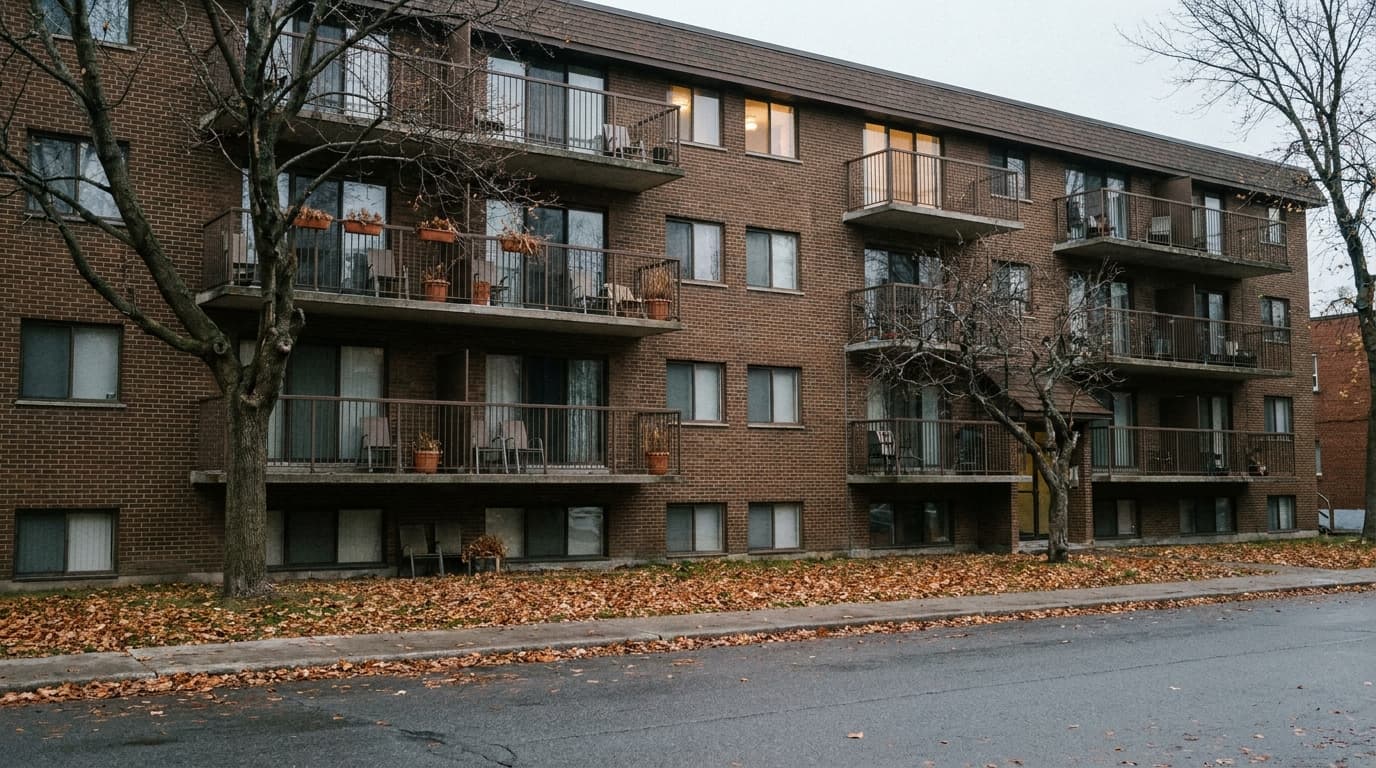
Renting a home in Manitoba comes with its own set of rules, separate from those in Ontario, British Columbia, or any other province. This guide covers the essentials for tenants in Manitoba: how rent increases work, how security deposits are handled, what has to happen before an eviction, when a landlord can enter a rental unit, and where to take a dispute that a landlord and tenant cannot resolve themselves.
Manitoba's tenancy rules apply to most residential rentals, though certain types of housing, including some social housing programs, cooperative housing, and not-for-profit life lease units, follow modified rules in some areas, such as rent increases. If it is unclear whether a tenancy is covered, the Residential Tenancies Branch can confirm.
Manitoba's Residential Tenancies Act and the RTB
Residential tenancies in Manitoba are governed by The Residential Tenancies Act, C.C.S.M. c. R119, along with its regulations. The Residential Tenancies Branch, known as the RTB, administers the Act, provides information to landlords and tenants, and resolves disputes through mediation and hearings.
When a landlord or tenant disagrees with a decision or order issued by the RTB, either side can appeal to the Residential Tenancies Commission, a separate tribunal. An appeal is a new hearing, meaning both sides present their evidence again rather than simply arguing the RTB got it wrong. Some appeals are decided by a single Chief Commissioner or Deputy Chief Commissioner, and others by a three-person panel made up of a landlord representative, a tenant representative, and a neutral chairperson. The Commission generally issues a decision within about 30 days of the hearing.
Neither a landlord nor a tenant can act unilaterally to end a tenancy or force the other side's hand. Changing the locks, removing a tenant's belongings, or shutting off utilities is not a lawful substitute for a proper notice and, where needed, an order from the RTB.
Rent Increases in Manitoba
Manitoba sets an annual rent increase guideline. For 2026, the guideline is 1.8 per cent, effective January 1, 2026, calculated from the Manitoba consumer price index. A landlord who wants to raise rent within the guideline must give at least 3 months' written notice, and in most cases can only raise rent once every 12 months. See our overview of rent increase rules across Canada for how Manitoba compares to other provinces.
Not every rental unit is subject to the guideline. Units renting for $1,670 or more a month, various social housing programs, units owned by a provincial, municipal, or federal government, not-for-profit life lease units, cooperative units, approved rehabilitated rental units, and units in buildings first occupied after March 2005 are all exempt. A landlord of an exempt unit can propose a larger increase, still subject to the standard notice and once-a-year limits.
A landlord who believes the guideline will not cover documented cost increases, such as rising property taxes, insurance, or utilities, can apply to the RTB for a larger increase. For 2026, the province has also published an economic adjustment factor of 1.1 per cent meant to help offset inflationary costs on this kind of application. A tenant who receives a rent increase notice that seems too high, arrives with too little notice, or applies to a unit that should be covered by the guideline can raise the issue with the RTB before paying the new amount.
Security Deposits in Manitoba
A landlord in Manitoba can ask for a security deposit of up to one half of one month's rent, calculated on the full rent charged, not any discounted or promotional rate. The deposit is generally held by the landlord for the length of the tenancy.
The province requires interest to be paid on deposits every year, at a rate it sets. That rate has held at 0.5 per cent annually since 2002, and remains 0.5 per cent for 2026.
When the tenancy ends, a landlord who has no claim against the deposit must return it, with interest, within 14 days. If the landlord believes some or all of the deposit should be kept for unpaid rent or damage beyond normal wear and tear, the matter can go to the RTB, which can mediate or decide the claim. A landlord cannot simply keep the deposit without a valid reason and no dispute process.
Ending a Tenancy and Eviction in Manitoba
Eviction notices in Manitoba differ by the reason a landlord is ending the tenancy. Non-payment of rent is the most common ground. Rent has to be at least 3 days past its due date before a landlord can serve a Notice of Termination for Non-Payment of Rent, using the RTB's prescribed form, Form 8 for most tenancies or Form 8.1 where tenant services charges apply. Unlike some other provinces, Manitoba's Act does not set a fixed minimum number of days the notice must give the tenant to move out. The landlord decides how much time to allow, though the notice must be on the correct form and must tell the tenant they can dispute the landlord's right to give it.
A tenant can stop the eviction at any point before the move-out date by paying everything owed. If the tenant does that, the landlord generally has to accept the payment and let the tenancy continue, unless the tenant has been habitually late paying rent, meaning late three or more times within the past year with proper written warning already given.
If the tenant does not pay and does not move out by the date in the notice, the landlord's next step is not to remove the tenant directly. The landlord must apply to the RTB for an Order of Possession. Other grounds for ending a tenancy, such as damage to the unit, illegal activity, or a serious disturbance to other tenants, use a different form and can carry a much shorter notice period, as little as 5 days in the most serious situations described in the Act.
Landlord Entry and Privacy
A rental unit remains private even though a landlord owns it. To enter for a non-emergency reason, such as a repair, inspection, or showing the unit to a prospective tenant, a landlord must give at least 24 hours' written notice, and can give that notice up to two weeks ahead of the planned visit. The notice must state the reason for entry and either a specific time or a proposed range of times.
Manitoba does not set a fixed clock window, such as a strict business-hours rule, for when entry is allowed. Instead, the time has to be reasonable given the reason for entry and the tenant's own schedule, and the RTB encourages landlords and tenants to work out timing that suits both sides. A tenant does not have to be present for a properly noticed entry to happen, but a tenant with a valid reason can ask the landlord for a different, still-reasonable time.
A landlord who enters, or tries to enter, without proper notice can be cautioned by an RTB officer. If the landlord continues entering without notice, a tenant can be allowed to end the tenancy and claim compensation for moving costs from the landlord.
Resolving a Dispute: The RTB and the Residential Tenancies Commission
Most disagreements between a Manitoba landlord and tenant, including unpaid rent, disputed entry, deposit disputes, and eviction, can be brought to the RTB, which offers information, mediation, and formal hearings. Contacting the Branch early, before a small disagreement turns into a formal notice, often resolves things faster.
If either side disagrees with an RTB order or decision, they can appeal to the Residential Tenancies Commission. Filing an appeal generally involves a fee, though it can be waived in some circumstances, such as for a person receiving income assistance. Because an appeal is a full new hearing, both sides should be ready to present their evidence again rather than assuming the Commission will simply review what the RTB already decided.
Keeping a written record, including copies of notices, receipts, and photos of the unit's condition at move-in and move-out, makes any dispute at either the RTB or the Commission easier to prove. For an overview of tenant protections across the country, see the guide to Canada tenant rights, or browse Canadian law by province for other topics.
Disclaimer
This page is general information about tenant rights in Manitoba under The Residential Tenancies Act, C.C.S.M. c. R119, verified against gov.mb.ca sources as of 19 July 2026. It is not legal advice. Rules can change, and specific situations, such as social housing, cooperative housing, or a tenancy with shared living arrangements, may be handled differently. For advice about a specific tenancy, contact the Residential Tenancies Branch, the Residential Tenancies Commission, or a lawyer or tenant advocacy organization in Manitoba.
Frequently Asked Questions
What law governs renting in Manitoba?
The Residential Tenancies Act, C.C.S.M. c. R119, administered by the Residential Tenancies Branch. Appeals of RTB decisions go to the Residential Tenancies Commission.
What is the rent increase guideline in Manitoba for 2026?
1.8 per cent, effective January 1, 2026. It applies once every 12 months with at least 3 months' written notice, but units renting for $1,670 or more a month, certain social and non-profit housing, and buildings first occupied after March 2005 are exempt.
How much can a landlord charge for a security deposit in Manitoba?
No more than one half of one month's rent, based on the full rent amount. The province requires annual interest, which has held at 0.5 per cent since 2002, and the deposit must be returned within 14 days of the tenancy ending if the landlord has no claim against it.
How much notice does a landlord have to give to evict a tenant for unpaid rent in Manitoba?
Rent must be at least 3 days late before a landlord can give the notice, but Manitoba's Act does not set a fixed minimum number of days the notice must allow the tenant to move out. A tenant who pays everything owed before moving out generally keeps the tenancy, and if the tenant does not pay or move, the landlord must apply to the RTB for an Order of Possession rather than removing the tenant directly.
Can my landlord enter my rental unit whenever they want in Manitoba?
No. Outside of a properly noticed visit, a landlord generally must give at least 24 hours' written notice stating the reason, and the time has to be reasonable for the purpose of entry and the tenant's schedule, not any fixed clock window. Entering without proper notice can lead to a caution from the RTB, and repeated violations can let a tenant end the tenancy and claim moving costs.
Sources and References
- Residential Tenancies Branch (Manitoba): Overview and services(gov.mb.ca).gov
- Residential Tenancies Branch: Current rent increase guideline (2026, 1.8%)(gov.mb.ca).gov
- Residential Tenancies Branch: Security deposit interest rate (0.5% for 2026)(gov.mb.ca).gov
- Residential Tenancies Branch: Refunding a security deposit (14-day return)(gov.mb.ca).gov
- Residential Tenancies Branch: Landlord entry and tenant privacy (24-hour notice, reasonable times)(gov.mb.ca).gov
- Residential Tenancies Branch: Notice of termination for non-payment of rent(gov.mb.ca).gov
- Residential Tenancies Commission (Manitoba): Appeals of RTB orders and decisions(gov.mb.ca).gov
- Manitoba Laws: The Residential Tenancies Act, C.C.S.M. c. R119(gov.mb.ca).gov