
Canada
Landlord Entry and Tenant Privacy Rules in Canada
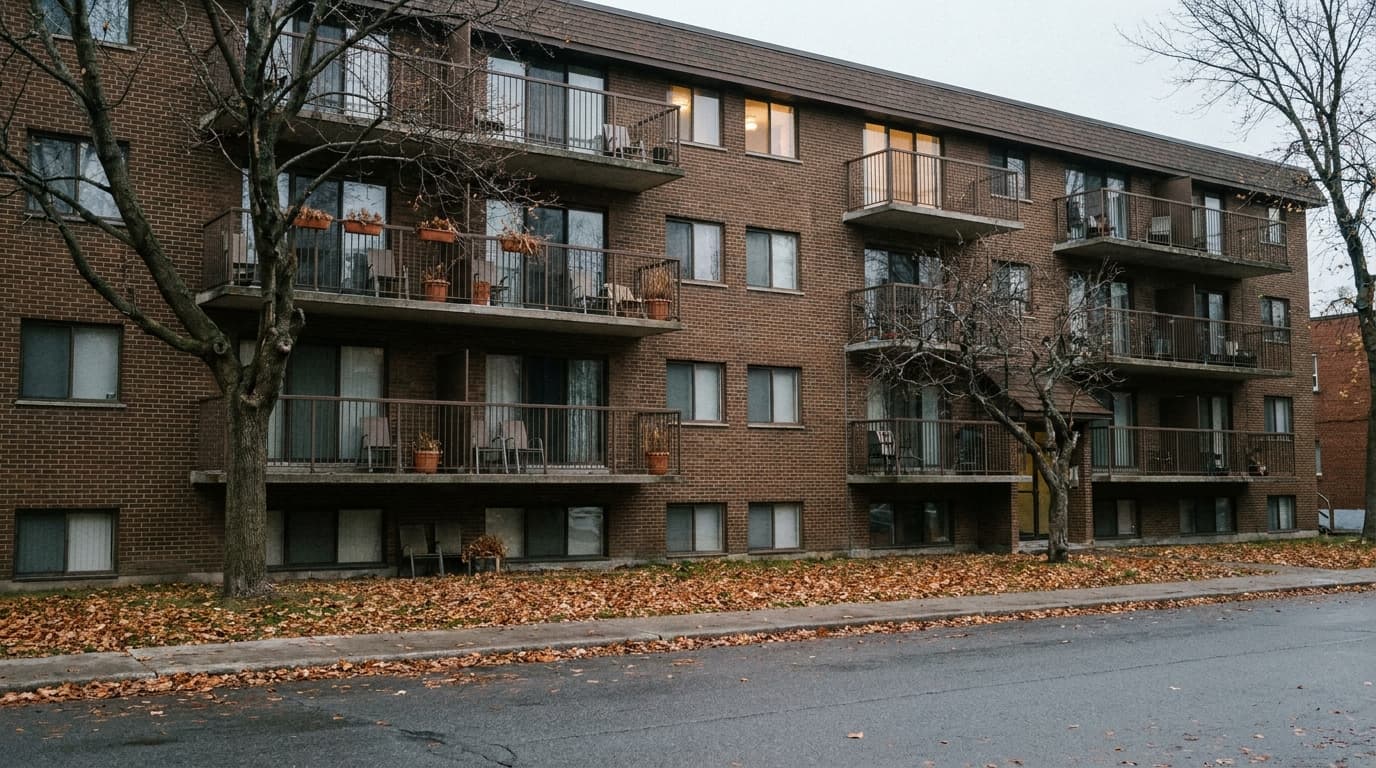
In Canada, a landlord cannot enter a tenant's rental unit whenever they choose. Provincial tenancy law requires advance written notice, usually 24 hours, for a specific and reasonable purpose, and it permits entry without any notice only in a genuine emergency or with the tenant's consent.
Information last verified on 19 July 2026. This guide is general legal information, not legal advice.
Jurisdiction scope: Residential tenancy law is set by each province and territory, not one federal statute. This guide compares Ontario, British Columbia, Quebec, Alberta, Manitoba, and Nova Scotia; see the Canada tenant rights hub for other provinces, which generally follow a similar 24-hour model. The camera and recording sections draw on federal law, the Criminal Code and PIPEDA, or the equivalent provincial privacy statute in British Columbia, Alberta, and Quebec. General information, not advice on a specific tenancy.
Can a landlord enter without notice in Canada?
No. In every Canadian province, a landlord's right to enter a rented home is limited by statute, not by ownership of the property. Once a tenant takes possession under a lease, the unit is the tenant's home for tenancy-law purposes, and access is restricted to circumstances set out in the applicable residential tenancies act.
The rule is similar across the country: entry requires advance written notice, a permitted purpose, and a reasonable time of day. Ontario's Residential Tenancies Act, 2006 prohibits a landlord from substantially interfering with a tenant's reasonable enjoyment of the unit. British Columbia's Residential Tenancy Act protects a tenant's right to reasonable privacy as part of quiet enjoyment. Quebec's Civil Code obliges a lessor to provide peaceable enjoyment of the property throughout the lease. The narrow exceptions are a genuine emergency and the tenant's own consent at the time.
How much notice must a landlord give, and at what hours?
The starting point in most provinces is the same number: 24 hours. Ontario, British Columbia, Quebec, Alberta, Manitoba, and Nova Scotia all require at least 24 hours' notice before routine entry, though the permitted entry hours, the maximum notice window, and whether verbal notice is enough differ by province.
| Province | Minimum notice | Permitted entry hours | Written notice required |
|---|---|---|---|
| Ontario | 24 hours | 8 a.m. to 8 p.m. | Yes |
| British Columbia | 24 hours, not more than 30 days | 8 a.m. to 9 p.m. | Yes |
| Quebec | 24 hours | 9 a.m. to 9 p.m. | Verbal or written |
| Alberta | 24 hours | Reasonable hours, generally 8 a.m. to 8 p.m. | Yes |
| Manitoba | 24 hours, not more than 2 weeks | Reasonable times (no fixed hours set) | Yes |
| Nova Scotia | 24 hours | 9 a.m. to 9 p.m. | Yes |
The notice must state the reason and the date and time of entry, inside the province's permitted window. A landlord who gives only a vague heads-up, or a few hours short of the required period, has not given valid notice; Ontario's Landlord and Tenant Board has found even a small shortfall makes an entry unauthorized.
What counts as a valid reason for entry?
A landlord cannot enter simply because they own the building. Provincial statutes list specific permitted purposes, similar from province to province: carrying out repairs and maintenance, inspecting the unit's general condition, letting a mortgage lender, insurer, or qualified professional inspect it, and showing the unit to a prospective buyer.
Ontario and British Columbia set out this kind of closed list for entry with 24 hours' notice. Quebec's Civil Code frames it as the lessor's right to ascertain the property's condition, carry out work, or have it visited by a prospective purchaser, exercised reasonably. Entry has to match the stated purpose; a landlord who gives notice for a repair and instead looks through personal belongings has gone beyond what the law allows.
When can a landlord enter without any notice at all?
Only in narrow circumstances. Every province recognizes a genuine emergency, such as fire, flooding, or a gas leak, as grounds for immediate entry without notice. A landlord can also enter at any time with the tenant's consent given at that moment, though the consent has to be real, not something the tenant felt pressured into.
Quebec allows urgent repairs, such as a major plumbing leak, without advance notice. British Columbia also permits entry under an arbitrator's or court order, or where the unit appears abandoned. Outside these situations, a landlord who lets themselves in with a key while the tenant is out has not complied with the Act, even if nothing goes wrong.
Can a landlord show my unit to prospective tenants before I move out?
Yes, but it depends on where things stand. While the lease is ongoing and no notice to end it has been given, a landlord showing the unit to a prospective tenant or buyer still needs 24 hours' written notice, the same as for a repair visit.
Once the tenancy is ending, either by the tenant's own notice or a landlord's eviction order, the rules loosen. In Ontario, a landlord may show the unit to prospective tenants between 8 a.m. and 8 p.m. after a reasonable effort to inform the current tenant, without a full 24-hour notice each time. In Quebec, once notice of non-renewal has been given, the lessor can have the unit visited without the usual advance notice, though the parties are generally encouraged to agree on timing. A tenant uncomfortable with the frequency of showings can still raise it with the provincial tribunal if visits become excessive.
What can a tenant do if a landlord enters illegally?
Start by documenting what happened: the date, time, who entered, and why, with photos of anything disturbed. A single late-notice visit and a pattern of unannounced entries are treated differently, so a record matters if the problem continues.
Every province gives tenants a path to the tenancy tribunal. In Ontario, a tenant can file Form T2 with the Landlord and Tenant Board, which can order the landlord to stop, pay compensation, or reduce rent. In British Columbia, a tenant can apply for dispute resolution through the Residential Tenancy Branch, which can issue a monetary order or let the tenant change the locks. In Quebec, the Tribunal administratif du logement can order access on conditions, or award damages, where a lessor has repeatedly ignored the rules.
Can a landlord put a security camera in my rental unit?
Generally, no. The Office of the Privacy Commissioner of Canada has stated that cameras should not capture the inside of a tenant's apartment, and a landlord who installs one there is collecting personal information without the purpose and consent privacy law requires. In Ontario, an unauthorized camera inside a unit has been treated by the Landlord and Tenant Board as interference with reasonable enjoyment, giving grounds to apply for its removal and compensation.
Cameras in shared hallways, entrances, parking areas, or the building's exterior are more commonly permitted, since they do not capture private living space, but they are not a blank cheque. A landlord running one is still collecting personal information about tenants and visitors, so they should identify its purpose, post signage, and limit who can access the footage. These obligations come from PIPEDA federally, or British Columbia's, Alberta's, or Quebec's own private-sector statute where it applies instead. See Canada data privacy laws for the fuller picture.
Can I record my landlord or property manager?
Generally, yes, if you are a participant in the conversation. Canada's Criminal Code makes it an offence to intercept a private communication using a recording device, but that offence does not apply where the person recording is the originator or intended recipient, often called one-party consent. In practice, a tenant present for a conversation with their landlord, superintendent, or property manager can generally record it without telling the other person first.
That exception covers the tenant's own conversations, not a hidden recorder capturing other people's private conversations the tenant is not part of, and provincial privacy law can still govern how a recording is stored and used. See Canada recording laws for the full rules on consent and how recordings can be used, including before a tenancy tribunal.
Disclaimer
This article is general legal information about landlord entry and tenant privacy rules in Canada, current as of 19 July 2026. It summarizes provincial tenancy statutes and federal privacy and recording law, but it does not cover every province and territory in detail, and it is not legal advice about a specific tenancy. Notice periods and remedies can change, and applying them to a real dispute depends on the facts. For advice on a specific situation, contact a lawyer or paralegal licensed in your province, or your provincial tenancy tribunal, such as Ontario's Landlord and Tenant Board, British Columbia's Residential Tenancy Branch, or Quebec's Tribunal administratif du logement. For related guides, see Canada tenant rights, repairs and maintenance obligations, and Canadian law by province.
Frequently Asked Questions
Can my landlord enter my apartment without notice in Canada?
Generally no. Every province requires advance notice, usually at least 24 hours in writing, before entry for a routine purpose such as repairs or an inspection. The main exceptions are a genuine emergency, such as fire or flooding, or the tenant's own consent given at the time.
How much notice does a landlord have to give before entering in Ontario?
Under the Residential Tenancies Act, 2006, an Ontario landlord must give at least 24 hours' written notice stating the reason, date, and time, and entry has to occur between 8 a.m. and 8 p.m. The Landlord and Tenant Board treats even a small shortfall as an illegal entry.
Can my landlord install a security camera inside my rental unit?
Generally no. The Office of the Privacy Commissioner of Canada has advised that cameras should not capture the inside of a tenant's apartment, and doing so without proper purpose and consent can breach federal or provincial privacy law. In Ontario, this has also been treated as interference with reasonable enjoyment of the unit.
What can I do if my landlord keeps entering without proper notice?
Document each incident, then apply to your province's tenancy tribunal, such as Ontario's Landlord and Tenant Board using Form T2, British Columbia's Residential Tenancy Branch, or Quebec's Tribunal administratif du logement. These bodies can order the landlord to stop, and award compensation or a rent reduction.
Can I legally record a conversation with my landlord?
Generally yes. Section 184(2)(a) of the Criminal Code lets a party to a private communication consent to its interception, so a tenant present for a conversation with their landlord can usually record it without the landlord's knowledge. This does not extend to recording other people's private conversations the tenant is not part of.
The Law Behind This Article
This article rests on the statutory provisions below, held in our own legal record and retrieved from the official source. Tap a section to read the operative text.
Residential Tenancy Act (British Columbia)
s. 28Protection of tenant's right to quiet enjoymentIn forcecited in 2 of our articles
A tenant is entitled to quiet enjoyment including, but not limited to, rights to the following: a reasonable privacy; b freedom from unreasonable disturbance; c exclusive possession of the rental unit subject only to the landlord's right to enter the rental unit in accordance with section 29 [landlo
Official text (excerpt) · last checked 2026-08-13 · Read the full text in our law library · Verify at bclaws.gov.bc.ca
Criminal Code
s. 184InterceptionIn forcecited in 55 of our articles
(1) Every person who, by means of any electro-magnetic, acoustic, mechanical or other device, knowingly intercepts a private communication is guilty of (a) an indictable offence and liable to imprisonment for a term of not more than five years; or (b) an offence punishable on summary conviction. (2) Subsection (1) does not apply to (a) a person who has the consent to intercept, express or implied, of the originator of the private communication or of the person intended by the originator thereof to receive it; (b) a person who intercepts a private communication in accordance with an authorization or pursuant to section 184.4 or any person who in good faith aids in any way another person who the aiding person believes on reasonable grounds is acting with an authorization or pursuant to section 184.4;
Official text (excerpt) · last checked 2026-08-12 · Read the full text in our law library · Verify at laws-lois.justice.gc.ca
Cited in 5 court opinions in our collectionLatest citing opinion in our collection: 2023
Opinions citing this section in our collection:
- X (Re) (Federal Court 2017, 2017 FC 1047)
- Canada (Information Commissioner) v. Canada (Transportation Accident Investigation and Safety Board) (Federal Court 2005, 2005 FC 384)
- Morgan v. Alta Flights (Charters)Inc. (Federal Court 2005, 2005 FC 421)
Identified automatically from the court opinions citing this section — not a ranking of which case controls.
Also relied on in: Canadian Law by Province: Federal and Provincial Guide, Dash Cam Laws in Canada: Rules, Audio Consent, Evidence, Workplace Privacy and Employee Monitoring in Canada
Search our full record of US law — 2.1 million sections, every state + federal →
Sources and References
- Criminal Code, RSC 1985, c C-46, s 184(2)(a) (one-party consent exception to interception of private communications)(laws-lois.justice.gc.ca).gov
- Residential Tenancies Act, 2006, SO 2006, c 17, ss 22, 26-27 (Ontario: reasonable enjoyment and landlord's right of entry)(canlii.org)
- Landlord and Tenant Board, Interpretation Guideline 19: The Landlord's Right of Entry into a Rental Unit(tribunalsontario.ca).gov
- Landlord and Tenant Board, Form T2: Application About Tenant Rights(tribunalsontario.ca).gov
- Residential Tenancy Act, SBC 2002, c 78, ss 28-29 (British Columbia: quiet enjoyment and landlord's right of entry)(bclaws.gov.bc.ca).gov
- Government of British Columbia: Landlord access to rental units(www2.gov.bc.ca).gov
- Civil Code of Quebec, CQLR c CCQ-1991, arts 1854, 1857, 1931 (peaceable enjoyment and the lessor's right of visit)(canlii.org)
- Tribunal administratif du logement: Access to the dwelling and visiting rights(tal.gouv.qc.ca).gov
- Office of the Privacy Commissioner of Canada: Privacy in the landlord and tenant relationship (PIPEDA)(priv.gc.ca).gov
- Residential Tenancies Act, RSA 2000, c R-17.1: Landlord's right of entry, statutory references (Alberta)(servicealberta.gov.ab.ca).gov