
Canada
Renovictions and Bad-Faith Evictions in Canada
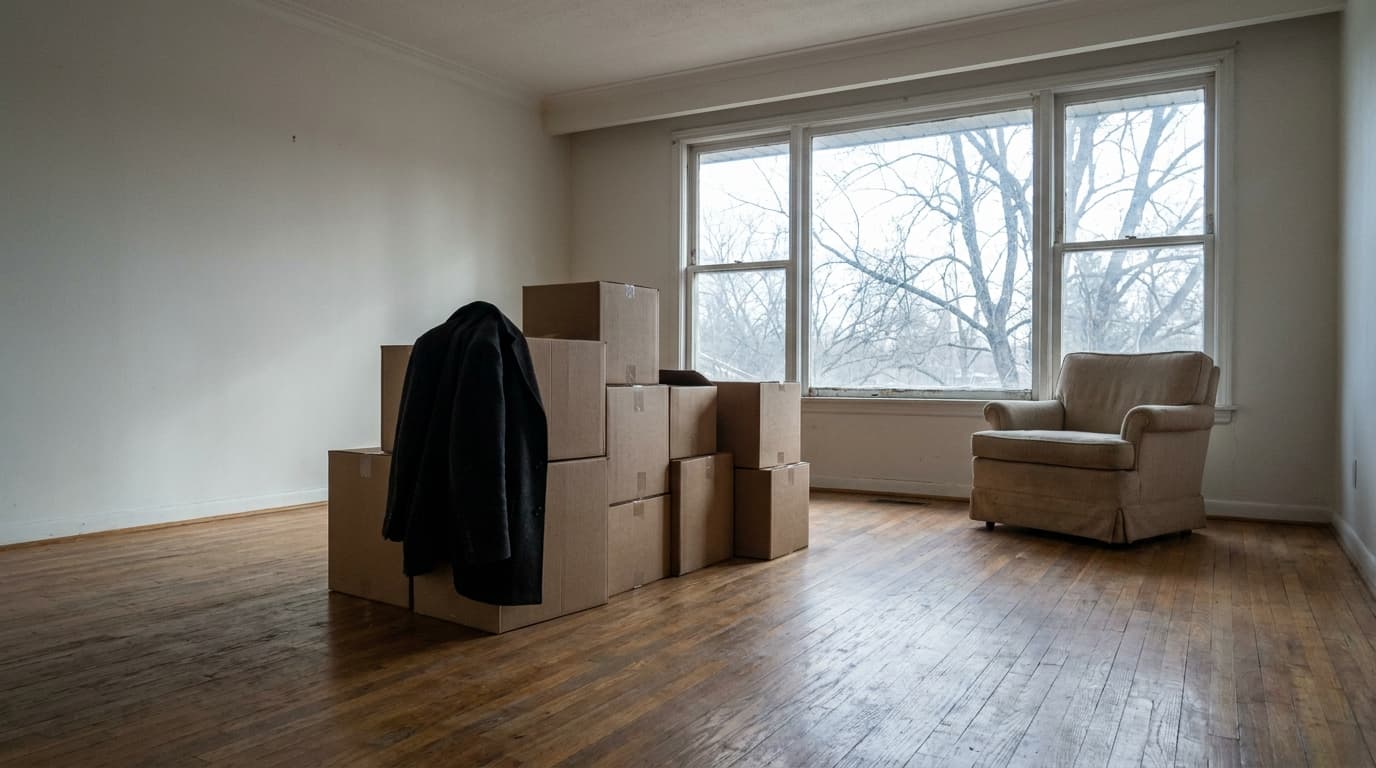
A renoviction happens when a landlord ends a tenancy on the basis that a renovation, repair or demolition requires the unit to be vacant, sometimes as a way to re-rent the unit at a higher price once the tenant is gone. Ontario and British Columbia have each tightened their rules on this kind of eviction in recent years, adding permit requirements, longer notice periods, and financial penalties for landlords who do not follow through.
This article covers renovation-based evictions under Ontario's Residential Tenancies Act, 2006 (the N13 notice) and British Columbia's Residential Tenancy Act, including the 2024 reforms to notice periods and bad-faith penalties. Other provinces regulate renovation evictions under their own tenancy legislation, with different forms, timelines and tribunals; for a wider view of notice rules across the country, see eviction notices, and for the separate ground of a landlord or purchaser moving in personally, see the N12 and landlord's own use. For an overview of tenant protections generally, see Canada tenant rights.
What Is a Renoviction?
"Renoviction" is not a term defined in any Canadian statute. It describes a pattern: a landlord serves a notice claiming that a renovation, repair, conversion or demolition requires the tenant to move out, but the underlying reason, or the scale of the work, does not genuinely require an empty unit.
Genuine major renovations, the kind that need a building permit and structural work throughout a unit, are a lawful ground to end a tenancy in most provinces. The legal problem arises when a landlord uses that ground without a real intention to complete the stated work, often to avoid rent control on a sitting tenant and re-rent at market rate. Ontario and British Columbia have both responded with stricter documentation requirements and financial consequences for landlords who do this.
Ontario: The N13 Notice for Renovation, Repair or Demolition
Under section 50 of the Residential Tenancies Act, 2006, a landlord can end a tenancy using Form N13 if repairs or renovations are so extensive that they require both a building permit and vacant possession of the unit. Demolition and conversion to non-residential use are also covered by the N13. A landlord must show both elements, the permit requirement and the need for vacancy, before the Landlord and Tenant Board (LTB) will grant an eviction order.
The termination date on an N13 must be at least 120 days after the notice is given (one year for a mobile home park or land lease community), and it must fall on the last day of a rental period or the end of a fixed lease term. This is longer than the notice period for most other eviction grounds in Ontario.
For an N13 or any other Ontario notice, the Ontario tenancy notice calculator works out the earliest valid termination date based on how the notice was delivered and the type of tenancy.
Tenants who are displaced for repairs or renovations generally have a right of first refusal: the right to move back into the unit, at a rent no higher than the landlord could lawfully have charged had the tenancy not been interrupted, once the work is finished, provided the tenant gives the landlord written notice of that intention before moving out. A landlord cannot refuse a valid request to return or charge more than that rent to a tenant who exercised that right. If the tenant gives that written notice on or after September 21, 2026, the landlord must tell the tenant in writing, without delay, the estimated date the work will be finished, any change to that date, and when the unit is ready. Where the unit becomes ready for occupancy on or after that date, the landlord must also give the tenant at least 60 days from the day it is ready to move back in. A landlord who skips any of these steps is deemed, for a T5 application, to have denied the tenant the right of first refusal.
Compensation also applies. In a building with fewer than five units, the landlord owes the equivalent of one month's rent, or another acceptable rental unit. In a building with five or more units, a tenant who wants to return is entitled to be paid rent for the period the unit is under renovation, up to three months, and a tenant who does not want to return is entitled to three months' rent or a comparable unit. This is a different notice ground from a landlord or purchaser moving in personally; see the N12 and landlord's own use for how that process works.
Toronto has added a municipal layer on top of the provincial rules. Since enforcement began on July 31, 2025, a landlord serving an N13 in Toronto must also obtain a Rental Renovation Licence from the city, which requires a licensed professional's declaration that vacant possession is genuinely necessary, proof of the required permits, and compensation or accommodation commitments to the tenant, in addition to whatever the LTB process requires.
Ontario: Bad-Faith Renovictions and the T5 Application
A tenant who moved out after receiving an N12 or N13 notice, and who believes the landlord did not act honestly, can file Form T5 with the LTB asking it to determine that the notice was given in bad faith. This includes situations where the landlord never intended to do the stated work, did not actually need the unit vacant, or re-rented the unit at a higher rent instead of completing genuine renovations.
If the LTB finds bad faith, it can order the landlord to pay the difference between the tenant's old rent and the rent at comparable accommodation for up to a year, moving and storage costs, general damages, and an amount up to the equivalent of 12 months of the rent the tenant was previously paying. The 12-month figure is a maximum the LTB can award, not an automatic entitlement, and it applies whether or not the tenant can document specific out-of-pocket losses.
British Columbia: Renovation Evictions Since the 2024 Reforms
British Columbia's Residential Tenancy Act sets out its own conditions for ending a tenancy for renovations or repairs. Under section 49.2, a landlord must apply to the Residential Tenancy Branch (RTB) for a dispute resolution decision, rather than simply serving a notice that takes effect on its own. To succeed, the landlord must show that it intends in good faith to renovate or repair the unit, that it already has all necessary permits and government approvals, that the work is necessary to prolong or sustain the use of the rental unit or building, and that ending the tenancy is the only reasonable way to get the vacancy the work requires.
A director (arbitrator) at the RTB must be satisfied that all of those conditions are met before granting an order ending the tenancy and an order of possession. Landlords apply through the RTB's online Additional Landlord Intake portal, which requires them to document the permits and the scope of work up front rather than after the fact.
Once an order is granted, the standard effective notice period is four months, an increase from the two months that applied before the 2024 changes. The tenant is entitled to compensation equal to one month's rent under section 51.4(1) of the Act. In a building with five or more rental units, a displaced tenant has a right of first refusal to move back in, exercised using RTB Form 28, and the landlord must give 45 days' notice of availability before the unit is ready.
British Columbia: The 12-Month Bad-Faith Penalty
BC's Residential Tenancy Act backs up the good-faith requirement with a specific financial penalty. Under section 51.4(4), if the landlord does not accomplish the renovations or repairs within a reasonable period after the effective date of the order, the landlord must pay the tenant an additional amount equal to 12 times the monthly rent, on top of the one month's rent already owed.
Section 51.4(5) allows the director to excuse the landlord from that additional payment if extenuating circumstances prevented the work from being completed in a reasonable time. In practice, this puts the burden on the landlord to show what happened to the stated renovation plan; a tenant does not need to prove the landlord's state of mind at the time notice was given, only that the work was not actually accomplished within a reasonable period.
Other Provinces
Alberta, Quebec, Manitoba, Saskatchewan, Nova Scotia and the other provinces each regulate ending a tenancy for major repairs, renovation, demolition or a change of use under their own residential tenancy legislation, with their own forms, notice periods and tribunals. The specifics differ enough from Ontario's and BC's rules that they are not summarized here in detail. A tenant or landlord in another province should confirm the current process directly with that province's residential tenancy office rather than assuming the Ontario or BC rules apply. For a comparison of general eviction notice periods by province, see eviction notices.
What to Do If You Receive a Renovation Eviction Notice
- Confirm the notice is on the correct official form and states the ground relied on, such as renovation, repair, demolition or conversion.
- Ask whether the landlord has the permits the law requires, and, in Ontario, whether a building permit has actually been issued for the stated work.
- Check that the notice period meets the legal minimum for that ground and province, currently 120 days in Ontario and 4 months in British Columbia for renovation grounds.
- If you want to return, put your intention to exercise the right of first refusal in writing before you move out, and keep a copy.
- Keep records, including the notice itself, any correspondence, and dates, in case the landlord does not follow through on the stated renovation and a bad-faith claim becomes necessary later.
- If anything about the notice seems wrong, dispute it with the provincial tenancy tribunal rather than assuming it must be followed as given.
For the general rules on how eviction notices work across the country, see eviction notices. For other tenant protections by jurisdiction, see Canadian law by province.
Disclaimer
This article provides general information about renovation-based eviction rules in Ontario and British Columbia. It is not legal advice and does not create a lawyer-client relationship. Renoviction rules depend on the province, the specific facts of the renovation or repair, and the stage of the process, and they change over time, including through municipal bylaws such as Toronto's Rental Renovation Licence requirement. A tenant or landlord facing an actual renovation eviction notice should confirm current rules with the applicable provincial tenancy tribunal, and consult a licensed lawyer or paralegal where the amounts or stakes involved are significant.
Frequently Asked Questions
What is a renoviction?
A renoviction is when a landlord ends a tenancy by claiming that a renovation, repair, conversion or demolition requires the unit to be vacant, sometimes as a way to re-rent the unit at a higher price once the tenant leaves. It is not a term used in the statutes themselves, but both Ontario and British Columbia have added rules aimed specifically at this pattern.
How much notice does a landlord have to give for a renovation eviction in Ontario?
At least 120 days under an N13 notice, with the termination date falling on the last day of a rental period or lease term. Mobile home parks and land lease communities require one year of notice instead.
How much notice is required for a renovation eviction in British Columbia?
Four months, once the Residential Tenancy Branch grants an order ending the tenancy. The landlord must already hold the required permits and apply through the RTB's dispute resolution process before that four-month period starts.
Can I move back into my unit after the renovation is finished?
In Ontario, tenants displaced by an N13 generally have a right of first refusal to return, at a rent no higher than the landlord could lawfully have charged had the tenancy not been interrupted, if they give the landlord written notice before moving out. In British Columbia, the same kind of right applies in buildings with five or more rental units, exercised using RTB Form 28.
What happens if the landlord does not actually complete the renovation or re-rents the unit instead?
In Ontario, a tenant can file Form T5 asking the Landlord and Tenant Board to find the original notice was given in bad faith, which can result in an order for rent-difference compensation, moving costs, and up to 12 months' rent. In British Columbia, a landlord who does not accomplish the stated renovation within a reasonable time after the order must pay an additional 12 months' rent under section 51.4(4) of the Residential Tenancy Act, unless the arbitrator excuses this for extenuating circumstances.
Updates
Updated for Ontario's Bill 60 changes in force September 21, 2026: a landlord must now keep a returning N13 tenant informed in writing and give 60 days' notice to move back in.
The Law Behind This Article
This article rests on the statutory provisions below, held in our own legal record and retrieved from the official source. Tap a section to read the operative text.
Residential Tenancy Act (British Columbia)
s. 49.2Director's orders: renovations or repairsIn forcecited in 2 of our articles
1 Subject to section 51.4 [tenant's compensation: section 49.2 order] and any prescribed conditions, restrictions or prohibitions, a landlord may make an application for dispute resolution requesting an order ending a tenancy, and an order granting the landlord possession of the rental unit, if all
Official text (excerpt) · last checked 2026-08-13 · Read the full text in our law library · Verify at bclaws.gov.bc.ca
Search our full record of US law — 2.1 million sections, every state + federal →
Sources and References
- Residential Tenancies Act, 2006, SO 2006, c 17, s 50 (Ontario: notice of termination for repairs/renovation requiring a building permit and vacant possession)(canlii.org)
- Tribunals Ontario (Landlord and Tenant Board) - Brochure: How a Landlord Can End a Tenancy (N13 notice period, right of first refusal, compensation)(tribunalsontario.ca).gov
- Tribunals Ontario (Landlord and Tenant Board) - Form T5 Instructions: Landlord Gave a Notice of Termination in Bad Faith(tribunalsontario.ca).gov
- City of Toronto - Rental Renovation Licence Bylaw: Information for Landlords(toronto.ca).gov
- Residential Tenancy Act, SBC 2002, c 78, ss 49.2, 51.4 (British Columbia: renovation eviction application, permit and good-faith requirements, base and additional 12-month bad-faith compensation)(bclaws.gov.bc.ca).gov
- Government of British Columbia - Renovictions: permit requirements, dispute resolution application, right of first refusal for 5+ unit buildings(gov.bc.ca).gov
- Government of British Columbia - Types of evictions (notice periods and compensation across grounds, including renovation/demolition)(gov.bc.ca).gov