
Canada
Window Tint Laws in New Brunswick: The Only Province That Allows Full-Windshield Tint
Independently fact-checked against primary sources (last audited August 16, 2026). · 2 primary sources cited on this page. How we verify our legal content
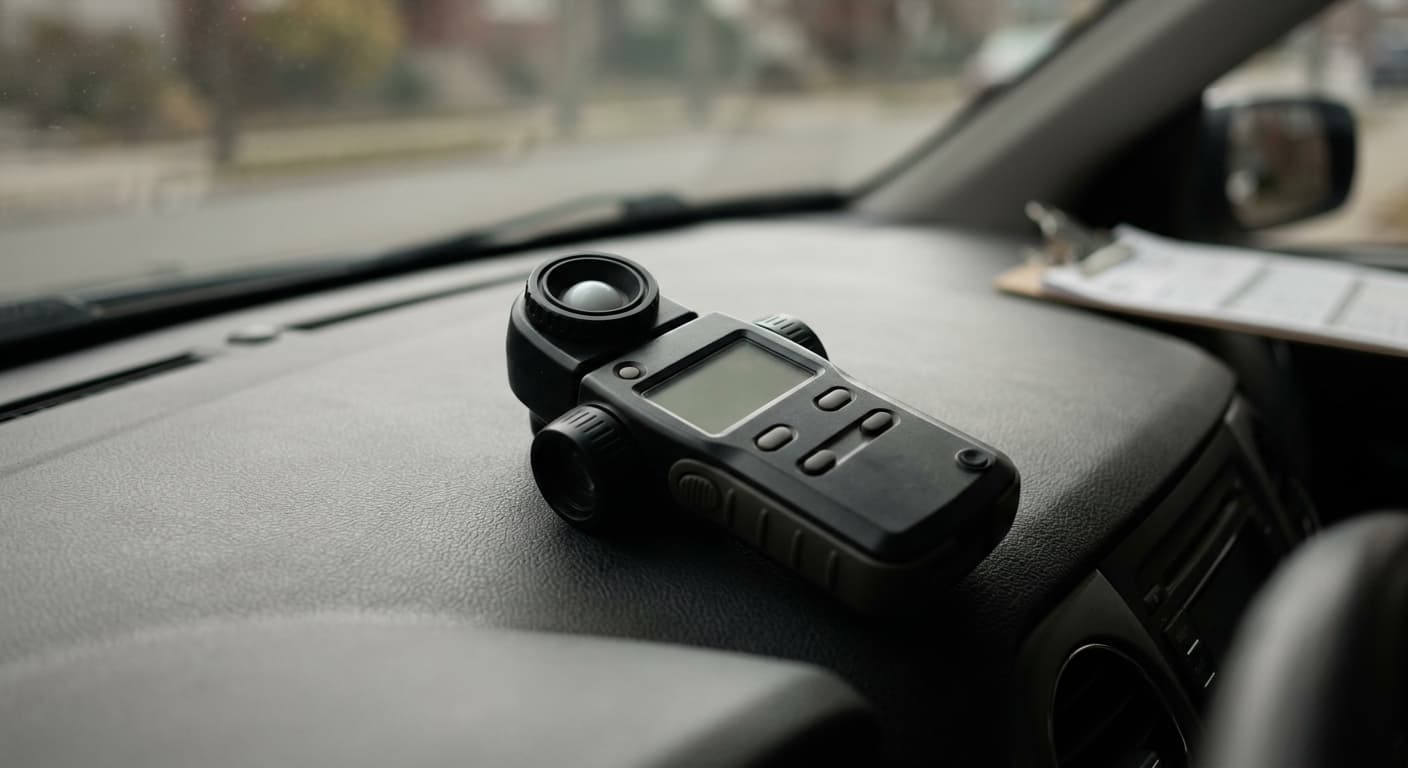
New Brunswick caps light blocked at 30 percent on the windshield and front side windows, and it is the only province that applies that limit to the entire windshield rather than carving out just a top strip.
Information last verified on 2026-08-16. This article has not yet been reviewed by a licensed lawyer.
A Percentage Standard, Set Inside the Act Itself
New Brunswick regulates tint through section 238 of the Motor Vehicle Act, R.S.N.B. 1973, c. M-17, titled "Obstruction of driver's view." Unlike Nova Scotia or Alberta, New Brunswick does not delegate the rule to a separate equipment regulation; the operative language sits directly in the Act. For how the rest of the country structures this same question, see window tint laws in Canada, which compares New Brunswick's percentage standard against the outright bans several other provinces use instead.
Section 238(1.11) prohibits placing or installing any colour spray, coloured material, or opaque or reflective material on the front windshield, or on the side wings or side windows to the right or left of the driver, that prevents more than 30 percent of light from passing through in either direction when measured by a photometer. Section 238(1.4) restates the same 30 percent cap as an operating prohibition, covering a vehicle already on the highway with material installed that exceeds the limit. Together, the two provisions mean a vehicle cannot be built with, or driven with, tint on those windows that blocks more than 30 percent of light, which is the same as saying at least 70 percent of light must pass through.
The Distinctive Part: The Whole Windshield, Not Just a Strip
Most provinces that use a numeric standard, including Ontario, British Columbia, Alberta, and Quebec, exempt only a narrow strip along the top of the windshield from their percentage rule, following the AS-1 line used on factory glass, and otherwise restrict the windshield itself far more tightly or ban tint on it entirely below that strip. New Brunswick's section 238 does not draw that distinction. The 30 percent cap in both 238(1.11) and 238(1.4) applies to "the front windshield" as a whole, with no separate windshield-strip clause anywhere in the section.
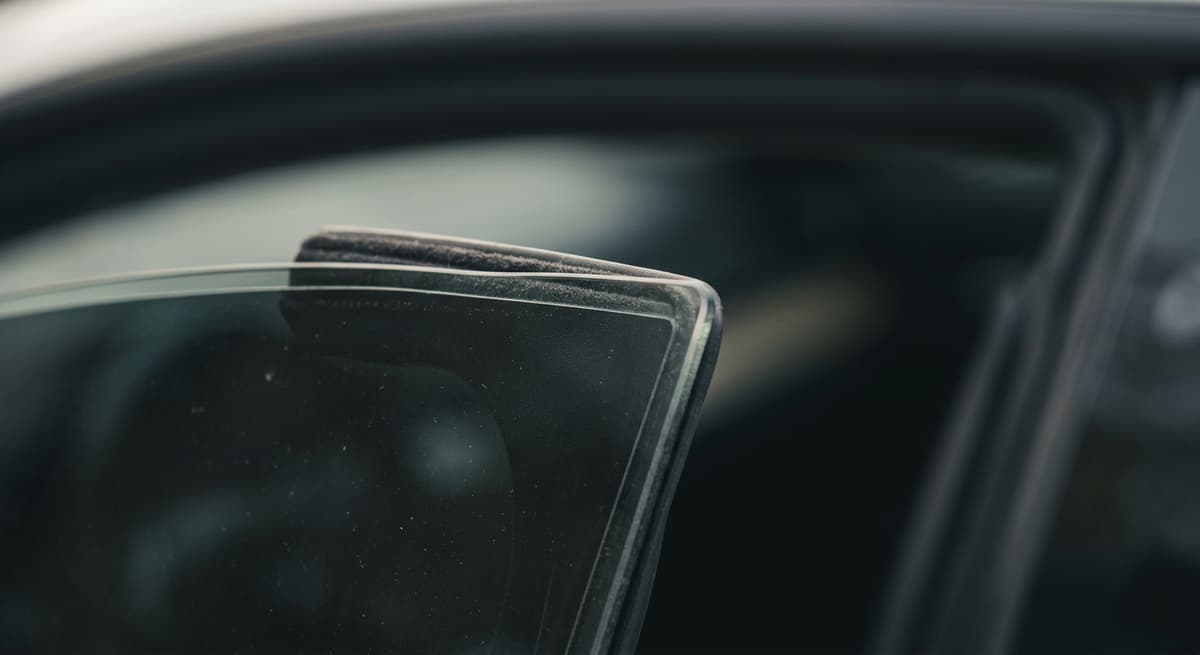
That makes New Brunswick the only province in this series that permits aftermarket tint film across the full windshield, provided the film clears the 70 percent light-transmission reading. A driver moving to New Brunswick from a province with a windshield-strip rule should not assume the same narrow strip logic applies here; the New Brunswick standard is genuinely broader.
A Second, Independent Standard Still Applies
Clearing the photometer reading is not the only requirement. Sections 238(1.1) and 238(1.3) separately prohibit any material on the front windshield or front side windows, whether tinted or not, that obstructs the driver's clear view or substantially obscures the vehicle's interior when viewed from outside. This is a qualitative, officer-assessed standard that operates independently of the numeric cap. A film that measures at or under the 30 percent block limit on a photometer can still be a violation if it otherwise obstructs the driver's view or hides the interior from outside observation.
Section 238(1) separately bans non-transparent material, such as opaque signs or coverings, on the front windshield, side wings, or side and rear windows, and bans dashboard ornaments that obstruct the driver's view. That provision covers all four glass areas for opaque objects specifically and is distinct from the tint-percentage rule in 238(1.11) and (1.4).
Factory Glazing Is Exempt
Section 238(1.2) exempts windshields and side windows installed during initial manufacture or assembly, and replacement glazing equivalent to the factory original, from the two installation prohibitions, 238(1.1) and 238(1.11), covering the obstruction standard and the 30 percent cap. The subsection does not separately name the matching operating prohibitions, 238(1.3) and 238(1.4), though factory glazing was never treated, coated, or covered in the way those provisions target, so it is not expected to trip them either. Aftermarket film applied after the vehicle leaves the factory is what all four subsections work together to govern.
Rear Windows Fall Outside the Cap
The 30 percent limit in sections 238(1.11) and 238(1.4) names only the front windshield and the side wings or side windows to the right or left of the driver. Rear side windows and the rear windshield are not covered by that numeric cap, consistent with how most other provinces in this series treat the back of the vehicle, though rear windows remain subject to section 238(1)'s separate ban on non-transparent material.
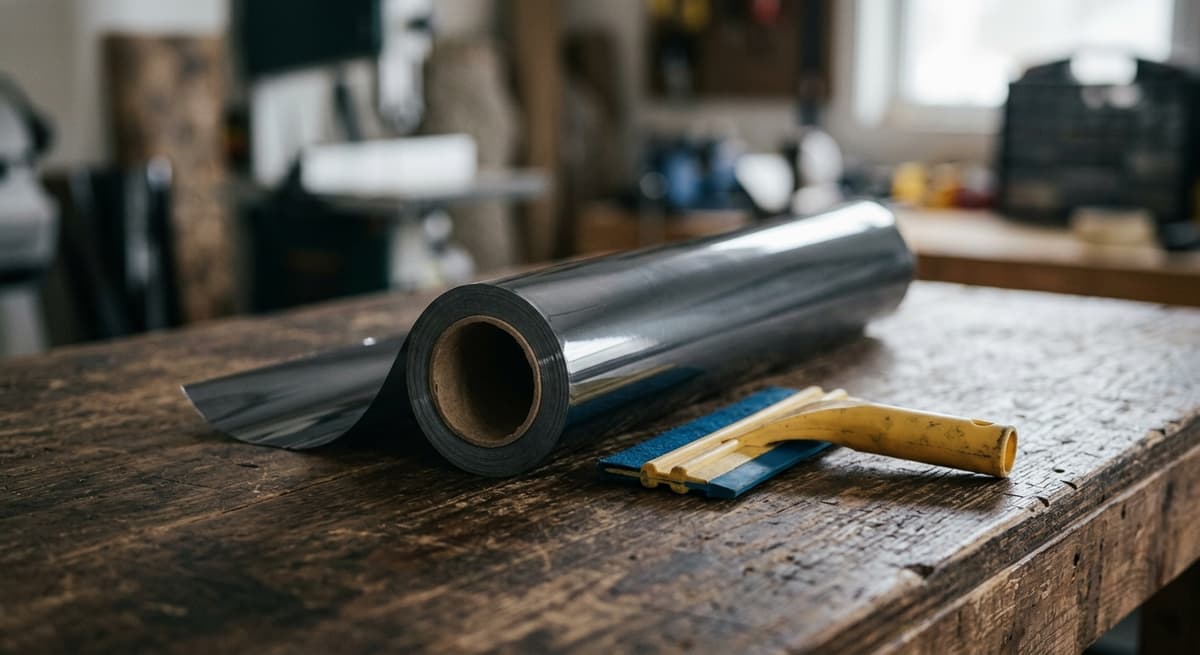
No medical exemption was found. A full review of the Motor Vehicle Act's text located every mention of "medical," and none of them relate to window tint; they concern driver's licence medical standards, medical review boards, and seatbelt medical-certificate exemptions. A driver seeking darker tint for a medical or light-sensitivity reason has no dedicated exemption process under this Act.
Fines: A Circulating Figure, Not a Confirmed One
A dollar figure of $172.50 circulates on third-party tint-shop sites as the New Brunswick fine for a section 238 violation. This article does not assert that figure as confirmed. New Brunswick's fines for Motor Vehicle Act offences run through the Provincial Offences Procedure Act and an associated fine-schedule regulation, and no document was located that itself ties a specific dollar amount to section 238. Treat $172.50 as a circulating value only, and confirm the current amount with a New Brunswick court services office or a licensed lawyer before relying on it.
Related Resources
For how New Brunswick's roadside impaired-driving suspensions work under the same Motor Vehicle Act, see DUI and impaired driving in New Brunswick. For how other provinces structure their tint rules, including the several that restrict the windshield to a narrow strip or ban front-window tint outright, see window tint laws in Canada. For a neighbouring Atlantic province with an absolute front-window ban and no percentage at all, see window tint laws in Nova Scotia. For contesting a ticket generally, see fighting a traffic ticket in Canada, and for the separate rules on recording while driving, see dash cam laws in Canada.
Disclaimer
This article is informational only and is not legal advice. New Brunswick's 30 percent light-blocked cap applies to the entire front windshield, not just a strip, but a separate, independent obstruction standard can still make otherwise-compliant tint illegal, and this article does not attempt to predict how that qualitative standard is applied in practice. The commonly circulated $172.50 fine figure could not be confirmed against a primary fine schedule and should be treated as unverified. Confirm current fees, requirements, and any recent amendments directly with a New Brunswick court services office or a licensed lawyer.
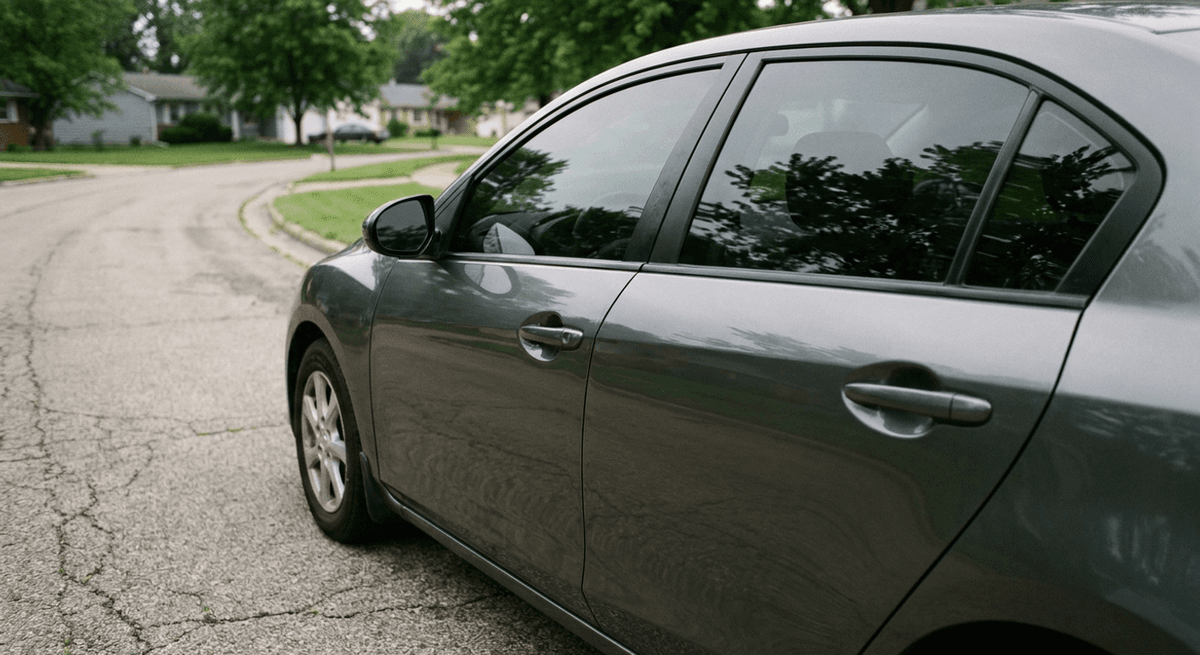
Frequently Asked Questions
What percentage of tint is legal in New Brunswick?
Section 238 of the Motor Vehicle Act caps light blocked at 30 percent on the front windshield and the front side windows, measured by a photometer. That means at least 70 percent of light must still pass through.
Is New Brunswick really the only province that allows tint on the whole windshield?
Among the provinces with a numeric standard, yes. New Brunswick's 30 percent cap applies to the entire front windshield with no separate strip exception, while most other provinces with a percentage rule exempt only a narrow band near the top of the windshield.
Can tint that passes the 30 percent test still be illegal in New Brunswick?
Yes. A separate, independent standard bans any front windshield or front side material, tinted or not, that obstructs the driver's clear view or substantially obscures the vehicle's interior when viewed from outside, regardless of the photometer reading.
Is factory-tinted glass exempt from New Brunswick's tint rule?
Yes, in effect. Section 238(1.2) exempts windshields and side windows installed at initial manufacture or assembly, and replacement glazing equivalent to the factory original, from the installation prohibitions covering the percentage cap and the obstruction standard. The subsection does not separately name the matching operating prohibitions, though factory glass would not be expected to trigger them either.
Does New Brunswick's tint rule apply to rear windows?
The 30 percent cap applies only to the front windshield and the windows to the right or left of the driver. Rear side windows and the rear windshield are not covered by that numeric limit, though they remain subject to a separate ban on non-transparent material.
Is there a medical exemption for window tint in New Brunswick?
No. A full review of the Motor Vehicle Act's text found no medical exemption process for window tint.
How much is the fine for illegal tint in New Brunswick?
A figure of $172.50 circulates on third-party sites, but it could not be confirmed against an actual New Brunswick fine schedule for this article. Confirm the current amount with a New Brunswick court services office or a licensed lawyer.
Updates
Independently fact-checked against the cited primary sources
Sources and References
- Motor Vehicle Act, R.S.N.B. 1973, c. M-17 (consolidated text)(laws.gnb.ca).gov
- Provincial Offences Procedure Act, S.N.B. 1987, c. P-22.1(laws.gnb.ca).gov