
Canada
Impaired Driving in Quebec: SAAQ Suspensions, Vehicle Seizure and the Interlock Program
Independently fact-checked against primary sources (last audited August 16, 2026). · 7 primary sources cited on this page. How we verify our legal content
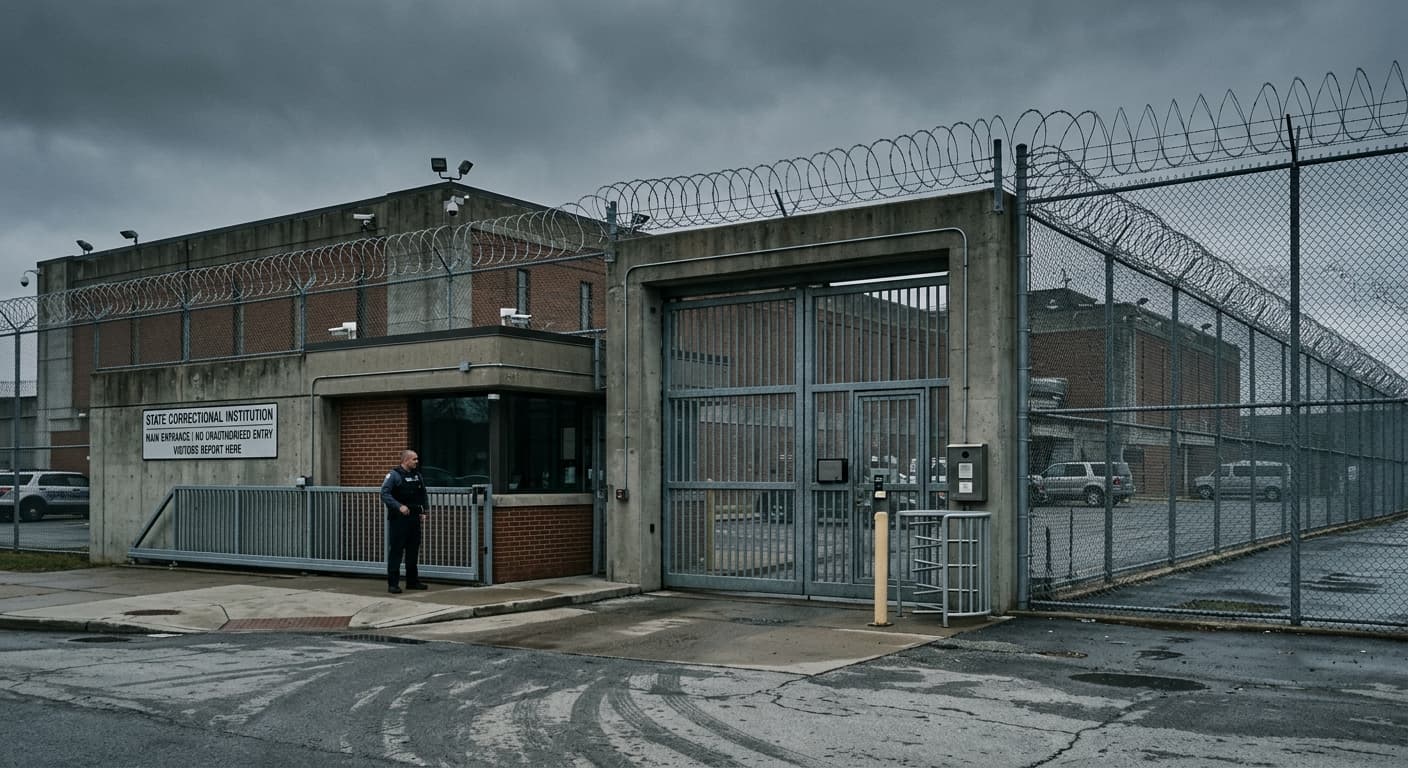
In Quebec, a confirmed blood alcohol concentration of 0.08 or higher brings an immediate 90-day licence suspension under the Highway Safety Code, administered by the Societe de l'assurance automobile du Quebec (SAAQ), and Quebec has no separate administrative suspension for a fully licensed adult driver testing between 0.05 and 0.079, unlike most other provinces.
Information last verified on 2026-08-15. This article has not yet been reviewed by a licensed lawyer.
Quebec's 90-Day Roadside Suspension
Quebec's administrative scheme is run entirely by SAAQ under the Highway Safety Code, and its structure is flatter than most other provinces. For a fully licensed, non-novice, non-restricted, 22-and-over driver who is not operating a heavy vehicle, taxi, or bus, there is exactly one administrative BAC trigger.
Under section 202.4(1) of the Code, a confirmed blood alcohol concentration of 0.08 or higher on an approved breath instrument brings an immediate 90-day licence suspension. There is no statutory 0.05-to-0.079 suspension tier for this population. A related but narrower rule, section 202.1.4, allows a shorter 24-hour suspension where impairment is detected through physical coordination tests rather than a confirmed BAC reading, and applies independently of section 202.4.
A separate provision, section 202.4.1, brings the same 90-day suspension for drug impairment, either an evaluating officer's finding or a positive reading on drug-screening equipment, and applies broadly rather than being limited to any specific licence category. Section 202.5 gives SAAQ discretion, not a mandatory duty, to impose a 90-day suspension where a driver fails or refuses a screening or evaluation demand.
Zero Tolerance: Exactly Who It Covers
Quebec's zero-tolerance rule is set out in section 202.2 of the Code, and it does not just cover new drivers. Four categories are named:
- Learner's or probationary licence holders who have never held any driver's licence other than a moped or farm-tractor-only licence.
- Moped or farm-tractor-only licence holders who have held that licence for under 5 years and are 22 or older.
- Restricted-licence holders reinstated under specific post-conviction sections of the Code, including certain ignition-interlock reinstatement pathways.
- Any driver's licence holder who is 21 years of age or younger.
That fourth category is worth stating precisely, because it is easy to get wrong. The Code's own wording is "21 years of age or younger," not "under 22." The two phrasings land on the same whole-year ages, but several secondary sources paraphrase it as "under 22," which is not the statute's own language. For this zero-tolerance population, section 202.4(2) brings the same 90-day suspension for any detectable alcohol on a roadside screening test, or a confirmed BAC under 0.08 on an approved instrument.
A narrower, separate set of rules under sections 202.2.1.1 and 202.2.1.2 covers buses, minibuses, taxis, and other heavy vehicles, and is addressed below. A broader heavy-vehicle and emergency-vehicle zero-alcohol provision, section 202.2.1, appeared marked "not in force" in the version of the Code reviewed for this article; that status has not been independently confirmed against the rendered statute page, so it is noted here as unresolved rather than stated as settled.
No General 0.05 Warn Range, and Why That Matters
Most Canadian provinces layer a lower-BAC warn range suspension, often starting around 0.05, on top of the 0.08 criminal threshold. Quebec does not do this for its general population of fully licensed adult drivers, and this is worth stating in three precise parts rather than as a single blanket claim.
First, for a fully licensed, non-novice, non-heavy-vehicle adult driver, section 202.4(1)'s 0.08 trigger is the only administrative BAC-based suspension in the Code. There is no 0.05-to-0.079 tier that applies to this population.
Second, a 0.05 threshold does exist in the Code, but it is scoped narrowly. Under section 202.2.1.2, operators of a defined category of heavy vehicles, excluding buses, minibuses, and taxis, which instead face a zero-alcohol rule under section 202.2.1.1, are prohibited from driving at 0.05 or higher, backed by a flat 24-hour suspension under section 202.4(4). This is a narrow, occupation-specific rule, not a general-public warn range, and it works nothing like the multi-day escalating ladders other provinces use.
Third, extending a 0.05 administrative sanction to the general population is a live policy proposal in Quebec, not current law. SAAQ has itself proposed a 0.05 sanction, reported to include a fine and a short suspension, but as of the most recent reporting reviewed for this article, no government has enacted it. Readers should understand this as an active, unresolved debate rather than a settled non-issue, and should not treat it as already in force.
Vehicle Seizure: A Separate, Higher Trigger
Vehicle seizure in Quebec is governed by its own set of provisions, sections 209.1 through 209.2.1.2 of the Code, and it is not the same trigger as the 90-day licence suspension. This distinction matters because SAAQ's own plain-language materials can read as implying any first impaired stop leads to a 30-day vehicle seizure, which overstates the actual statutory trigger.
Under section 209.2.1, a 30-day vehicle seizure applies to a driver with no alcohol or drug-related licence cancellation in the prior 10 years who either blows 0.16 or higher, double the legal limit, or refuses testing. A first-time driver who blows between 0.08 and 0.159, with no prior alcohol-related cancellation, is not described by this section: the licence suspension applies, but this particular seizure trigger does not.
Repeat offenders face a 90-day seizure instead. Section 209.2.1.1 triggers a 90-day seizure where the driver has a prior alcohol or drug-related cancellation within the last 10 years, at a BAC of 0.08 or higher, on refusal, or for drug impairment. Section 209.2.1.2 triggers a 90-day seizure where a recidivist measure under section 202.0.1 was imposed on the driver at any point in the prior 10 years.
Towing and impoundment fee rates were updated by a regulation effective June 1, 2023, and SAAQ states the rates are indexed quarterly and never set lower than the previous rate. The specific current daily rate was not confirmed for this article; confirm it directly with SAAQ or the towing operator before relying on a figure.
Reviewing a 90-Day Suspension
A driver suspended for 90 days under section 202.4 may apply for a review of the decision by the Societe under section 202.6.2. The request is filed with a form and a fee, and is decided on the record under sections 202.6.3 and 202.6.4 unless the driver requests a meeting. This is a genuine administrative review path for the roadside suspension itself, separate from any process around a vehicle seizure. Confirm the current form, fee, and filing deadline directly with SAAQ, since deadlines in this kind of process are strict and this article does not carry the exact number of days allowed to file.
SAAQ's Risk-Assessment Programs and Alcofrein
Quebec's remedial-program structure is gated by offence count and by an assessment outcome, rather than assigned automatically by offence count alone. SAAQ calls the program the "Program to assess and reduce the risk of impaired driving," and it has three tiers of assessment fee: a summary or initial risk assessment at $351.00, a comprehensive assessment at $830.70 if the summary assessment comes back unfavourable, and a maintenance assessment at $409.50.
The outcome of the summary assessment decides which track a driver enters next. A favourable summary assessment, for a driver's first impaired-driving conviction only, routes to the Alcofrein program: a single, evening, 3-hour session with a fee of $150.00. An unfavourable summary assessment, or a repeat offence, routes instead to the longer and costlier comprehensive-assessment track.
This pass-or-fail gate is a real structural difference from how some other provinces run their remedial programs, where a workshop length is simply assigned by offence count. In Quebec, the assessment outcome, not just the offence count, decides which program a driver goes through.
Ignition Interlock Program
Quebec's Alcohol Ignition Interlock Device Program dates to 1997. SAAQ's program page names Smart Start as the installer; whether Smart Start holds the province's exclusive contract, as opposed to being the primary or most frequently referenced provider, was not independently confirmed for this article, so it is described here without the word "exclusive."
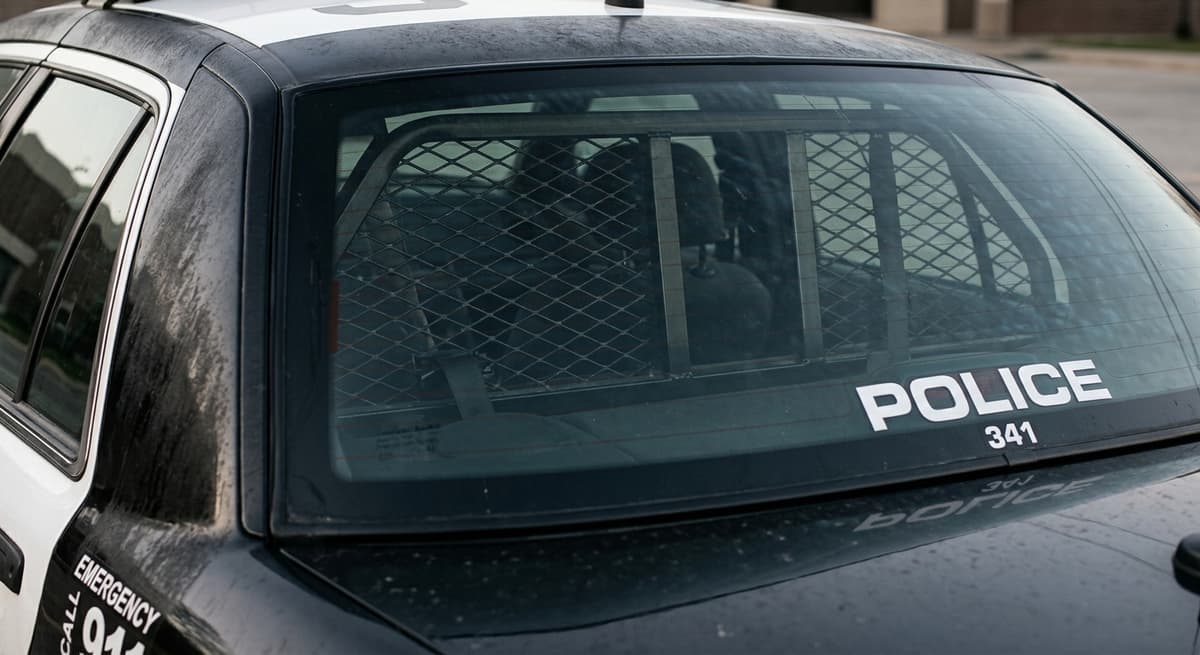
The program uses two main licence conditions: a Restricted Licence, Alcohol, available once an absolute Criminal Code driving prohibition ends but the Highway Safety Code revocation period is still running, and Condition X, which can be voluntary or becomes mandatory once Alcofrein, the comprehensive assessment, or a medical-report requirement is satisfied and the penalty period has ended. Condition Y substitutes for Condition X where a health condition prevents device use or the driver's residence sits off Quebec's road network. A driver has 15 days to install the device after authorization, or the licence is cancelled.
A fee schedule effective August 1, 2025 applies: gasoline-vehicle installation $165, hybrid or electric-vehicle installation $275, motorcycle installation $350, monthly device rental $69.99, monthly camera rental $35, and removal at the end of the program $55. Driving an unequipped vehicle while holding a restricted or Condition-X licence carries its own consequences: vehicle seizure of 30 to 90 days, a fine of $1,500 to $3,000, and a further suspension or revocation of the licence.
What a First Offence Actually Costs
Because SAAQ is both Quebec's licensing agency and its public auto insurer, a Quebec conviction carries a cost most other provinces do not have an equivalent of: a per-conviction additional insurance contribution, charged to obtain a new licence, of $420.00 to $560.00 depending on whether it is a first, second, third, or subsequent offence within 10 years. Alongside that, SAAQ's own rate schedule lists a minimum Criminal Code fine of $1,000.00, and a fine of $1,500.00 to $3,000.00 for driving during a penalty period imposed under the Highway Safety Code.
Adding the fine, the assessment and program fees, and the insurance contribution together, SAAQ states plainly that the total cost of a first offence is a minimum of $5,000.00. That figure comes directly from SAAQ's own published rate schedule.
Reinstatement After a Criminal Code Revocation
Where a Criminal Code conviction leads to a licence revocation, SAAQ's process runs through its own steps: book a reinstatement knowledge test through SAAQclic or by phone, sit the test for a $13.50 fee, which SAAQ accepts by cash, debit, pre-authorized debit, cheque, or money order but not by credit card, then pay for the new licence and the additional insurance contribution described above. Failing the knowledge test requires a minimum 28-day wait before retesting. A revocation of 3 years or more requires both a new knowledge test and a road test.
A Criminal Code conviction also adds a further licence revocation under the Highway Safety Code, on top of whatever administrative suspension the driver already served, and that revocation period generally lengthens for a repeat offence within the 10-year window. The exact current year-ranges for a second or third-plus offence could not be confirmed cleanly from the sources reviewed for this article, so no specific figure is stated here; confirm the current revocation length directly with SAAQ before relying on a number. The ignition-interlock pathway described above runs alongside this reinstatement process rather than replacing any of its steps.
The Criminal Track
A suspension, a seizure, and an insurance contribution are administrative consequences and do not replace criminal exposure. A Quebec driver can still face charges under the federal impaired-driving offence, which carries its own mandatory-minimum fines and, for repeat offences, mandatory jail time, plus a separate federal driving prohibition on top of anything SAAQ imposes. For the fine table, prohibition ranges, and how the criminal and administrative tracks interact nationally, see impaired driving in Canada and DUI penalties in Canada.
Related Quebec Driving Rules
A suspension or revocation under this scheme can also affect a driver's demerit points; see Quebec demerit points for how that separate system works, and fighting a traffic ticket in Canada for the general contest process. A driver still holding a learner's or probationary licence should also review graduated licensing in Canada, since Quebec's zero-tolerance rule applies directly to that group.
A criminal conviction can also generate a court record and a criminal record that follows a driver well beyond the suspension period, including exposure at the US border; see travelling with a criminal record and felony equivalency in Canada for that separate issue.
Quebec's absence of a general 0.05 warn range is a real contrast with neighbouring Ontario; see DUI laws in Ontario, where a reading as low as 0.05 triggers an immediate 7/14/30-day suspension ladder for the general driving public.
Disclaimer
This article is informational only and is not legal advice. Several points here are hedged rather than stated as settled fact: whether the broader heavy-vehicle and emergency-vehicle zero-alcohol rule in section 202.2.1 is currently in force, whether Smart Start holds an exclusive interlock contract in Quebec, the exact current towing and impoundment daily rate, and the exact revocation-length figures for a second or third Criminal Code conviction. If you are suspended for 90 days and want to seek a review, act promptly: the review process under section 202.6.2 is filed with a form and a fee, and administrative deadlines of this kind are strict. Confirm all current fees, deadlines, and figures directly with SAAQ, and consult a licensed lawyer promptly after any roadside suspension, vehicle seizure, or criminal charge.
Frequently Asked Questions
Does Quebec have a 0.05 warn range like other provinces?
No, not for a fully licensed adult driver. Section 202.4(1) of the Highway Safety Code sets 0.08 as the only administrative suspension trigger for that population. A 0.05 threshold does exist in the Code, but only for a narrow category of heavy-vehicle operators, with a flat 24-hour suspension, not a general warn range. SAAQ has proposed extending a 0.05 sanction to the general population, but as of the most recent reporting reviewed, that proposal has not been enacted into law.
What is Quebec's zero-tolerance age for alcohol?
The Highway Safety Code's own wording covers any driver's licence holder who is 21 years of age or younger, along with new and probationary drivers and certain restricted-licence holders. Several secondary sources paraphrase this as under 22, which lands on the same ages but is not the statute's exact phrasing.
When can SAAQ seize my vehicle for impaired driving?
A 30-day seizure applies to a driver with no alcohol or drug-related licence cancellation in the prior 10 years who blows 0.16 or higher, double the legal limit, or who refuses testing. A first reading between 0.08 and 0.159 alone does not trigger this seizure rule; a driver with a prior alcohol or drug-related cancellation in the last 10 years faces a 90-day seizure instead.
Can I appeal a 90-day licence suspension in Quebec?
You can apply for a review of the decision by SAAQ under section 202.6.2 of the Highway Safety Code, filed with a form and a fee and decided on the record unless you request a meeting. Confirm the current fee and filing deadline directly with SAAQ, since this kind of administrative deadline is strict.
What is the Alcofrein program and who qualifies for it?
Alcofrein is a single, evening, 3-hour session with a $150 fee, available only for a driver's first impaired-driving conviction and only after a favourable outcome on SAAQ's summary risk assessment. An unfavourable assessment, or a repeat offence, routes to SAAQ's longer and costlier comprehensive assessment instead.
How much does a first impaired-driving offence cost in Quebec?
SAAQ states plainly that the total cost of a first offence is a minimum of $5,000, combining the Criminal Code fine, the risk-assessment and program fees, and a per-conviction additional insurance contribution of $420 to $560 charged to obtain a new licence.
Who installs Quebec's ignition interlock devices?
SAAQ's program page names Smart Start as the installer. Whether Smart Start holds an exclusive contract for the province, rather than simply being the primary provider referenced by SAAQ, was not independently confirmed, so that specific claim is treated here as unresolved.
Updates
Independently fact-checked against the cited primary sources
Sources and References
- Highway Safety Code, CQLR c. C-24.2 (consolidation)(legisquebec.gouv.qc.ca).gov
- SAAQ - Penalties and costs for impaired driving(saaq.gouv.qc.ca).gov
- SAAQ - Rates: costs of impaired driving(saaq.gouv.qc.ca).gov
- SAAQ - Alcofrein program(saaq.gouv.qc.ca).gov
- SAAQ - Quebec Alcohol Ignition Interlock Device Program(saaq.gouv.qc.ca).gov
- SAAQ - Reacquiring a licence following a Criminal Code revocation(saaq.gouv.qc.ca).gov
- SAAQ - Alcohol and driving overview(saaq.gouv.qc.ca).gov