
Canada
Window Tint Laws in Alberta: The Ban and the Real Medical Exemption
Independently fact-checked against primary sources (last audited August 16, 2026). · 5 primary sources cited on this page. How we verify our legal content
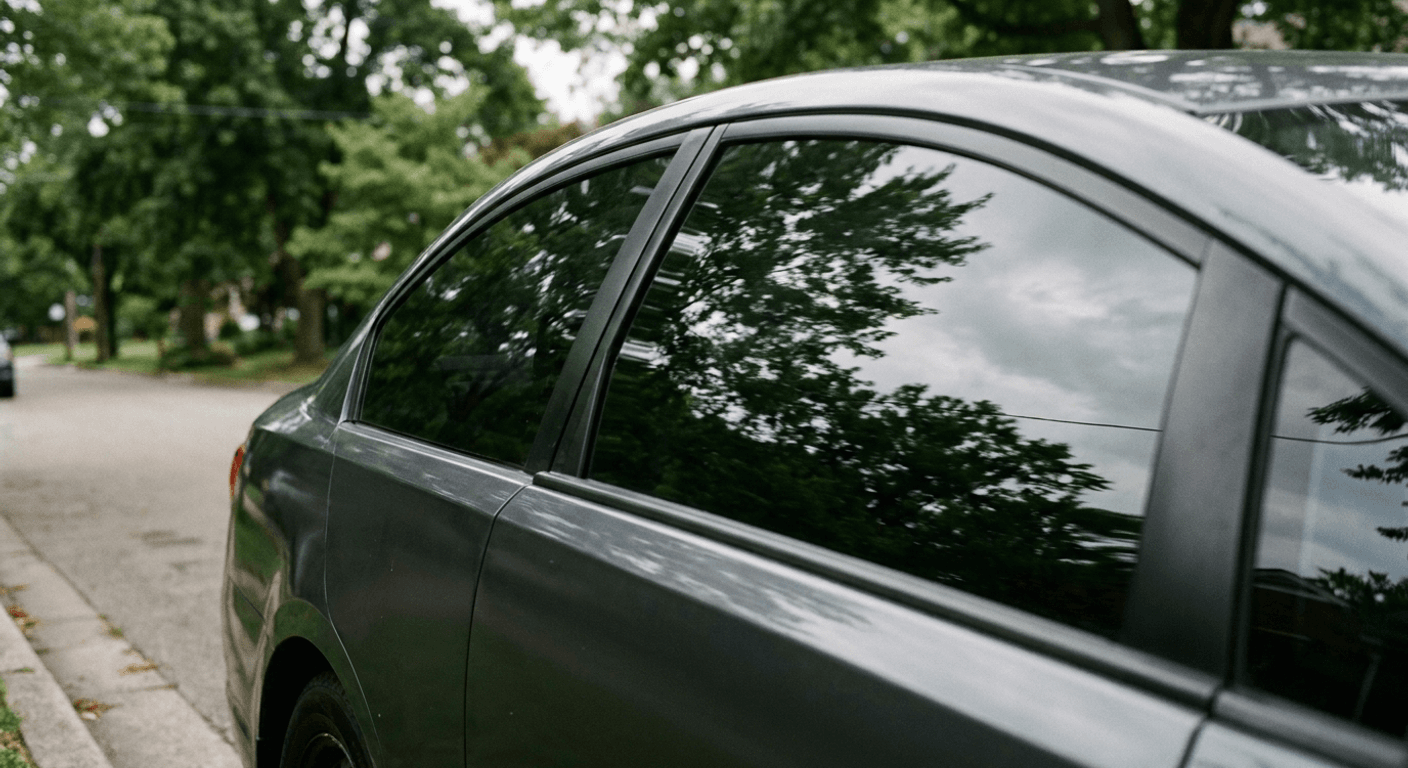
Alberta bans aftermarket tinting on the windshield and both front side windows outright under Vehicle Equipment Regulation section 70(1), with no visible light transmittance percentage attached to that ban and no windshield strip allowance at all, but a driver with a closed list of qualifying medical conditions can apply to the Registrar for a permit allowing 50% VLT film.
Information last verified on 2026-08-16. This article has not yet been reviewed by a licensed lawyer.
No Percentage Exists Here Either
Alberta's Vehicle Equipment Regulation, Alta Reg 122/2009 ("VER"), made under the Traffic Safety Act, sets no visible light transmittance percentage for the windshield or the front side windows. Section 70(1) reads, quoted directly: a person shall not install, replace, or cover the window glazing in a windshield or in a left or right side window that is beside or forward of the driver with a transparent, translucent, or opaque material. There is no number attached to how dark is legal on Alberta's front glass, because for aftermarket film, none is legal. The rule is categorical, not a threshold. For how Alberta's approach compares with the rest of the country, see window tint laws in Canada.
The Windshield Has No Strip Allowance
Alberta gives drivers no top-strip exception at all, a real difference from British Columbia's 75 mm allowance covered on this site's BC page. The windshield is governed by the identical flat ban that covers the front side windows. The only exceptions that touch the windshield are functional rather than measurement-based: clear untinted frost shields, so long as they do not discolor, scratch, or otherwise damage the glazing, and stickers that do not limit the driver's field of vision. Neither is a tint allowance. There is no "top 5 inches" or AS-1 line figure to cite for Alberta.
Front Side Windows: An Outright Ban
The driver and front passenger windows fall under the same section 70(1) ban as the windshield. A separately worded official Alberta.ca consumer page confirms the same categorical rule in different language: tinting material is not allowed on the windshield or the windows to the left and right of the driver unless the driver holds an exemption for a medical or physical condition. No percentage appears on that page either, corroborating the regulation's own text independently rather than repeating it.
Rear Windows: The Mirror Condition
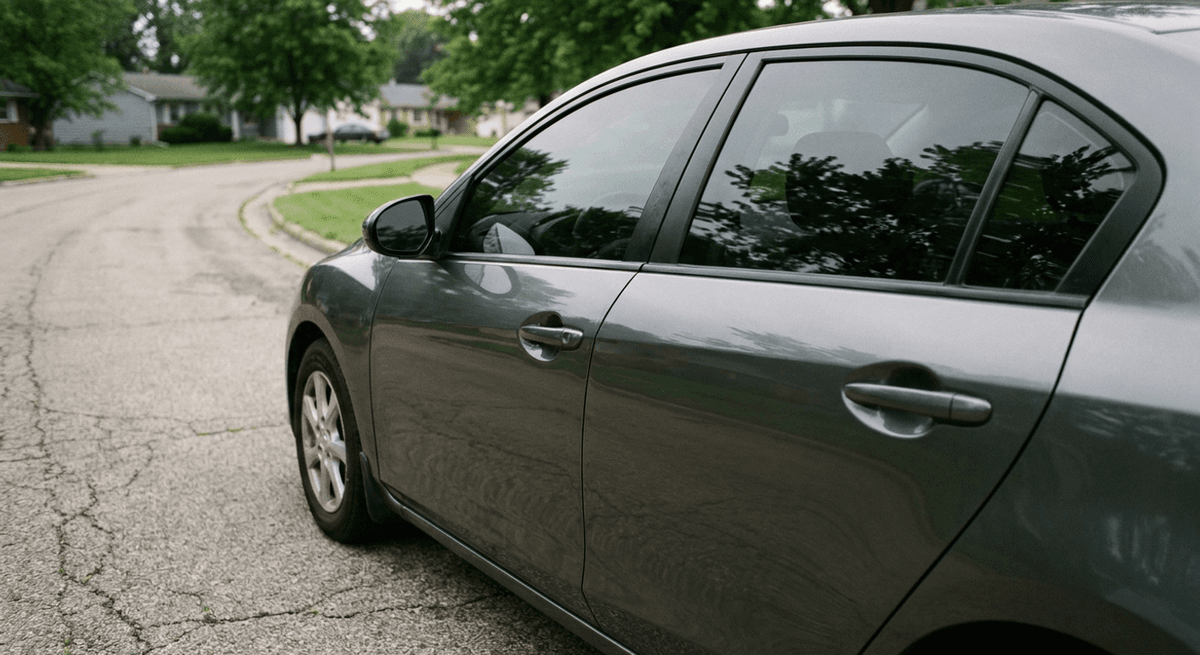
Rear side windows and the rear window may carry film, but only if the vehicle has outside rear view mirrors on both the left and right sides that meet the mirror-adequacy standard set separately in the regulation. As in British Columbia, this is a binary allowed-or-not-allowed rule tied to the vehicle's mirrors, not a darkness percentage. Alberta's regulation does not separately define a "rear side window" apart from the general "rear window glazing" language, so the mirror condition reads as covering both the back-seat side windows and the tailgate or rear glass together.
Reflectivity: A Functional Rule, Not a Number
Alberta prohibits window material that reflects the headlamps of an approaching vehicle, or sunlight, into another driver's eyes. That is an outcome-based standard, whether the film blinds another driver, rather than a printed reflectivity percentage cap the way some US states publish. There is no number to translate this into; writers and readers should not invent one.
Factory Glazing vs Aftermarket Film
The regulation's prohibitions in section 70(1) through (4) all attach to the verbs install, replace, or cover, meaning they regulate what is done to glazing after the vehicle leaves the factory, not what came built into the glass. Manufacturer-installed glazing may be replaced only with the same type of glazing. All glazing, factory or replacement, must also meet the ANSI/SAE Z26.1 safety-glazing standard adopted by reference in the regulation.

The $88 Fine and the Surcharge Question
The offence itself is created by Traffic Safety Act section 65(1), which requires a vehicle on a highway to comply with the equipment standards set out in the regulations. The dollar figure comes from a separate instrument, the Procedures Regulation's specified-penalty Schedule, Part 42, which sets $88 for a violation of section 70(1) through (4), (6), or (7), and the related sections 71 and 72. That $88 base is confirmed directly from the current fine table.
It is not the same as the total printed on a ticket. Alberta adds a 20% Victims of Crime surcharge to specified penalties generally, which would put the all-in total near $105 to $106, but no official document was found printing that specific post-surcharge total for a tint violation the way the province's speeding-fines page does for speeding. Circulating figures of $155 to $230 from tint-installer sites have no support in the current fine schedule and should be treated as unverified.
Enforcement Beyond the Ticket
Separately from the ticket, Traffic Safety Act section 66 gives a peace officer authority to direct that a vehicle or its equipment be repaired, or removed from operation until it meets the standards, and to seize the licence plate and registration to back that order. That authority operates independently of, and in addition to, the $88 specified-penalty ticket.
The Medical Exemption: Alberta's Real Process
Alberta is the one province covered in this cluster's western group with an actual medical exemption pathway, administered under the Registrar's general exemption power at section 114(1). The public process, published on Alberta.ca, requires a physician's letter establishing the condition and the need for front-window tint, a $55 permit fee, and review that may take several weeks. The qualifying-condition list is closed: diagnosed or recurrent skin cancer, melanoma, basal cell, or squamous cell, or Bullous Pemphigus. Photophobia, migraines, cataracts, and rosacea are not on that list, and the page frames it as a fixed set of conditions considered, not an illustrative one. Passengers are generally not eligible, since a passenger can typically sit in the back seat, where tint is already permitted.
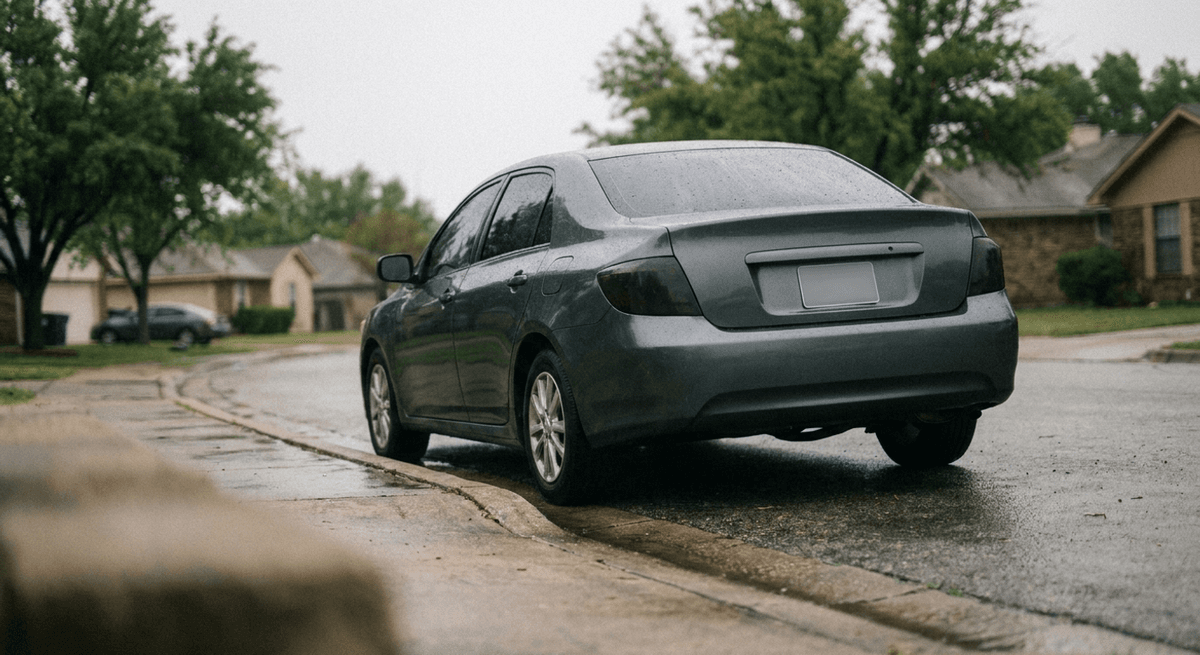
Once approved, the permit holder may install clear ultraviolet film with a visible light transmittance of 50% or more. That is the only percentage anywhere in Alberta's tint law, and it describes the minimum a permit holder must install, not a general public darkness limit. A driver without the permit still faces the flat section 70(1) ban regardless of how light a film they might otherwise choose.
Related Resources
For the neighboring province with the identical location-ban structure but no medical exemption at all, see window tint laws in British Columbia. For the national overview, see window tint laws in Canada. For how a tint stop fits into Alberta's broader impaired-driving and points system, see impaired driving in Alberta and Alberta demerit points. For contesting the ticket, see fighting a traffic ticket in Canada, and for a related equipment question, see dash cam laws in Canada.
Disclaimer
This article is informational only and is not legal advice. Several figures in this article are genuinely unresolved by the primary sources reviewed: the exact all-in ticket total including Alberta's Victims of Crime surcharge for a section 70 violation, which is an arithmetic extrapolation from the confirmed $88 base rather than a printed line item, and whether Alberta enforcement practice formally distinguishes a rear side window from the rear tailgate glass, which is inferred from the regulation's structure rather than independently confirmed. Confirm current fees, the exemption process, and requirements directly with Alberta Transportation and Economic Corridors or a licensed lawyer before modifying a vehicle's windows.
Frequently Asked Questions
Is there a VLT percentage for Alberta's front windows or windshield?
No. Vehicle Equipment Regulation section 70(1) bans installing, replacing, or covering the windshield or the front side windows with any transparent, translucent, or opaque material. It is a categorical ban with no percentage anywhere in the regulation.
Can I get a strip of tint at the top of my windshield in Alberta?
No. Unlike British Columbia's 75 mm allowance, Alberta's regulation gives no top-strip exception for the windshield at all. It falls under the same flat ban as the front side windows.
How much is the fine for illegal tint in Alberta?
The Procedures Regulation's specified-penalty Schedule sets $88 as the base fine for a section 70 violation. Alberta's standard 20% Victims of Crime surcharge likely applies on top of that, putting the total near $105 to $106, though no official document was found printing that exact post-surcharge total for this specific violation. Circulating figures of $155 to $230 have no support in the current schedule.
Does Alberta have a medical exemption for window tint?
Yes. A driver can apply to the Registrar under Vehicle Equipment Regulation section 114(1) for a discretionary exemption permit, requiring a physician's letter and a $55 fee. Once approved, the holder may install clear UV film with a visible light transmittance of 50% or more.
What conditions qualify for Alberta's tint exemption?
The published list is closed: diagnosed or recurrent skin cancer, melanoma, basal cell, or squamous cell, or Bullous Pemphigus. Photophobia, migraines, cataracts, and rosacea are not listed as qualifying conditions.
Can I tint my rear windows in Alberta?
Yes, with no stated darkness limit, but only if the vehicle has outside rear view mirrors on both the left and right sides. Without that mirror condition met, rear tint is not permitted either.
Updates
Independently fact-checked against the cited primary sources
Sources and References
- Vehicle Equipment Regulation, Alta Reg 122/2009, section 70 (Windows)(kings-printer.alberta.ca).gov
- Procedures Regulation, Alta Reg 63/2017, Schedule Part 42 (specified penalties)(kings-printer.alberta.ca).gov
- Traffic Safety Act, RSA 2000 c T-6, sections 65-66(kings-printer.alberta.ca).gov
- Alberta.ca - Vehicle window tint exemption(alberta.ca).gov
- Alberta.ca - Fines for speeding (Victims of Crime surcharge convention)(alberta.ca).gov