
Canada
DUI and Impaired Driving Laws in Prince Edward Island: Suspensions, Interlock, and Reinstatement
Independently fact-checked against primary sources (last audited August 16, 2026). · 4 primary sources cited on this page. How we verify our legal content
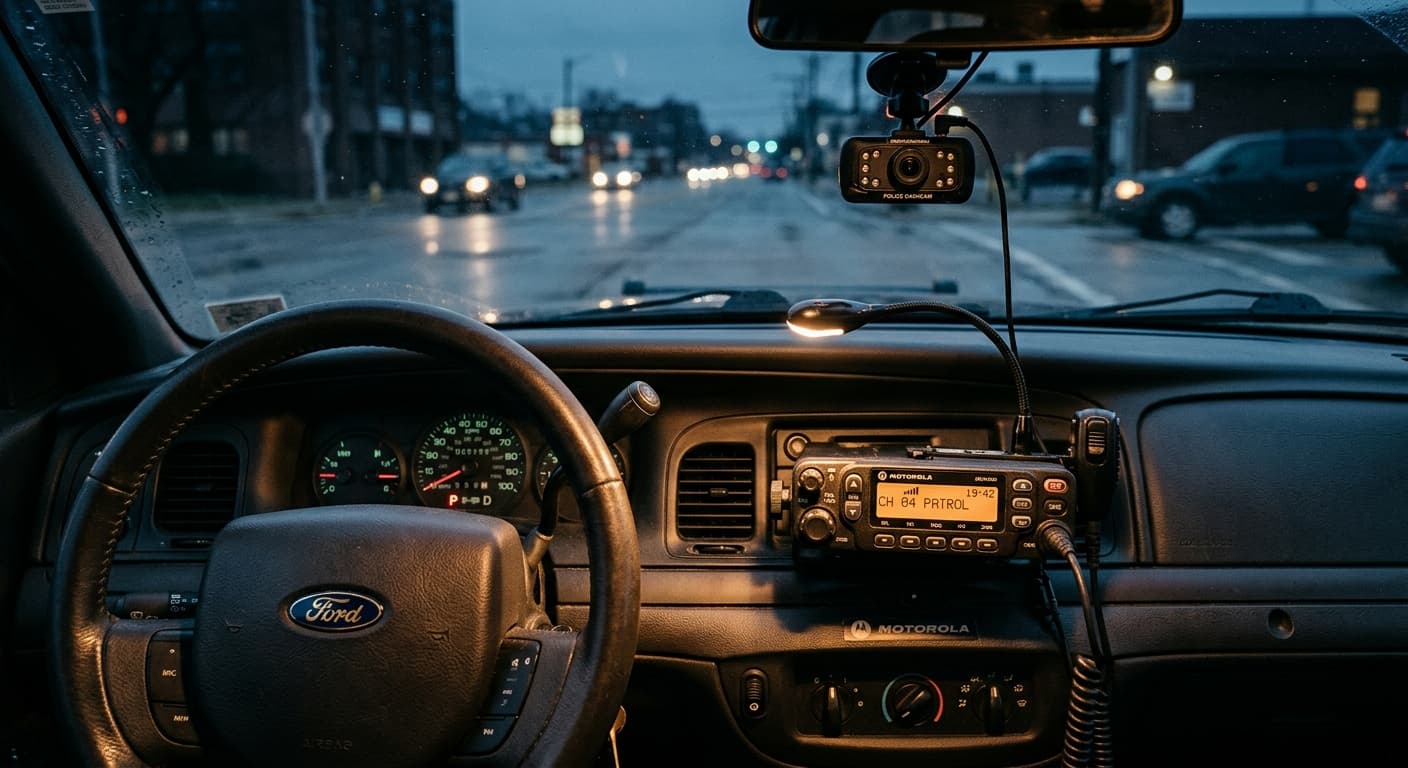
Prince Edward Island handles a drinking-and-driving stop through two separate roadside tracks under the Highway Traffic Act: a warn-range suspension for a blood alcohol reading of 50 mg/100 mL or higher, and a longer Administrative Driving Prohibition (ADP) for a reading of 80 mg/100 mL or higher, a refusal, or a confirmed drug finding, on top of whatever the Criminal Code case does separately.
Information last verified on 2026-08-15. This article has not yet been reviewed by a licensed lawyer.
Two Roadside Suspension Tracks
PEI's Highway Traffic Act sets up two parallel roadside regimes, both keyed to a breath, blood, or coordination test result taken at the roadside.
The warn-range track applies to a blood alcohol concentration of 50 mg/100 mL or higher (but below the criminal threshold), or a failed or refused physical-coordination or drug test. Within any rolling 3-year window, counting warn-range readings, failed coordination tests, and refusals together: a first occurrence is a 7-day licence suspension effective immediately; a second occurrence is a 30-day suspension running from the end of the first 7-day period; a third occurrence is a 90-day suspension running from the end of that period. A driver can end the suspension early by immediately submitting to a second test showing a reading under 50 mg/100 mL, or a medical certificate to the same effect.
The Administrative Driving Prohibition (ADP) track applies at the criminal threshold: a reading of 80 mg/100 mL or higher, a drug concentration over the regulated limit, or a refusal of a Criminal Code breath or drug demand. A licensed driver gets an immediate 24-hour roadside suspension, followed by a notice that acts as a temporary 7-day licence, after which the driver is prohibited from driving for 90 days unless a review reverses it. A driver with no PEI licence, or an out-of-province one, instead gets a straight 90-day prohibition that takes effect 7 days after service.
Zero Tolerance for Graduated and Under-22 Drivers
PEI sets a zero milligram, zero-detectable-drug standard for two groups: graduated licence holders of any age, and anyone under the age of 22. This is not the under-19 rule that some secondary and legal-marketing sites still describe. The Act was amended to raise the zero-tolerance ceiling from 19 to 22; the exact date that change took effect was not stated in the consolidated text reviewed, so only the current under-22 rule should be treated as current. A grandfather clause exempts anyone who had already turned 19 or already held a licence before 19 when the amendment came into force, meaning the under-22 rule fully binds only drivers who got their first PEI licence after that point.

Any detectable alcohol or drug in this group triggers an immediate 24-hour licence suspension. The officer must additionally impose the full Administrative Driving Prohibition, with the 80 mg/100 mL threshold effectively substituted at zero. In practice, a graduated or under-22 driver who registers any detectable alcohol is stacked onto the same 7-day bridge, 90-day prohibition track that an adult over 80 mg/100 mL faces, not a shorter or lighter one. No separate lowered threshold specific to commercial drivers was found in the sections of the Act reviewed; whether one exists elsewhere, such as in federal carrier rules, was not confirmed.
A separate child-safety provision requires police to report to the Registrar when a child under 16 was present during an alleged impaired driving offence. That finding is final and not subject to any review or appeal, and the official ignition interlock brochure states it adds up to 12 months to the interlock or restriction period, though that specific figure was not independently confirmed in the Act's own text.
Vehicle Impoundment
A warn-range suspension carries a linked vehicle impoundment: 3 days for a 7-day suspension, 7 days for a 30-day suspension, and 30 days for a 90-day suspension. An Administrative Driving Prohibition can also trigger impoundment under the Act's general impoundment power, but the specific duration tied to an ADP stop, as distinct from the general impoundment periods that apply to other triggers, was not confirmed in the sections reviewed and should be checked directly before relying on a figure.
Ignition Interlock Program
PEI's ignition interlock program has been running since September 2006 and is mandatory for reinstatement following any conviction for impaired driving involving alcohol, or for refusing a breath demand. Installation, the monthly program fee, and the removal fee are paid directly to the private service provider, with no fixed government fee schedule published; PEI states only that fees are subject to change.
Driving without the required device, or tampering with it, carries a fine of $500 to $2,000 under the Act, an additional 6-month suspension on top of whatever suspension is already running, and possible impoundment.
Early reinstatement onto a restricted interlock licence is written directly into the automatic-cancellation rule: a driver disqualified after a conviction can apply after serving a minimum of 3 months of a 1st-offence 1-year disqualification, 6 months of a 2nd-offence 3-year disqualification, or 12 months of a 3rd-offence 5-year disqualification, conditioned on enrollment in the approved interlock program. The restricted licence is automatically revoked on any program-condition breach, and driving a non-interlock vehicle without authorization is its own offence carrying a $1,500 to $2,000 fine.
A separate named remedial or education program could not be confirmed against a PEI government source. Some secondary sites describe a "Driver Rehabilitation Course" and a post-repeat-offence alcohol or drug assessment, but the PEI government page most likely to name such a program was not reachable during research. Treat PEI's interlock requirement as confirmed and any separate education program as unverified until checked directly with the province.
Review and Appeal Deadlines
A driver can apply to the Registrar for a review of an Administrative Driving Prohibition within 7 days of being served the notice. The application requires surrendering the licence or permit (or declaring it lost, stolen, or destroyed), plus payment of an application fee. Filing a review does not pause the prohibition. Review without an oral hearing costs $50; review with an oral hearing costs $100, and the hearing must be separately requested and paid for. The Registrar must send a written decision with reasons within 21 days of the notice being served, unless the Registrar extends that period, in which case the prohibition is stayed and a temporary licence issued for the extension window. The warn-range 7, 30, and 90-day suspensions are reviewed the same way, under the same fees and timelines.
On the plain text of the Highway Traffic Act, a further appeal to the Supreme Court does not appear to be available for an Administrative Driving Prohibition review decision. The Act lists, by exact section number, which Registrar decisions carry a right of appeal to a judge within 20 days of service; the ADP review section is not on that list, unlike PEI's separate unfit-driver suspension, which is. This appears to be a deliberate distinction rather than an oversight, since the Act elsewhere states outright that the child-under-16 finding described above is final and not subject to any review or appeal at all. A driver should treat the Registrar's ADP review as very likely the final word and act inside the 7-day window, since a missed deadline forfeits the review with no confirmed further route.
A vehicle-owner hardship application for early release of an impounded vehicle is a separate process from the licence review described above.
Reinstatement After a Conviction
A Criminal Code impaired driving conviction triggers an automatic disqualification under the Highway Traffic Act, on top of the separate federal driving prohibition described below. Counting only convictions within a rolling 10-year period: a 1st offence disqualifies for 1 year, a 2nd offence for 3 years, and a 3rd or subsequent offence for 5 years. Any period already served under an Administrative Driving Prohibition is credited against these terms. A sentencing judge has separate discretion to suspend or cancel a licence for up to 5 years on any Criminal Code motor-vehicle conviction, with the minimum tied back to these tiers when the conviction is specifically for impaired driving.
Reinstatement fees depend on which section triggered the suspension or cancellation:
| Trigger | Fee |
|---|---|
| Automatic cancellation after a Criminal Code impaired driving conviction | $750 |
| Court-ordered suspension | $500 |
| Roadside warn-range suspension or Administrative Driving Prohibition | $100 |
| Fine-default suspension | $100 |
| General Demerit Point System suspension | $100 |
| Liquor-offence or unsatisfied-judgment suspension | $75 |
| Demerit Point System, specific reinstatement category | $25 |
These Registrar fees are separate from, and in addition to, the interlock program's own user-pay costs and any review or hearing fees paid earlier. For an alcohol-involved conviction or refusal, reinstatement also requires enrollment in, and completion of, the mandatory ignition interlock program described above.
The Criminal Track
A roadside suspension or Administrative Driving Prohibition is separate from, and does not replace, a Criminal Code charge for impaired operation, operating over 80 mg/100 mL, or refusal, all Part VIII.1 offences that apply the same way across Canada. A conviction carries its own mandatory minimum fines, jail time on repeat offences, and a federal driving prohibition that runs alongside PEI's own disqualification. For the fine table, jail minimums, and the federal driving prohibition ranges, see impaired driving laws in Canada and DUI penalties in Canada.
Someone facing a PEI roadside suspension should not assume the administrative outcome settles the matter; the criminal case, if one is laid, proceeds independently and can add consequences, including a criminal record, on top of anything the Registrar has already done.
PEI's under-22 zero-tolerance ceiling puts it in the same company as its Atlantic neighbour; see DUI laws in Newfoundland and Labrador, which independently applies zero tolerance to every driver under 22 rather than only to novices. A PEI ticket for the underlying moving violation, rather than the impaired driving stop itself, follows a separate process; see fighting a traffic ticket in Canada and, for how PEI's own graduated licence stages work, graduated licensing in Canada. Court records tied to a PEI impaired driving charge are covered separately; see court records in Prince Edward Island.
Disclaimer
This article is informational only and is not legal advice. Prince Edward Island's Administrative Driving Prohibition review must reach the Registrar within 7 days of service; missing that deadline forfeits the review, and no further court appeal was confirmed to exist. Several points in this article rest on sources that could not be fully verified: the name and requirements of any separate remedial or education program beyond the interlock requirement, the vehicle impoundment duration specific to an Administrative Driving Prohibition stop, the exact date the zero-tolerance amendment took effect, and any dollar figures for interlock installation or monthly fees. Confirm current requirements directly with PEI Highway Safety or a licensed lawyer, and consult a lawyer promptly after any roadside suspension or charge.
Frequently Asked Questions
What blood alcohol level triggers a roadside suspension in Prince Edward Island?
A reading of 50 mg/100 mL or higher triggers the warn-range track, escalating 7, 30, then 90 days across a rolling 3-year window. A reading of 80 mg/100 mL or higher, a refusal, or a confirmed drug finding triggers the Administrative Driving Prohibition track instead, which runs 24 hours, then a 7-day temporary licence, then a 90-day prohibition.
Does PEI's zero-tolerance rule apply to drivers under 19 or under 22?
Under 22. PEI's Highway Traffic Act was amended to raise the zero-tolerance ceiling from 19 to 22 for graduated licence holders and young drivers generally. Sources describing an under-19 rule are describing an older version of the law.
How long do I have to request a review of an Administrative Driving Prohibition in PEI?
7 days from the date the notice was served. The review costs $50 without an oral hearing or $100 with one, and filing it does not pause the prohibition. On the Act's plain text, the Registrar's review decision does not appear to carry a further right of appeal to a court, so this 7-day window is the one that matters most.
When did Prince Edward Island start requiring ignition interlock?
PEI's ignition interlock program began in September 2006 and is mandatory for reinstatement after any alcohol-related impaired driving conviction or a refusal to provide a breath sample.
How much does it cost to get a licence back after an impaired driving conviction in PEI?
The Registrar's reinstatement fee is $750 for the automatic cancellation that follows a conviction, separate from the interlock program's own installation and monthly costs, which are paid to the private service provider and are not published as a fixed government figure.
Updates
Independently fact-checked against the cited primary sources
Sources and References
- Prince Edward Island Highway Traffic Act, RSPEI 1988, c.H-5 (consolidated text)(princeedwardisland.ca).gov
- Highway Traffic Act Fees Regulations, EC200/12(princeedwardisland.ca).gov
- Administrative Driving Prohibition and Vehicle Impoundment Regulations(princeedwardisland.ca).gov
- PEI Ignition Interlock Program (official brochure and application)(princeedwardisland.ca).gov