
British Columbia
Tenant Rights in British Columbia: Renter's Guide
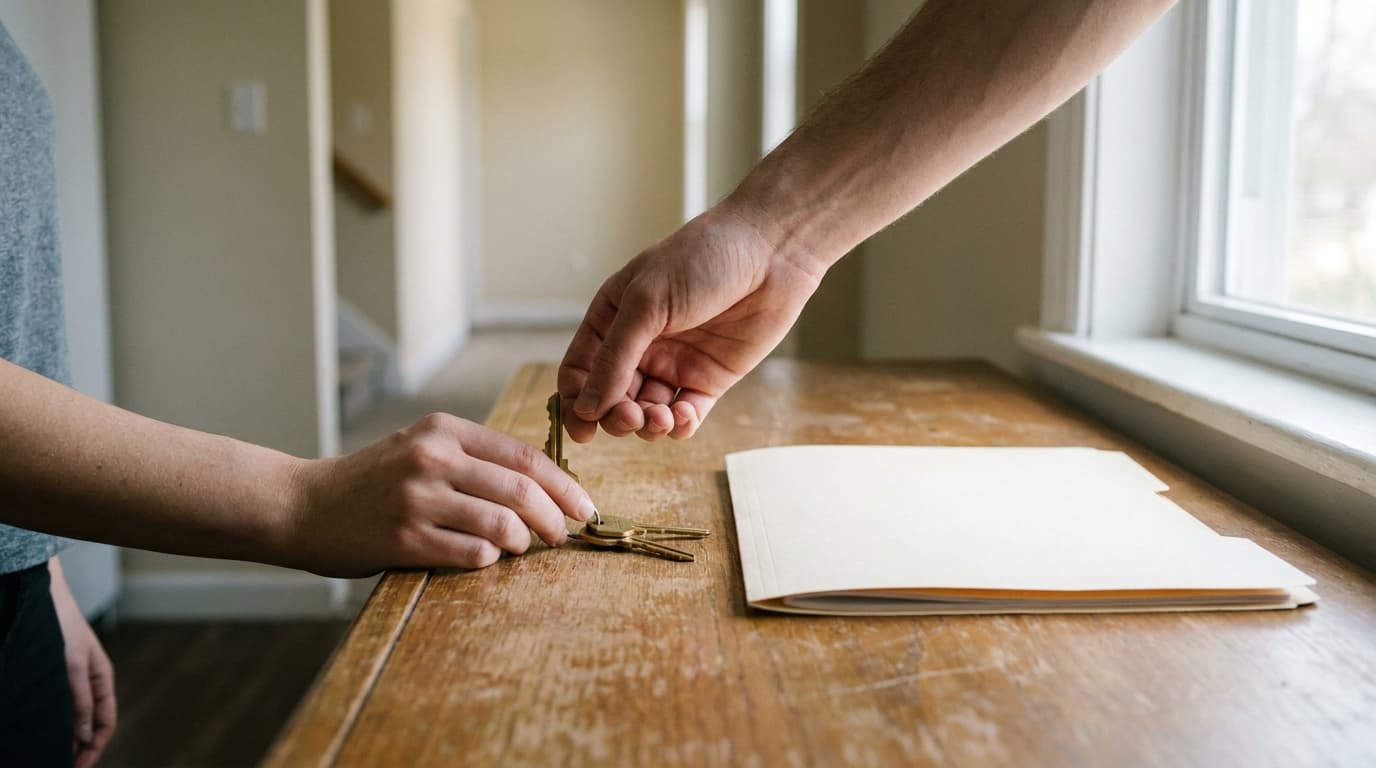
Renting in British Columbia comes with specific legal protections, whether you live in Vancouver, Kelowna, Victoria, or a small community in the Interior. These rules sit on top of your lease and generally cannot be signed away, even if the rental agreement says otherwise.
This guide covers what BC renters ask about most: how much rent can go up each year, how deposits work, when a landlord can enter your home, and what happens if you receive a notice to move out. For a wider look at how tenant protections compare across the country, see Canada tenant rights.
Jurisdiction scope: This guide covers residential tenancies in British Columbia only. Rules differ in every other province, so see Canadian law by province if you rent elsewhere in Canada. This is general information, not legal advice about your specific tenancy.
The Residential Tenancy Act and Who It Covers
British Columbia's Residential Tenancy Act (RTA) sets out the rights and duties of most landlords and tenants in the province. The Residential Tenancy Branch (RTB) is the government office that administers the Act, provides information, and resolves disputes. The RTA applies to most rented houses, apartments, basement suites, and manufactured home pads, whether the agreement is written or verbal.
A few living situations fall outside the RTA, including a room rented from an owner who lives in the same unit and shares a kitchen or bathroom with the tenant, most vacation and travel accommodation, and co-operative housing. Since 2018, landlords can no longer use a fixed-term lease to force a tenant to move out at the end of the term simply to reset the rent higher for the next tenant, one of several changes meant to give BC renters more stability.
How Much Rent Can Go Up in BC
For 2026, the maximum allowable rent increase in British Columbia is 2.3%, down from 3% in 2025. The province sets this limit annually based on inflation, and a landlord cannot exceed it even if their own costs, such as strata fees, insurance, or utilities, have risen faster.
A landlord can raise the rent only once every 12 months and must give at least three full months' written notice using the official Notice of Rent Increase, Form RTB-7. The notice must state the exact new dollar amount and the date the increase takes effect. A tenant who believes an increase was calculated incorrectly, or applied more than once within 12 months, can dispute it with the RTB. See rent increase rules for how BC's limit compares with other provinces.
Security Deposits and Pet Damage Deposits
A landlord can require a security deposit of up to half of one month's rent, based on the rent amount at the start of the tenancy. If pets are allowed, the landlord can also charge a separate pet damage deposit, also capped at half a month's rent no matter how many pets live in the unit (guide and service dogs are exempt from this deposit). A landlord who charges both deposits still cannot collect more than the equivalent of one full month's rent up front.
At the end of the tenancy, the tenant must give the landlord a forwarding address in writing. From that point, the landlord has 15 days to return the deposits, along with any interest owed, or to apply for dispute resolution if a deduction is intended. A landlord who misses that window without applying can be ordered to repay the tenant double the deposit amount. See security deposits for how BC's deposit rules compare with the rest of Canada.
When a Landlord Can Enter Your Rental Unit
Except in a genuine emergency, a landlord must give written notice at least 24 hours, and no more than 30 days, before entering a rental unit. The notice has to state the date, a time between 8 a.m. and 9 p.m., and the reason for entry, such as a repair, an inspection, or showing the unit to a prospective buyer or tenant.
A tenant is entitled to be present, or to have someone represent them, when the landlord enters. A landlord who enters without proper notice or a valid reason, or who enters repeatedly to harass a tenant, can be ordered by the RTB to stop.
Repairs and Basic Living Conditions
A landlord must keep the rental unit in a state that complies with health, safety, and housing standards, and must maintain it in a reasonable state of repair given its age and the rent charged. Ordinary wear and tear from everyday living is the landlord's responsibility, not the tenant's.
A tenant who needs a repair should put the request in writing and keep a copy. If a landlord does not respond, the tenant can apply to the RTB for an order requiring the repair, and in some cases for a rent reduction covering the period the problem went unfixed.
Ending a Tenancy: Notice Periods and Compensation
Non-Payment of Rent and Cause
If rent is unpaid, a landlord can serve a 10-Day Notice to End Tenancy for Unpaid Rent. Paying the full amount owed within those 10 days generally cancels the notice. For cause, such as repeated late payment, damage to the unit, or seriously disturbing other occupants, a landlord can serve a One Month Notice to End Tenancy for Cause, and the tenant then has 10 days to dispute it with the RTB.
Landlord's Use and Purchaser's Use
A landlord who plans to move into the rental unit, or a purchaser who intends to occupy it after buying the property, must serve a written notice generated through the RTB's online landlord-use portal. As of June 18, 2025, that notice period is three months, down from the four months required between 2024 and mid-2025, and the two months required before that. The tenant is entitled to compensation equal to one month's rent, which the landlord either pays directly or credits against the tenant's final month.
Landlords and purchasers must act in good faith and actually use the unit for the stated purpose. If they do not, within a reasonable period, the former tenant can apply to the RTB for compensation of up to 12 months' rent.
Demolition, Renovation, or Conversion
Ending a tenancy to demolish a building, convert it to another use, or complete a renovation extensive enough that the unit cannot reasonably be lived in during the work still requires four months' notice, plus the same one month's rent compensation. The landlord must already hold the necessary permits before serving the notice.
In buildings with five or more rental units, affected tenants generally have a right of first refusal to move back in once the work is finished. See renoviction and bad-faith eviction for how these protections work and what counts as bad faith.
Disputing a Notice
A tenant who wants to challenge an eviction notice must apply for dispute resolution within the applicable deadline: 21 days for a three-month landlord's-use or purchaser's-use notice, and 30 days for a four-month demolition or renovation notice. Missing the deadline generally means losing the right to dispute the notice, so it is worth acting quickly rather than waiting to see what happens.
Resolving a Dispute: RTB or CRT
Most disagreements between BC landlords and tenants, including rent, deposits, repairs, and evictions, are decided by the Residential Tenancy Branch through its dispute resolution process, not the courts. The RTB handles monetary claims up to $35,000 and offers a few paths depending on the situation: a paper-only direct request for straightforward matters like an unreturned deposit, facilitation to help the parties reach an agreement, a full participatory hearing where both sides present their case to an arbitrator, and an expedited hearing for urgent matters such as an unsafe unit.
The Civil Resolution Tribunal (CRT) plays a much narrower role. It generally cannot hear disputes that fall under the Residential Tenancy Act, since the RTB has exclusive authority over rent, deposits, and most other tenancy-related compensation claims. The CRT instead handles claims the RTB does not cover, most commonly money disputes between roommates or other occupants who share a unit but do not each have a direct tenancy agreement with the landlord, for amounts up to $5,000. If you are unsure which body has jurisdiction over your situation, both the RTB and CRT publish online tools that can help you check before filing.
Disclaimer
This article provides general information about tenant rights in British Columbia as of July 2026. It is not legal advice and does not create a lawyer-client relationship. Tenancy rules and forms can change, so confirm current requirements with the Residential Tenancy Branch, the Civil Resolution Tribunal, or a licensed lawyer or paralegal before acting on anything specific to your situation.
Frequently Asked Questions
What is the maximum rent increase allowed in BC for 2026?
2.3%. A landlord can apply this increase only once every 12 months and must give three full months' written notice using the official Notice of Rent Increase form.
How much can a landlord charge for a security deposit in BC?
No more than half a month's rent. If the tenant has a pet, the landlord can also charge a separate pet damage deposit of up to half a month's rent, so the combined maximum is one month's rent.
How much notice does a landlord need to enter my rental unit?
At least 24 hours' written notice, except in an emergency. The notice must state the date, a time between 8 a.m. and 9 p.m., and the reason for entry.
How much notice do I get if my landlord wants to move in?
Three months, as of June 18, 2025 (previously four months), plus compensation equal to one month's rent from the landlord.
Can my landlord evict me to renovate the building?
Only if the renovation is extensive enough that the unit cannot reasonably be lived in during the work. The landlord needs four months' notice, the required permits already in hand, and must pay one month's rent compensation; larger buildings also give tenants a right of first refusal to move back in.
Where do I go to dispute a tenancy issue in BC?
Almost all landlord-tenant disputes, including rent, deposits, and evictions, go to the Residential Tenancy Branch, which can order compensation up to $35,000. The Civil Resolution Tribunal only handles a narrow set of claims the RTB does not cover, such as money disputes between roommates, up to $5,000.
Sources and References
- Residential Tenancy Act, SBC 2002, c 78(bclaws.gov.bc.ca).gov
- Province of British Columbia: Rent increases (2026 maximum allowable increase, notice period, Form RTB-7)(gov.bc.ca).gov
- Province of British Columbia: Tenancy deposits and fees (security and pet damage deposit limits, return timeline)(gov.bc.ca).gov
- Province of British Columbia: Landlord access to rental units (24-hour notice rule)(gov.bc.ca).gov
- Province of British Columbia: Types of evictions (notice periods for cause, landlord's/purchaser's use, demolition and renovation)(gov.bc.ca).gov
- Province of British Columbia: Receiving an eviction notice (compensation rules, dispute deadlines, bad-faith remedy)(gov.bc.ca).gov
- Province of British Columbia: Tenancy dispute resolution (RTB process types, $35,000 monetary limit)(gov.bc.ca).gov
- BC Civil Resolution Tribunal: What kinds of claims can the CRT take? (RTB exclusive jurisdiction, roommate disputes, $5,000 limit)(civilresolutionbc.ca).gov