
Alberta
Tenant Rights in Alberta: A 2026 Renter's Guide
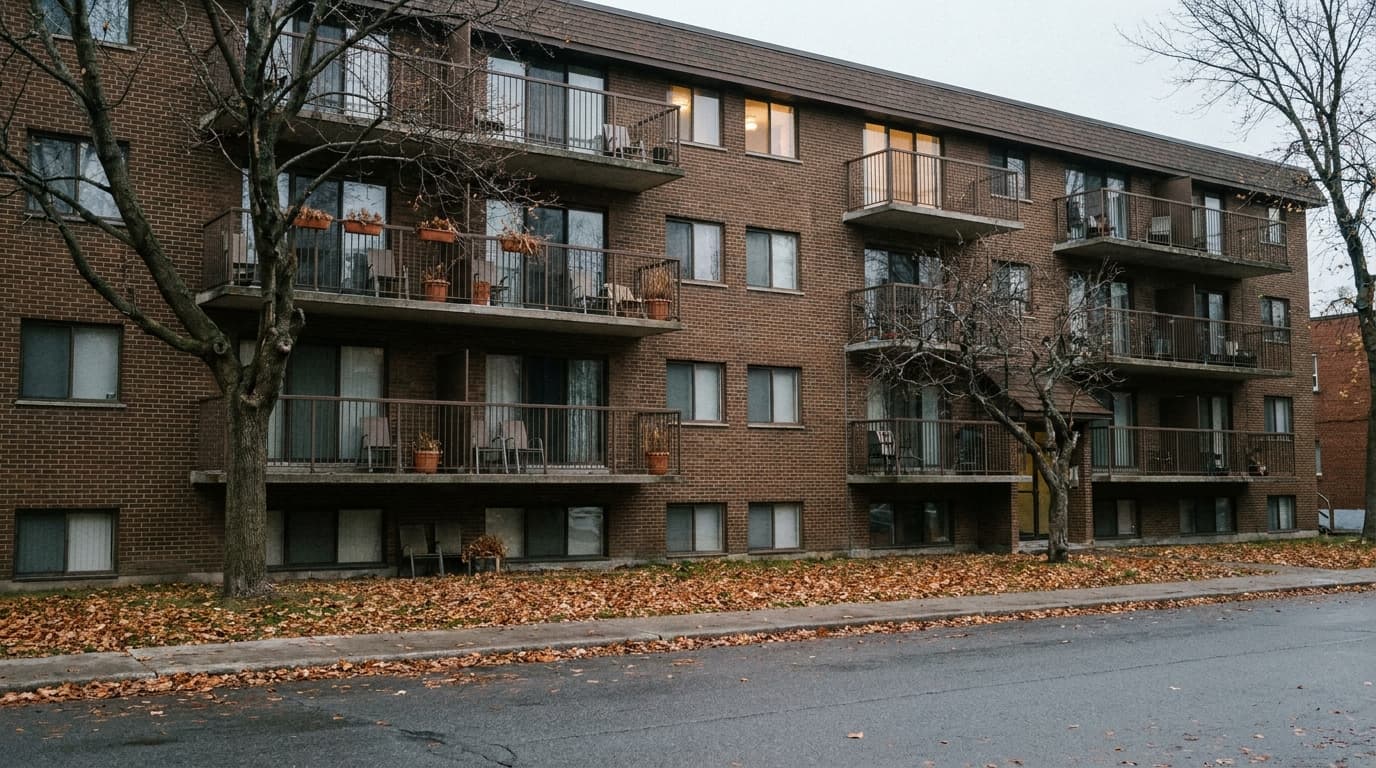
Renting a home in Alberta comes with a specific set of rights and responsibilities set out in provincial law, separate from the rules that apply in British Columbia, Ontario, or any other province. This guide covers the essentials for tenants in Alberta: how much notice a landlord needs to raise the rent, how security deposits work, what has to happen before an eviction, when a landlord can enter a rental unit, and where to take a dispute if a landlord and tenant cannot resolve it themselves.
Alberta's tenancy rules apply to most residential rentals, though a few types of housing, such as some co-operatives, employer-provided housing tied to a job, and certain institutional or emergency shelters, are exempt. If it is unclear whether a tenancy is covered, the Residential Tenancy Dispute Resolution Service or Service Alberta can confirm.
Alberta's Residential Tenancies Act and the RTDRS
Residential tenancies in Alberta are governed by the Residential Tenancies Act, SA 2004, c R-17.1, along with its accompanying regulations. This is the current law. It replaced an earlier statute from 2000, RSA 2000, c R-17, so older references to that citation describe a law that is no longer in force.
The Act sets out the rights and obligations of both landlords and tenants, covering everything from how a tenancy agreement is formed to how it can end. Mobile home sites have their own related statute, the Mobile Home Sites Tenancies Act, with similar but not identical rules.
When a landlord and tenant cannot resolve a disagreement themselves, two venues are available. The Residential Tenancy Dispute Resolution Service, known as the RTDRS, is a quasi-judicial tribunal built specifically for tenancy disputes, and it is generally faster and less formal than court. The Alberta Court of Justice can also hear tenancy matters, and is typically used for disputes the RTDRS does not handle or where a party prefers to go to court.
Neither a landlord nor a tenant can simply take matters into their own hands. Changing the locks, removing a tenant's belongings, or shutting off utilities to force someone out is not a lawful way to end a tenancy, no matter how the disagreement started.
Rent Increases in Alberta
Alberta places no limit on the dollar amount or percentage by which a landlord can raise the rent. What the rent increase rules do control is timing and frequency, not the size of the increase.
A landlord cannot raise the rent more than once in any 365-day period, counted from the start of the tenancy or the date of the last increase, whichever is later. Rent also cannot be increased during a fixed-term lease. It can only take effect at renewal or during a periodic tenancy, such as a month-to-month arrangement.
Notice requirements depend on the type of tenancy:
- Month-to-month tenancy: at least 3 full tenancy months' written notice
- Week-to-week tenancy: at least 12 full tenancy weeks' written notice
- Other periodic tenancies: at least 90 days' written notice
The notice must be in writing, state the new rent amount, and give the effective date. A verbal increase, or one given with too little notice, is not valid, and the previous rent amount continues to apply until a proper notice takes effect.
Security Deposits in Alberta
A landlord in Alberta can ask for a security deposit of up to one month's rent, and no more. The deposit must go into an interest-bearing trust account at a bank, credit union, treasury branch, or trust company in Alberta within 2 banking days of receiving it.
The province sets the annual interest rate landlords must pay on deposits, using a formula tied to a benchmark investment rate. That rate has been falling in recent years: 1.6 per cent in 2024, 0.5 per cent in 2025, and 0 per cent for 2026, meaning no interest payment is owed on deposits for the current year.
When a tenancy ends, a landlord has 10 days after getting the keys back to either return the deposit with any interest owed, or deliver a statement of account showing deductions or an estimate of expected costs. If only an estimate was given at first, the landlord must follow up with a final statement within 30 days. A landlord cannot deduct for ordinary wear and tear, only for unpaid rent or actual damage beyond normal use.
Ending a Tenancy and Eviction in Alberta
A fixed-term lease simply ends on the date stated in the agreement, and neither side needs to give notice for it to end on schedule. Ending a periodic tenancy without cause works differently. A tenant must give at least one month's notice, while a landlord must give at least 3 months' notice (12 tenancy weeks for a week-to-week tenancy).
Eviction notices for cause follow a shorter timeline. The most common ground is unpaid rent. A landlord who wants to end the tenancy for non-payment must give the tenant at least 14 clear days' written notice, not counting the day the notice is given or the day the tenancy is to end. A tenant who pays everything owed before the termination date can keep the tenancy in place. The same 14-day notice period applies to a serious breach of the tenancy agreement, such as significant damage to the unit or ongoing disturbance to other residents.
If a tenant disagrees with a 14-day notice, the tenant must give the landlord a written objection before the 14 days run out. Whether or not the tenant objects, if the tenant does not move out, the landlord cannot remove the tenant directly. The landlord must apply to the RTDRS or the Alberta Court of Justice for an order ending the tenancy and giving the landlord possession. Only a sheriff or civil enforcement agency acting on that order can lawfully remove a tenant who refuses to leave.
Landlord Entry and Privacy
A rental unit stays private even though someone else owns it. A landlord can enter at any time if the tenant agrees in the moment, but outside of that consent, entry is tightly restricted.
To enter without the tenant's immediate permission, a landlord must give written notice at least 24 hours before the time of entry. The notice has to state the reason, such as a repair, inspection, pest control treatment, or showing the unit to a prospective buyer or tenant, along with the date and time. Entry is only allowed between 8 a.m. and 8 p.m.
The only time a landlord can skip notice altogether is a genuine emergency, such as a fire or a burst pipe, or when the landlord reasonably believes the tenant has abandoned the unit. Entering outside these rules, or showing up unannounced without an emergency, is a breach of the Act, and a tenant can raise the issue with the RTDRS.
Resolving a Dispute: RTDRS or Court
Most Alberta landlord-tenant disputes, including unpaid rent, disputed entry, deposit disagreements, and eviction, can go to the RTDRS. It is designed to move faster than court, hearings are often held by phone, and filing fees are modest, starting at $75 for claims of $7,500 or less and rising for larger claims. Fee waivers are available for applicants who cannot afford the fee.
The Alberta Court of Justice remains an option, particularly for matters the RTDRS does not hear or when a party would rather have a judge decide. Whichever venue is used, an order from the RTDRS or the court is enforceable, and only a sheriff or civil enforcement office can act on an eviction order. Keeping a written record, including copies of notices, receipts, and photos of the unit's condition, makes any dispute easier to prove.
For an overview of tenant protections across the country, see the guide to Canada tenant rights, or browse Canadian law by province for other topics.
Disclaimer
This page is general information about tenant rights in Alberta under the Residential Tenancies Act, SA 2004, c R-17.1, verified against alberta.ca and Service Alberta sources as of 19 July 2026. It is not legal advice. Rules can change, and specific situations, such as mobile home sites, subsidized housing, or a tenancy that started under an earlier version of the Act, may be handled differently. For advice about a specific tenancy, contact the Residential Tenancy Dispute Resolution Service, Service Alberta, or a lawyer or tenant advocacy organization in Alberta.
Frequently Asked Questions
Is there a rent increase limit in Alberta?
No. Alberta sets no cap on how much a landlord can raise the rent. The only limits are on timing: an increase can happen no more than once every 365 days, and needs written notice of at least 3 months for a month-to-month tenancy, 12 tenancy weeks for a weekly tenancy, or 90 days for other periodic tenancies.
How much can a landlord charge for a security deposit in Alberta?
A security deposit cannot be more than one month's rent. It must be held in an interest-bearing trust account, and the province sets the interest rate each year. For 2026, that rate is 0 per cent, so no interest payment is owed this year.
How much notice does a landlord need to evict a tenant for unpaid rent in Alberta?
At least 14 clear days' written notice. A tenant who pays everything owed before the notice period ends can keep the tenancy in place, and if the tenant still does not move out, the landlord must apply to the RTDRS or the Alberta Court of Justice rather than removing the tenant directly.
Can my landlord enter my rental unit whenever they want in Alberta?
No. Outside of the tenant's immediate consent or a genuine emergency, a landlord must give at least 24 hours' written notice stating the reason for entry, and can only enter between 8 a.m. and 8 p.m.
What is the RTDRS?
The Residential Tenancy Dispute Resolution Service is a tribunal that resolves most landlord-tenant disputes in Alberta faster and at lower cost than court. Filing fees start at $75, and fee waivers are available for applicants who qualify.
What law governs renting in Alberta?
The Residential Tenancies Act, SA 2004, c R-17.1. It replaced an older statute from 2000, so any source citing \"RSA 2000, c R-17\" is referring to a law that is no longer in force.
Sources and References
- Alberta.ca: Residential tenancies (overview hub)(alberta.ca).gov
- Alberta.ca: During a tenancy (rent increase rules, landlord entry rules)(alberta.ca).gov
- Alberta.ca: Starting a tenancy (security deposit maximum and trust account rules)(alberta.ca).gov
- Alberta.ca: Annual security deposit interest rate (0% for 2026)(alberta.ca).gov
- Alberta.ca: Ending a tenancy (notice periods, 14-day eviction notice for non-payment)(alberta.ca).gov
- Alberta.ca: Residential Tenancy Dispute Resolution Service (RTDRS overview)(alberta.ca).gov
- Alberta.ca: RTDRS - How to apply (filing fees effective April 1, 2026)(alberta.ca).gov
- Service Alberta and Red Tape Reduction: Landlord's right of entry, statutory references (PDF)(servicealberta.gov.ab.ca).gov
- CanLII: Residential Tenancies Act, SA 2004, c R-17.1 (current consolidation)(canlii.org)