
Rhode Island
Rhode Island Workplace Recording Laws: Employee and Employer Rights (2026)
Independently fact-checked against primary sources (last audited August 15, 2026). · Reviewed by the RecordingLaw editorial team. · Law checked current as of August 15, 2026. · 5 primary sources cited on this page. How we verify our legal content
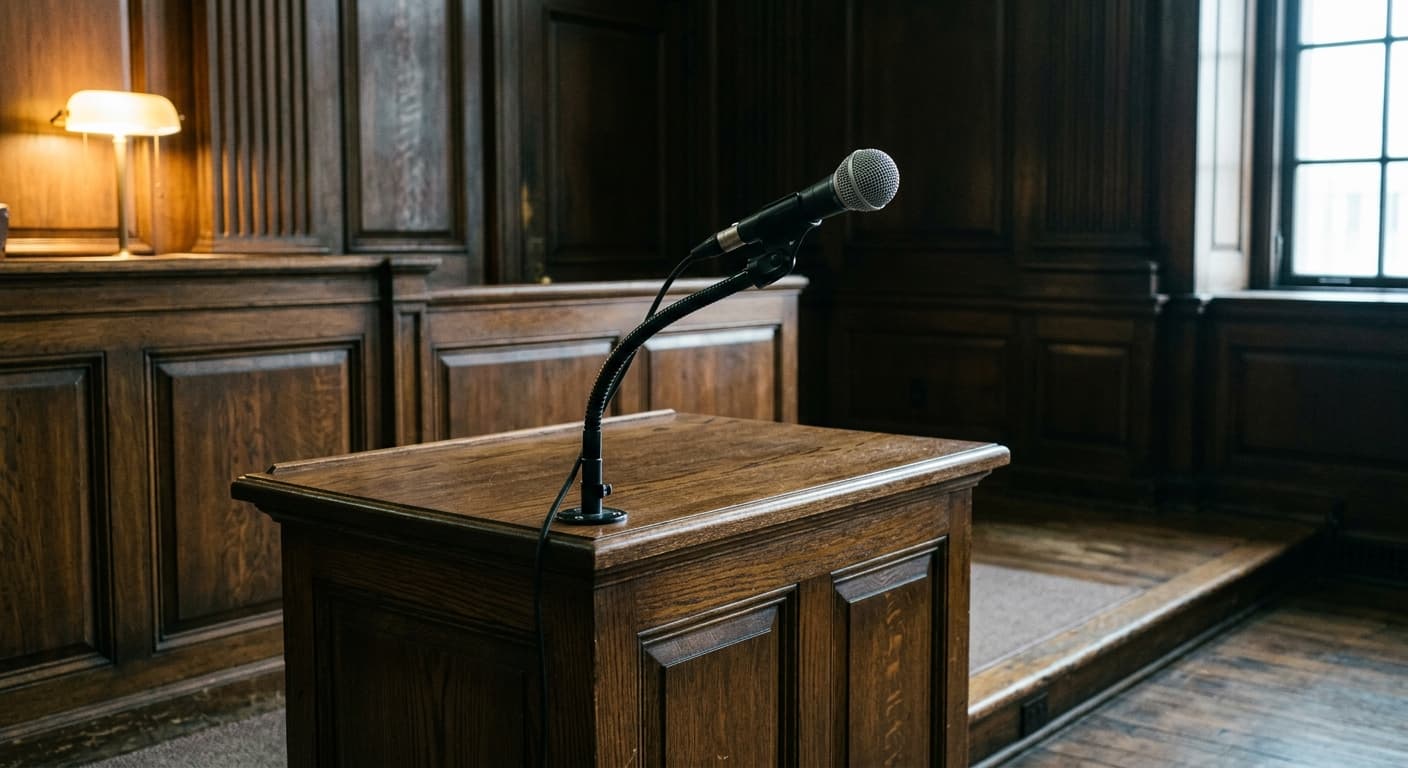
Rhode Island is a one-party consent state under R.I. Gen. Laws 11-35-21, so an employee may record any workplace conversation they participate in without notifying coworkers or managers. The recording must not serve criminal, tortious, or injurious purposes. Employers may still enforce no-recording policies and terminate violators.
Rhode Island's one-party consent law under R.I. Gen. Laws § 11-35-21 allows employees to record workplace conversations they participate in. The recording must not be for criminal, tortious, or injurious purposes. Employers can conduct video surveillance in appropriate common areas.
This guide covers employee recording rights, employer surveillance, company policies, federal labor protections, and using workplace recordings as evidence.
Employee Recording Rights
Employees can record in-person meetings, phone calls, and virtual meetings they participate in. Common uses include documenting harassment, preserving verbal agreements, recording performance reviews, and collecting evidence for potential legal claims.
Employer Surveillance
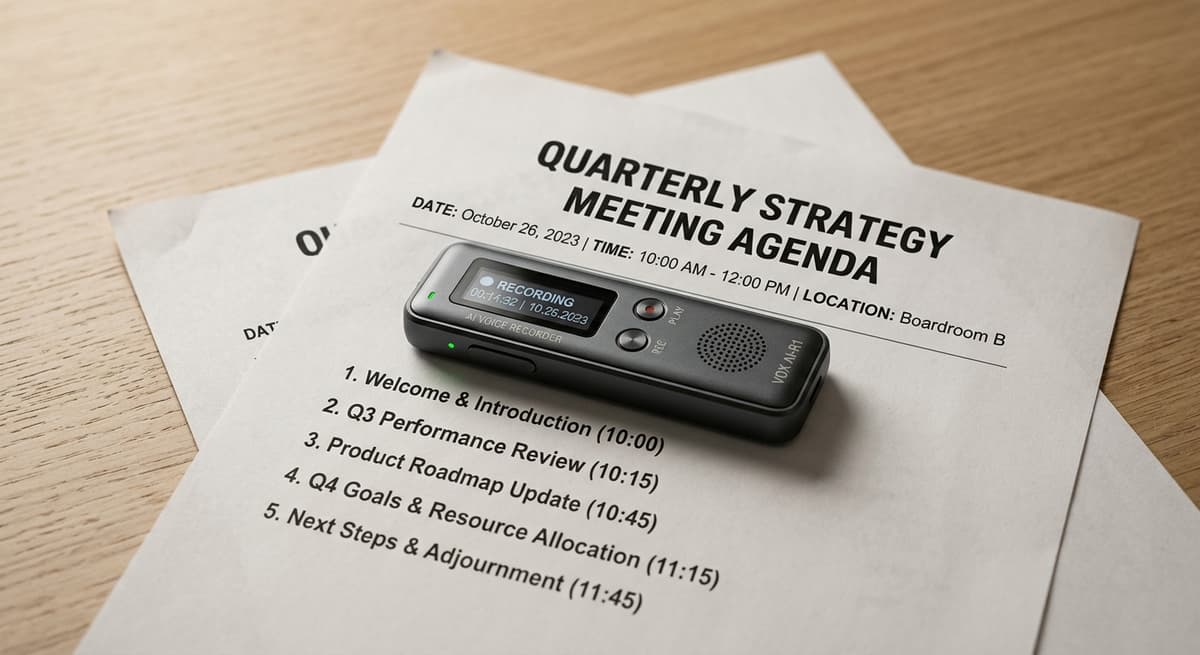
Employers can install cameras in lobbies, sales floors, warehouses, parking lots, and hallways. Placing a camera in a bathroom, locker room, or changing area to capture intimate areas for sexual arousal or gratification is voyeurism under § 11-64-2; even without that purpose, cameras in those spaces still carry independent privacy-tort and policy risk, so employers should avoid them.
Company Recording Policies
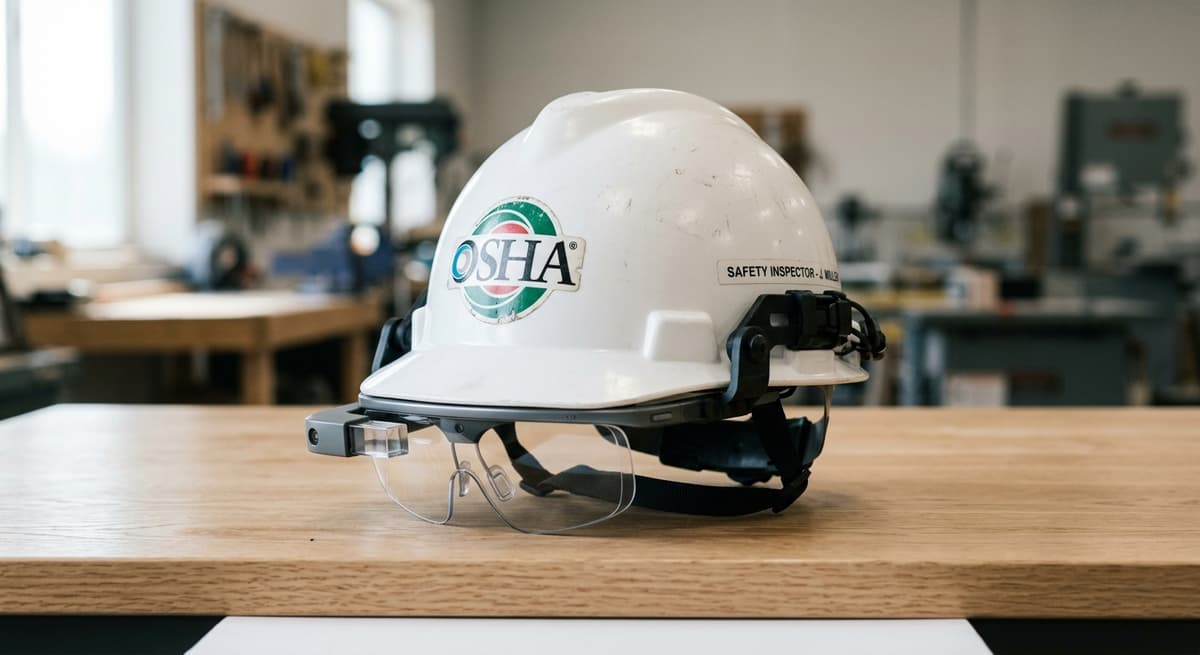
Rhode Island is at-will. Employers can fire employees for violating no-recording policies, but the recording remains legally valid and can be used as evidence. The controlling NLRB standard for no-recording handbook policies is Stericycle, Inc., 372 NLRB No. 113 (Aug. 2, 2023): a policy is presumptively unlawful if a reasonable economically dependent employee could read it as chilling Section 7 protected concerted activity. NLRB GC 25-05 (Feb. 14, 2025) rescinded certain prior memoranda as a housekeeping measure but did not reinstate the prior Boeing framework; Stericycle remains controlling.
Federal Protections
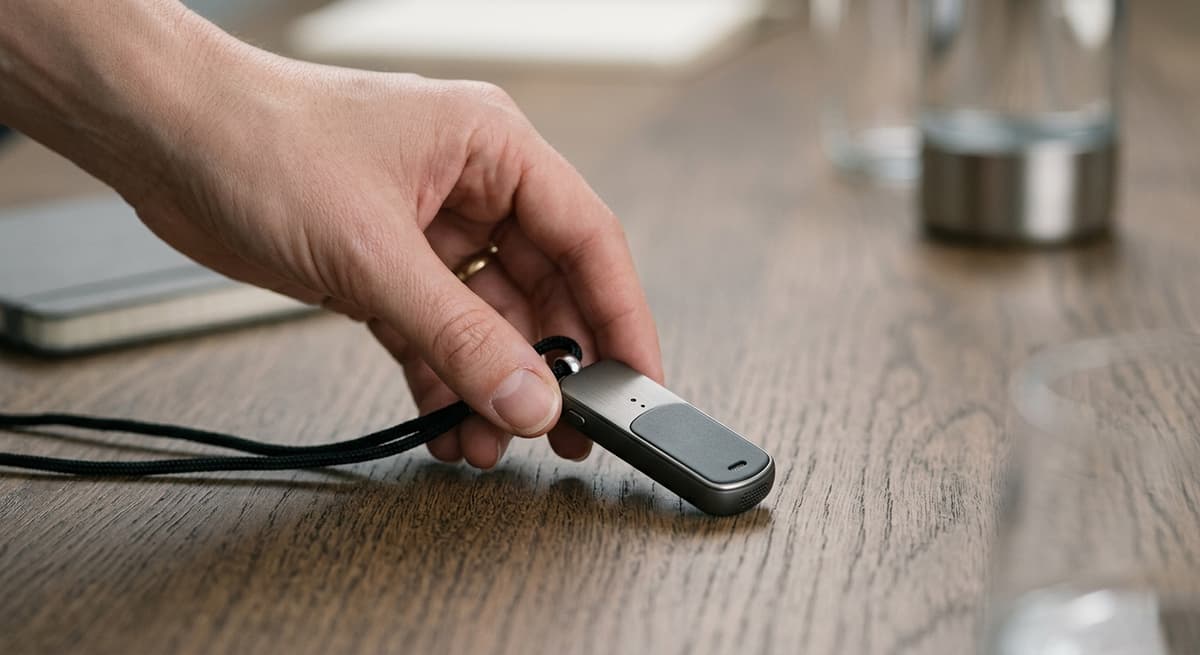
OSHA protects whistleblowers. The EEOC accepts recording evidence in discrimination claims. The Rhode Island Commission for Human Rights handles state-level employment discrimination.
The civil statute of limitations for workplace wiretap claims under R.I. Gen. Laws § 12-5.1-13 is three years under R.I. Gen. Laws § 9-1-14(b). In Boudreau v. Automatic Temperature Controls, Inc., 212 A.3d 594 (R.I. 2019), the Rhode Island Supreme Court held the clock runs from the discrete act of interception itself, there the date the employer installed monitoring software, not from any later use or disclosure of the recording. The court rejected a continuing-violation theory and affirmed summary judgment against the employee because his suit was filed more than three years after that discrete act.
More Rhode Island Recording Laws
Audio Recording | Video Recording | Voyeurism & Hidden Cameras | Workplace Recording | Recording Police | Phone Call Recording | Security Cameras | Recording in Public | Landlord-Tenant | Dashcam Laws | Schools | Medical Recording
Back to Rhode Island Recording Laws
More Rhode Island Recording Topics
More Rhode Island Laws
Frequently Asked Questions
Can I record my boss in Rhode Island?
Yes, as a participant in the conversation, as long as the recording is not for criminal, tortious, or injurious purposes. Company policies may restrict recording.
Can my employer put cameras in the workplace in Rhode Island?
Yes, in common areas. A camera in a bathroom, locker room, or changing area that captures intimate areas for a sexual purpose is voyeurism under R.I. Gen. Laws Section 11-64-2; even without that purpose, cameras in those spaces carry independent privacy-tort risk and should be avoided.
Can I be fired for recording at work in Rhode Island?
Yes. Rhode Island is at-will. However, the recording itself is legal and can be used as evidence.
Can workplace recordings be used as evidence?
Yes. Lawfully made recordings are generally admissible in Rhode Island courts and administrative proceedings.
Does the NLRA protect workplace recording?
Yes. Under Stericycle, Inc., 372 NLRB No. 113 (2023), a blanket no-recording policy is presumptively unlawful if a reasonable employee could read it as chilling Section 7 protected concerted activity. The employer must show a legitimate, substantial business interest that cannot be served by a narrower rule. NLRB GC 25-05 (Feb. 2025) was a housekeeping rescission; it did not reinstate Boeing and Stericycle remains controlling.
Updates
Fixed a mischaracterized court ruling: Boudreau v. Automatic Temperature Controls held a workplace wiretap claim's limitations clock runs from the act of interception itself, not from when the plaintiff later discovers it. Replaced a dead OSHA whistleblower link with the current one, and clarified that the workplace camera restriction in bathrooms and changing areas applies to cameras used for a sexual purpose under the voyeurism statute.
Independently fact-checked against the cited primary sources; governing law re-checked for recent changes
Governing law re-checked for recent changes
Reviewed and approved by an editor
The Law Behind This Article
This article rests on the statutory provisions below, held in our own legal record and retrieved from the official source. Tap a section to read the operative text.
Rhode Island General Laws, Title 11: Criminal Offenses, Chapter 11-35: Public Utilities
§ 11-35-21Unauthorized interception, disclosure or use of wire, electronic, or oral communicationIn forcecited in 17 of our articles
(a) Except as otherwise specifically provided in chapter 5.1 of title 12, any person: (1) who willfully intercepts, attempts to intercept, or procures any other person to intercept or attempt to intercept, any wire, electronic, or oral communication; (2) who willfully discloses or attempts to disclose to any person the contents of any wire, electronic, or oral communication, knowing, or having reason to know that the information was obtained through interception of a wire, electronic, or oral communication in violation of this section; or (3) who willfully uses or attempts to use the contents of any wire, electronic, or oral communication, knowing, or having reason to know, that the information was obtained through interception of a wire, electronic, or oral communication in violation of this section; shall be imprisoned for not more than five (5) years. (b) The provisions of subdivisions (a)(2) and (3) of this section shall not apply to the contents of any wire, electronic, or oral communication, or evidence derived from those contents, which has become common knowledge or public information.
Official text (excerpt) · last checked 2026-08-31 · Read the full text in our law library · Verify at webserver.rilegislature.gov
Cited in 5 court opinions in our collectionLatest citing opinion in our collection: 2023
In the courts (editorial summary, independently checked):Walden v. CITY OF PROVIDENCE, RI (2010) held municipalities are not persons who may be sued under sections 11-35-21 and 12-5.1-13. The earlier Walden v. City of Providence (2007) held this section is criminal but that R.I. Gen. Laws 9-1-2 supplies a civil right of action for its violation.
Opinions citing this section in our collection:
- Bartnicki v. Vopper (Supreme Court of the United States 2001, 532 U.S. 514)“…Stat. § 165.540 (1997); 18 Pa. Cons. Stat. § 5703 (2000); R. I. Gen. Laws § 11-35-21 (2000); Tenn. Code Ann. § 39-13-601 (…”
- Walden v. CITY OF PROVIDENCE, RI (Court of Appeals for the First Circuit 2010, 596 F.3d 38)“…te, 18 U.S.C. § 2511 et seq.; Rhode Island's wiretap laws, R.I. Gen. Laws §§ 11-35-21, 12-5.1-13; and the state'…”
- Boehner, John A. v. McDermott, James A. (Court of Appeals for the D.C. Circuit 1999, 191 F.3d 463)“…43 (1998); 18 Pa Cons Stat. Ann. §§ 5703, 5725 (West 1999); R.I. Gen. Laws § 11-35-21 (1998); Tenn.Code Ann. §§ 39-13-601 to…”
Identified automatically from the court opinions citing this section — not a ranking of which case controls.
Also relied on in: Rhode Island Audio Recording Laws: One-Party Consent Rules and Penalties (2026), Rhode Island Dashcam Laws: Mounting, Audio, and Evidence Rules (2026), Rhode Island Medical Recording Laws: Patient Rights and HIPAA Rules (2026)
Search our full record of US law — 2.1 million sections, every state + federal →
Sources and References
- R.I. § 11-35-21(law.justia.com)
- NLRA(nlrb.gov).gov
- OSHA Whistleblower Protection Program(whistleblowers.gov).gov
- RI Human Rights(richr.ri.gov).gov
- R.I. Gen. Laws § 11-35-21 - Unauthorized Interception(webserver.rilegislature.gov).gov
- U.S. Equal Employment Opportunity Commission(eeoc.gov).gov