
Spain
Comunidades de Propietarios: How Spain's Owners' Associations Work (2026)
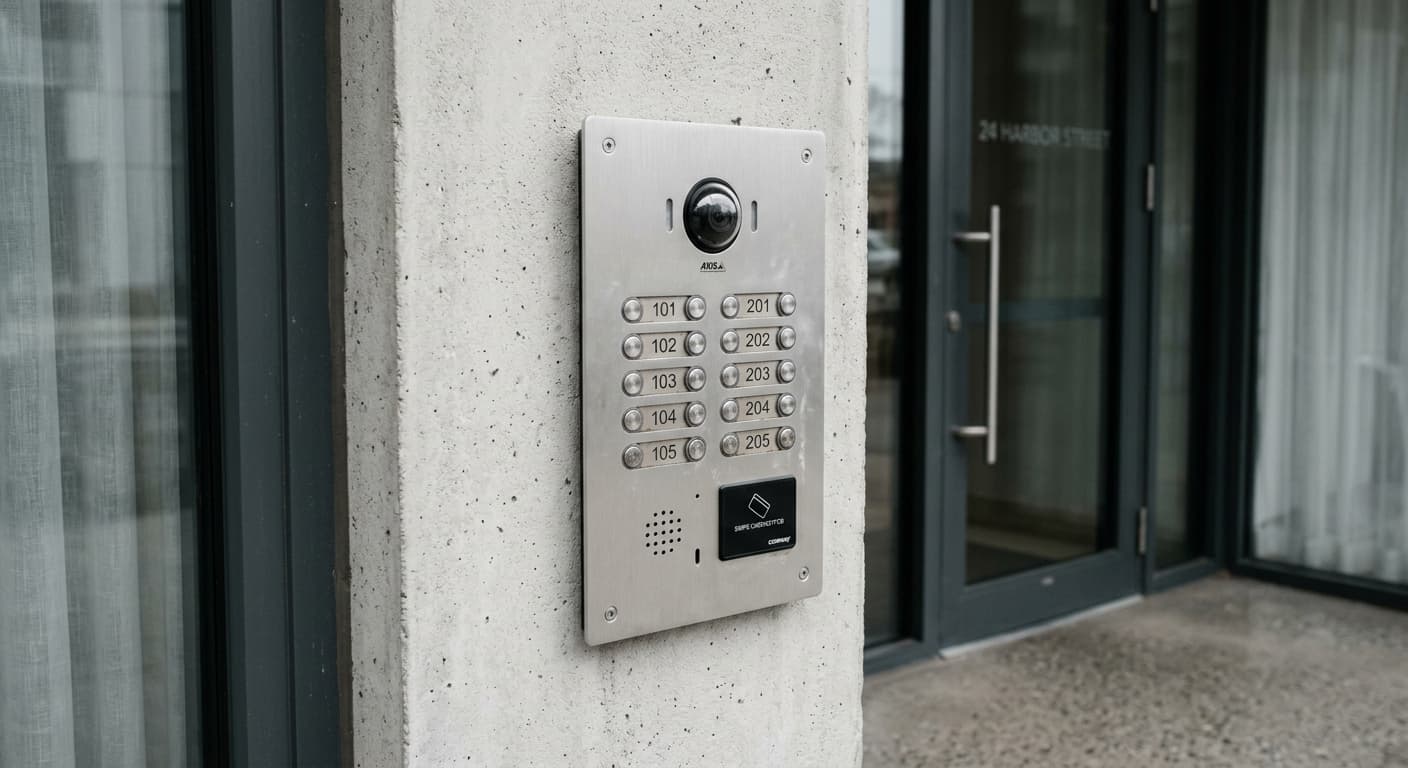
Spain splits almost every apartment building into a comunidad de propietarios: everyone who owns a piso or local automatically co-owns the building's common areas and belongs to one association that runs the building by law. A single national statute, the LPH, sets what the junta can decide by simple majority, what needs three-fifths, and what needs everyone to agree. This section maps how the community works, from votes and money to a neighbor who stops paying or will not stop the noise.
Information last verified on 23 July 2026. This page provides general legal information about Spanish law and does not constitute legal advice in an individual case.
What the LPH governs
The Ley de Propiedad Horizontal (LPH) is the statute behind any building divided into separately owned pisos or locales. Owning a unit automatically carries a co-ownership share in the building's common elements, structure, roof, stairwells and shared installations, which cannot be sold or mortgaged apart from the unit itself (art. 396 CC). The LPH supplies the governance layer on top of that: how the community meets, decides, collects money and enforces its decisions against an owner who will not cooperate.
The junta and its majority ladder
Article 17 LPH sets a ladder of majorities that depends on what is being decided. Most ordinary agreements need a majority of the total owners and quotas at first call; at second call, a majority of those attending suffices, provided it represents more than half of the quotas present (art. 17.7 LPH). Structural alterations, non-required improvements above three months of fees, and services like portería or vigilancia need three-fifths (arts. 17.3 and 17.4 LPH); accessibility and capped energy-efficiency works need only a simple majority (art. 17.2 LPH); telecom and renewable-energy infrastructure needs just one-third (art. 17.1 LPH); and changing the title constitutivo or the bylaws needs unanimity (art. 17.6 LPH).
Agreements validly adopted bind every owner, including those absent who did not object within 30 days of being notified (arts. 17.8 and 17.9 LPH). An owner who disagrees can challenge an agreement in court within strict windows; the homeowners-association page covers that process, the full majority ladder, and the 2025 short-let vote in depth.
Money: cuotas and the afeccion real
Every owner must contribute to the general expenses per their cuota de participación (art. 9.1.e LPH). The community's credit for unpaid fees, current year plus the three preceding, ranks as a preferred credit and the flat is legally tied to it, so a buyer can inherit exposure for a seller's arrears.
A separate rule governs a specific derrama: liability follows whoever owns the flat when the payment actually becomes due, not who owned it when the junta voted (art. 17.11 LPH). Those two rules interact in ways that catch buyers and sellers off guard, and the derrama page walks through exactly how.
When a neighbor does not pay
The LPH gives a community two tools against a moroso: it can strip the voting right, though not the right to attend meetings, of any owner behind on community debts (art. 15.2 LPH), and it can use a purpose-built monitorio process to sue for the debt, backed by a certified copy of the junta's liquidation agreement and, on opposition, a preventive embargo granted without a bond (art. 21 LPH). The unpaid community fees page covers that whole process.
Noise, nuisance and the 2025 short-let rules
Owners and occupants cannot run prohibited, unhealthy, harmful, dangerous or illegal activities anywhere in the building (art. 7.2 LPH). The president can demand immediate cessation and, with the junta's authorization, sue for it; a court can order the activity stopped and, in serious cases, deprive an offending owner of the use of the flat for up to three years. Since April 2025 the same machinery reaches an owner who runs a short-term tourist let without the community's express approval (art. 7.3 LPH). The noise and nuisance page walks through the procedure step by step.
This page is general legal information about Spanish law and does not constitute legal advice in an individual case. The controlling texts are the current versions in the BOE.
Frequently Asked Questions
What law governs a comunidad de propietarios in Spain?
The Ley de Propiedad Horizontal (LPH), together with art. 396 of the Código Civil, which explains why owning a piso or local carries a co-ownership share in the building's common elements.
What happens if I miss a community meeting (junta) in Spain?
An absent owner who was duly notified counts as voting in favor if they do not object within 30 days of being informed, unless the cost cannot be charged to a non-voter or the change is for private benefit (art. 17.8 LPH).
What happens if I do not pay my community fees?
You lose your right to vote, though not to attend (art. 15.2 LPH). The community can also pursue the debt through a specific monitorio process, and the amount is secured against your flat itself (arts. 9.1.e and 21 LPH).
Can a comunidad ban short-term tourist rentals?
Yes. Since the LO 1/2025 reform, a comunidad can approve, limit, condition or prohibit a short-term tourist let by a three-fifths vote (art. 17.12 LPH). Letting without approval can trigger the cesacion procedure used for other nuisance activities (art. 7.3 LPH).