
Spain
Comunidad de Propietarios: The Owners' Association and How Its Votes Work (2026)
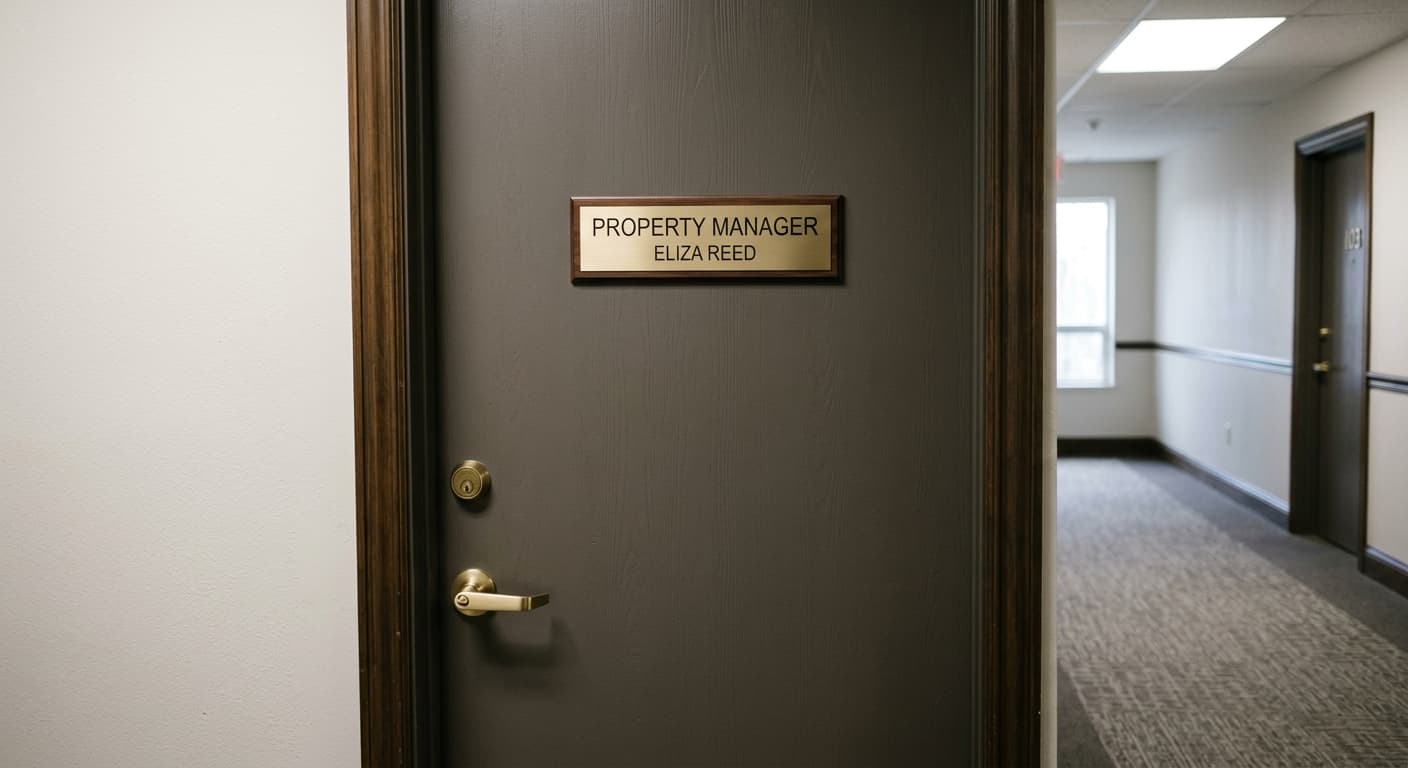
A comunidad de propietarios is not a voluntary club. The moment a building is split into separately owned pisos or locales, every owner belongs to it by operation of law, and the Ley de Propiedad Horizontal (LPH) tells the community exactly how it must decide things and how far its decisions reach. This page goes through the structure in depth: what is common property, what majority each kind of decision needs, how an owner can fight a decision in court, and what the 2025 reform changed for short-term lets.
Information last verified on 23 July 2026. This page provides general legal information about Spanish law and does not constitute legal advice in an individual case.
Elementos comunes and elementos privativos
Spanish horizontal property starts from a single idea in art. 396 of the Código Civil: a piso or local with independent access to a common part of the building or the street can be separately owned, and that separate ownership automatically brings with it a co-ownership share of the building's common elements, defined broadly as everything necessary for the building's adequate use and enjoyment. In practice that reaches the structure, the roof, the facade, the stairwells and entrance, and shared installations up to the point they enter each private unit.
That co-ownership share cannot be divided, sold, mortgaged or seized separately from the private unit it belongs to; the two travel together as a single inseparable package (art. 396 CC). The same article also removes any right of first refusal (tanteo) or repurchase (retracto) among owners when one of them sells their unit.
Who runs it: the junta, president and secretary
The junta de propietarios is the body that adopts binding decisions; agreements validly reached under art. 17 LPH bind every owner, whether or not they attended or voted for them (art. 17.9 LPH). The president represents the community in the procedures this page and its companion pages describe, including demanding that a prohibited activity stop and, with the junta's authorization, suing for it (art. 7.2 LPH).
A secretary certifies the community's official acts where the law requires it, for example the debt-liquidation certificate behind a monitorio claim and the seller's certificate of account status at a sale, both usually needing the president's visto bueno alongside the secretary's signature (arts. 9.1.e and 21.3 LPH). Many communities combine that role with a professional administrador de fincas.
The majority ladder in full
Art. 17 LPH lays out, tier by tier, what each kind of decision needs.
- One-third of owners representing one-third of the quotas, at any owner's request: shared telecoms infrastructure, or renewable-energy and new collective-energy-supply infrastructure. Non-voting owners cannot be charged for it, though they can request access later by paying an updated share (art. 17.1 LPH).
- Simple majority: accessibility works and installing a lift, even where these modify the title deed (art. 17.2 LPH), plus capped energy-efficiency or renewable-energy works with an efficiency certificate.
- Three-fifths: portería, conserjeria, vigilancia or similar general-interest services; renting out common elements with no assigned use; structural alterations and dividing, merging or resizing units; non-required improvements above three months of fees, where a dissenting owner is not bound to pay and their quota does not change (arts. 17.3 and 17.4 LPH).
- Three-fifths, specifically for short-term lets: approving, limiting, conditioning or prohibiting a short-term tourist let under art. 5.e LAU, and a special fee or up to a 20 percent increase in the letting unit's participation; these agreements are not retroactive (art. 17.12 LPH).
- Unanimity: any agreement not otherwise regulated by art. 17 that changes the title constitutivo or the bylaws (art. 17.6 LPH).
- No vote at all: an EV charging point for private use in an individual garage space only needs prior notice to the community, at the interested owner's cost (art. 17.5 LPH).
When the required majority genuinely cannot be reached, a judge can be asked to decide in equity within a month of the second junta (art. 17.7 LPH).
Challenging a junta agreement
Art. 18 LPH sets three grounds to challenge an agreement: it is contrary to the law or the bylaws; it is gravely harmful to the community's own interests for the benefit of one or more owners; or it causes an owner grave prejudice they have no legal duty to bear, or was adopted with abuse of right. Standing belongs to owners who voted against the agreement and had that recorded, owners who were absent for any reason, and owners wrongly denied their vote (art. 18.2 LPH).
To bring the challenge, the owner generally must be up to date on all due community debts, or have deposited the disputed amount judicially, except when challenging how the cuota de participación itself was set. The window is three months from the agreement, extended to one year for agreements contrary to law or the bylaws; for an absent owner, the clock starts once the agreement is communicated (art. 18.3 LPH). Filing a challenge does not by itself pause execution, though a judge can order that as a precaution (art. 18.4 LPH).
The 2025 short-let vote
Since the LO 1/2025 reform, effective 3 April 2025, an owner who wants to run a short-term tourist let under art. 5.e LAU must first obtain the community's express approval by the three-fifths majority described above (arts. 7.3 and 17.12 LPH). If someone runs one anyway without that approval, the president can demand immediate cessation, and, if the person persists, the same cesacion machinery used against other nuisance activities applies (art. 7.3 LPH), covered in depth on the noise and nuisance page.
This page is general legal information about Spanish law and does not constitute legal advice in an individual case. The controlling texts are the current versions in the BOE.
Frequently Asked Questions
What is the difference between elementos comunes and elementos privativos?
Elementos privativos are the parts of a piso or local an owner holds exclusively. Elementos comunes are everything necessary for the building's adequate use, structure, roof, facade, stairwells and shared installations, and owning a unit carries an automatic, inseparable co-ownership share in them (art. 396 CC).
What majority do I need to approve building works?
It depends on the works. Accessibility and capped energy-efficiency works need only a simple majority (art. 17.2 LPH); structural alterations and non-required improvements above three months of fees need three-fifths (art. 17.4 LPH); and works that are legally mandatory for conservation, safety or accessibility need no vote at all, covered on the derrama page.
How do I challenge a junta agreement I disagree with?
You need standing (you voted against and it was recorded, you were absent, or you were wrongly denied a vote) and a valid ground under art. 18 LPH: illegality, grave harm to the community for someone's benefit, or grave unjustified prejudice to you. File within three months, or one year for agreements contrary to law or the bylaws, and be current on community debts unless you are challenging the cuota de participación itself.
Can I vote in a junta if I owe community fees?
You can attend and take part in the discussion, but you lose the right to vote if you are behind on due community debts when the junta starts, unless you have already judicially challenged the debt or deposited the amount owed (art. 15.2 LPH).
Does a comunidad need to approve my short-term rental listing?
Yes, since 3 April 2025. Running a short-term tourist let under art. 5.e LAU requires the community's express approval by a three-fifths vote (art. 17.12 LPH). Letting without that approval can trigger the same cesacion procedure used against other nuisance activities (art. 7.3 LPH).