
Spain
Ruidos de Vecinos: Stopping a Nuisance Neighbor in a Spanish Comunidad (2026)
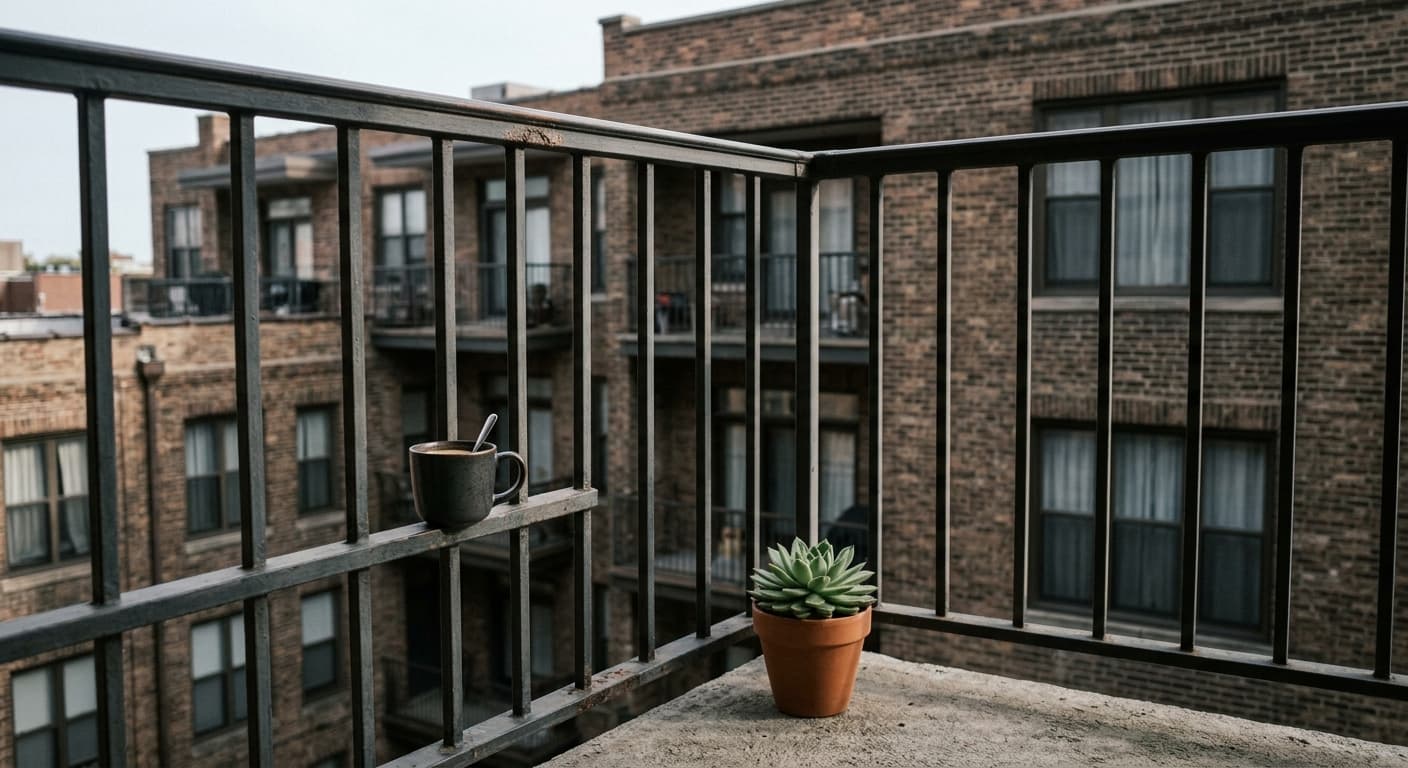
A noisy or disruptive neighbor is one of the most common complaints inside a Spanish comunidad, and the LPH gives the community a real procedure to stop it, not just a right to complain at the next meeting. It runs through the president, then the junta, then a court, and it can end with the offending owner losing the use of their own flat. This page walks the procedure step by step, including the version added in 2025 for unauthorized short-term lets.
Information last verified on 23 July 2026. This page provides general legal information about Spanish law and does not constitute legal advice in an individual case.
What counts as a prohibited activity
Art. 7.2 LPH does not single out noise by name, it covers a category. Owners and occupants cannot carry out, in their own unit or anywhere else in the building, activities that the community's bylaws prohibit, that damage the property, or that break general legal rules on activities that are molestas, insalubres, nocivas, peligrosas or ilicitas. Persistent noise is the everyday example, but the same mechanism covers anything else that fits one of those categories.
Step one: the president's warning
The procedure starts with the president. Acting on their own initiative, or because any owner or occupant asked, the president must require the person carrying out the prohibited activity to stop immediately, warning that the appropriate judicial action will follow if they do not (art. 7.2 LPH). This requerimiento is not a formality to skip, it is a precondition for everything that comes after, and it needs to be provable, which is why it is normally sent in a form that leaves a fehaciente record.
Step two: the junta authorizes, and the lawsuit follows
If the person carrying out the activity keeps at it, the president needs the junta's prior authorization, given at a meeting called specifically for that purpose, before suing for an accion de cesacion (art. 7.2 LPH). The claim proceeds through the juicio ordinario except where art. 7 itself sets a different rule, and it must be filed together with proof of the earlier fehaciente requerimiento and a certification of the junta's authorizing agreement.
Once the claim is filed, a judge can order the activity's immediate cessation as a precautionary measure, warning the person that continuing amounts to the crime of desobediencia, and can adopt any other precautionary measures needed to make that order effective. The claim must be directed against the owner and, where relevant, also against the occupant of the flat, since it is often a tenant rather than the owner who is actually causing the disturbance.
What a court can order
If the judgment favors the community, the court can order the activity's definitive cessation and any damages that are appropriate. Beyond that, it can deprive an offending owner of the right to use their own flat for up to three years, depending on the gravity of the infraction and the harm caused to the community (art. 7.2 LPH). If the person causing the problem is not the owner, most often a tenant, the judgment can instead declare all of their rights over the flat definitively extinguished and order their immediate eviction (art. 7.2 LPH).
The 2025 addition: unauthorized short-term lets
Since the LO 1/2025 reform, in force from 3 April 2025, an owner who wants to run a short-term tourist let under art. 5.e LAU must first get the community's express approval by the three-fifths vote described on the homeowners-association page (art. 17.12 LPH). If an owner runs one anyway without that approval, the president can demand immediate cessation on their own initiative or at any owner's or occupant's request, applying exactly the same machinery described above, junta authorization, an accion de cesacion, and the same range of possible outcomes up to loss of use or eviction (art. 7.3 LPH).
Beyond the LPH: municipal noise rules
The LPH governs the community's own internal procedure. Noise is also regulated separately by each municipality's own ordenanzas and by environmental-noise rules that vary by location, with their own enforcement bodies and thresholds. Because those local rules differ from one ayuntamiento to another, a resident dealing with persistent noise should check the specific ordinance where the property is located rather than assume a single nationwide limit applies, and a municipal complaint can run alongside, not instead of, the LPH procedure above.
A practical escalation ladder
Most noise disputes do not need to go straight to a lawsuit. A workable order is to raise the problem directly with the neighbor first, then put the complaint in writing to the president or administrador so a formal requerimiento can be issued under art. 7.2 LPH, then, if it continues, ask the junta to authorize an accion de cesacion. A burofax at any of these stages creates a dated, provable record, and a municipal noise complaint through the ayuntamiento can be filed in parallel at any point.
This page is general legal information about Spanish law and does not constitute legal advice in an individual case. The controlling texts are the current versions in the BOE.
Frequently Asked Questions
What can I do about a noisy neighbor in Spain?
Report it to the community president, who can issue a formal requerimiento demanding immediate cessation (art. 7.2 LPH). If the noise continues, the president can seek the junta's authorization to sue for an accion de cesacion, which can end in a court-ordered stop, damages, and in serious cases the loss of the offender's right to use the flat. You can also file a separate complaint with your ayuntamiento under its local noise ordinance.
Can a community evict a tenant for causing noise problems?
Yes, indirectly. If a court upholds an accion de cesacion against a person who is not the owner, most often a tenant, it can declare all of their rights over the flat definitively extinguished and order their immediate eviction (art. 7.2 LPH). The claim in that case is brought against both the owner and the occupant.
Is there a legal decibel limit for noise in Spain?
Decibel thresholds are set at the municipal and environmental level and vary by location, not by the LPH itself, which addresses the community's own internal procedure for stopping a prohibited activity rather than setting a nationwide noise figure. Check the ordenanza of the ayuntamiento where the property sits for any specific limit.
What is the accion de cesacion in a comunidad de propietarios?
It is the lawsuit a community's president can bring, with the junta's prior authorization, against an owner or occupant who keeps running a prohibited activity after being formally warned to stop (art. 7.2 LPH). A court can order immediate cessation as a precautionary measure and, in the final judgment, damages and, in serious cases, loss of the right to use the flat.
Can an owner lose the right to use their flat because of nuisance?
Yes. If an accion de cesacion succeeds against an owner, a court can deprive them of the right to use their own flat for up to three years, depending on how serious the conduct was and how much harm it caused the community (art. 7.2 LPH). A non-owner occupant faces a different and harsher outcome: the judgment can definitively extinguish all their rights over the dwelling and order immediate eviction (art. 7.2 LPH).