
Germany
German Traffic Law (Verkehrsrecht): The Complete Hub
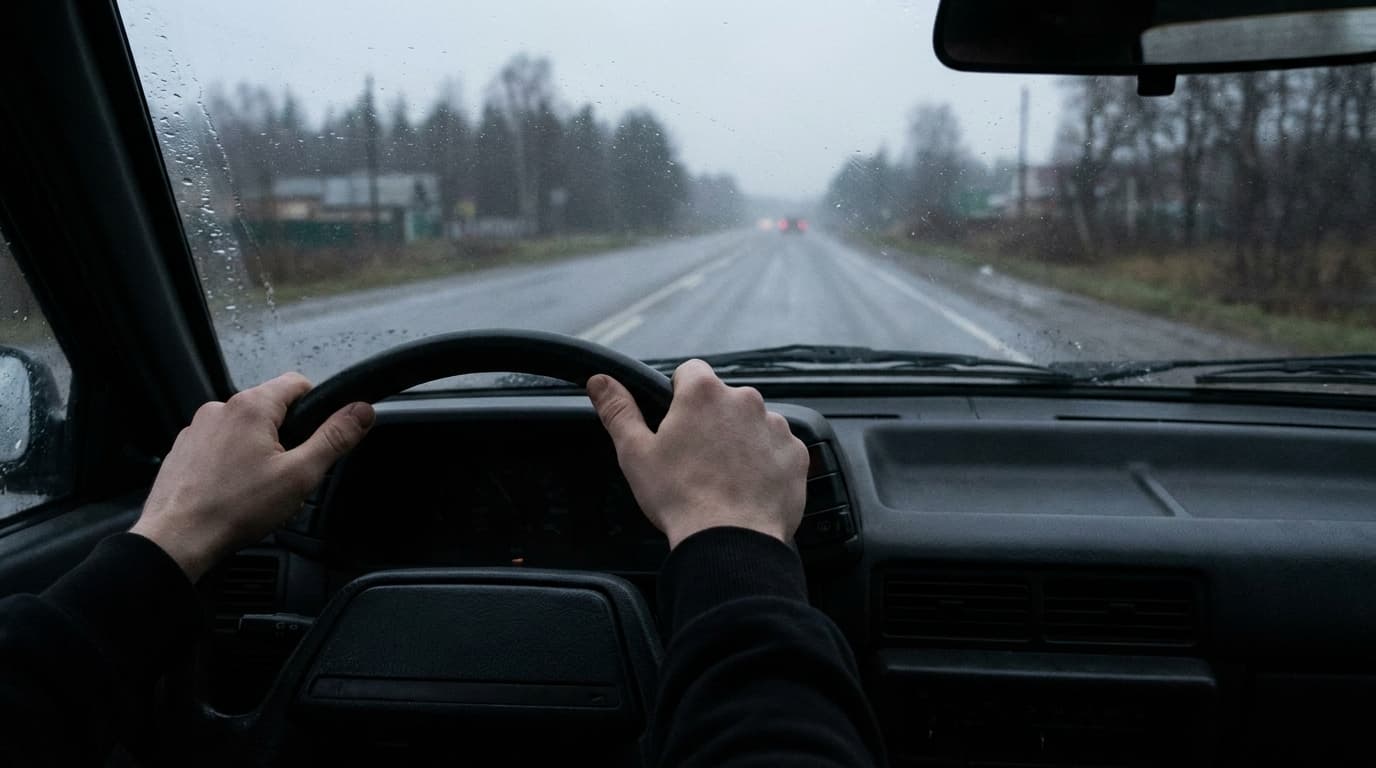
Verkehrsrecht, German traffic law, sits mostly in two federal statutes: the Straßenverkehrsgesetz (StVG) and the Straßenverkehrs-Ordnung (StVO), plus the regulations issued under them. Whether a car is stopped in Munich, Hamburg or a village in Saxony, the same rules, the same fine table and the same national points register apply.
This page is the starting point for that system: what actually happens after a stop, a flash, or a positive breath test, and which page on this site covers the situation in depth. Eleven pages sit underneath this hub, each going deep on one topic: the fine catalogue, driving bans, speed cameras, points, drink and drug driving, leaving the scene of an accident, phone use, e-scooters, the MPU, and challenging a fine. This page does not repeat that depth. It lays out the structure that connects all of it.
Information last verified on 19 July 2026. This page provides general legal information and does not constitute legal advice in an individual case.
One federal law, sixteen sets of enforcers
Germany's traffic law does not vary state by state the way it commonly does in the United States. The core statutes, the StVG and the StVO, are federal, and the fine schedule issued under them, the Bußgeldkatalog-Verordnung, is a single nationwide regulation made under § 26a StVG.
Each of the 16 Bundesländer runs its own police force and its own Bußgeldstelle, the office that actually processes a notice and collects payment. What a Land cannot do is raise or lower the fine, the points, or the driving ban attached to a given offense. That uniformity is also why a single calculator can price a German speeding fine at all, where a comparable US tool would need fifty separate tables, one per state. See the fine catalogue for the full tables and a working calculator.
The three-way split behind almost everything
Nearly every question on this page traces back to one of three tiers, and knowing which one applies tells you immediately how serious a given situation is.
A Verwarnung is a small warning payment, capped at 55 euro under § 2 BKatV and § 56 OWiG. It only takes effect if the driver agrees to it and pays within about a week, and it leaves no trace on the national points register.
An Ordnungswidrigkeit is a regulatory offense rather than a crime. It carries a formal Bußgeldbescheid of 60 euro or more, and once the fine reaches that line it is recorded on the Fahreignungsregister, the national points register, and it can also carry a temporary Fahrverbot.
A Straftat is a criminal offense, prosecuted in a criminal court rather than resolved administratively. Drink driving above the criminal threshold, drug driving, and leaving the scene of an accident all sit here, and a Straftat is what can cost a licence outright rather than just for a few months.
The same underlying event, a driver's alcohol reading for example, can land on either side of the Ordnungswidrigkeit or Straftat line depending on the number involved, which is exactly why drink driving limits treats 0.5, 1.1 and 0.0 promille as three different rules rather than one sliding scale.
Fahrverbot or losing your licence outright
A Fahrverbot under § 25 StVG is a fixed one to three month driving ban. The licence document goes into official custody for that period and is returned automatically once it ends. Nothing has to be reapplied for.
An Entziehung der Fahrerlaubnis is a different matter entirely: a full revocation, ordered by a criminal court under § 69 StGB on conviction for certain offenses, or by the licensing authority itself under § 3 StVG. The licence expires outright, and reapplying means first clearing a court set waiting period, the Sperrfrist, then meeting the ordinary licensing requirements again, which commonly includes the MPU discussed below. See driving bans for the full comparison and how long each version actually lasts.
Points in Flensburg
Separately from any individual fine or ban, Germany scores drivers nationally on an 8 point scale under § 4 StVG, kept by the Kraftfahrt-Bundesamt in Flensburg. The scale runs in fixed steps: 1 to 3 points are recorded with no letter, 4 to 5 points bring a written Ermahnung, 6 to 7 points bring a formal Verwarnung, and 8 or more means the licence is withdrawn regardless of whether any single violation on its own would have justified that.
An entry only reaches the register once the underlying fine is 60 euro or more. Each entry then has its own deletion clock under § 29 StVG of 2.5, 5, or 10 years depending on the entry, so a balance typically drops one entry at a time rather than clearing all at once. See points in Flensburg for the full ladder and how to check a personal balance directly with the Kraftfahrt-Bundesamt.
Drink and drug driving: three different lines
German law treats alcohol at the wheel through three separate rules rather than one number. § 24a StVG sets 0.5 promille as an Ordnungswidrigkeit: a fine and points, but not on its own a criminal record. § 24c StVG sets a strict 0.0 for anyone still in the two year Probezeit or under 21. § 316 StGB is the criminal offense, but the statute itself names no number. It requires only that the driver was unable to drive safely. The 1.1 promille figure widely quoted as the criminal threshold comes from a Bundesgerichtshof ruling on absolute Fahruntüchtigkeit, not from the wording of § 316 itself.
Cannabis runs on its own limit, 3.5 ng/ml of THC in blood under § 24a Abs. 1a StVG, with the same 0.0 rule for new and under 21 drivers under § 24c StVG. See drink driving limits and cannabis and driving for how each threshold plays out and what it means for a Fahrverbot or an Entziehung.
The MPU
A medical psychological assessment, the MPU, popularly and unofficially nicknamed the Idiotentest, is not a punishment on its own. It is a condition the licensing authority can attach before reissuing a licence after certain point totals, certain alcohol or drug findings, or after an Entziehung. See the MPU assessment for what triggers one and how the process runs.
Leaving the scene: Unfallflucht
Unfallflucht, leaving the scene of an accident, is a Straftat under § 142 StGB: up to three years in prison or a fine, not a mere Ordnungswidrigkeit. It sits apart from the fine and points system described above because it is prosecuted as a crime from the outset. See hit and run for what the statute actually requires and how a limited later self-report can reduce the exposure.
Phone use and e-scooters
Handling a phone or another electronic device while driving is its own line item under § 23 Abs. 1a StVO, generally a fine plus a point once the fine clears 60 euro, more where it endangers someone else. See phone while driving for what counts as prohibited use and what does not.
E-scooters run under their own regulation, the eKFV, with a minimum operating age of 14 and their own insurance requirement, and the same alcohol rules that apply to a car apply to riding one. See e-scooter rules for the detail.
Challenging a fine: two weeks, not more
§ 67 OWiG gives a driver two weeks from delivery of a Bußgeldbescheid to file a written Einspruch, an objection, with the issuing authority. No reasons need to be stated in that initial filing. Miss the window and the fine, any points, and any Fahrverbot generally become final. See challenging a fine for what grounds are actually worth raising and what a file inspection can show.
Find your situation
| If you are... | Start here |
|---|---|
| Working out a specific fine or checking the tables | The fine catalogue |
| Told you are facing a driving ban | Driving bans |
| Just been flashed by a camera | Speed cameras |
| Checking or worried about your points | Points in Flensburg |
| Stopped after drinking | Drink driving limits |
| Stopped after using cannabis | Cannabis and driving |
| Told you need an MPU | The MPU assessment |
| Involved in an accident and did not stop, or think you should have | Hit and run |
| Fined for phone use | Phone while driving |
| Riding or buying an e-scooter | E-scooter rules |
| Holding a notice you want to contest | Challenging a fine |
For the wider picture of German federal and Land government, courts and other legal topics, see the Germany law hub. Relocating for work rather than just driving here? The employment law hub covers notice periods, contracts and dismissal protection on the same federal basis as the traffic rules above.
Frequently Asked Questions
Is German traffic law the same in every state?
Yes, for the core rules. The StVG, the StVO and the Bußgeldkatalog are federal, so the fine, points and Fahrverbot attached to a given offense are identical everywhere. Only the local Bußgeldstelle handling the paperwork differs.
What is the difference between a Fahrverbot and losing my licence?
A Fahrverbot is a fixed one to three month ban and the licence returns automatically once it ends. Losing your licence outright, an Entziehung der Fahrerlaubnis, is a full revocation with no fixed term, and a new licence has to be applied for after a waiting period.
How many points can I have before I lose my licence in Germany?
Eight, under § 4 StVG. Warnings arrive earlier: a written Ermahnung at 4 to 5 points and a formal Verwarnung at 6 to 7 points.
Is 1.1 promille written into German law as the drink driving limit?
Not directly. § 316 StGB names no number for the criminal offense. The 1.1 promille threshold comes from a Bundesgerichtshof ruling. Only the 0.5 promille administrative limit and the 0.0 rule for new and under 21 drivers appear as numbers in the statute itself.
How long do I have to challenge a German traffic fine?
Two weeks from delivery of the Bußgeldbescheid, under § 67 OWiG.
Does leaving the scene of an accident always mean losing my licence?
Not automatically, but it is prosecuted as a criminal offense, Unfallflucht under § 142 StGB, rather than a regulatory one, and a conviction is one of the situations that commonly leads to an Entziehung rather than a temporary Fahrverbot.
Does it matter which German state a violation happened in?
Not for the amount of the fine or the points. The Bußgeldkatalog is federal, and the Kraftfahrt-Bundesamt in Flensburg keeps one national points register that covers every Land.
Sources and References
- § 26a StVG, Ermächtigung zum Erlass der Bußgeldkatalog-Verordnung(gesetze-im-internet.de).gov
- § 2 BKatV, Verwarnung(gesetze-im-internet.de).gov
- § 56 OWiG, Verwarnung durch die Verwaltungsbehörde(gesetze-im-internet.de).gov
- § 25 StVG, Fahrverbot(gesetze-im-internet.de).gov
- § 69 StGB, Entziehung der Fahrerlaubnis(gesetze-im-internet.de).gov
- § 3 StVG, Entziehung der Fahrerlaubnis durch die Verwaltungsbehörde(gesetze-im-internet.de).gov
- § 4 StVG, Fahreignungs-Bewertungssystem(gesetze-im-internet.de).gov
- § 29 StVG, Tilgung von Eintragungen(gesetze-im-internet.de).gov
- § 24a StVG, 0,5 Promille-Grenze und Tetrahydrocannabinol-Grenzwert(gesetze-im-internet.de).gov
- § 24c StVG, Alkohol- und Cannabisverbot für Fahranfänger und Fahranfängerinnen(gesetze-im-internet.de).gov
- § 316 StGB, Trunkenheit im Verkehr(gesetze-im-internet.de).gov
- § 142 StGB, Unerlaubtes Entfernen vom Unfallort(gesetze-im-internet.de).gov
- § 67 OWiG, Einspruch gegen den Bußgeldbescheid(gesetze-im-internet.de).gov
- § 23 StVO, Sonstige Pflichten von Fahrzeugführenden (Abs. 1a: Handy am Steuer)(gesetze-im-internet.de).gov
- § 3 eKFV, Berechtigung zum Führen eines Elektrokleinstfahrzeugs(gesetze-im-internet.de).gov
- Kraftfahrt-Bundesamt, Fahreignungsregister (FAER) Übersicht(kba.de).gov