
Belgium
Belgian Recording Law: The Participant Rule and What It Does Not Settle (2026)
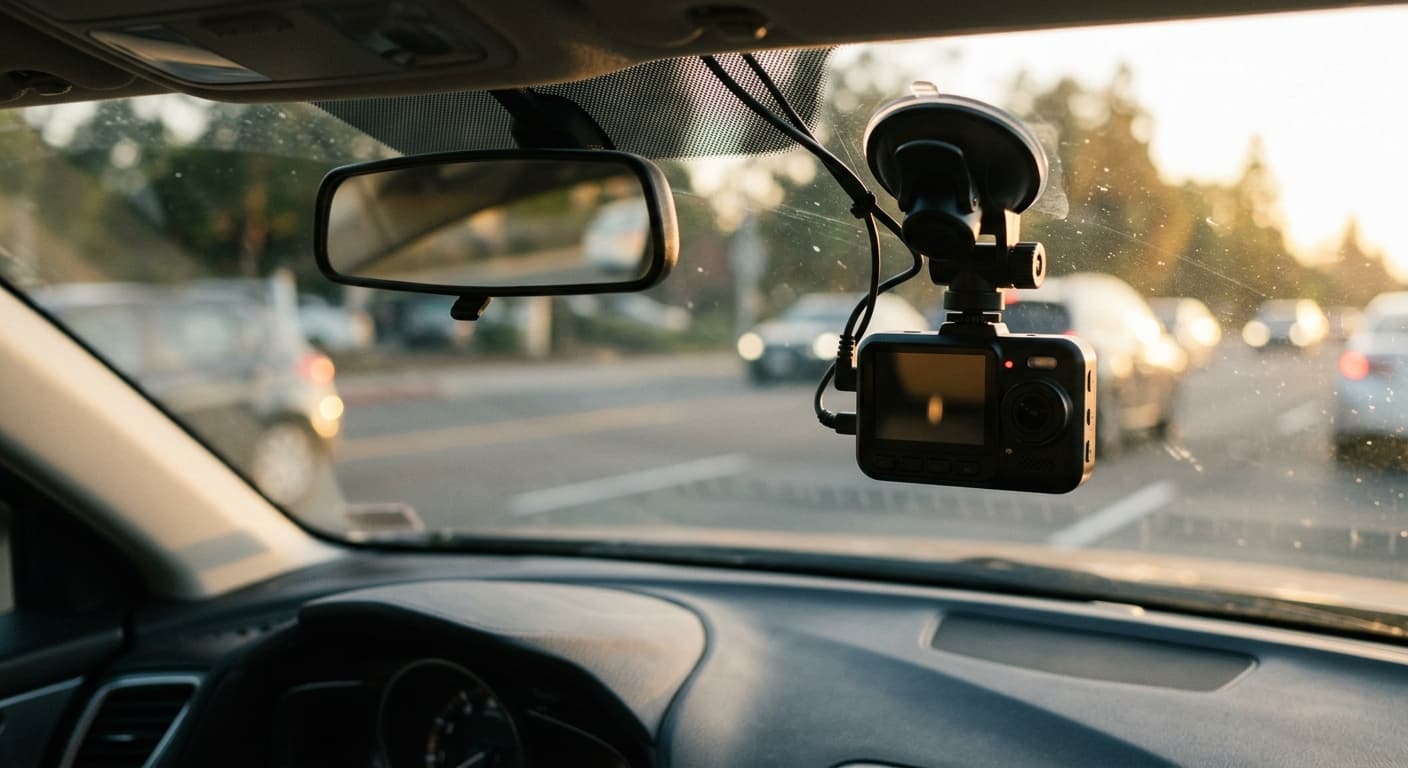
Belgium's rule on recording a private conversation turns on one distinction: whether the person doing the recording actually takes part in it. That distinction, and the criminal offense built around it, sits in article 314bis of the Strafwetboek, called the Code pénal in French, and it answers most of what someone actually wants to know when they ask whether they can record a phone call, a meeting, or an argument at their own front door.
This section holds the detailed page on that rule, together with the doctrine that decides whether a disputed recording can still be used in court. What follows here is an orientation: what the rule actually covers, what it leaves open, and where the harder questions, such as whether a lawfully made recording can safely be shared or published, get answered.
Information last verified on 21 July 2026. This page provides general legal information and does not constitute legal advice in an individual case.
What this section covers
Belgian law separates three questions that a reader often arrives expecting to be one. Whether you may record a conversation you are part of is a question of criminal law, answered by article 314bis of the Strafwetboek/Code pénal and covered in depth on the page below. Whether you may point a camera at a place, rather than record a conversation, is a different statute entirely, the Camera Law, covered in the Belgian privacy law section. And whether using or publishing a recording exposes you to a claim over someone's reputation is covered in the Belgian defamation section. This page is about the first of the three: making the recording itself.
The participant rule
Article 314bis, section 1 punishes someone who intercepts, takes note of, or records a private communication they do not participate in, without the consent of everyone taking part. Since the 2001 ruling of the Hof van Cassatie/Cour de cassation, a participant in the conversation, someone actually taking part in it, falls outside that offense entirely. This is why Belgium is sometimes described, loosely, as allowing a participant to record their own conversations.
That description answers only whether making the recording was a crime. It says nothing about what happens once the recording exists, whether it can be shown to someone else, posted online, or handed to a court. Those are separate legal questions, covered on the page below together with the full penalty structure, the fraudulent use offense, and the aggravated version that applies to public officers under article 259bis.
Whether an unlawful recording can still be used
A recording made unlawfully, meaning by someone who was not a participant and had no consent, is not automatically thrown out of a Belgian court case. The Antigoon doctrine allows a court to admit evidence obtained irregularly unless a specific rule requires exclusion, the irregularity taints reliability, or admitting it would offend the right to a fair trial. The full reasoning, and why it is not a green light to record whatever you like, is on the recording a conversation page.
What changes on 1 September 2026
A wholly new Penal Code enters into force on 1 September 2026 and renumbers everything on this page. Article 314bis becomes articles 342, 344 and 346, and article 259bis, the aggravated version of the same offense for public officers and officials, splits into articles 343 and 345. If you are reading this after that date, the spoke page below carries the new numbers alongside the current ones.

Where to go from here
For the full rule, the penalties, the Antigoon doctrine in detail, and the forward look at the 2026 renumbering, see Recording a conversation in Belgium. For cameras and surveillance rather than conversations, see the Belgian privacy law section. For what happens when a recording is used to accuse someone, see the Belgian defamation section. For other topics, return to Belgium Laws.

This page provides general legal information about a foreign legal system and does not constitute legal advice for an individual case. Whether a specific recording is lawful to make, use or rely on in a dispute depends on the exact facts, and the relevant law changes, most immediately on 1 September 2026. Check the current text on ejustice.just.fgov.be, or consult a lawyer, before acting on anything here.
Frequently Asked Questions
Can I record a conversation I am part of in Belgium?
Generally yes. Article 314bis, section 1 of the Strafwetboek/Code pénal only punishes recording a private communication you do not participate in. Since a 2001 ruling of the Hof van Cassatie/Cour de cassation, a participant recording their own conversation falls outside that offense. What you then do with the recording is a separate question, covered on the page linked in this section.
Is it illegal to record a conversation I am not part of?
Yes, if you record it without the consent of everyone taking part. Article 314bis, section 1 punishes exactly that, with imprisonment of 6 months to 2 years and a fine that, after the opdecimes multiplier of ten, is actually 2,000 to 100,000 euro.
What is the difference between recording a conversation and filming with a camera in Belgium?
They are governed by different statutes. Recording a private conversation sits under article 314bis of the Strafwetboek/Code pénal, covered on this page. Filming a place with a security or doorbell camera sits under the separate Camera Law, covered in the Belgian privacy law section.
Can a recording made without consent still be used in a Belgian court?
Possibly. Under the Antigoon doctrine, unlawfully obtained evidence is excluded only where a specific rule requires it, the irregularity taints its reliability, or admitting it would be contrary to the right to a fair trial. A court still weighs the circumstances, and the doctrine does not make the underlying recording lawful to have made.
Is this area of Belgian law about to change?
Yes. A wholly new Penal Code enters into force on 1 September 2026 and renumbers this entire area. Article 314bis becomes articles 342, 344 and 346, and article 259bis splits into articles 343 and 345.
Where can I find the full penalties and the detailed rule?
The detailed page in this section, Recording a conversation in Belgium, covers the participant rule, the penalties for recording and for using a recording, the Antigoon doctrine, and the 2026 renumbering in full.
Sources and References
- Strafwetboek/Code pénal van 8 juni 1867, officiële geconsolideerde tekst (art. 314bis en 259bis)(ejustice.just.fgov.be).gov
- SPF Justice, Nouveau Code pénal : entrée en vigueur reportée au 1er septembre 2026(justice.belgium.be).gov
- SPF Justice, Réforme du Code pénal(justice.belgium.be).gov
- Autorité de protection des données, Quels sont mes droits ?(autoriteprotectiondonnees.be).gov
- Autorité de protection des données, Conversations téléphoniques professionnelles(autoriteprotectiondonnees.be).gov
- FOD Justitie / SPF Justice, officiële website(justitie.belgium.be).gov