
Italy
Recording Laws in Italy: An Overview
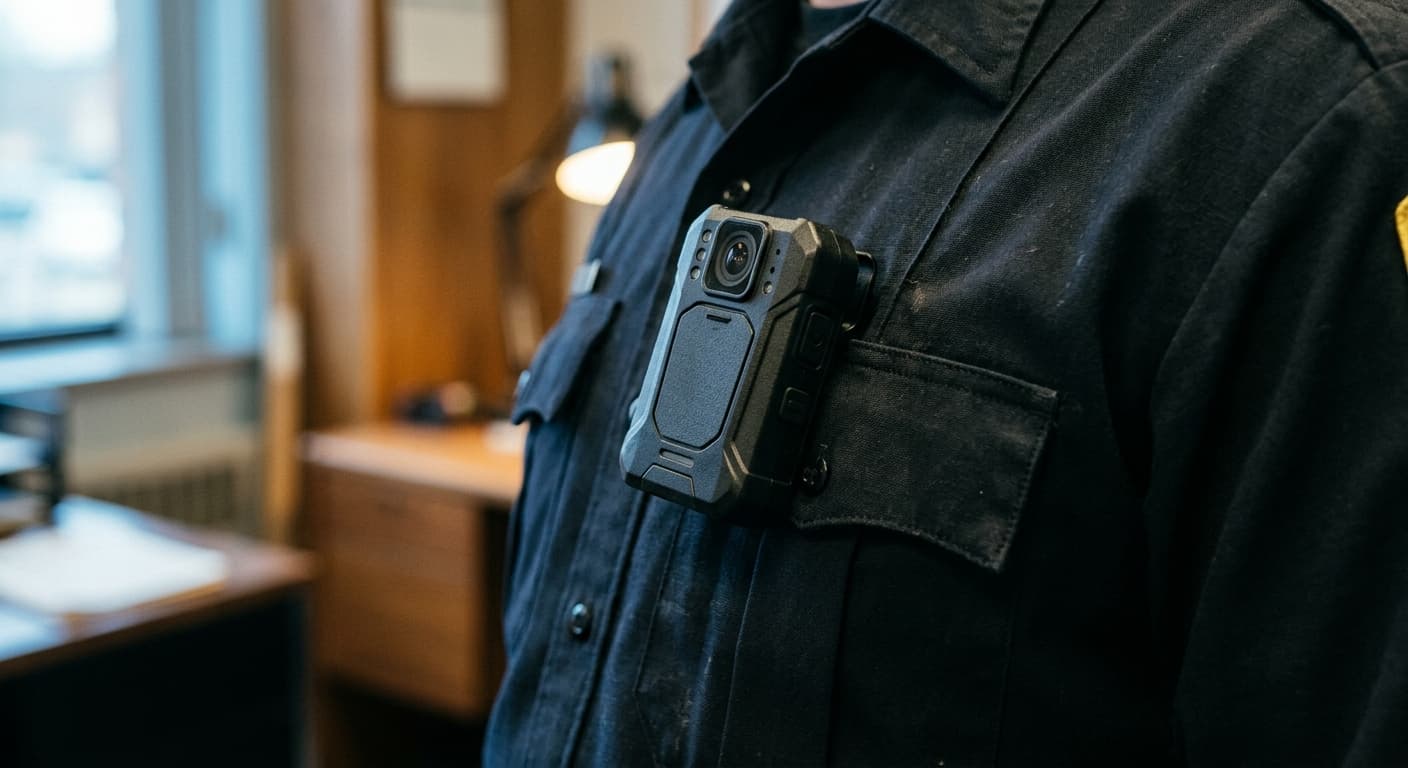
Italian recording law turns on one question before any other: was the person doing the recording actually part of the conversation. Everything else, whether it is a crime, whether it holds up in court, whether it can be shared, follows from that one distinction.
This page is the starting point for the recording law section of this site. It orients the two rules that matter most, then hands off to the two pages that work through each one in depth, with the statutes, the case law, and worked scenarios.
Information verified on 20 July 2026. This page provides general legal information and does not constitute legal advice for an individual situation.
Two questions, one rule each
Almost every recording question in Italy splits into two parts that are easy to blur together. The first is whether making the recording was itself lawful. The second, a genuinely separate legal question, is whether a lawfully made recording can actually be produced in a dispute.
Both questions have settled answers for the most common situation: a tenant recording a landlord, an employee recording a meeting, or anyone recording a call they are personally part of. The harder cases sit at the edges, where a recorder is absent from part of an exchange, or where the other side disputes that a recording is accurate.
Making a recording: the participant rule
The Corte di Cassazione settled the core rule in 2003, in a ruling by its Sezioni Unite, the formation that resolves conflicting case law nationwide. A recording made by someone who took part in the conversation is a memoria fonografica of something that happened to them, not an intercettazione, a wiretap style interception of someone else's communication.
That distinction carries real weight. An intercettazione requires prior judicial authorisation. A memoria fonografica does not, because the person recording already had a lawful right to be in, and to remember, the exchange. The rule extends to phone calls and voice messages on the same logic.
The line runs out where participation does. Someone who leaves a recorder running in a room after stepping out is no longer a participant in what gets captured next, and secretly recording a conversation between other people, in a place the law protects, is the separate offence at art. 615-bis c.p., interferenze illecite nella vita privata. Our page on recording conversations in Italy works through that line with the statute, the leading case law, and three worked scenarios, including exactly where a workplace does and does not count as a protected space.
Using a recording: admissibility
A recording that was lawful to make is not automatically admissible on the terms a reader might expect from a common law system. Criminal proceedings treat it as prova documentale under art. 234 c.p.p., the same category as a photograph. Civil proceedings work differently: art. 2712 c.c. gives a recording piena prova, full evidentiary force, of what it shows, but only if the person it is used against does not formally and specifically disavow that it matches what actually happened.
That disavowal mechanism, called disconoscimento, is where most real disputes over a recording's use actually get decided, and it does not work the way a generic denial might suggest. Our page on recordings as evidence in Italy covers what a valid disconoscimento requires, what happens when a recording was obtained unlawfully in the first place, and three worked scenarios spanning an employment dispute, a tenancy dispute, and evidence that was gathered by breaking the law.
Where this connects to privacy and defamation
Recording law does not stand alone on this site. A camera's field of view, rather than a microphone capturing a conversation, is governed by Italy's privacy framework, covered elsewhere in this site's Italy coverage. And what someone says after making a recording, or about the person they recorded, can raise a defamation question entirely separate from whether the recording itself was lawful, covered in this site's Italy defamation coverage.
Keeping these three questions separate, was the recording lawful to make, can it be used, and could sharing it expose the recorder to another kind of claim, is the single most useful habit a reader can bring to this topic. For the fuller range of Italy coverage on this site, see the Italy hub.
Frequently Asked Questions
Is it legal to record a conversation in Italy?
Yes, if you are a participant in the conversation. Italian courts treat a recording made by a participant as a lawful memoria fonografica, not an unlawful interception, and no notice to the other party is required for that rule to apply.
When does recording someone in Italy become a crime?
When the person recording is not a participant in the conversation and secretly captures it happening in a place the law protects, such as a private dwelling. That is the separate offence of interferenze illecite nella vita privata under art. 615-bis c.p.
Can I use a recording I made as evidence in Italy?
Generally yes, if you made it as a participant. The exact mechanics differ between criminal proceedings, where it is documentary evidence, and civil proceedings, where the other side can challenge its accuracy through a formal disconoscimento. Our companion page on recordings as evidence covers both routes.
Does Italian recording law cover cameras as well as conversations?
A camera raises a different set of rules, centred on where its field of view actually reaches rather than on the participant question this section covers. See the privacy law section for cameras aimed at a home, a neighbour's property, or a condominium's common parts.
Is a recording still legal if I later share it with other people?
Making the recording and sharing it are different questions. Sharing or publishing a lawfully made recording can trigger ordinary data protection duties and, separately, can expose the person circulating it to a defamation claim if the content damages someone's reputation without justification.
Sources and References
- art. 615-bis c.p., Interferenze illecite nella vita privata (Codice Penale, R.D. 19 ottobre 1930, n. 1398)(normattiva.it).gov
- art. 614 c.p., Violazione di domicilio (Codice Penale, R.D. 19 ottobre 1930, n. 1398)(normattiva.it).gov
- Cass. pen., Sezioni Unite, 24 settembre 2003, n. 36747 (participant recording is a memoria fonografica, not an intercettazione)(cortedicassazione.it).gov
- art. 234 c.p.p., Prova documentale (Codice di procedura penale, D.P.R. 22 settembre 1988, n. 447)(normattiva.it).gov
- art. 2712 c.c., Riproduzioni meccaniche (Codice Civile, R.D. 16 marzo 1942, n. 262)(normattiva.it).gov
- Garante per la protezione dei dati personali, compiti e funzioni dell'Autorita(garanteprivacy.it).gov