
Italy
Italian Wills and Inheritance Law: An Overview
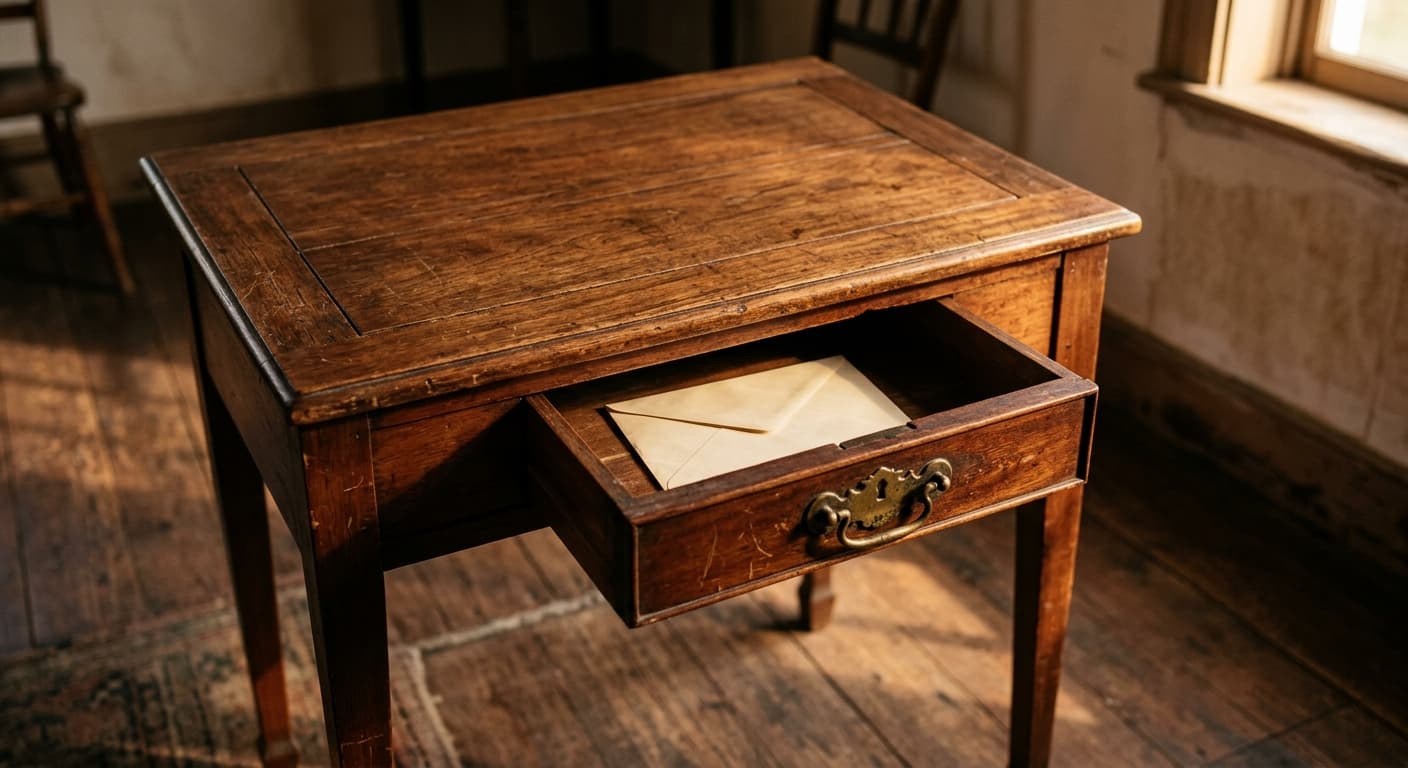
The single fact that reorients most anglophone readers researching an Italian inheritance: a will in Italy is not absolute. It operates inside a floor the law sets for a spouse and children, called the legittima, and no will can lawfully cut beneath it.
This page orients the whole picture of Italian succession, how an estate devolves, what a will can and cannot do, what tax applies, and the practical filing deadline, then points to the five pages in this section that carry the full mechanics and worked figures.
Information verified on 20 July 2026. This page provides general legal information and does not constitute legal advice for an individual situation.
Two paths into an estate, and the one limit on both
Italian law recognises exactly two routes by which an estate passes: the law's own order of heirs, applied when there is no valid will, and succession under a will, which controls only once the legittima, the reserved share, is set aside for a spouse, children, and in some cases ascendants. Our page on inheritance in Italy maps that whole structure, the intestate order, accepting an inheritance, and the practical sequence a family goes through after a death.
The legittima itself, exactly which fractions are reserved for which combination of surviving relatives, and how the reserved base is calculated once lifetime gifts are added back in, is a precise, table driven set of rules with its own dedicated page: la legittima, Italy's forced heirship.
Making a will, and the tax that follows it
Italy recognises three ordinary forms of will, a fully handwritten testamento olografo, a notarial testamento pubblico, and a rarer sealed testamento segreto, each with exact formal requirements that a homemade will most often gets wrong. Our page on how to make a will in Italy covers what each form requires, how a will is revoked, and the difference between a defect that voids a will outright and one that merely leaves it open to challenge.
Whatever the will provides, or however the intestate rules apply, the estate tax follows a separate logic most readers underestimate: imposta di successione is charged on what each individual beneficiary receives, at a rate and a tax free allowance set by that beneficiary's own relationship to the deceased, not on the estate as a single figure. Our page on Italian inheritance tax works through the full rate table with a worked example showing how the same estate can produce very different tax bills depending on how it is divided.
The filing deadline, and the choice to accept or step away
Settling an estate in Italy runs through the Agenzia delle Entrate, not a court supervised probate process. The dichiarazione di successione, the estate tax return, is generally due within twelve months of the death, and a narrow exemption lets some families skip filing it entirely if three specific conditions all hold at once. Our page on filing the dichiarazione di successione covers who must file, the exemption, and the penalty for filing late.
An heir is never obliged to accept an estate. Where the debts might exceed the assets, renouncing is a lawful option, but it is more consequential than most people assume, since it does not automatically shield the renouncer's own children from the same debt. Our page on renouncing an inheritance in Italy covers that trap directly, along with the formal deadline and the safer middle path of accepting with a limited liability protection. For the fuller range of Italy coverage on this site, see the Italy hub.
Frequently Asked Questions
Can a will in Italy leave a spouse or child nothing?
No, not if that spouse or child is a legittimario, someone the law protects with a reserved share. A will controls only the freely disposable portion of the estate; the reserved share exists regardless of what the will says.
Who inherits in Italy if there is no will?
The law's own order of heirs applies: spouse and descendants first, then ascendants, then collateral relatives, then other relatives, with the State only as a last resort. Which category actually inherits depends on exactly who survives.
Is Italian inheritance tax charged on the whole estate?
No. It is charged per beneficiary, on what each individual heir receives, at a rate and a tax free allowance that depend on that beneficiary's own relationship to the person who died.
Do I have to file an estate tax return for a small inheritance in Italy?
Only if all three exemption conditions hold together: the estate passes only to a spouse and direct line relatives, its value is under a set threshold, and it includes no real estate. Missing any one of the three means a return is required regardless of value.
If I renounce an inheritance to avoid debt, does that protect my children?
Not automatically. Renouncing can pass your place in the succession directly to your own children, who then become called to the same estate and must separately decide whether to accept or renounce it themselves.
Sources and References
- Codice civile, art. 457 (Delazione dell’eredita)(normattiva.it).gov
- Codice civile, art. 536 (Legittimari)(normattiva.it).gov
- art. 7, D.Lgs. 31 ottobre 1990, n. 346, Determinazione dell’imposta (aliquote e franchigie)(normattiva.it).gov
- art. 28, D.Lgs. 31 ottobre 1990, n. 346, Dichiarazione della successione(normattiva.it).gov
- art. 601 c.c., Forme (testamento olografo e per atto di notaio)(normattiva.it).gov
- Codice civile, art. 519 (Dichiarazione di rinunzia)(normattiva.it).gov