
Belgium
Belgium Property Disputes: Neighbour Nuisance and Co-ownership
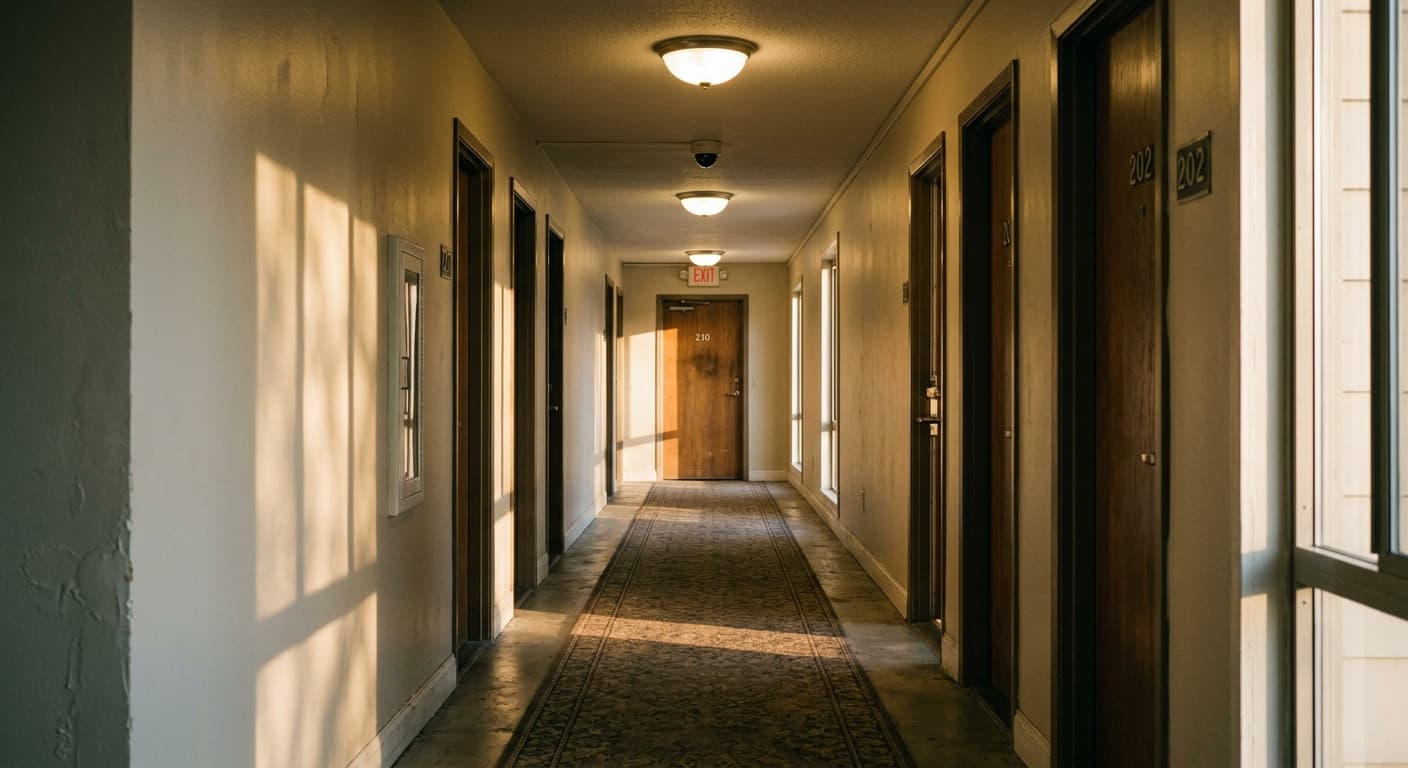
Disputes over property in Belgium mostly play out between private parties and are civil, not criminal, matters. This section, part of the wider Belgian legal guide, covers the two that generate the most questions: friction between neighbours over noise and other disturbances, and the rules that govern life inside a shared apartment building.
Both topics were recodified into the new Burgerlijk Wetboek, the Code civil, with effect from 1 September 2021, and both are heard, when they reach a courtroom, by the same accessible local judge: the vrederechter, the juge de paix. This page orients you first; the two spoke pages below go into the detail.
Information last verified on 22 July 2026. This page provides general legal information and does not constitute legal advice in an individual case.
Two civil tracks, one local judge
What ties this section together is the forum. Whether the dispute is with the neighbour next door or with the other owners in your building, the competent court is the vrederechter, the juge de paix, and it is competent regardless of the amount at stake (Judicial Code article 591). That makes these among the most accessible disputes in the Belgian system: there is no threshold amount to clear and no need to start at a higher court.
The two spokes then diverge. Neighbour nuisance is about the relationship between two separate properties. Co-ownership is about the shared ownership of one building, with its own association, manager and voting rules.
Neighbour noise and nuisance
Since 1 September 2021, article 3.101 of the Civil Code sets a no-fault rule: a neighbour is liable where a disturbance exceeds the normal inconveniences of the neighbourhood and is attributable to them. The judge weighs factors such as timing, frequency, intensity and who was there first, and can order compensation, reimbursement of mitigation costs, or an order to stop the disturbance.
Night noise, nachtlawaai or tapage nocturne, is a separate, municipal question, handled through a GAS / SAC fine and the police, and the two routes can be pursued at the same time. The neighbour noise and nuisance page sets out the test, the remedies and the separate night-noise track in full.
Co-ownership and the syndic
Living in a shared apartment building means belonging to an association of co-owners, the vereniging van mede-eigenaars, the association des copropriétaires, with legal personality of its own. A syndic, a syndicus, manages the building on a mandate capped at three years, and the general assembly takes the important decisions by a graduated majority ladder that runs from an absolute majority, through two-thirds and four-fifths, up to unanimity to change the ownership shares. The co-ownership and the syndic page explains the association, the base deed, the majorities and how to challenge an unlawful assembly decision.
The two spokes
Neighbour noise and nuisance covers article 3.101, the no-fault nuisance test, the three remedies, the role of the vrederechter, the juge de paix, and the separate municipal night-noise track.
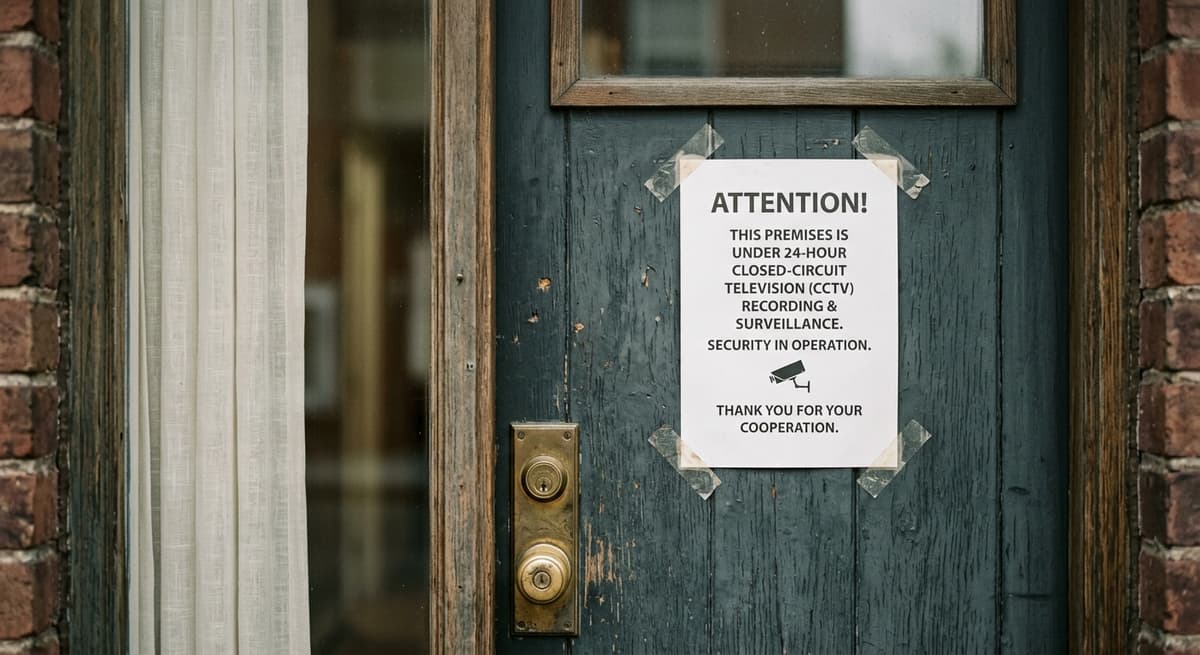
Co-ownership and the syndic covers articles 3.84 to 3.100, the association of co-owners, the syndic, the general assembly majorities, the supervisory council and the four-month action to annul an unlawful decision.
The following questions come up most often about Belgian property disputes.
This page provides general information about how Belgian property disputes are organised and does not constitute legal advice for an individual case. See the two spoke pages for the detail, and confirm anything time-sensitive on ejustice.just.fgov.be or with a vrederechter, a juge de paix, a notaris, a notaire or an advocaat, an avocat, before relying on it.
Frequently Asked Questions
Which court handles a property dispute between neighbours in Belgium?
For neighbour nuisance and for apartment co-ownership disputes it is the vrederechter, the juge de paix, and regardless of the amount claimed (Judicial Code article 591). This is the local, accessible judge, so you do not go to the tribunal of first instance for these claims.
What is the difference between the two pages in this section?
Neighbour noise and nuisance covers disputes between separate properties, such as excessive noise, smells or other disturbances, under article 3.101 of the Civil Code. Co-ownership and the syndic covers life inside a shared apartment building: the association of co-owners, the syndic, the general assembly and its majorities, under articles 3.84 to 3.100.
Is neighbour nuisance a criminal matter in Belgium?
No. Excessive neighbour nuisance under article 3.101 is a civil matter, decided by the vrederechter, the juge de paix, who can award compensation or order the disturbance to stop. Night noise can separately be a municipal GAS / SAC matter, and the two routes can run in parallel.
Did Belgian property law change recently?
Yes. Both the neighbour-nuisance rules and the co-ownership rules were recodified into the new Burgerlijk Wetboek, the Code civil, with effect from 1 September 2021, so older references to the previous articles of the ancien Code civil are out of date for facts arising from that date.
Who runs a Belgian apartment building?
The syndic, the syndicus, an organ of the association of co-owners (vereniging van mede-eigenaars, association des copropriétaires), manages day-to-day matters on a mandate capped at three years, while the general assembly takes the important decisions by graduated majorities.
Sources and References
- Burgerlijk Wetboek, Boek 3 Goederen, art. 3.84-3.102 (Wet 4 februari 2020), geconsolideerde tekst, Justel(ejustice.just.fgov.be).gov
- Code civil, Livre 3 Les biens, art. 3.84-3.102 (Loi du 4 fevrier 2020), texte coordonne, Justel(ejustice.just.fgov.be).gov
- FOD Justitie / SPF Justice, Het vredegerecht / La justice de paix (bevoegdheden van de vrederechter)(justitie.belgium.be).gov