
France
Defamation Law in France: Rules, Deadlines, Filing
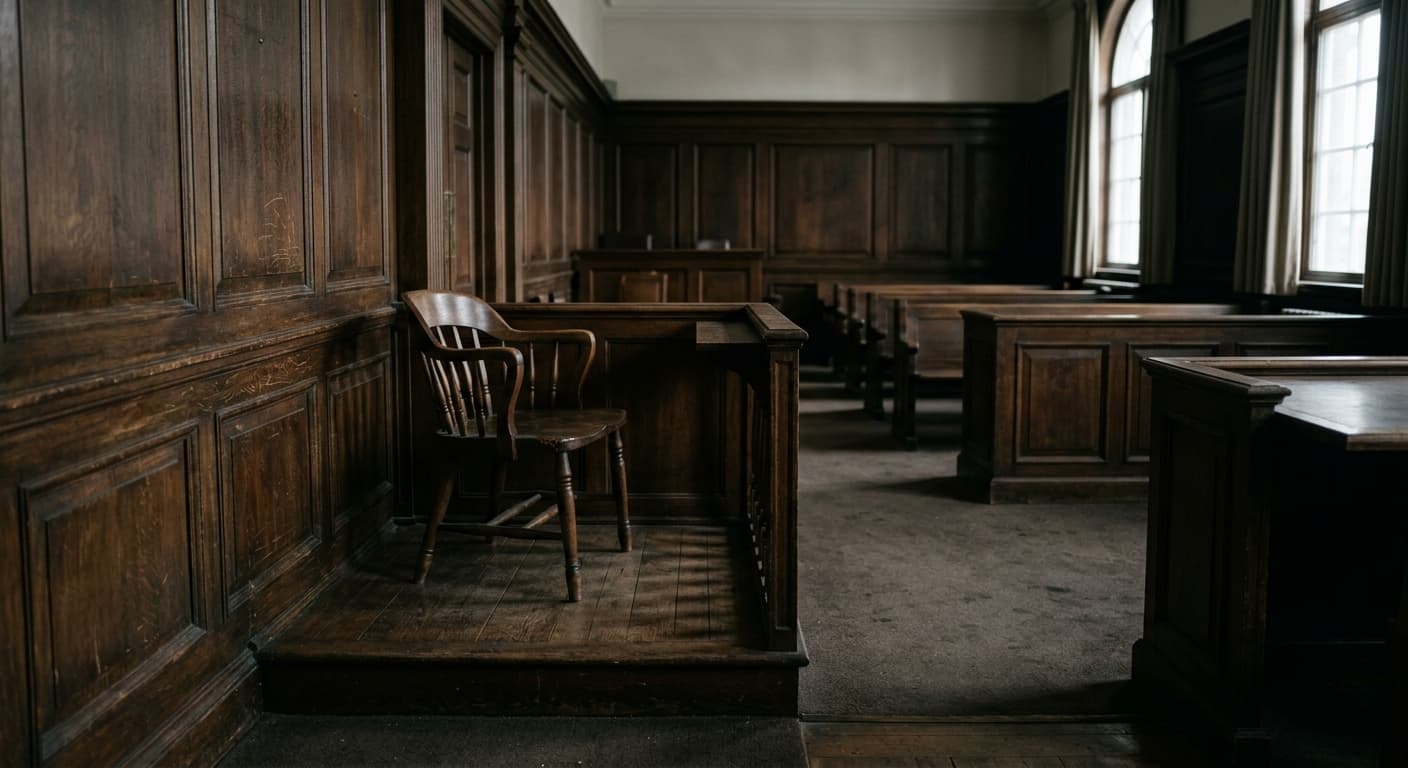
French defamation law is not really part of the civil law of personal injury at all. It sits inside the loi du 29 juillet 1881 sur la liberte de la presse, a press freedom statute, which means the wrong done to a reputation is treated first as a speech offense and only second as a private grievance. That framing shapes everything: the definitions, the procedure, the deadlines, and the defenses.
The practical consequence for anyone who has been attacked in print, on television, or on a website is that the rules are far stricter and far faster than most people expect. The 1881 law separates two distinct offenses, imposes a very short window to act, and demands a level of procedural precision that can void an otherwise strong complaint. This section explains how the area works and points you to the detailed pages for each part of it.
Information last verified on 20 July 2026. This page presents general legal information, not legal advice.
Diffamation and injure are two different offenses
The single most important distinction in French defamation law is the line between diffamation and injure. Article 29 of the 1881 law defines diffamation as the allegation or imputation of a specific fact that harms the honor or the reputation of a person. Injure, by contrast, is an outrageous or contemptuous expression that contains no imputation of any fact at all.
The distinction is not a technicality. It determines which offense is charged, which defenses are available, and how a complaint must be worded. A claimant who pleads the wrong one can lose on that ground alone, because a court cannot simply reclassify the words for you.
Truth is a defense to diffamation, an exceptio veritatis under Article 35, but it does not apply where the imputation concerns someone's private life. An exception restores the defense where the imputation concerns offenses committed against minors. Good faith (bonne foi) is the other principal defense, and it requires four cumulative conditions: if even one is missing, such as a legitimate aim or a sufficient factual basis, the defense fails entirely.
Penalties are calibrated to the seriousness and the audience of the statement. Public diffamation of a private person is a fine-only offense capped at 12,000 EUR under Article 32. Non-public diffamation, the kind said in a closed setting, is only a minor contravention capped at 38 EUR under Article R621-1 of the Code penal. Discriminatory diffamation, on grounds such as origin, religion, sex, or disability, is far more serious and can carry up to one year in prison and a 45,000 EUR fine. The limitation period is longer for these aggravated offences too: Article 65-3 of the 1881 law sets one year rather than three months.
Our detailed page on Defamation Law in France: Diffamation, Injure, and the 3-Month Deadline walks through each definition, the full penalty scale, and how the two defenses are actually argued in practice.
The three-month deadline drives everything
French law gives a defamation claimant, in general, only three months from the date of first publication to act. Article 65 of the 1881 law sets that period, and it is one of the shortest limitation periods anywhere in the French legal system.
Three months is short enough that it changes how a case has to be run. There is rarely time to gather evidence at leisure, negotiate with the publisher, wait for a reply, and then instruct a lawyer. The clock starts at publication, not at the moment the target discovers the statement, which is a frequent and costly surprise for people who find an old article about themselves months later.
The window also became harder to extend in 2026. A Conseil constitutionnel decision of 12 June 2026 (n. 2026-1204/1205 QPC) struck down Article 65-2. The effect is that a later criminal decision clearing the target of the allegation can no longer reopen a three-month window that has already lapsed. What was once a limited safety valve for people vindicated after the fact no longer exists.
Because the deadline is unforgiving, the first practical question in almost every French defamation matter is not whether the words are defamatory but whether there is still time. If you are reading about something published more than three months ago, that is the issue to resolve before anything else.
Filing a complaint is a formal exercise
The procedure carries as much risk as the substance. France offers several routes, and the choice among them is driven largely by the deadline.
An ordinary plainte simple, filed with the police or the prosecutor, would in most cases consume the whole three-month period before anything happened. For that reason press offenses such as defamation are an express exception: a complaint can go straight to a juge d'instruction as a plainte avec constitution de partie civile, which starts an investigation without waiting on the prosecutor.
The alternative is a citation directe, which sends the case straight to the tribunal correctionnel without an investigating judge. That route is commonly used where the author and the underlying facts are already established and no investigation is needed.
Whichever route is chosen, Articles 50 and 53 of the 1881 law require the complaint or citation to state precisely the offending words and the exact legal basis relied on, on pain of nullity. Courts do not apply that rule mechanically: a filing is voided only where the wording genuinely leaves the defendant uncertain about what is being prosecuted. But the risk is real, and it is the main reason press law procedure is considered specialist work.
There is also a cost element. A juge d'instruction sets a consignation, a refundable security deposit calculated on the complainant's means, which can be reduced or waived for those on a modest income or receiving aide juridictionnelle. An avocat is not legally required to file a plainte avec constitution de partie civile, but the formalism involved makes self-representation risky.
The step by step mechanics, including which route suits which situation and what the filing must contain, are covered in How to File a Defamation Complaint in France: Procedure, Deadlines, and Costs.
Online publication and the right of reply
A large share of modern defamation happens online, and French law provides a separate and faster track for it. The online droit de reponse under Article 1-1 III of the LCEN allows the person named to demand publication of a reply. It has its own three-month request window, which is distinct from the Article 65 prescription period governing a defamation action itself.
That distinction matters because the two remedies serve different purposes. A droit de reponse puts your version in front of the same audience quickly. A defamation action seeks a finding and a sanction, and it takes far longer. Pursuing one does not automatically preserve the other, so the dates need to be tracked separately.
Host and platform responsibility is governed by Article 6 of the LCEN, and that framework has been amended by the loi n. 2024-449 du 21 mai 2024, known as the SREN law. Anyone dealing with content on a platform rather than a publication should read the online material alongside the general rules.
Where to start
If you are trying to work out whether something written about you is actionable, begin with the definitions and the deadline, since those two questions dispose of most matters before any argument about merits. If the answer is that you are within time and the words look like a factual imputation rather than a bare insult, the next question is procedural: which filing route fits, and what has to be in the document.
For the broader picture of how French legal rules fit together across other subject areas, see the France legal information hub.
Frequently Asked Questions
What is the difference between diffamation and injure in France?
Diffamation is the allegation or imputation of a specific fact that harms a person's honor or reputation. Injure is an insulting or contemptuous expression that contains no imputation of any fact at all. Article 29 of the loi du 29 juillet 1881 draws the line, and it matters because the offense charged, the available defenses, and the wording of the complaint all follow from it.
How long do I have to bring a defamation claim in France?
In general, three months from the date of first publication, under Article 65 of the 1881 press law. It is one of the shortest limitation periods in French law. Since the Conseil constitutionnel decision of 12 June 2026 (n. 2026-1204/1205 QPC) struck down Article 65-2, a later criminal decision clearing the target can no longer reopen a window that has already closed.
Is truth always a defense to defamation in France?
No. Truth, the exceptio veritatis under Article 35, is a defense to diffamation, but it does not apply where the imputation concerns a person's private life. There is an exception that restores the defense where the imputation concerns offenses committed against minors. The other principal defense, good faith, requires four cumulative conditions, and missing any one of them defeats it.
What penalties can a French court impose for defamation?
Public diffamation of a private person is a fine-only offense capped at 12,000 EUR under Article 32. Non-public diffamation is a minor contravention capped at 38 EUR under Article R621-1 of the Code penal. Discriminatory diffamation, on grounds such as origin, religion, sex, or disability, is treated far more severely and can carry up to one year in prison and a 45,000 EUR fine.
Do I need a lawyer to file a defamation complaint in France?
An avocat is not legally required to file a plainte avec constitution de partie civile. However, Articles 50 and 53 of the 1881 law require the complaint to state the offending words and the exact legal basis with precision, on pain of nullity, so the technical formalism of press law procedure makes self-representation risky.
Sources and References
- Article 29, loi du 29 juillet 1881 (definition diffamation/injure)(legifrance.gouv.fr).gov
- Article 65, loi du 29 juillet 1881 (prescription 3 mois)(legifrance.gouv.fr).gov
- Article 32, loi du 29 juillet 1881 (peines diffamation)(legifrance.gouv.fr).gov
- Article 35, loi du 29 juillet 1881 (exceptio veritatis, en vigueur depuis 2021)(legifrance.gouv.fr).gov
- Article 50, loi du 29 juillet 1881 (formalisme de la plainte avec partie civile)(legifrance.gouv.fr).gov
- Article 53, loi du 29 juillet 1881 (nullite de la citation)(legifrance.gouv.fr).gov
- Article R621-1, Code penal (diffamation non publique)(legifrance.gouv.fr).gov
- Article 6, loi n. 2004-575 (LCEN)(legifrance.gouv.fr).gov
- Loi n. 2024-449 du 21 mai 2024 (SREN)(legifrance.gouv.fr).gov
- Decision n. 2026-1204/1205 QPC du 12 juin 2026 (censure Art.65-2)(conseil-constitutionnel.fr).gov
- service-public.gouv.fr, Plainte avec constitution de partie civile(service-public.gouv.fr).gov